 By Tarang Bansal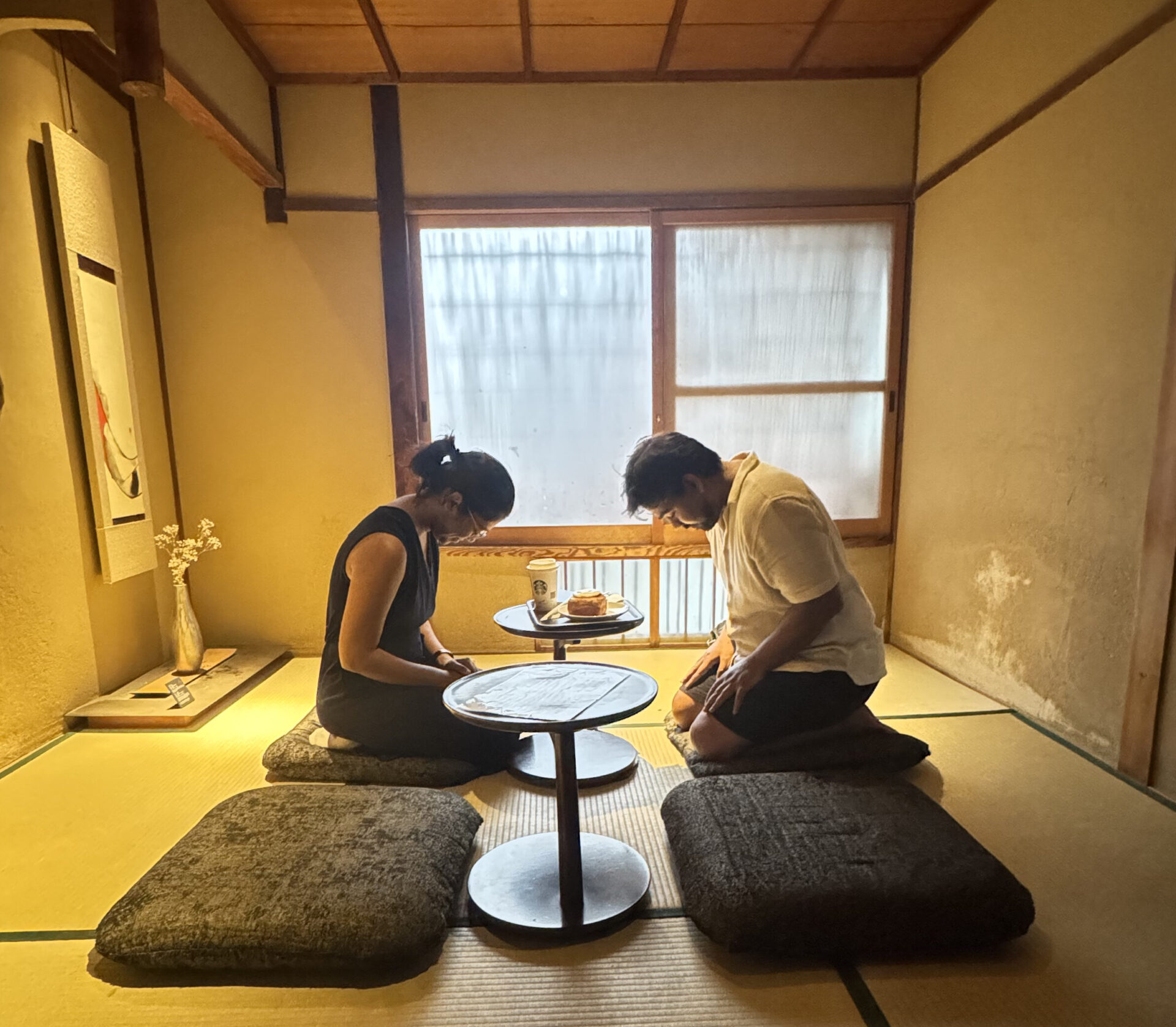
This Kyoto guide for Indians covers everything you need from neighbourhoods and UNESCO temples to vegetarian food, cultural activities, and 3 to 7 day itineraries with real costs. Kyoto is where Japan becomes fully itself.
Tokyo is extraordinary- vast, modern, electric. But Kyoto is where you understand why Japan has been revered for a thousand years. As the imperial capital from 794 to 1868, it accumulated over 17 UNESCO World Heritage Sites, more than 1,600 temples and shrines, a distinct cuisine, a textile industry that still produces the most refined fabrics in the world, and a geisha culture that is simultaneously nowhere and everywhere.
A first-time Indian visitor typically plans 2-3 days in Kyoto. Most leave wishing they’d planned 5. What follows is the guide that tells you how to use every day of whichever length you choose.
If you want the full Japan trip context, read my main 10-day Japan blog here. This Kyoto guide for Indians covers every neighbourhood, every significant temple, and every practical decision you need to make before arriving.
When to Visit Kyoto: A Kyoto Guide for Indians by Season
Kyoto has four distinct seasons, all rewarding, each with trade-offs.
Spring: Late March to Early May ★★★★★
Peak cherry blossom season (see cherry blossom guide). Kyoto peaks around April 1-5 in most years. The combination of 1,000-year-old temples + pink blossom canopies is legitimately one of the most beautiful things you can witness. Trade-off: hotel prices 2-3x normal, crowds at all famous sites.
Autumn: Late October to Mid-November ★★★★★
Autumn foliage (koyo) turns the maples red and gold against ancient stone. Many travellers consider this Kyoto’s best season- cooler temperatures, spectacular colours, shorter days but more atmospheric light. Crowds rival spring but prices are slightly more manageable.
Summer: June to August ★★★
Gion Matsuri (all of July) is Japan’s greatest festival and arguably the single best reason to visit Kyoto in any season (see Japan festivals guide). The city comes alive with processions, lanterns, and yukata. Trade-off: extreme heat and humidity, especially August. See my Japan August warning.
Winter: December to February ★★★★
The least-visited season and quietly magical. Snow on temple roofs is one of Japan’s most beautiful images. Off-peak prices- hotels often 40-50% cheaper than spring. Less crowded everywhere. Cold (2-10°C), but Kyoto in snow is transformative.
Monthly Festival Calendar (highlights)
| Month | Festival / Event |
|---|---|
| January 1-3 | Hatsumode (New Year shrine visits, especially Fushimi Inari) |
| February | Setsubun-sai at Heian Jingu; bean-throwing ceremonies at major shrines |
| March | Plum blossoms at Kitano Tenmangu |
| April | Cherry blossoms; Mibu Kyogen at Mibu-dera (April 21-29) |
| May 15 | Aoi Matsuri- 500 people in Heian court costume procession |
| July | Gion Matsuri (entire month); Yoiyama evenings July 14-16 and 21-23; main parades July 17 and 24 |
| August 16 | Gozan no Okuribi (Daimonji)- giant bonfires lit on 5 mountain peaks surrounding Kyoto |
| October 22 | Jidai Matsuri- 2,000 costumed participants from 1,200 years of history |
| November | Autumn foliage illuminations at Eikando, Kiyomizu-dera, Arashiyama |
| December | Okera Mairi (New Year’s Eve fire ritual at Yasaka Shrine) |
How to Reach Kyoto
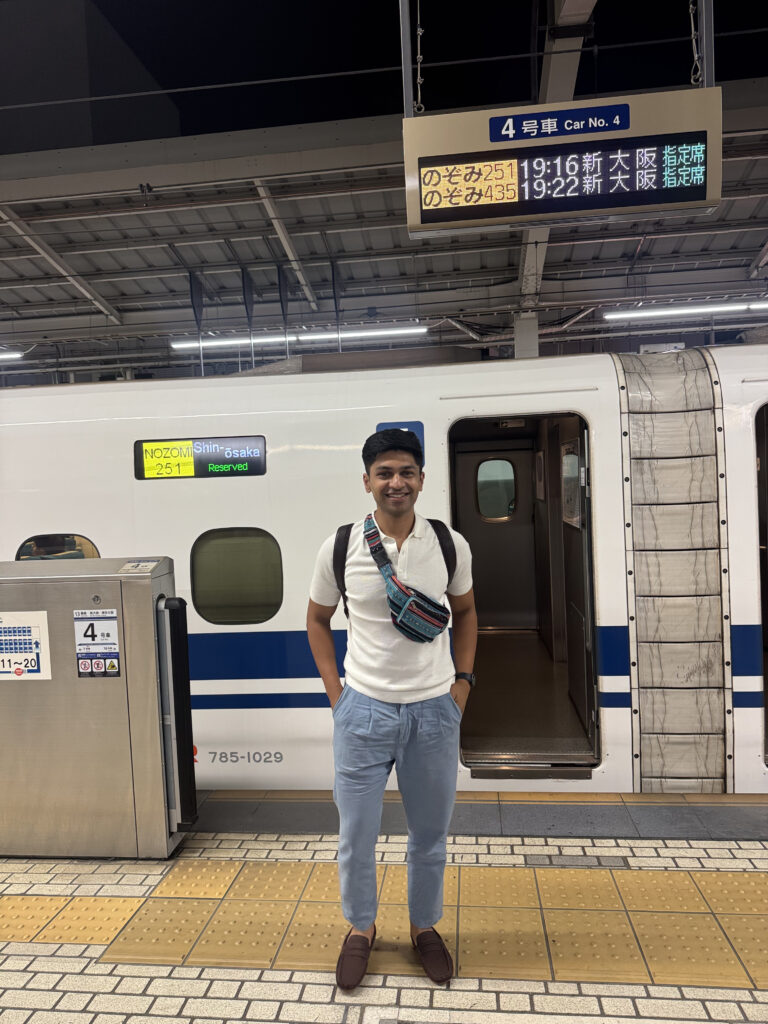
From Tokyo: Shinkansen (Nozomi, fastest)- 2 hours 15 minutes, ~¥14,000 (~₹8,400). JR Pass valid for Hikari (2h40m) and Kodama; NOT valid for Nozomi. Buy tickets at Klook or at any JR ticket office.
From Osaka: JR Special Rapid- 28 minutes, ¥590 (~₹350). One of the world’s great transport value propositions.
From Nara: JR Nara Line- 45-50 minutes, ~¥720.
From Hiroshima: Shinkansen ~1h30m, ¥10,160. JR Pass valid on Hikari.
From India: No direct flights. Fly to Tokyo (Narita/Haneda) or Osaka (Kansai/Itami), then Shinkansen or JR. Kansai International Airport (KIX) → Kyoto: ~75 minutes by Haruka Express, ¥3,600 (~₹2,160).
Getting Around Kyoto
Kyoto is large but well-connected. The combination of bus + subway + occasional taxi handles everything. Transport in Kyoto is the first thing any Kyoto guide for Indians should address because getting around efficiently saves hours every day
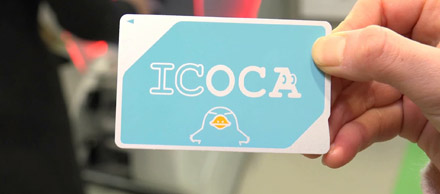
ICOCA IC card works on all buses and subways. Tap in, tap out. See IC card guide.
City Bus (most useful for tourists): Buses 100, 101, 102, and 206 cover the main tourist routes. Single fare: ¥230 (~₹140). 1-day unlimited bus pass: ¥700 (~₹420) excellent value for days with multiple temple visits.
Subway (Karasuma Line, Tozai Line): Faster for north-south movement. ¥210-350 per trip.
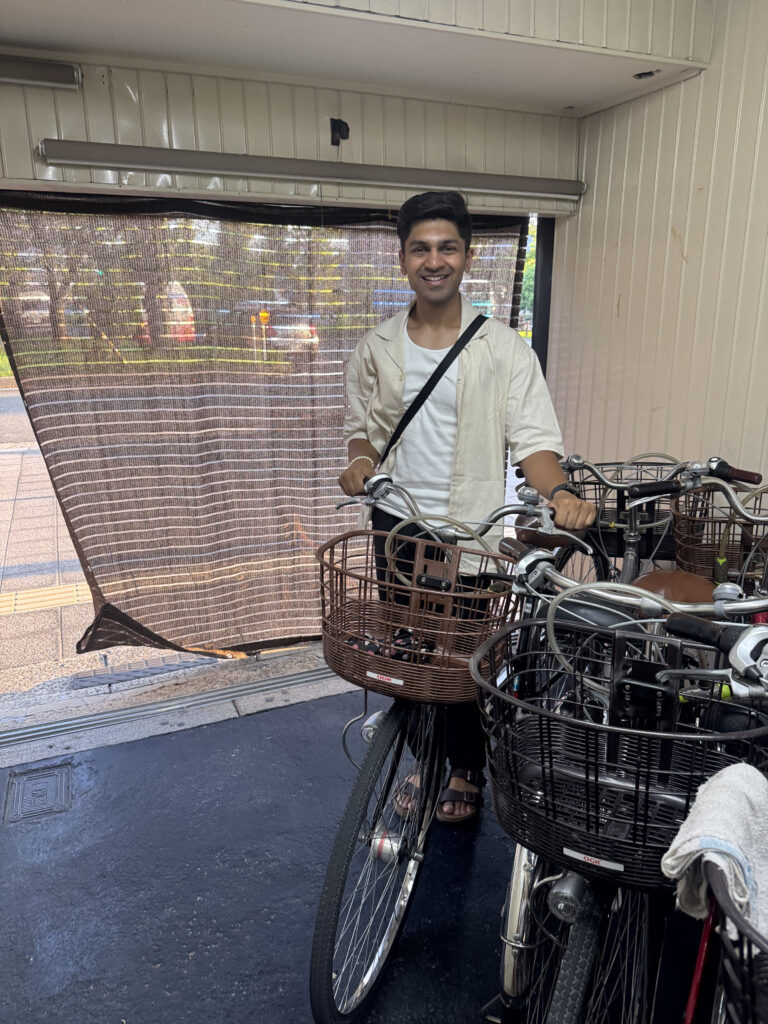
Bicycle: Kyoto was designed for cyclists. Most guesthouses offer rentals; independent shops throughout the city. ¥1,000-1,500/day for standard; ¥2,000-3,000 for e-bike. The e-bike Kyoto + Otsu ride from exclusive e-cycling blog demonstrating how far you can reach. Rent your E-Bike here.
Taxi: Use sparingly, ¥3,000-6,000 for most cross-city trips. Good for early morning temple arrivals before buses start.
Kyoto’s 8 Key Neighbourhoods
1. Southern Higashiyama: The Photographic Heart of Kyoto
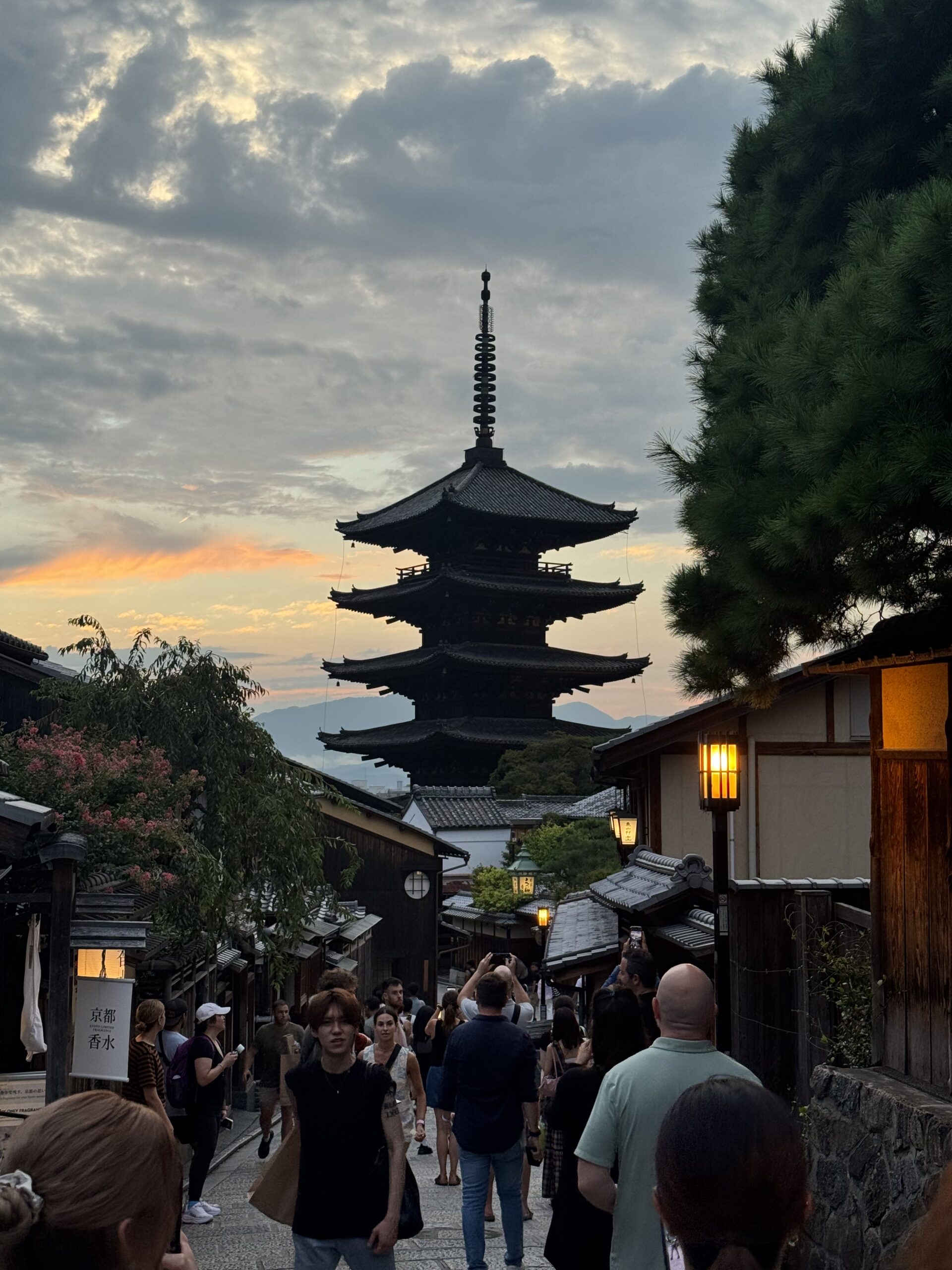
The most visually iconic neighbourhood. Stone-paved lanes (Ninenzaka and Sannenzaka), traditional machiya townhouses converted into tea shops and crafts stores, Kiyomizu-dera at the top.
What’s here: Kiyomizu-dera, Sannenzaka and Ninenzaka lanes, Kodai-ji Temple, Hokan-ji (Yasaka) Pagoda, Ryozen Kannon, beginning of Higashiyama Walking Course.
Key tip: Arrive before 8 AM or after 7 PM. Mid-morning to late afternoon is impossibly crowded.
Where to eat: Multiple matcha cafés along the lanes; Kagizen Yoshifusa (wagashi sweets, very vegetarian-friendly). The Ninenzaka Starbucks tatami experience is also here, see Starbucks guide.
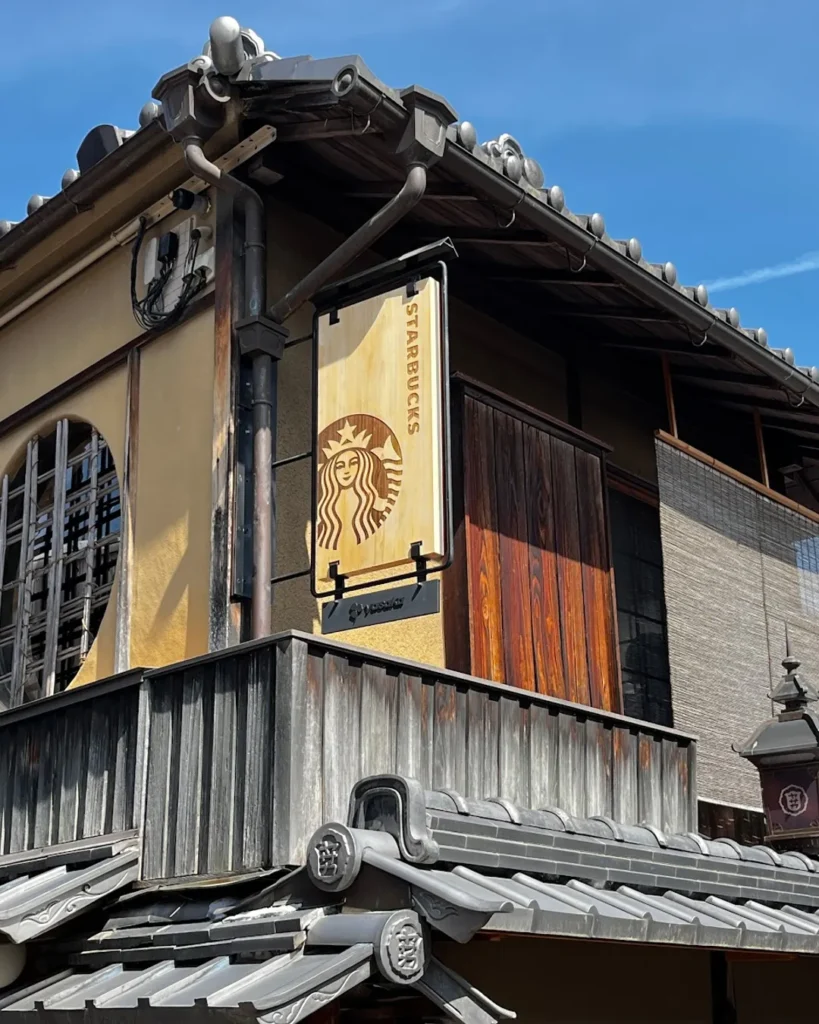
2. Northern Higashiyama: Temples and the Philosopher’s Path
Less crowded than Southern Higashiyama, more temples, the Philosopher’s Path, and access to Ginkaku-ji.
What’s here: Ginkaku-ji (Silver Pavilion), Nanzen-ji (and its aqueduct), Eikan-do (autumn foliage), Heian Jingu, Philosopher’s Path (2km canal walk under cherry trees).
Key tip: Walk the Philosopher’s Path from north (Ginkaku-ji) to south (Nanzen-ji) in the morning for best light. In April, it’s the most photogenic walk in Japan.
3. Gion: Geiko Culture and Historic Lanes
Kyoto’s most famous neighbourhood, the geisha district.
What’s here: Hanamikoji Street (main geiko lane), Shirakawa Canal area (most photogenic), Kenninji Temple, Yasaka Shrine. Key tips:
- Geiko (Kyoto’s term for geisha) and maiko still work in Gion. You may see them walking to or from appointments in the early evening on Hanamikoji Street.
- Photographing geiko without permission is now subject to fines. The city of Kyoto introduced formal regulations and fines in 2024.
- The best time for Gion is 5:30-7:30 PM, early evening has the right light, the lanterns come on, and the geiko are active.
4. Fushimi: Sake, Torii Gates, and Feudal Castles
South Kyoto’s cultural district: home to Fushimi Inari and Japan’s sake industry.
What’s here: Fushimi Inari Taisha (10,000 torii gates), Momoyama Hill (site of Toyotomi Hideyoshi’s castle), Fushimi sake breweries (Gekkeikan Okura Sake Museum), Teradaya Inn. Fushimi Inari full guide. Night visit strongly recommended. Free, 24 hours.

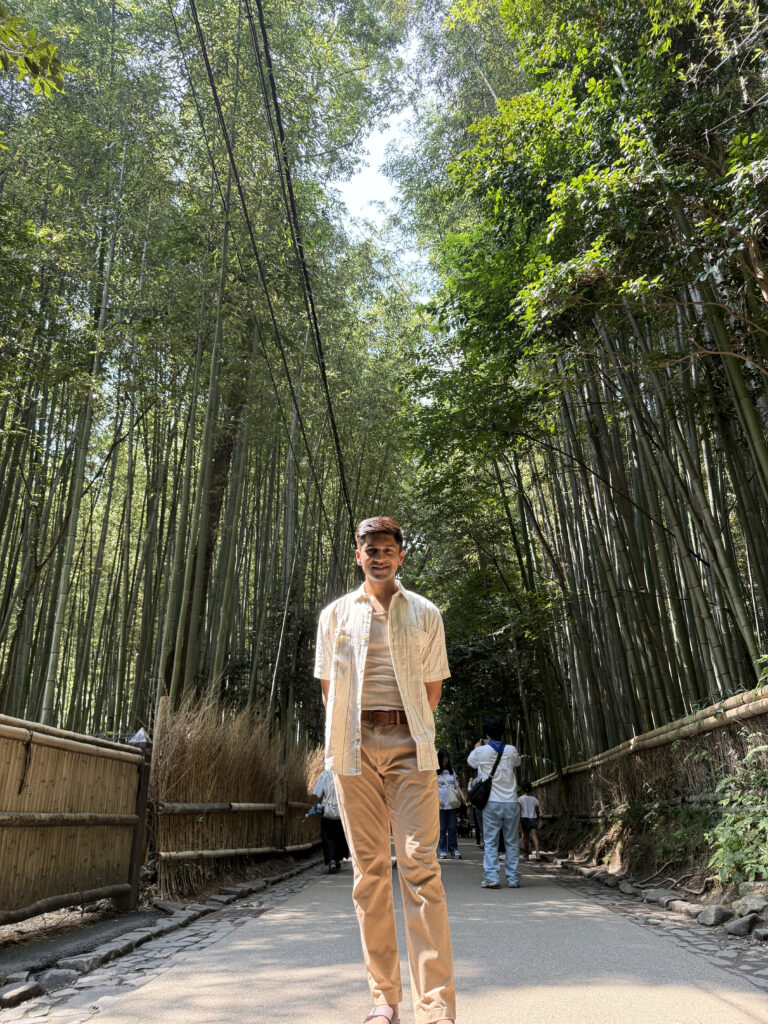
5. Arashiyama: Bamboo, River, and Wild Monkeys
Northwest Kyoto’s natural and temple district. The single best area to combine nature, temples, and a genuine non-tourist village feel.
What’s here: Arashiyama Bamboo Grove, Tenryu-ji Temple (UNESCO), Togetsukyo Bridge, Okochi Sanso Villa, Monkey Park Iwatayama (you feed macaques at the top ¥600), Jojakko-ji Temple (off the main path; fewer crowds), Seiryoji Temple.
E-bike access: The e-bike route passes through Arashiyama on its way to Otsu. Rent your E-Bike here.
Key tip: Bamboo Grove is most photogenic at dawn (6-7 AM) and dusk. Mid-morning is too crowded for atmospheric photos.
You can even explore the bamboo forest and the neighbouring temples on a guided traditional rickshaw tour.
6. Downtown Kyoto / Kawaramachi: Shopping and Dining Central
The commercial heart: department stores, restaurants, the covered Shijo-Kawaramachi shopping arcade.
What’s here: Nishiki Market (“Kyoto’s Kitchen”), Pontocho Alley (narrow dining lane), Teramachi shopping street, Kyoto Takashimaya, OPA, Zara, Uniqlo flagships, Daimaru Kyoto.
Pontocho Alley is fully covered in Golden Gai and bars guide. In summer (May-September), riverside platforms (kawayuka) extend restaurants over the Kamo River.
7. Nishijin: Textile District and Local Kyoto
The neighbourhood where Kyoto’s famous Nishijin-ori silk fabrics are made. Less visited by tourists, highly recommended for authentic Kyoto.
What’s here: Nishijin Textile Centre (free, daily orimono kimono shows), Kitano Tenmangu Shrine (500 plum trees; flea market 25th of every month), artisan workshops, traditional machiya-cafe culture.
Key experience: Book a hand-weaving lesson at one of the family workshops.
8. Kyoto Station Area: Transport, Modern Kyoto, and Toji
The station itself is a landmark- a massive glass-and-steel structure by architect Hiroshi Hara (1997). Unexpected rooftop observation area with city views, sky garden, and the Sky Corridor.
What’s here: Kyoto Tower (observation deck ¥900), Toji Temple (5-storey pagoda, Japan’s tallest at 57m; flea market on the 21st of each month), Nishi Honganji and Higashi Honganji temples (both free, both enormous, both undervisited).
Key Landmarks: The Must-Sees
The UNESCO-Listed Highlights (with entry costs)
All are part of the Historic Monuments of Ancient Kyoto UNESCO designation. See UNESCO Japan guide.
Kinkaku-ji (Golden Pavilion) ¥500. The gold-leaf temple reflected in a still pond. Japan’s most photographed building. Arrive before 9:30 AM.
Kiyomizu-dera ¥500. Wooden stage temple jutting from the mountainside. Panoramic city view. Surrounded by Higashiyama lanes.
Ryoan-ji ¥600. The world’s most famous Zen rock garden- 15 stones, raked gravel, no explanation. Either profoundly moving or baffling; rarely in between.
Nijo Castle ¥1,300. Tokugawa-era shogunate Kyoto headquarters. Famous “nightingale floors” (squeaking floorboards installed to detect assassins). Spectacular painted screen interiors.
Ginkaku-ji (Silver Pavilion) ¥500. Despite the name, never actually covered in silver. Understated, beautiful, and the starting point of the Philosopher’s Path.
Daigo-ji Temple ¥1,500. 700 cherry trees, a weeping cherry cascade, and the Sanpo-in garden. Spectacular in spring.
Tenryu-ji ¥700. Arashiyama’s main UNESCO temple with a borrowed-scenery garden (shakkei) incorporating the mountain behind it. Sublime.
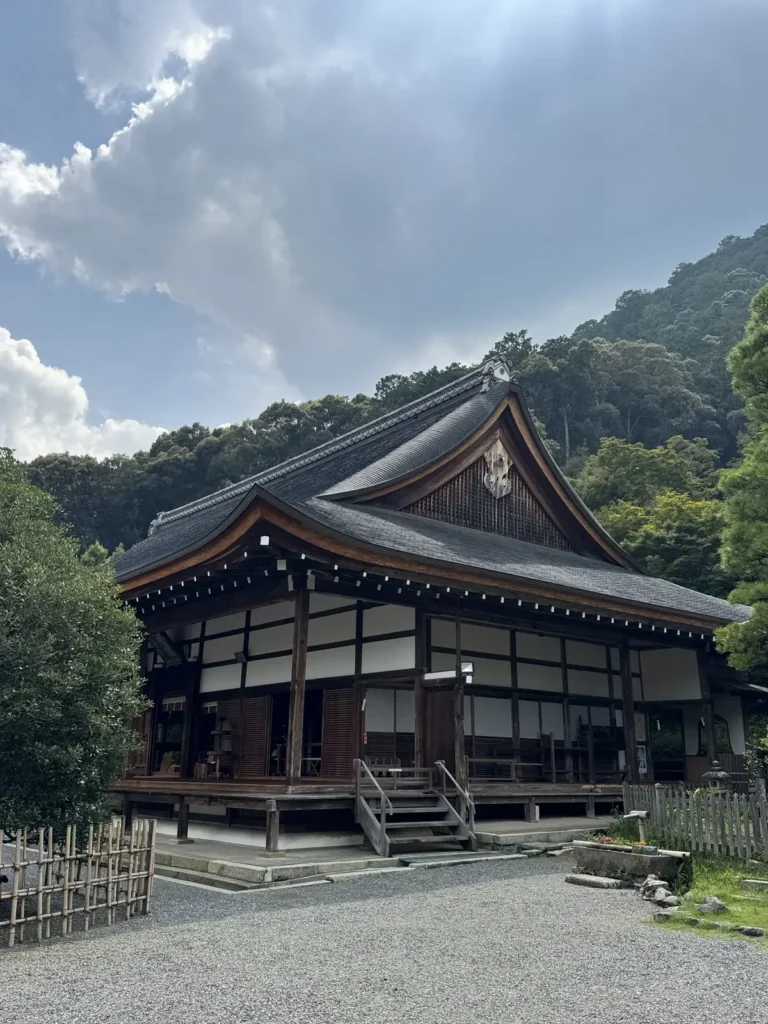
Byodo-in (Uji, 30 min from Kyoto) ¥600. The temple on Japan’s ¥10 coin. A 1,000-year-old Pure Land Buddhist treasure in the small town of Uji.
teamLabs Biovortex is the latest edition to the teamLabs universe. Walk into an immersive reality of rooms, each one different from anything else in the world. The play of sound, light, images and, at times, props (water, mist, reflectors etc) is too mesmerising. Ideal for all age groups. Read my dedicated blog on teamLabs Borderless. Here is a link to pre-book Biovortex in Kyoto.

Sumo wrestling with tourists is a fun activity where tourist watch, learn and also participate (friendly) with professional wrestlers. Sumo is the national sport of Japan. Here is a link.
Free and Often-Missed Sites
- Fushimi Inari Taisha: Free, 24h. Night visit especially recommended. See dedicated Blog.
- Yasaka Shrine: Free. Gateway to Gion, always lit and lively.
- Shimogamo Shrine: Free. Ancient, forest-set, significantly less crowded than Fushimi Inari.
- Nijo Castle outer moat walk: Free perimeter; full entry ¥1,300.
- Philosopher’s Path: Free 2km canal walk.
- Pontocho Alley: Free to walk; restaurants charge what they charge.
- Nishiki Market: Free to walk; eating costs what it costs.
- Kyoto Imperial Palace: Free. Book in advance at kunaicho.go.jp.
- Daitoku-ji Temple complex: Free grounds; sub-temple entry ¥400-700 each. 22 sub-temples, most quieter than main tourist sites.
Here is a Private Kyoto: Temples, Hidden Alleys, Stories experience.
Natural Sites
Arashiyama Bamboo Grove: Best at dawn and late afternoon when golden light filters through the 20-metre culms. See neighbourhood section above.
Kurama and Kibune (north Kyoto, 30-45 min by train): Two mountain villages connected by a forest hiking trail (90 min walk). Kurama-dera temple is at the top; Kibune is famous for summer kawadoko river-platform dining. One of Kyoto’s most special half-day escapes. You can book a visit at the Kurama Onsen.
Ohara (north Kyoto, 25 min by bus from Kyoto Station): A rural hamlet with three temple complexes (Sanzen-in, Shorin-in, Jakko-in) surrounded by cedar forests and hydrangea gardens. Peak autumn foliage. Very few tourists.
Kiyotaki River Gorge and Toganoo (Takao area, west Kyoto): Three temples (Jingo-ji, Saijo-ji, Kozan-ji) in a forested gorge, accessible by bus. Kozan-ji has the oldest surviving tea field in Japan (planted by Buddhist monk Myoe in 1191). Stunning autumn foliage.
Daimonji-yama hike: A 1-hour hike above Ginkaku-ji to the Daimonji fire-lighting site, the 大 character fires every August 16 for Gozan no Okuribi. City panorama at the top. Free.
Katsura Imperial Villa (by permit): One of Japan’s three most perfect traditional gardens. Apply at kyoto.travel or via the Imperial Household Agency at least 1 month ahead. Free. Groups limited. If you get the permit, go.
Vegetarian Food in Kyoto: The Best Section of Any Kyoto Guide for Indians
Kyoto is, by Japanese standards, a strong city for vegetarians. Here is my dedicated Vegetarian Guide for Japan.
The Local Cuisine Advantage
Kyoto-ryori (Kyoto cuisine) is built on Buddhist temple food traditions. The city’s heritage of Zen monasteries created a centuries-old vegetarian cooking culture, shojin-ryori (Buddhist temple food) uses only plant-based ingredients.
Must-Try Vegetarian Experiences
Shojin Ryori (Buddhist Temple Cuisine): Multiple Kyoto restaurants specialise in full-course Buddhist vegetarian meals. Expect tofu in 6 different preparations, sesame, mountain vegetables, pickles, rice, and miso. Cost ¥3,000-8,000 for a full set.
- Shigetsu (Tenryu-ji, Arashiyama): ¥4,000 set; book in advance
- Izusen (Daitoku-ji): ¥3,000-5,000; served in beautiful painted lacquer boxes
- Komago: intimate reservation-only shojin restaurant near Gion
Tofu Cuisine: Kyoto is Japan’s tofu capital. Yudofu (simmered tofu with dashi, vegetarians should request konbu dashi instead of fish) is the signature preparation.
- Junsei (Nanzen-ji): classic setting, garden views
- Yudofu Sagano (Arashiyama): atmospheric
You can even take up a Ramen and Gyoza making cooking class. If you want a customisation for a Vegan Ramen preparation, here is your link for Vegan ramen cooking class.
If you want something Japanese that has still not reached India, take this Takoyaki and Okonomiyaki Cooking class.
Nishiki Market Veg-Friendly Stops:
- Kyoto pickles (tsukemono): salt-cured vegetables; fully vegetarian; excellent for gifts
- Warabi mochi stalls: chewy sweet mochi
- Kuruma-fu (wheat gluten cakes): baked and sweet, fully vegetarian
- Roasted green tea (hojicha) shops
- Yuba (tofu skin) shops: a Kyoto specialty; available baked, fresh, in soup
Indian Restaurants: Kyoto has a handful of solid Nepalese-run Indian restaurants in the Kawaramachi/Gion area. Search Google Maps for “Indian restaurant Kyoto”, helpful backup for strict vegetarians after long temple days.
Matcha Culture: Kyoto’s matcha is world-class.
- Tsujiri (Kawaramachi) is one of Japan’s most respected matcha houses; matcha parfaits ¥1,200; fully veg
- Nakamura Tokichi (Uji) is the most respected matcha in Japan, from the source city
Vegan Café Kanga-an: Near Kinkaku-ji; full vegan Japanese menu in a beautiful old machiya.
Vegans: The difficulty increases for strict vegans. Dashi (fish/kelp broth) appears in many Japanese dishes. Always specify “katsuobushi nashi” (no bonito flakes) and “dashi wa konbu dake” (kelp-only dashi). Shojin-ryori restaurants are the guaranteed safe option.
Shopping in Kyoto
What to Buy in Kyoto
- Nishijin-ori silk textiles: the finest Japanese fabric; scarves, table runners, obi from ¥3,000
- Kyoto pickles (tsukemono): Nishiki Market; excellent gifts from ¥800
- Matcha and wagashi (Japanese sweets): boxed gifts from ¥1,500
- Yatsuhashi: Kyoto’s most famous sweet; cinnamon rice-flour triangles; every shop has them from ¥500
- Pottery and ceramics: Kiyomizu-yaki ware from the shops along Gojo-zaka Street
- Incense: Kyoto is Japan’s incense capital; Shoyeido (on Karasuma) is the most respected producer
- Hand-painted fans: traditional folding fans from ¥1,500
- Kimono: vintage (used) kimono at Kyoto’s flea markets for ¥2,000-5,000; new from ¥30,000+
Where to Shop
- Nishiki Market: 400-metre covered market; 100+ stalls; food, utensils, pickles, crafts
- Teramachi-dori: knife shops, paper goods, hand-crafted tools; best shopping lane in Kyoto for quality crafts. Link to a Knife making workshop in Kyoto.
- Gojo-zaka: traditional pottery street; ceramics from Kiyomizu ware studios
- Shijo-Kawaramachi area: Kyoto Takashimaya, OPA, BAL, Daimaru Kyoto; mainstream shopping
- Toji Temple Flea Market (21st of each month): one of Japan’s best antique markets; ceramics, vintage kimono, tools; arrive by 8 AM
- Kitano Tenmangu Antique Market (25th of each month): similar character to Toji; textiles and ceramics predominate
- Kyoto Handicraft Centre (Okazaki): all categories of Kyoto crafts in one multi-floor building; pricey but convenient
Activities and Cultural Classes
Tea Ceremony (Chado)
Kyoto’s most quintessential experience. Book a 45-60 minute guided ceremony rather than just “watching.”
- En (Yasaka Shrine area): ¥1,000-1,500; approachable, non-pretentious
- Ju-An (Urasenke Foundation): ¥2,000-3,000; more formal
- Camellia Tea Experience: English-language, central Kyoto, ¥3,900 including kimono wear
Kimono Rental
Walking in Kyoto’s historic lanes in kimono is one of the city’s best experiences.
- Available throughout Higashiyama and Gion
- Cost: ¥3,000-5,500 for standard kimono; ¥5,000-8,000 for higher-quality fabrics
- Furisakura, Yumeyakata, and Kyoto Kimono Rental Wargo are among the most professional
- Important: Book mornings only, return by 5:30 PM is standard. Afternoon pickup doesn’t work with shop closing times.
Ikebana (Flower Arranging)
Single-session lessons at Ikenobo (Rokkaku-do Temple, HQ of the world’s oldest ikebana school, dating to 6th century). From ¥3,000.
Calligraphy (Shodo)
Multiple studios offer 60-90 minute beginner sessions. Kyoto Calligraphy Club near Gion: ¥2,500-4,000. Book here.
Sake and Craft Brewery Tours
Fushimi district has Japan’s most concentrated sake production zone. Gekkeikan Okura Sake Museum (¥600 including tasting). Dedicated guided tours available. See sake guide.
Zazen (Zen Meditation)
Daitoku-ji, Tenryu-ji, and Shunkoin Temple offer early morning zazen sessions. Shunkoin is particularly English-friendly; ¥1,500. Book your Meditation here.
Ninja and Samurai Experiences
Kyoto Samurai and Ninja Museum near Gion, sword handling and ninja activity for ¥2,500-4,000. More theatrical than historical; excellent for kids. Book here.
E-Bike Exploration
As done by me in my e-bike blog, rent e-bikes (¥2,000-3,000/day from multiple shops) and explore the Kamo Canal route, Arashiyama, Fushimi, and beyond. Rent your E-Bike here. Here are three type of guided cycling tours that you might enjoy.
- Kyoto Half-Day Electric Bike Tour with Guide
- Kyoto- Night- E-Bike Tour with Guide
- Kyoto 10 Shrines Half-Day Small Group Cycling
For the Kyoto-Otsu ride including the wild boar adventure, see the full story in this blog.
Ikebana Flower Arrangement Workshop
Ikebana is a flower arrangement technique that focuses on minimalist designs of arranging flowers and paraphernalia. Here is a booking link for the same.
Geisha Performance (Gion Corner)
Gion Corner offers 50-minute multi-arts performances including kyogen theatre, gagaku court music, koto, ikebana, and a brief geisha dance. ¥3,000. Daily at 6 PM and 7 PM. Touristy but legitimately educational. Book here.
The 3 Day Kyoto Guide for Indians: Non-Negotiables Only
Covers the non-negotiables. Prioritises the highest-impact sites and evenings.
Day 1: Southern Kyoto
- 7:30 AM: Fushimi Inari- arrive at opening, before tourist buses
- 10:00 AM: Tofuku-ji Temple and dry garden (¥600)
- 12:00 PM: Lunch in Fushimi, tofu or Kyoto-style set meal
- 2:00 PM: Nijo Castle, shogunate interiors, nightingale floors
- 5:00 PM: Evening in Gion, Hanamikoji Street before geiko emerge
- 7:00 PM: Dinner at Pontocho Alley, riverside if summer
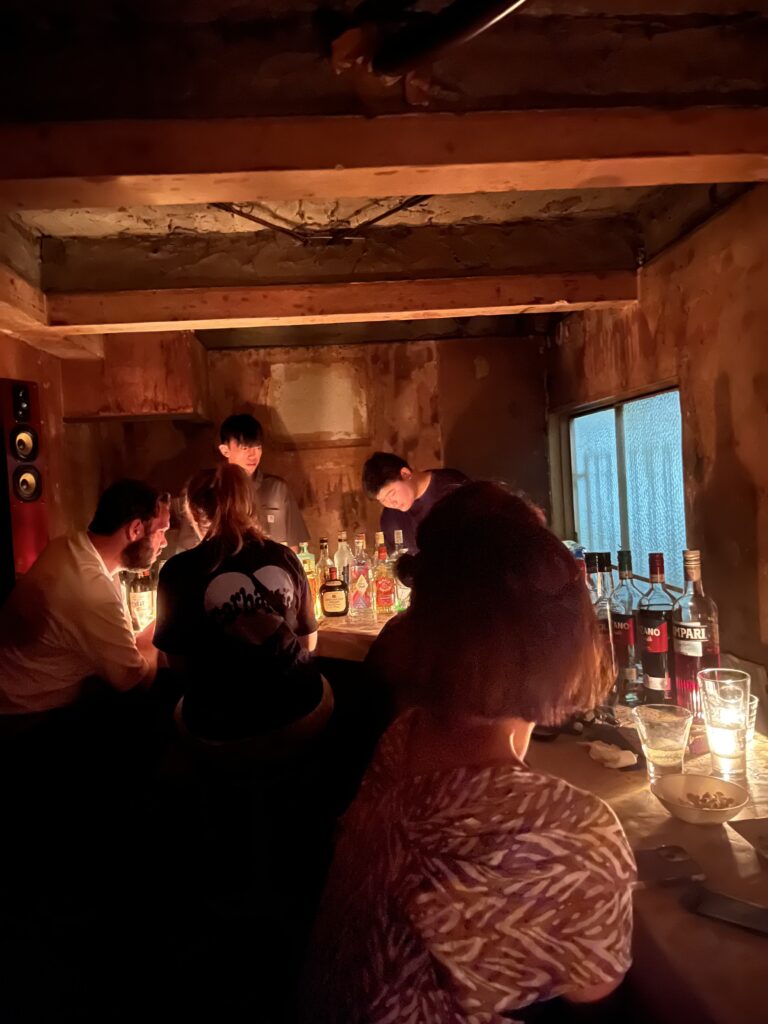
- 9:00 PM: Kazubar speakeasy if nightlife, see this dedicated blog
Day 2: Higashiyama and Arashiyama
- 7:00 AM: Sannenzaka/Ninenzaka lanes before crowds; Kiyomizu-dera
- 9:30 AM: Philosopher’s Path north to south; Nanzen-ji aqueduct
- 12:00 PM: Lunch near Ginkaku-ji
- 2:00 PM: Arashiyama- Bamboo Grove, Tenryu-ji garden (¥700)
- 4:30 PM: Togetsukyo Bridge for sunset over the river
- 6:30 PM: Dinner in Arashiyama village
Day 3: Golden Kyoto and Nishiki
- 8:30 AM: Kinkaku-ji before buses arrive
- 10:30 AM: Ryoan-ji rock garden
- 12:00 PM: Nishiki Market for lunch- graze through stalls
- 2:00 PM: Nijo Castle or Kyoto Imperial Palace (pre-booked free tour)
- 4:00 PM: Shopping- Teramachi-dori for crafts; Kawaramachi for everything else
- 7:00 PM: Departure or final dinner
The 5-Day Kyoto Guide for Indians
Adds depth, slower pace, and the sites most 3-day visitors miss.
Days 1-3: Same as the 3-day itinerary above.
Day 4: North Kyoto: Temples You’ll Have to Yourself
- 9:00 AM: Daitoku-ji complex (grounds free; sub-temples ¥400-700 each)- Koto-in sub-temple especially
- 11:00 AM: Kitano Tenmangu (free; plum blossoms in February-March; flea market 25th of month)
- 1:00 PM: Nishijin textile district- free orimono show at Nishijin Textile Centre
- 3:00 PM: Kurama day trip (45 min by Eizan Railway)- mountain temple and forest hiking
- 6:00 PM: Return to Kyoto; evening in Gion
Day 5: Uji Day Trip + Fushimi Night Visit
- 9:00 AM: Train to Uji (30 min)- Byodo-in temple (¥600; 1,000-year-old Pure Land hall), Uji matcha district, Nakamura Tokichi matcha house
- 2:00 PM: Return to Kyoto; Fushimi sake district- Gekkeikan museum (¥600)
- Evening: Fushimi Inari at night (8-10 PM)- the definitive Kyoto night experience, nearly empty of tourists
You can add Sagano Scenic Railway and Hozugawa River Boat which are both experiences from a sister town called Kameoka.
The 7-Day Kyoto Guide for Indians
The full Kyoto. Add depth, add day trips, add Nara and Osaka overnights.
Days 1-5: Same as the 5-day itinerary above.
Day 6: Ohara and Kibune
- 8:00 AM: Bus to Ohara (30 min)- Sanzen-in temple in the cedar forest (¥700), autumn moss garden
- 11:00 AM: Jakko-in convent (¥600)
- 1:00 PM: Return and travel to Kibune (45 min by Eizan Railway + bus)
- 2:00 PM: Kibune Shrine and Kifune River- summer kawadoko dining or forest walking in other seasons
- Evening: Return to Kyoto; quiet night in the neighbourhood
Day 7: Nara Day Trip
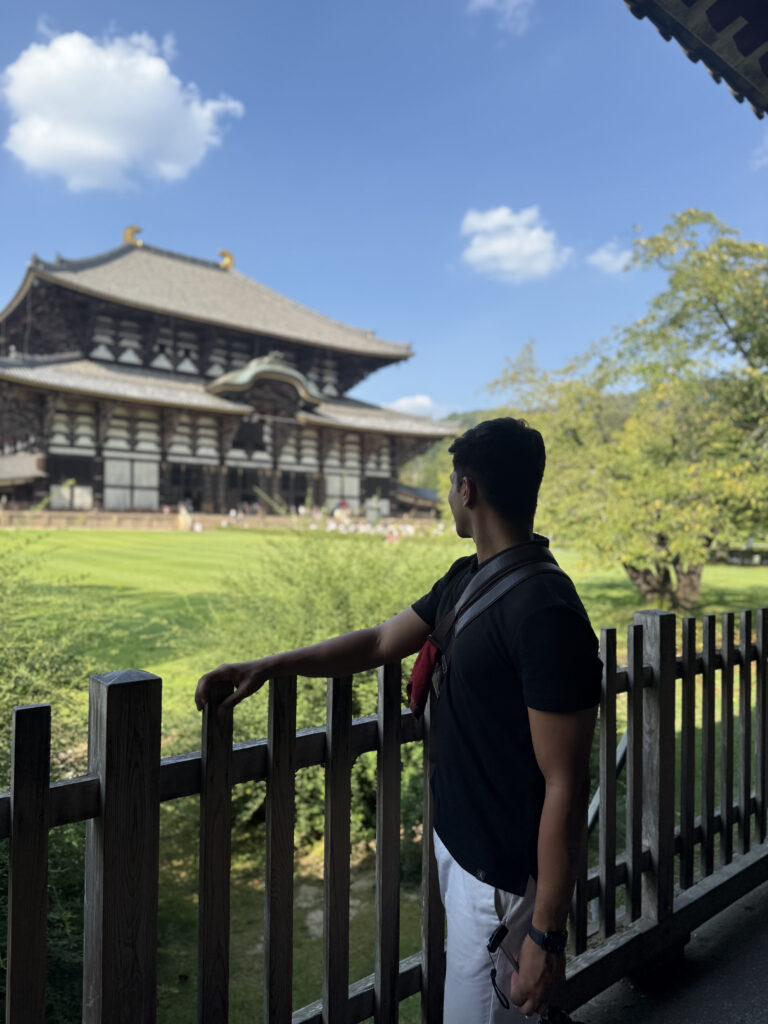
- 8:30 AM: Train to Nara (45 min)- deer feeding at Todai-ji, coin lockers at Nara Station for bags- see Nara deer guide.
- 4:00 PM: Return to Kyoto; final evening at Philosopher’s Path or Shirakawa Canal
Book your Nara guided trip from Kyoto city here.
Alternative Day 6-7: Hiroshima-Miyajima day or overnight (see WW2 tour guide) or add this wonderful –Amanohashidate & Ine no Funaya & Miyama tour
Where to Stay
Kyoto has three distinct accommodation experiences:
Ryokan (Traditional Japanese Inn) – The Kyoto Experience Traditional wooden buildings, tatami rooms, futon bedding, multi-course kaiseki dinners, in-house private or communal baths. The definitive way to stay in Kyoto.
- Budget: ¥10,000-15,000/night (basic ryokan in Kyoto suburbs)
- Mid-range: ¥18,000-35,000/night (quality in Higashiyama or Gion)
- Premium: ¥50,000-100,000+/night (Tawaraya, Hiiragiya, Gion Hatanaka)
Machiya Guesthouses (Townhouse Rentals)– Renovated traditional townhouses rented as a whole unit. Usually 2-6 people, kitchen included, excellent for vegetarians. ¥20,000-40,000/night for the whole house.
Western Hotels
- The Ritz-Carlton Kyoto: ¥60,000-120,000; overlooks Kamo River
- Hotel The Celestine Kyoto Gion: ¥25,000-40,000; boutique, Gion-adjacent
- Cross Hotel Kyoto: ¥15,000-22,000; good value, central
- APA Hotel Kyoto Ekimae: ¥8,000-13,000; budget, station-adjacent
- Piece Hostel Kyoto: ¥3,000-6,000 (dormitory); popular backpacker choice
Best Areas to Stay:
- Southern Higashiyama: Most atmospheric; walking distance to Kiyomizu-dera and Gion. Most expensive.
- Gion/Kawaramachi: Great for nightlife and restaurants.
- Kyoto Station area: Best transport hub; APA and other budget hotels; Toji easy walk.
- Arashiyama: Quietest; best if Bamboo Grove and river are your priority; far from central sites.
Costs Overview
| Item | Budget Range |
|---|---|
| Accommodation per night | ¥3,000 (hostel) to ¥100,000+ (premium ryokan) |
| Mid-range hotel / simple ryokan | ¥12,000-22,000 (~₹7,200-13,200) |
| Temple/shrine entry | ¥0-1,500 each; average ¥600 |
| 1-day bus pass | ¥700 (~₹420) |
| Lunch (set meal) | ¥900-1,800 |
| Dinner (restaurant) | ¥2,000-5,000 |
| Shojin ryori dinner | ¥4,000-8,000 |
| Cultural class (tea ceremony, ikebana etc) | ¥1,500-5,000 |
| Kimono rental | ¥3,000-6,000 |
Daily budget estimate (per person, mid-range, without accommodation): Temples + transport + meals + one activity = approximately ¥8,000-14,000/day (~₹4,800-8,400). These numbers make Kyoto one of the most cost-transparent destinations in any Kyoto guide for Indians planning a mid-budget Japan trip.
3-day per-person cost (mid-range, self-guided, excluding international travel): ¥50,000-70,000 (~₹30,000-42,000) including accommodation.
Practical Tips
1. The photography ban in Gion is real. Photographing geiko and maiko without permission is subject to fines from Kyoto city. Respect this. This is the single most overlooked practical tip in any Kyoto guide for Indians who have seen photos of geiko on Hanamikoji Street and want to replicate them.
2. Temple dress code: No formal dress code at most Kyoto temples, but be modest (no beachwear or crop tops). Cover shoulders at Shinto shrines if you’re visiting inner sanctuaries.
3. Suica IC card handles all transport. Don’t buy individual tickets.
4. Temple hopping fatigue is real. After 3-4 temples in a day, they blur. Build in market time, café stops, and walking streets between sites.
5. Morning visits are transformative. Every major site is better before 9 AM. Kinkaku-ji, Fushimi Inari, Arashiyama Bamboo Grove, all dramatically quieter before the tour buses arrive.
6. Kyoto isn’t cheap to eat. Average budget for meals runs higher than Tokyo because of the specialist cuisine culture. Budget ¥4,000-6,000/day for food if eating at restaurants.
7. Book the Kyoto Imperial Palace tour in advance. Free, but requires pre-registration at kunaicho.go.jp. Worth doing.
8. Avoid May 3-5 (Golden Week). Kyoto during Golden Week is maximum crowds and prices. Plan around it if possible.
Frequently Asked Questions
Q: How many days in Kyoto is enough? Three days covers the highlights. Five days adds depth and the sites most 3-day visitors miss. Seven days is the full experience including Ohara, Kibune, Uji, and Nara as a day trip.
Q: When is the best time to visit Kyoto? Spring (late March-early April for cherry blossoms) and autumn (late October-mid November for foliage) are the most spectacular seasons. Winter is the best value and least crowded. Summer has Gion Matsuri (July) but brutal heat.
Q: Is Kyoto or Tokyo better? They’re not competing, they’re complementary. Tokyo is modern, vast, and intense. Kyoto is historic, temple-dense, and atmospheric. Both are essential on any Japan trip; spend 3-5 days in each at minimum. You can compare the two by reading by Tokyo Guide as well.
Q: How do I get around Kyoto? City bus (1-day pass ¥700), subway, and bicycle. A Suica IC card handles all fares. Taxis are expensive but useful for early morning temple visits. Here is an option to book Wheelchair for rent.
Q: Is Kyoto vegetarian-friendly? Relative to most Japanese cities, yes. Shojin ryori (Buddhist temple food) is fully vegetarian. Nishiki Market has many veg-friendly snacks. Tofu restaurants are widespread. Specify konbu dashi (no fish broth) when ordering.
Q: What’s the most important single thing to see in Kyoto? Fushimi Inari at night (free) is the most unique experience. Philosopher’s Path in cherry blossom season is the most beautiful. Kinkaku-ji is the most iconic. Gion evening walk is the most atmospheric. If forced to choose one: Fushimi Inari at 9 PM.
Q: Is Kyoto more expensive than Tokyo? Temple entry and mid-range accommodation are similar. Premium dining (shojin ryori, kaiseki) costs more than Tokyo equivalents. Ryokan stays are significantly more expensive than equivalent Tokyo hotels.
Q: Can I do Kyoto as a day trip from Osaka? Yes, 28 minutes by JR. However, with 17 UNESCO sites and dozens of remarkable temples, Kyoto rewards multiple days. Day trips work for a first impression; they don’t work for a real experience.
Final Word
The best Kyoto guide for Indians ends with the same advice: come with more time than you think you need. Kyoto is the city most Indian travellers revisit on their second Japan trip and then plan a third trip specifically for what they missed on the second.
There’s no such thing as finishing Kyoto. The 1,600 temples and shrines aren’t a list to complete; they’re a texture to move through. The Philosopher’s Path in sakura season and the Philosopher’s Path in autumn fog are entirely different experiences. Gion at 10 PM in July during Gion Matsuri and Gion at 7 AM on a winter Sunday morning are different worlds.
Come with enough time to be surprised. Come with a budget for at least one ryokan night, one matcha ceremony, one kimono walk through the lanes, and one night at Fushimi Inari after dark.
The rest are the temples, the tofu, the speakeasy hidden in a dark staircase, the wild boar at midnight on an e-bike outside Otsu; the rest takes care of itself.
For the full Japan trip experience, read my main blog here.
Drop a comment with your favourite Kyoto moment, your best temple, or the thing you’d tell every Indian visitor to do first.