 By
By 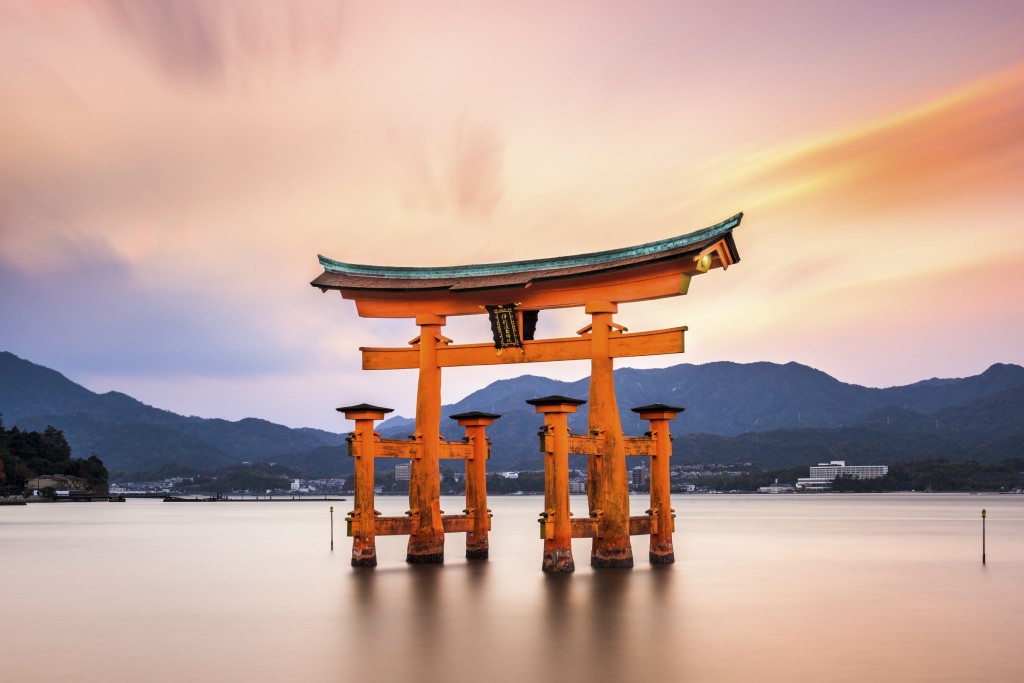
This guide to UNESCO sites Japan covers all 26 properties with entry costs, travel time, and honest advice on which ones to actually visit. Japan is one of the most UNESCO-dense countries in the world with sites spanning from ancient Buddhist temples, sacred Shinto shrines, industrial heritage, primordial forests, feudal castle towns, a bombed-out memorial, and an island forbidden to women since the 4th century.
The quality across these 26 is extraordinarily high. Several (Kyoto, Hiroshima, Himeji Castle, Nara) belong on any Japan itinerary regardless of UNESCO status. Others require significant detours or dedicated trips. A few are actively inaccessible to the general public.
This guide lists all 26 in the order UNESCO inscribed them: what it is, how to get there, what entry costs, and which type of traveller should make the journey.
If you want the full Japan trip context, read my main 10-day Japan blog here. This guide to UNESCO sites in Japan is organised chronologically by year of inscription with practical planning advice for each.
1. Buddhist Monuments in the Hōryū-ji Area (1993)
Location: Ikaruga, Nara Prefecture Why it’s UNESCO: Hōryū-ji Temple contains the world’s oldest surviving wooden structures (built 607 CE). The site’s 48 buildings represent the earliest spread of Buddhism in Japan, imported from Korea and China during the Asuka Period. How to visit: 11 min by bus from Hōryū-ji Station (JR Yamatoji Line from Nara or Osaka). An alternative to the main Nara sites, often less crowded. Entry: ¥1,500 for the main compound Time needed: 2-3 hours Best for: History enthusiasts, Buddhist culture travellers, those extending a Nara day trip. Not visually dramatic but intellectually extraordinary.
2. Himeji-jo Castle (1993)
Location: Himeji City, Hyogo Prefecture (between Kyoto and Hiroshima)
Why it’s UNESCO: Japan’s most spectacular surviving feudal castle. Built over multiple phases (1333-1609), it’s the largest and best-preserved original castle in Japan- nicknamed “White Heron Castle” for its gleaming white plastered walls. Never destroyed by war, fire, or earthquake.
How to visit: 2 hours from Osaka by Shinkansen or JR (¥2,970). 15-minute walk from Himeji Station. Easy half-day stop between Kyoto and Hiroshima.
Entry: ¥1,000 Time needed: 2-3 hours Best for: Everyone. If you can only see one Japanese castle, make it Himeji. A genuine must-see.
👉 [INSERT AFFILIATE LINK: Himeji and Hiroshima day tour via Klook]
3. Shirakami-Sanchi (1993)
Location: Aomori-Akita Prefecture border, Tohoku
Why it’s UNESCO: The world’s largest remaining virgin beech forest, approximately 130,000 hectares of ancient forest untouched since the last ice age. No roads pass through the core zone. The forest supports Japanese serow, black bears, golden eagles, and peregrine falcons.
How to visit: Base yourself in Hirosaki or Nishimeya Village. Access limited to designated hiking trails. No private vehicles in the core zone.
Entry: Free for outer trails; some inner zones require permits Time needed: Half-day hike minimum; multi-day for serious trekkers Best for: Hikers, naturalists, those combining with Aomori’s Nebuta Festival or Hirosaki Castle cherry blossoms.
4. Yakushima (1993)
Location: Yakushima Island, Kagoshima Prefecture (Kyushu)
Why it’s UNESCO: A mountainous subtropical island famous for ancient cedar trees- some over 7,000 years old. The Jomon Sugi cedar, Japan’s oldest and largest living tree, is estimated at 2,170-7,200 years old. Inspired the forest of Hayao Miyazaki’s Princess Mononoke.
How to visit: Fly Kagoshima → Yakushima (35 min) or high-speed ferry (~1h50m). Rent a car or take tour buses on the island.
Entry: Free; trekking permits ¥2,000 (Jomon Sugi trail hike, guided); day hike route separate Time needed: 2-3 days minimum Best for: Nature lovers, Ghibli fans, serious hikers. The Jomon Sugi hike is 10 hours round trip.
5. Historic Monuments of Ancient Kyoto (1994)
Location: Kyoto, Uji, and Otsu Cities, Kansai
Why it’s UNESCO: 17 temples, shrines, and castle properties representing Kyoto’s role as Japan’s imperial capital for over 1,000 years (794-1868). The designated sites include Kinkaku-ji (Golden Pavilion), Ryoan-ji, Ginkaku-ji, Nijo Castle, Kiyomizu-dera, Fushimi Inari Taisha, and Byodo-in (Uji), among others. The Historic Monuments of Ancient Kyoto are the most visited UNESCO sites in Japan for Indians and require no special planning to include.
How to visit: Kyoto is 2h15m from Tokyo by Shinkansen. The 17 sites are spread across the city- use day buses or IC card + subway.
Entry: ¥500-1,500 per site; most are individually paid Time needed: 3-5 days minimum to cover the key sites Best for: All travellers. This is Japan’s essential cultural destination. See [Tokyo neighbourhoods guide] for accommodation strategy if Kyoto is your base.
6. Historic Villages of Shirakawa-go and Gokayama (1995)
Location: Gifu and Toyama Prefectures, Central Japan Alps
Why it’s UNESCO: Traditional thatched farmhouses in the gasshō-zukuri (“hands in prayer”) architectural style, designed to bear extremely heavy mountain snowfall. Some buildings are 300 years old and still inhabited.
How to visit: Shirakawa-go is 1.5 hours from Nagoya or Kanazawa by highway bus. Gokayama requires further 30-40 min. Best combined with Kanazawa or Takayama.
Entry: Village access free; individual farmhouse museums ¥300-600 Time needed: Half-day (Shirakawa-go) to full day Best for: Architecture enthusiasts, off-the-beaten-path travellers. Spectacular in winter snow. See [Japan festivals guide] for the winter light-up events.
7. Hiroshima Peace Memorial (Genbaku Dome) (1996)
Location: Hiroshima City, Hiroshima Prefecture
Why it’s UNESCO: The skeletal ruin of the Prefectural Industrial Promotion Hall, the building directly beneath the atomic bomb detonation on August 6, 1945. The only structure left standing near the hypocenter. Now permanently preserved as a memorial to the world’s first nuclear attack and a symbol of peace.
How to visit: Hiroshima is 90 min from Osaka by Shinkansen (Nozomi). The dome is a 15-minute tram ride from Hiroshima Station.
Entry: Free (exterior); Peace Memorial Museum ¥200 Time needed: 3-4 hours including the museum and Peace Park Best for: All travellers. One of the most moving sites in the world. This is the UNESCO site in Japan most Indian travellers find the hardest to prepare for emotionally. Non-negotiable if you’re in western Japan.
8. Itsukushima Shinto Shrine (1996)
Location: Miyajima Island, Hiroshima Prefecture
Why it’s UNESCO: The vermilion torii gate of Itsukushima Shrine appears to float above the sea at high tide, one of Japan’s three most scenic views. The shrine itself was built over the water in the 12th century. Sacred deer roam the island freely.
How to visit: 25-minute ferry from Hiroshima (JR ferry included in JR Pass). Typically combined with Hiroshima/Genbaku Dome visit.
Entry: ¥300 for the shrine Time needed: 3-4 hours on the island Best for: Everyone. The high-tide torii shot is genuinely among the most beautiful images in Japan. Visit at both high tide (dramatic gate) and low tide (walk to the gate). Check tide tables before going.
9. Historic Monuments of Ancient Nara (1998)
Location: Nara City, Nara Prefecture
Why it’s UNESCO: Eight properties representing Japan’s brief first permanent capital (710-794 CE). The UNESCO designation covers Todai-ji Temple (Great Buddha Hall, world’s largest wooden building), Kasuga Taisha Shrine, Kofuku-ji Temple, Gango-ji, Yakushi-ji, Toshodai-ji, the Heijo Palace ruins, and Kasugayama Primeval Forest.
How to visit: 45 minutes from Kyoto or Osaka by express train. Easy day trip; even easier as a transit stop. See [Nara deer blog] for the full deer + temple experience.
Entry: ¥600 for Todai-ji; others ¥300-800 Time needed: Full day to see multiple sites; Todai-ji + deer park = 3-4 hours minimum Best for: All travellers. The free-roaming deer + monumental bronze Buddha = one of Japan’s best single days.
10. Shrines and Temples of Nikko (1999)
Location: Nikko City, Tochigi Prefecture, north of Tokyo
Why it’s UNESCO: An extraordinarily ornate complex of Shinto shrines and Buddhist temples in a mountain cedar forest, built to enshrine Tokugawa Ieyasu (founder of the Edo shogunate). The Yomeimon Gate, covered in 508 intricate carvings of flowers, birds, and mythological creatures, is considered Japan’s most elaborate gate.
How to visit: 2 hours from Tokyo’s Asakusa Station by Tobu Nikko Line (¥1,390). Day trip from Tokyo; or 1-night stay.
Entry: ¥1,300 for the main shrine complex Time needed: Full day Best for: Those interested in Edo-period architecture and ornamental craft. Very different from austere Kyoto temples, opulent, colourful, exceptional.
11. Gusuku Sites and Related Properties of the Kingdom of Ryukyu (2000)
Location: Okinawa Prefecture
Why it’s UNESCO: Nine castle ruins (gusuku) and related sites representing the independent Ryukyu Kingdom (1429-1879). Shuri Castle in Naha was the kingdom’s political and cultural centre; though destroyed in WWII and currently under reconstruction (burned 2019, phased reopening ongoing).
How to visit: The main sites are spread across Okinawa Main Island. Shuri Castle is 15 min by monorail from Naha Airport. Other sites require car or bus. See [Okinawa guide].
Entry: Most sites free; Shuri Castle outer grounds free; inner areas ¥400-600 when fully open Time needed: 2-3 hours for Shuri Castle; full day for multiple sites Best for: History-oriented travellers visiting Okinawa; those interested in non-mainland Japanese culture.
12. Sacred Sites and Pilgrimage Routes in the Kii Mountain Range (2004)
Location: Wakayama, Mie, and Nara Prefectures
Why it’s UNESCO: The spiritual heartland of Japan, 1,200 years of Buddhist and Shinto pilgrimage routes converging on three sacred sites: Yoshino-Omine (mountain asceticism), Koyasan (Shingon Buddhism headquarters), and Kumano Sanzan (the three Grand Shrines of Kumano). The Kumano Kodo pilgrimage trails are one of the world’s great long-distance spiritual walks.
How to visit: Koyasan (Mount Koya) is 1.5 hours from Osaka by cable car. Kumano is further. Best as a 2-3 day dedicated circuit.
Entry: Koyasan lodging-and-temple packages; individual temple entry ¥500-1,000 Time needed: 2-4 days for meaningful exploration Best for: Spiritual travellers, hikers, those who want the authentic Japanese pilgrim experience. Koyasan overnight in a temple monastery is transformative.
13. Shiretoko (2005)
Location: Shiretoko Peninsula, Hokkaido
Why it’s UNESCO: Japan’s most remote UNESCO natural site, a wild northeastern Hokkaido peninsula jutting into the Okhotsk Sea, home to brown bears, Blakiston’s fish owls (rarest owl in Japan), Steller sea eagles, sea otters, and drift ice in winter. The ecosystem is extraordinary, and most of it is inaccessible except by boat or on foot.
How to visit: Fly from Sapporo to Memanbetsu Airport (~1h), then drive 1.5 hours. Tours from Utoro Village.
Entry: Protected area; guided tours from ¥5,000-12,000 Time needed: 2-3 days minimum Best for: Serious naturalists, wildlife photographers, Hokkaido enthusiasts. Not for casual tourists seeking easy access.
14. Iwami Ginzan Silver Mine and Its Cultural Landscape (2007)
Location: Oda City, Shimane Prefecture, western Honshu
Why it’s UNESCO: Japan’s most important silver mine from the 16th-17th centuries, producing one-third of the world’s silver at its peak. The site includes preserved tunnels, smelting facilities, and the historic transport roads that carried silver to the coast.
How to visit: Relatively remote, 1.5 hours by bus from Matsue or Hiroshima by car. Not on major rail lines. Best with a rental car.
Entry: Mine tunnels ¥500; some sites free Time needed: Half-day to full day Best for: History and industrial heritage enthusiasts. Pairs well with Matsue or Hiroshima. Undervisited, authentically quiet.
15. Hiraizumi- Temples, Gardens and Archaeological Sites (2011)
Location: Hiraizumi Town, Iwate Prefecture, Tohoku
Why it’s UNESCO: The political and religious centre of the Fujiwara clan in the 12th century, briefly Japan’s second-largest city. Chuson-ji Temple contains the Konjikido (Gold Hall), a single chamber covered entirely in gold leaf, housing the mummified remains of three Fujiwara lords.
How to visit: Shinkansen from Tokyo to Ichinoseki (~2h15m, ¥14,000), then local train 7 min to Hiraizumi.
Entry: ¥800 for Chuson-ji (includes the Konjikido) Time needed: Half-day Best for: History travellers, those exploring Tohoku. The Gold Hall is genuinely spectacular. Often overlooked, shouldn’t be.
16. Ogasawara Islands (2011)
Location: 1,000 km south of Tokyo in the Pacific Ocean
Why it’s UNESCO: A volcanic archipelago of ~30 islands, uninhabited until 1830, with extraordinary endemic biodiversity- called “the Galápagos of the Orient.” Over 195 endemic plant species and unique animal life including the Bonin flying fox and various rare bird species.
How to visit: Only by a 25-hour ferry from Tokyo’s Takeshiba Pier (¥24,000-50,000 return). No airport. The ferry runs 2 times per month. Minimum stay 6-7 days.
Entry: Island access free; activities and tours from ¥3,000+
Best for: Committed eco-travellers and divers only. Not a casual visit, the 25-hour ferry is the full commitment. Extraordinary for those who make it.
17. Fujisan, Sacred Place and Source of Artistic Inspiration (2013)
Location: Yamanashi and Shizuoka Prefectures
Why it’s UNESCO: Japan’s most iconic mountain, an active stratovolcano at 3,776m, sacred to Shinto belief, and the most depicted subject in Japanese art (Hokusai’s Thirty-Six Views of Mount Fuji). Designated as a Cultural (not Natural) World Heritage Site for its role in Japanese spirituality and artistic tradition.
How to visit: Kawaguchiko (Fuji Five Lakes) is 1h45m from Shinjuku by bus. Climbing season July 1-Sept 10, with ¥4,000 mandatory fee and pre-registration required. See [full Mt Fuji guide].
Entry: Fuji Five Lakes area free; climbing fee ¥4,000 Best for: All travellers for viewing; serious hikers for climbing. One of the world’s great mountain experiences. Fujisan is the UNESCO site in Japan for Indians that most dramatically changes how you understand the country.
18. Tomioka Silk Mill and Related Sites (2014)
Location: Tomioka City, Gunma Prefecture
Why it’s UNESCO: Japan’s first modern silk mill (1872), built with French technology as part of the Meiji government’s industrialisation drive. The main mill building is a pioneering example of French industrial architecture transplanted to Japan.
How to visit: 1.5 hours from Tokyo’s Ueno Station by Shinkansen to Annaka-Haruna + bus. Or 2.5 hours by local train from Shinjuku via Takasaki.
Entry: ¥1,000 for the main mill; related sites ¥300-700 each Time needed: 2-3 hours Best for: Industrial heritage enthusiasts, textile history travellers. Relatively easy day trip from Tokyo if you’re interested in Meiji-era industrialisation.
19. Sites of Japan’s Meiji Industrial Revolution (2015)
Location: 11 locations across Kyushu, Yamaguchi, Iwate, and Shizuoka
Why it’s UNESCO: 23 industrial sites documenting Japan’s extraordinary 50-year transformation from feudal society to industrial power (1850s-1910s): shipyards, steel mills, coal mines, and ironworks. Includes Hashima Island (Battleship Island) off Nagasaki, an abandoned mining island immortalised in Skyfall.
How to visit: Scattered across multiple prefectures. Hashima Island is the most compelling, boat tours from Nagasaki ¥4,000-5,000, 30-40 min. Yawata Steel (Kitakyushu) and other sites are individually accessible.
Entry: Varies by site; Hashima ¥3,800-5,000 including boat Best for: History, industrial archaeology, and Skyfall fans. The abandoned city of Hashima is unforgettable.
20. The Architectural Work of Le Corbusier (2016), Japan Component
Location: Taito Ward, Tokyo (Ueno)
Why it’s UNESCO: Part of a transboundary site spanning 7 countries with 17 buildings. Japan’s sole contribution is the National Museum of Western Art (Kokuritu Seiyo Bijutsukan) in Ueno Park, designed by Le Corbusier in 1959 as a gift to Japan from France is one of his rare works outside Europe.
How to visit: 5 minutes from Ueno Station; in the same park as Tokyo National Museum. Entry by museum admission.
Entry: ¥500 (permanent collection); special exhibitions extra Time needed: 1-2 hours (combine with Ueno Park day) Best for: Architecture enthusiasts, art lovers already visiting Ueno. Excellent value; often missed by tourists who go straight to Senso-ji from Ueno.
21. Sacred Island of Okinoshima and Associated Sites in the Munakata Region (2017)
Location: Fukuoka Prefecture, Kyushu + Genkai Sea
Why it’s UNESCO: Okinoshima Island has been a site of Shinto ritual offerings since the 4th century, a sacred island where nothing may be removed, and women have never been permitted to set foot. Today, even men may only visit once per year on May 27. The 80,000+ artefacts recovered from the island are designated national treasures.
How to visit: Okinoshima Island itself is effectively closed to general tourists. The mainland Munakata Grand Shrine (Miyajidake Shrine area) is accessible by train from Fukuoka.
Entry: Mainland sites free-¥500 Best for: Shinto and cultural heritage specialists. The island itself is inaccessible; the mainland shrines are rewarding.
22. Hidden Christian Sites in the Nagasaki Region (2018)
Location: Nagasaki Prefecture and Amakusa Island, Kyushu
Why it’s UNESCO: 12 sites documenting Japan’s “Hidden Christians”, communities who secretly practised Christianity through 250 years of Tokugawa-era prohibition (1600s-1850s). Includes the spectacular Oura Cathedral in Nagasaki (Japan’s oldest Gothic church), the remote Sotome Coast village churches, and the island churches of Goto and Amakusa.
How to visit: Oura Cathedral is a 10-minute walk from Nagasaki’s famous Glover Garden. The remote island churches require ferries or rental cars.
Entry: Oura Cathedral ¥1,000; most sites free Time needed: Nagasaki alone is 1-2 days; island churches require separate trips Best for: Religious and cultural history travellers; those drawn to stories of resistance and hidden devotion.
23. Mozu-Furuichi Kofun Group: Mounded Tombs of Ancient Japan (2019)
Location: Sakai City (Mozu) and Habikino/Fujiidera Cities (Furuichi), Osaka Prefecture
Why it’s UNESCO: 49 burial mounds (kofun) built for the powerful rulers of the Yamato period (3rd-6th centuries CE). The Daisen Kofun (Emperor Nintoku’s tomb) is the world’s largest burial monument by land area, larger than the Great Pyramid of Giza. The keyhole-shaped mounds are best seen from above (helicopter or nearby observation point).
How to visit: Daisen Kofun is in Sakai is 30 min from Osaka’s Namba Station by train.
Entry: Exterior moat walk free; tomb itself restricted (imperial property) Time needed: 1-2 hours Best for: Ancient history enthusiasts. Visually abstract from the ground, an aerial view is essential to appreciate the scale.
24. Amami-Oshima, Tokunoshima, Northern Okinawa, and Iriomote Island (2021)
Location: Kagoshima Prefecture (Amami, Tokunoshima) and Okinawa Prefecture (Iriomote)
Why it’s UNESCO: Four subtropical island areas with extraordinary biodiversity, home to the Amami rabbit (found nowhere else on earth), Iriomote cat (wildcat population ~100-300 animals), Okinawa woodpecker, and dugong. Together covering the most biodiverse subtropical rainforest zone in Japan.
How to visit: Amami Oshima: 75-min flight from Osaka or Tokyo. Iriomote: ferry from Ishigaki, covered in [Okinawa guide].
Entry: National park areas free; some nature activities require guided tours ¥3,000-8,000 Best for: Naturalists, wildlife enthusiasts, eco-travellers. Iriomote is the most accessible of the four.
25. Jōmon Prehistoric Sites in Northern Japan (2021)
Location: 17 sites across Hokkaido, Aomori, Iwate, and Akita Prefectures
Why it’s UNESCO: Represents the 10,000-year Jōmon period (Japan’s Neolithic era, c.14,000-300 BCE), one of the world’s longest continuous sedentary cultures. The sites include the Sannai Maruyama settlement (Aomori) is Japan’s largest Jōmon village with a reconstructed six-pillared watchtower and the mysterious Oyu Stone Circles (Akita).
How to visit: Sannai Maruyama is 20 min by bus from Aomori Station. Oyu Stone Circles are near Kazuno City in Akita, 2-3 hours from Aomori.
Entry: Most sites free; Sannai Maruyama museum ¥310 Best for: Archaeology and prehistoric Japan enthusiasts. Often combined with Shirakami-Sanchi or Aomori’s Nebuta Festival.
26. Sado Island Gold Mines (2024) are Japan’s Newest UNESCO Site
Location: Sado Island, Niigata Prefecture
Why it’s UNESCO: Japan’s most productive gold mine, operational from 1601 to 1989 (388 years). At peak production, Sado generated one-third of Japan’s gold. The site includes Edo-period hand-dug tunnels, mechanised Showa-era passages, smelting ruins, and the Doyu no Warito, a dramatic V-shaped valley carved entirely by hand into a mountain.
How to visit: Train to Niigata (~2h from Tokyo by Shinkansen), then jetfoil ferry to Sado Island (67 min, ~¥3,000 one-way). Rent a car at the port, buses are infrequent.
Entry: ¥1,500 combined (Sohdayu + Doyu tunnels) Time needed: Full day; overnight recommended Best for: Industrial history and World Heritage completists. The newest addition; growing in popularity. Combine with Niigata’s famous sake culture.
How to Plan UNESCO Sites in Japan for Indians: A Practical Tier Guide
Sites You Can Cover in a Standard Itinerary
The following are easy to include in a standard 10-day Tokyo → Kyoto → Nara → Osaka trip, no extra planning required:
- Himeji Castle: en route between Kyoto and Hiroshima
- Historic Monuments of Ancient Kyoto: the reason most people visit Kyoto
- Hiroshima Peace Memorial + Itsukushima: done together as one day (Hiroshima then Miyajima)
- Historic Monuments of Ancient Nara: easy day trip from Kyoto or Osaka
- Fujisan: day trip from Tokyo
These are the UNESCO sites in Japan that any Indian traveller planning a 10-day trip will cover automatically.
Sites Requiring a Dedicated Side Trip
These need planning but are manageable within a 12-15 day Japan trip:
- Nikko: 2 hours from Tokyo; excellent day trip
- Shirakawa-go: half-day from Takayama or Kanazawa; one of Japan’s most photogenic villages
- Hōryū-ji: within Nara area; easily added to Nara day
- Kii Mountain Range (Koyasan): 1.5 hours from Osaka; overnight temple stay is one of Japan’s best experiences
- Tomioka Silk Mill: half-day from Tokyo
- Mozu Kofun: half-day from Osaka
Sites Requiring Dedicated Trips (Beyond Standard Itinerary)
These are full-journey destinations requiring significant planning:
- Yakushima: fly to Kagoshima, then ferry; 2-3 days minimum
- Shiretoko: eastern Hokkaido; 2-3 days; fly to Memanbetsu from Sapporo
- Hiraizumi: Tohoku; worthwhile if combining with Aomori/Nebuta or Sendai
- Hidden Christian Sites (Nagasaki): Nagasaki is worth 2-3 days regardless
- Iwami Ginzan Silver Mine: western Honshu; dedicated trip or road trip
- Sado Island Gold Mines: ferry from Niigata; 1-2 day trip
- Jōmon Sites: Aomori/Hokkaido; pairs with Sapporo Snow Festival or Shirakami
Sites That Are Genuinely Remote or Restricted
These require the most planning or are partially inaccessible:
- Shirakami-Sanchi: no roads through the core; guided hiking only
- Ogasawara Islands: 25-hour ferry; minimum 6-7 day commitment; no airport
- Okinoshima: island itself effectively closed; mainland shrines accessible
- Amami-Oshima/Iriomote biodiversity group: covered in [Okinawa guide] and [skiing guide] for the Amami islands
UNESCO Sites Japan Cost Summary: What Each Property Actually Costs
| Category | Typical Entry Range |
|---|---|
| Free / voluntary donation | Fushimi Inari, Genbaku Dome exterior, kofun exterior, Aokigahara/Shirakami trail access |
| ¥300-600 (~₹180-360) | Nara sites, Itsukushima Shrine, Ueno Le Corbusier museum |
| ¥800-1,200 (~₹480-720) | Himeji Castle (¥1,000), Hiraizumi Chuson-ji (¥800), Shuri Castle (varies) |
| ¥1,000-1,500 (~₹600-900) | Oura Cathedral, Tomioka Silk Mill, Sado tunnels (¥1,500) |
| ¥1,500-5,000 (~₹900-3,000) | Hashima Island boat (¥3,800-5,000), Yakushima guided hikes, guided onsen/mountain tours |
Most UNESCO sites in Japan are extraordinarily affordable- ¥1,000 or less for some of the world’s most important cultural monuments. The real cost is transport, especially for the remote natural sites.
Frequently Asked Questions
Q: How many UNESCO World Heritage Sites does Japan have in 2026? Japan has 26 UNESCO World Heritage Sites, a mix of cultural and natural sites recognised between 1993 and 2024.
Q: Which is Japan’s newest UNESCO site? The Sado Island Gold Mines, inscribed in July 2024, Japan’s most productive historical gold mine, operational from 1601 to 1989.
Q: Which UNESCO sites in Japan can be visited as a day trip from Tokyo? Nikko, Tomioka Silk Mill, and Fujisan (Kawaguchiko) are easy day trips. Hiroshima (Genbaku Dome + Itsukushima) works as an overnight from Kyoto or Osaka.
Q: Which Japanese UNESCO sites are most important for a first-time visitor? The top priorities: Historic Kyoto (multiple sites in one city), Himeji Castle, Hiroshima Peace Memorial + Itsukushima, Ancient Nara, and Fujisan. These alone are worth 2 full weeks.
Q: Can I visit the sacred island of Okinoshima? No, the island has been restricted to a once-annual visit by men only since ancient times. The mainland Munakata Shrines are accessible.
Q: Is the Ogasawara Islands UNESCO site worth visiting? For dedicated eco-travellers and divers willing to commit to the 25-hour ferry: yes, extraordinary. For casual tourists: the logistics make it impractical on a standard Japan trip.
Q: Does the Kyoto UNESCO designation cover all famous temples? No, only 17 specific sites are UNESCO-listed. Many famous Kyoto temples (Gion, Nishiki Market, Arashiyama) are not individually UNESCO-listed but are part of the broader cultural landscape.
Final Word
Japan’s 26 UNESCO sites cover every dimension of what makes visiting Japan such an extraordinary experience: its spiritual architecture, its natural wilderness, its industrial heritage, its ancient history, its painful modern memory. No other country of Japan’s size packs this variety into its heritage listing.
For Indian travellers, the practical takeaway: at least 5-6 of these sites will appear in any competent Japan itinerary automatically. Kyoto, Nara, Hiroshima, Miyajima, Himeji, and Fujisan require no special detour. Beyond those, adding Nikko, Shirakawa-go, Koyasan, or Nagasaki transforms a standard Japan trip into something genuinely world-class.
Start with the obvious ones. Plan for one or two special detours. Leave the Ogasawara Islands for the trip when you have three weeks.
For the full Japan trip experience, read my main blog here.