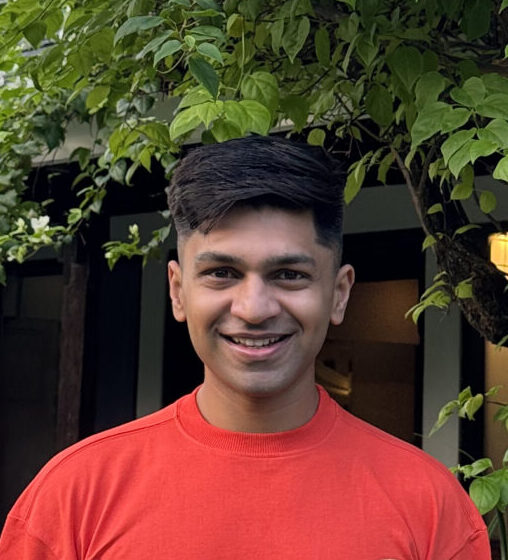
 By Tarang Bansal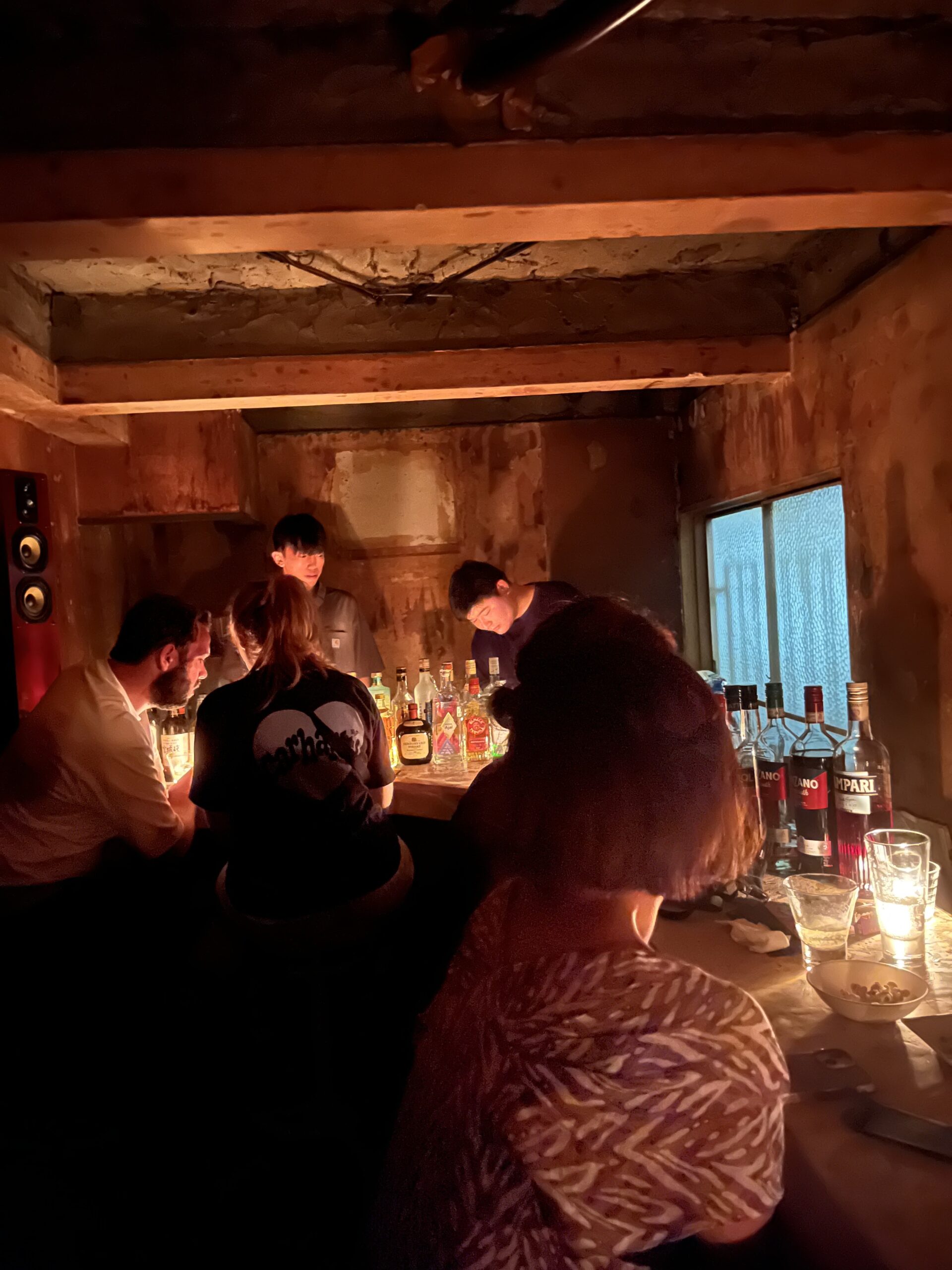
Looking for hidden bars in Kyoto that most tourists never find?
I was standing in an alley off an alley in central Kyoto, looking up at a black industrial building that had no signs, no lighting, and no obvious entrance. It was 11 PM. Google Maps insisted this was the right spot. My four friends were behind me, equally confused. We’d been wandering for fifteen minutes already.
There was a coffee shop on the ground floor, Elephant Factory Coffee, but it was long closed. Above it, three floors of dark windows. No “Bar” sign. No music spilling out. No queue.
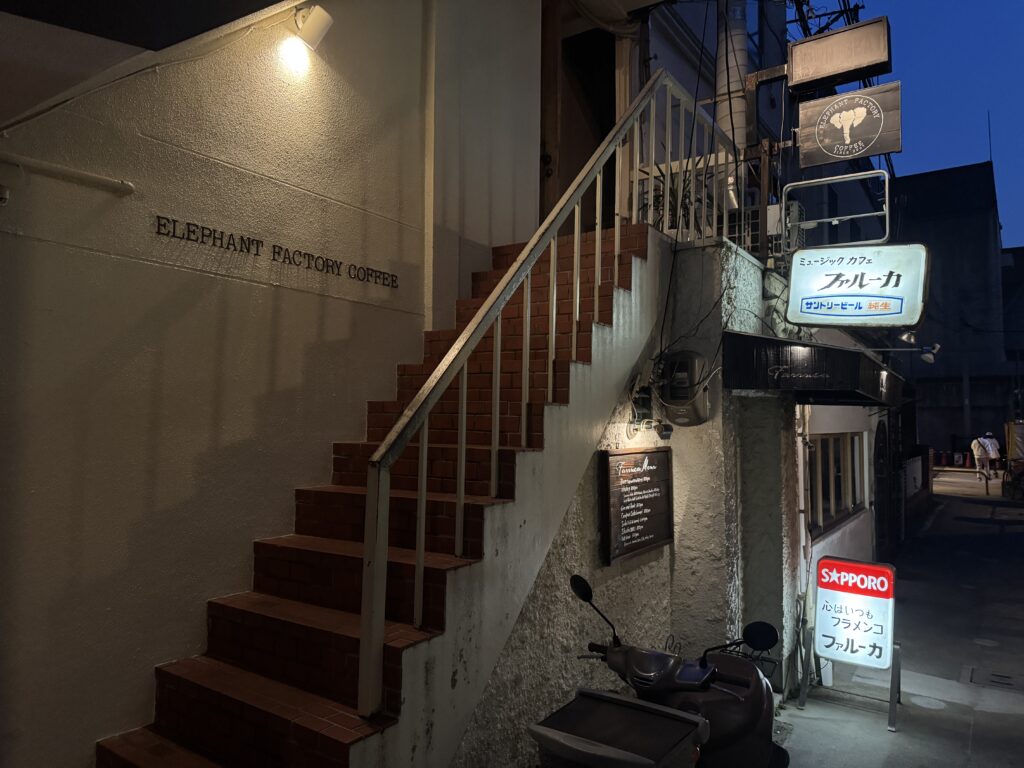
Then I noticed the door. Plain. Unmarked. Slightly ajar. A staircase behind it disappearing into pitch dark.
We climbed two flights up, hesitating at every landing, half-expecting to walk into someone’s apartment. At the top, another unmarked door. I pushed it open.
What I saw on the other side became one of the most memorable +5 experiences of my entire Japan trip.
This is the story of finding Kazubar, Kyoto’s most hidden speakeasy is the one with no signboard, no menu, no proper English, two bartenders who read your mood like tarot cards, and the best cocktails I’ve had in my life at just ₹500.
If you want the full Japan trip context, read my main 10-day Japan blog here. This post is a focused walkthrough of Kyoto’s most magical bar.
What Is Kazubar & Why Most Will Never Find in List of Hidden Bars Kyoto
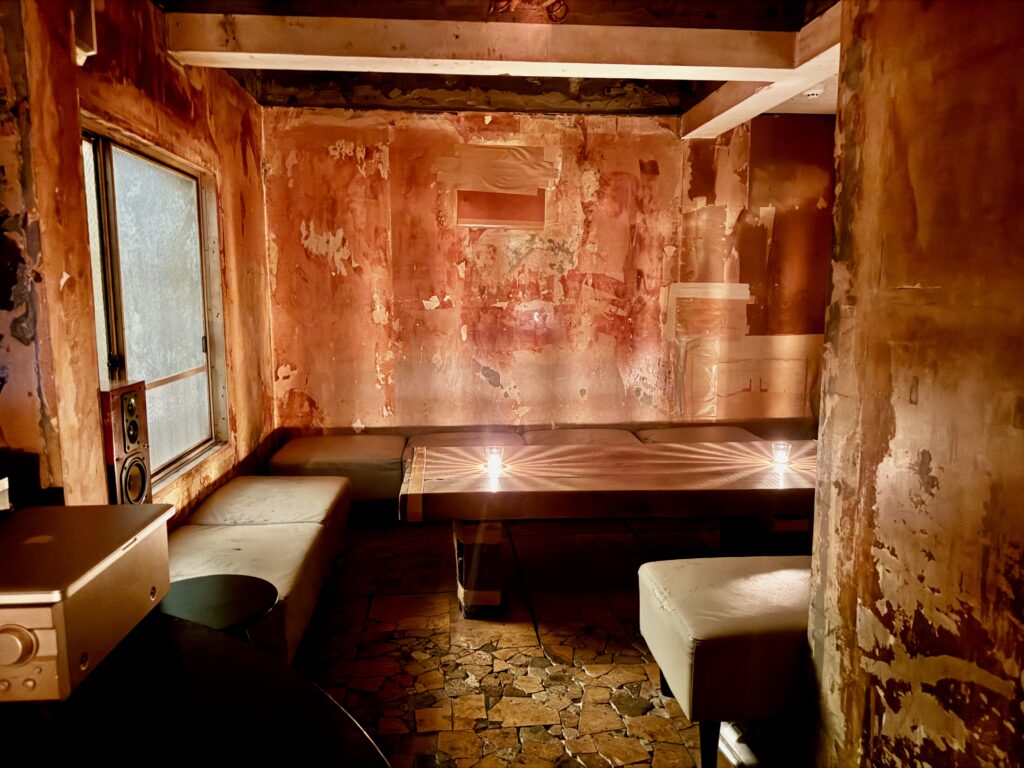
Kazubar is a tiny candlelit cocktail bar on the third floor above Elephant Factory Coffee in Kyoto’s Nakagyo ward. The bar takes its name from its owner, Kazu, who has been quietly running this space for over a decade. It has no signboard. No website. No social media presence. The only menu is whatever the bartender feels like making for you basis what you tell him.
It is, by every standard travel-content metric, a place that shouldn’t exist anymore. A hidden bar that resists Google indexing in 2026 should be impossible. And yet here it is- kept alive by word of mouth, candlelit reviews, and the kind of travellers who follow obscure links from speakeasy forums. Kazubar sits at the very top of any honest list of hidden bars in Kyoto, and has for over a decade.
If you weren’t told about Kazubar, you’d never find it. Even with directions, you’ll walk past it twice. That’s the point.
Kyoto is a lovely city/town and there is so much to do and explore. See my complete Kyoto Guide.
The Search: Finding Kazubar Without Losing Your Mind
Here’s exactly how to find it, because I lost 15 minutes the first time and I want to save you the wandering:
Step 1: On Google Maps, search for “kazubar” (lowercase, one word). You’ll get a pin at 309-4 Bizenjimacho, Nakagyo Ward, Kyoto 604-8023. Some Maps entries also list the bar; some only show Elephant Factory Coffee. Either pin works.
Step 2: Walk into the alley. Kazubar is buried in Kyoto’s Kawaramachi area, in a small back-lane structure off the main commercial drag. The alley itself is nondescript with small offices, an art space or two, the closed coffee shop on the ground floor.
Step 3: Find the building marked HK Building (HKビル on the Japanese signage). The ground floor will have Elephant Factory Coffee is your visual anchor. If the coffee shop is closed (which it will be, since Kazubar opens at 8 PM), look for its sign anyway.
Step 4: Find the unmarked door to the right or side of the coffee shop entrance. A small, dark door, easily mistaken for a service entrance. Push it open.
Step 5: Climb the stairs. Two full flights. The stairwell is dim, sometimes dark. There may be a faint musical thump from above. There will be no signs telling you you’re going to a bar.
Step 6: At the third floor, you’ll see another unmarked door. Push it open.
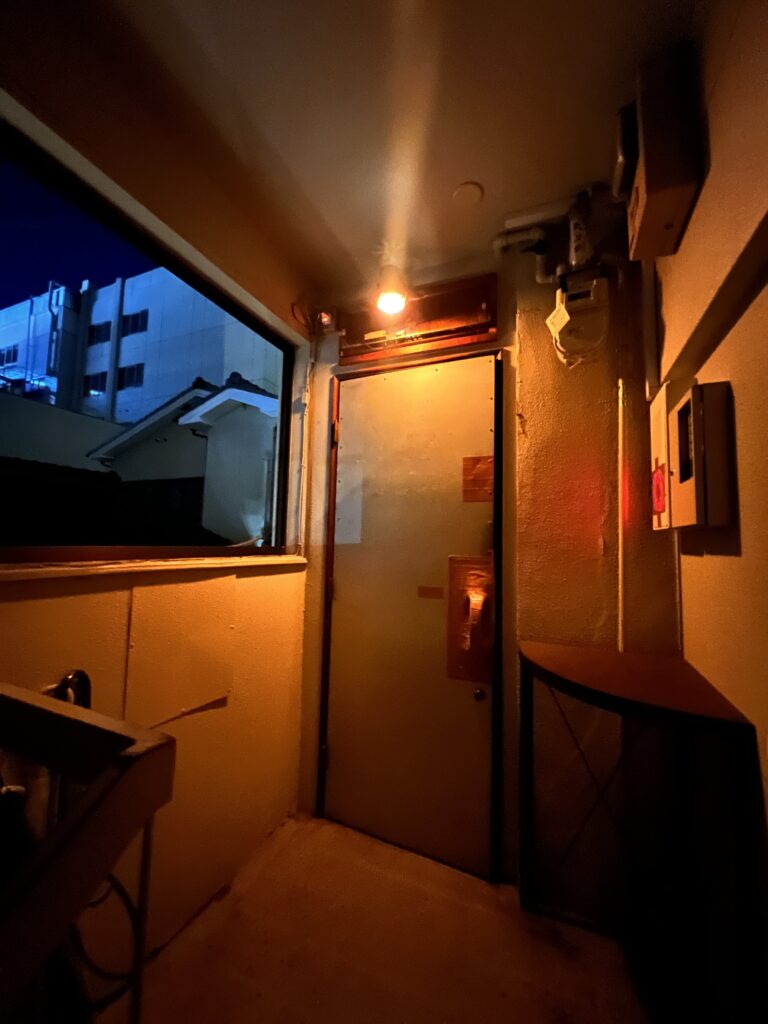
That’s Kazubar.
One review on Google Maps, written by a traveler named Will L., put it perfectly: “Find the Elephant Factory Coffee marker on Google Maps and follow your ears.” That’s genuinely the most accurate direction I can give you. Some nights you’ll hear electronic music from the staircase. Other nights, just silence. Trust the address. Climb the stairs. Open the door.
What’s Inside: Five Tea Lights and Two Strangers Who Run the Whole Show
The first thing you notice is that the room is dark.
Not dim. Dark.
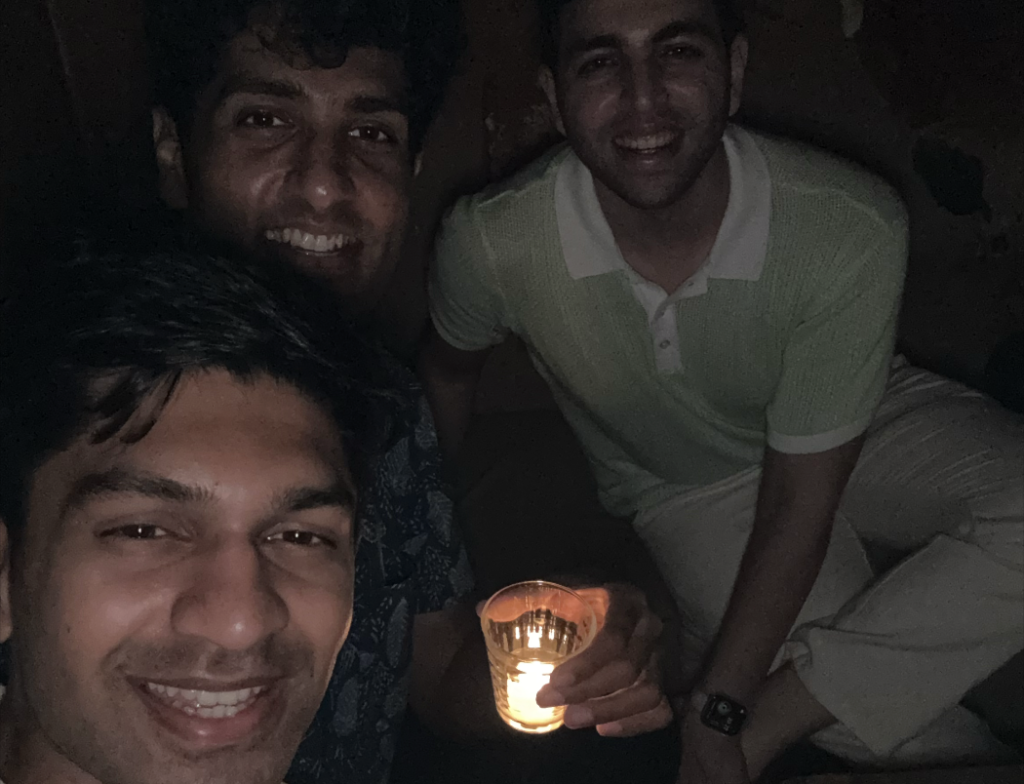
The entire bar is lit by five tea-light candles. There are no overhead lights. No spotlights. No neon. Just five flickering points of orange, casting long shadows across the wooden bar, the brick walls, the vinyl player in the corner, and the silhouettes of the patrons.
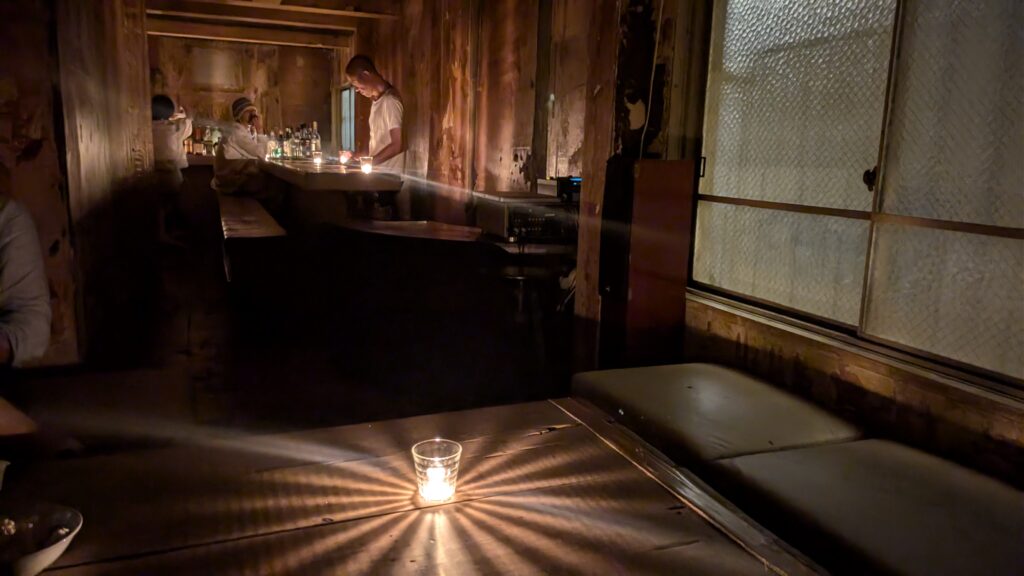
The space itself is small, maybe 15 seats total, including the bar counter and a two tables. The decor is industrial-meets-cozy: exposed brick, mismatched furniture, vintage furnishings, vinyl records on the walls. One review I read after our visit described it as “like entering someone’s empty house at 2 AM,” which is exactly right.
The second thing you notice: there are only two people running the entire bar. Two bartenders. Both Japanese. Neither speaks more than basic English, maybe a dozen words. They handle everything: greeting customers, taking orders, mixing drinks, washing glasses, playing the music, refilling the candles. There’s no waitstaff. No support team. No kitchen. Just them.
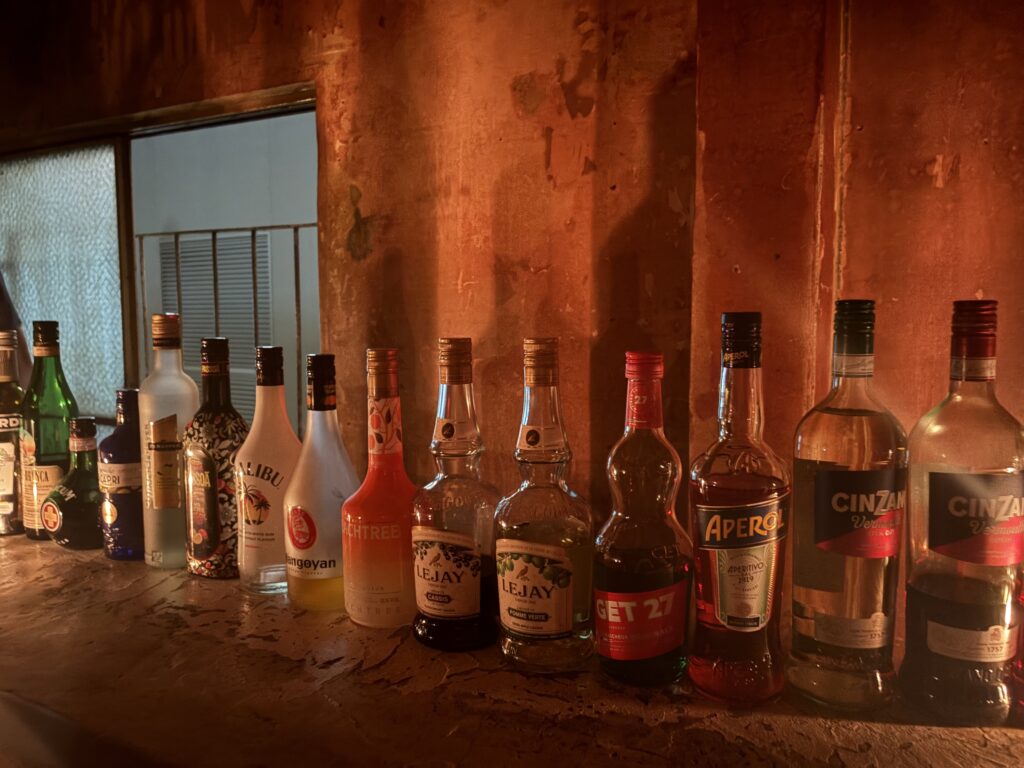
There is also no menu. There is no whiteboard with cocktail names. There is no laminated card. The wall behind the bar has bottles of whisky, vodka, gin, sake, rum, vermouths, bitters, but you cannot order from them in any organized way.
So how do you order at Kazubar?
You wait for the bartender to walk over, smile, and gently ask:
“What kind of drink you want tonight?”
The Bartender Game: 20+ Drinks, 0 Menu, 100% Bullseye
This is the part of Kazubar that makes it unforgettable.
When the bartender asked us what we wanted, we instinctively defaulted to “uhh, a vodka cocktail?” He smiled politely, raised an eyebrow, and waited. So we tried again, more thoughtfully.
“Something floral. Light. Fresh. With fruit.”
He nodded once, turned around, and got to work. Forty-five seconds later, a glass appeared in front of us, pale pink, with a single edible flower floating on top, citrus on the rim, a slight gin backbone. Perfect.
Encouraged, we got bolder. “Something dark. Whisky-based. Smoky. Like a cold winter night.”
Another thirty seconds. Another perfect drink.
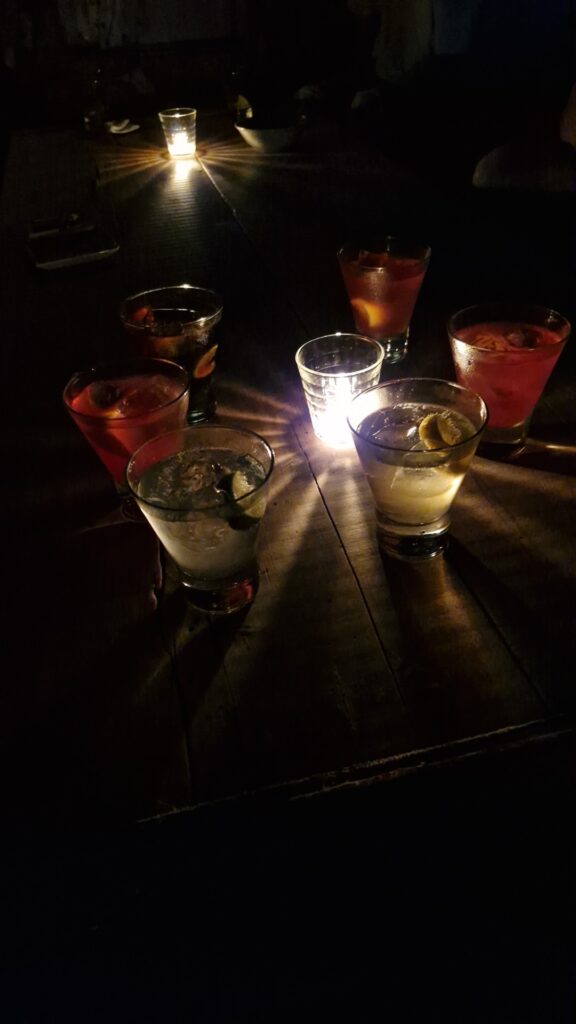
Over the next few hours, the five of us ordered more than twenty cocktails between us. Each request more specific and more bizarre than the last:
- “Something that tastes like Kyoto in autumn.”
- “Something a girl would order on a first date she’s nervous about.”
- “Surprise us. Whatever you’d drink right now.”
- “Something tropical. Pretend we’re on a beach in Goa.”
- “Something bitter. A drink for someone who just got fired.”
- “Something that tastes like 3 AM.”
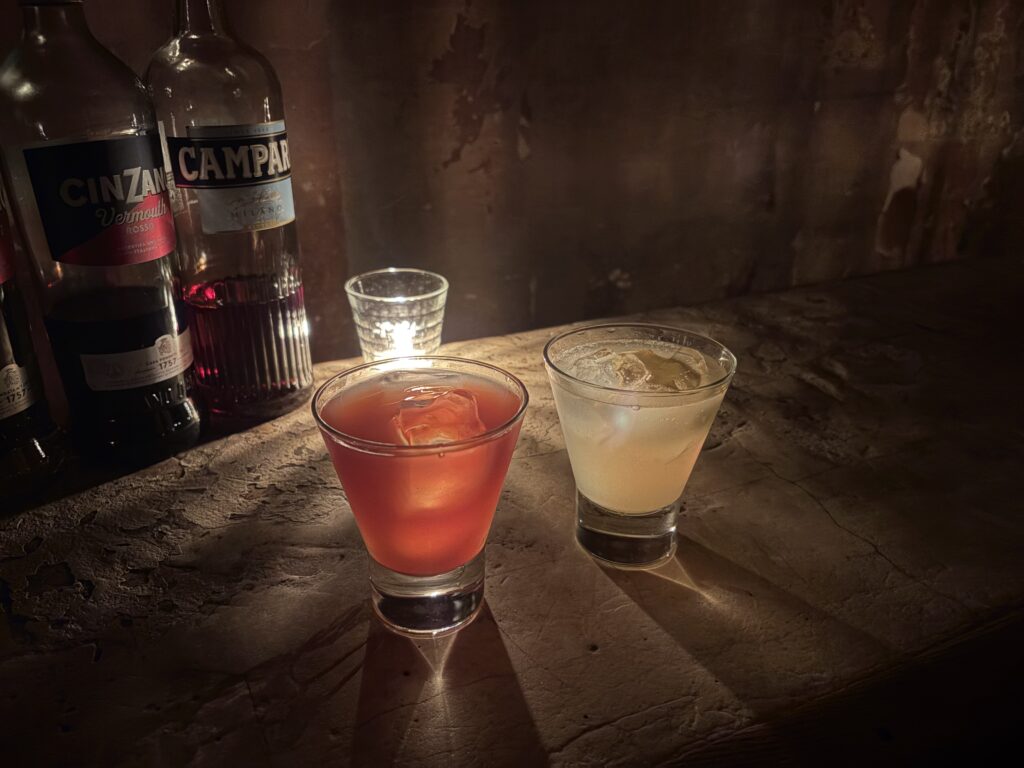
Every single drink came back perfect. Not “good.” Not “creative.” Perfect. The right level of sweetness, the right strength, the right glass, the right garnish, the right vibe. Twenty-plus drinks. Two strangers. Zero misses.
By drink number 8, we stopped overthinking and started trusting. By drink number 15, we were just describing colors and feelings. The bartenders never once seemed flustered. They worked silently, methodically, occasionally smiling at our increasingly absurd specifications, never once breaking the rhythm.
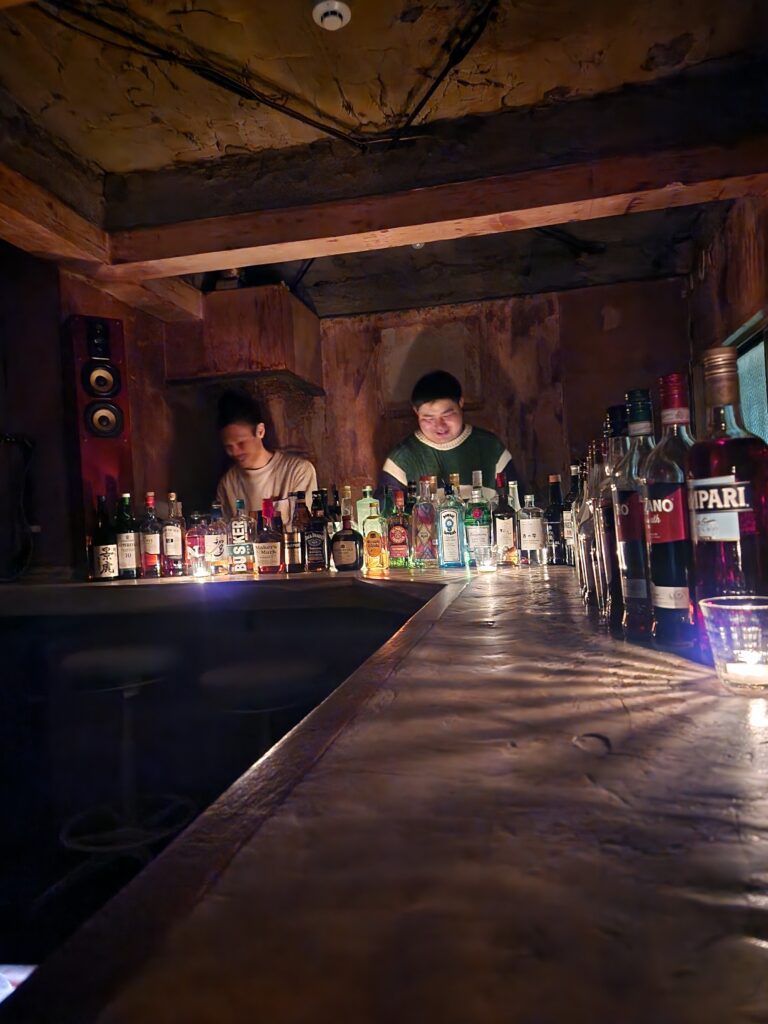
This is the Kazubar magic. You don’t choose your drink. You describe yourself, and they translate. The cost? ¥800 fixed for any drink (~₹500). For what we got, it might have been the best per-rupee experience of my entire trip. No other hidden bar in Kyoto offers this combination of intimacy, craft, and price.
What Else You Should Know About Kazubar
A few details that complete the picture:
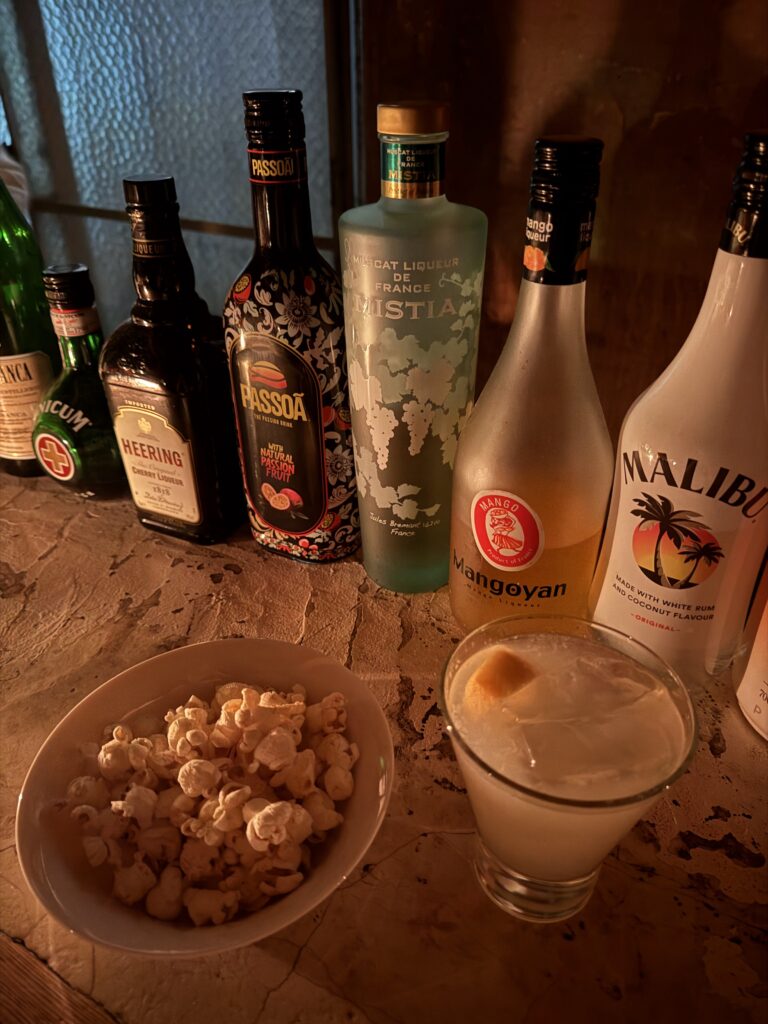
The bar snack: cheese popcorn. There’s no kitchen at Kazubar. No food. No bar bites. The only thing they serve is cheese popcorn, brought to your table in a small bowl, refilled when empty. It’s perfect- salty, cheesy, exactly the right counterweight to cocktails. It also makes for one of those weirdly memorable details that sums up the whole bar’s vibe: minimum effort, maximum effect.
The crowd is small, mixed, and quiet. On any given night, you’ll find a mix of Kyoto locals, expats, and clued-in foreign tourists. Conversations stay quiet. Nobody is loud. Nobody is taking selfies. Smoking is permitted indoors, the one downside, especially for non-smokers.
The music is excellent. Vinyl. Mostly low-key electronic, ambient jazz, world music. Whoever curates the music is taking it seriously. Several reviews specifically mention the music as part of the experience.
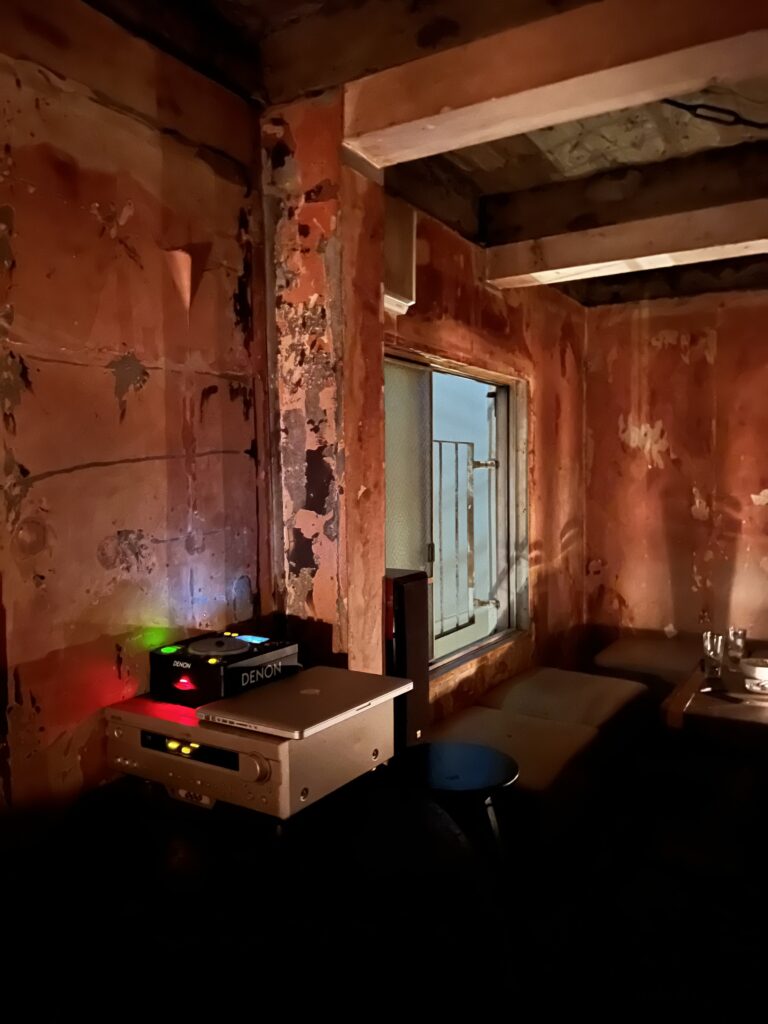
It’s open very late. Hours: 8 PM to 5 AM. Yes, until 5 AM. Many patrons describe arriving at 11 PM intending to have “two drinks” and leaving at 3 AM. One review I found described tearing himself away at 3 AM with regret. We left around 1 AM and felt the same.
It can be hard to leave. This is the danger of Kazubar. The candlelight, the music, the cocktails, the friendliness of the bartenders, the slow crystallizing of the night, it all conspires to keep you longer than planned. Build in 2-4 hours. Don’t make this a “quick stop.”
If you are more of a night person or want to make the most of your night in Kyoto, here is a Kyoto night e-Bike guided tour.
Practical Tips Before You Go
A few hard-earned recommendations:
1. Don’t go before 9 PM. The bar opens at 8 but only fills up after 10. The atmosphere needs darkness and a few patrons to come alive. Going at 8 sharp feels like arriving at a party an hour early.
2. Carry cash. Smaller Kyoto bars sometimes prefer or require cash. ¥5,000-10,000 in yen is sensible for a 4-hour Kazubar visit if all five of you are drinking.
3. Don’t bring big groups. The bar is tiny. Ideal size is 2-5 people. Larger groups risk taking over the space and breaking its quiet rhythm. Smaller is better.
4. Skip if you’re sensitive to smoke. Smoking is allowed indoors. On busy nights, the air can get hazy. If you can’t tolerate cigarette smoke, this isn’t the bar for you.
5. Order at least 3 drinks each. The first drink establishes you. The second one is when the bartender starts getting creative. By the third, you’re in the rhythm. Don’t visit Kazubar for one drink, you’re missing the whole point.
6. Don’t take photos. There’s no explicit rule, but the candlelight atmosphere and the quiet vibe mean flash photography or aggressive picture-taking will get you side-eyed. Take one or two discreet photos at most. Better, just be present.
7. Pair it with Gion or Pontocho dinner. Kazubar is a 10-minute walk from both Gion and Pontocho are Kyoto’s two most famous historic dining areas. Have dinner there, walk to Kazubar after, and you’ve got a perfect Kyoto night out. Here is a link for a Gion Food Tour.
8. Tip if you can. Tipping isn’t standard in Japan, but Kazubar is small enough that a quiet ¥500-1,000 left on the bar at the end of the night feels appropriate. Don’t make a show of it.
Where Kazubar Fits Among Kyoto’s Hidden Bars
Kazubar is part of a small but excellent network of hidden bars in Kyoto. If you fall in love with this style and want to explore more, others in the genre include:
- Bee’s Knees is hidden behind a yellow “Book Store” door, 1920s speakeasy vibes
- L’Escamoteur Bar is magic-and-mixology themed, vintage charm
- Bar Rocking Chair is wood-panelled, bespoke cocktails, four iconic rocking chairs
- Bar Bunkyu has a quiet master-bartender style, classic cocktails
Together these make Kyoto one of Asia’s best cities for hidden bars, a scene almost entirely invisible to first-time visitors. Kazubar is the most stripped-back of these. No theme, no gimmick, no marketing, just five tea lights, two bartenders, and trust. If you only have one speakeasy night in Kyoto, this is the one.
If you love hidden places, you might also like a private Kyoto tour of its temples, hidden alleys, stories and if you are intrigued by Japan’s alco-bev culture, do check out Golden Gai in Tokyo which has the highest concentration of bars in an area in the world.
Frequently Asked Questions: Hidden Bars in Kyoto and Kazubar
Q: How do I find Kazubar in Kyoto? Search “kazubar” on Google Maps. The pin is at HK Building, 3F, 309-4 Bizenjimacho, Nakagyo Ward, Kyoto. The ground floor is Elephant Factory Coffee. Climb two flights of stairs through an unmarked door beside the coffee shop. The bar is on the third floor.
Q: Does Kazubar have a menu? No. Tell the bartender what kind of drink you want based on your mood, the weather, your favorite flavours, or even just a feeling and they’ll create something custom. All cocktails cost ¥800.
Q: What time is Kazubar open? 8 PM to 5 AM, daily. The bar fills up after 10 PM and is liveliest between midnight and 2 AM.
Q: Do the bartenders speak English at Kazubar? Limited. They understand basic English well enough to take cocktail orders based on mood and adjectives, but full conversations might be hard. They’re warm and welcoming despite the language gap.
Q: How much does a night at Kazubar cost? Per person, expect ¥2,400-4,000 (₹1,500-2,500) for 3-5 drinks across a 2-3 hour visit. Significantly cheaper than most Tokyo cocktail bars.
Q: Is Kazubar good for solo travelers? Yes, the bartenders are friendly, the bar is small enough that you’ll naturally chat with neighbours, and the atmosphere is welcoming for solo guests. Many reviewers describe sitting at the bar alone and ending up in long conversations with locals.
Q: Is Kazubar safe to visit late at night? Yes. Kyoto is one of the safest cities in the world. Walking back to your hotel at 1-2 AM is very safe. Just remember Kyoto’s last train is around midnight, plan to walk or take a cab if you stay past 12.
Q: Is there food at Kazubar? No. The only snack is cheese popcorn, served free at your table. Eat dinner before you go.
Q: Can I take photos inside Kazubar? There’s no formal rule, but the candlelight atmosphere and the quiet ethos mean flash photography is frowned upon. One or two discreet photos are fine.
Q: Is smoking allowed at Kazubar? Yes, smoking is permitted indoors. This is the bar’s biggest drawback for non-smokers.
Final Word
I’ve hunted hidden bars in 30+ countries. Kazubar is in my top 5.
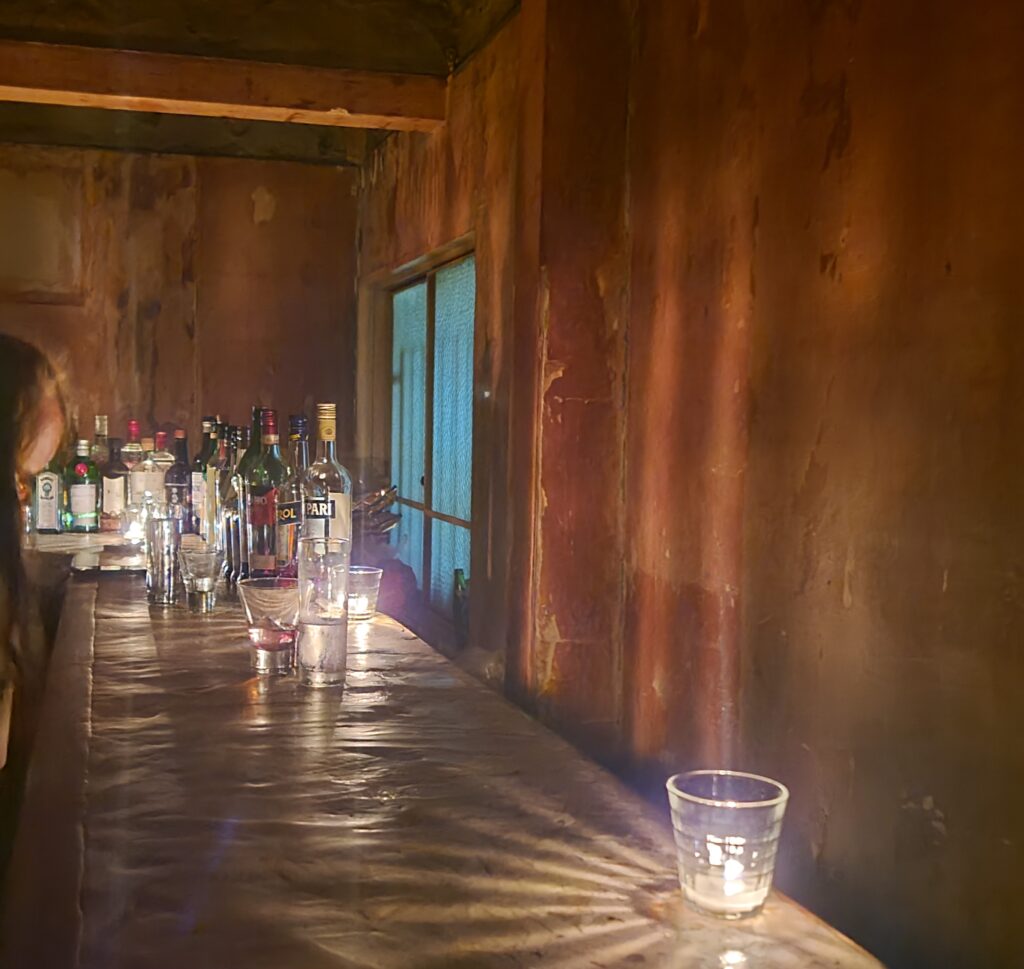
The reason isn’t the cocktails (though they’re excellent). It isn’t the location (though it’s perfectly hidden). It’s the purity of the proposition. Two bartenders. Five candles. No menu. No food. Just trust, vibe, and a willingness to let strangers read your mind for the price of a coffee back home.
In a travel landscape increasingly dominated by Instagram-bait bars with neon walls, themed cocktails, and 90-minute time limits, Kazubar is a quiet rebellion. It does almost nothing, and it does it perfectly.
If you’re going to Kyoto and you have one evening to spend in a bar, please, walk past Pontocho’s tourist spots and find this place. Climb the unmarked stairs. Push the dark door. Trust the bartenders.
You’ll know within five minutes whether it’s your kind of place. If it is, you’ll stay until 3 AM and never forget it.
For the full Japan trip experience, read my main blog here.
Drop a comment if you’ve been to Kazubar. I want to hear what drink the bartenders crafted for you, and how late you stayed