 By Tarang Bansal

This post with Japan travel tips for Indians isn’t a “where to go” post. It’s the practical layer that sits under every Japan trip. The administrative and logistical decisions that most first-timers figure out too late or too expensively. Keep this open on your phone while planning.
These Japan travel tips for Indians are updated for 2026 and cover every administrative and logistical decision you need to make before flying
If you want the full Japan trip context, read my main 10-day Japan blog here.
1. VAT Refund on Shopping: Carry Your Passport at All Times
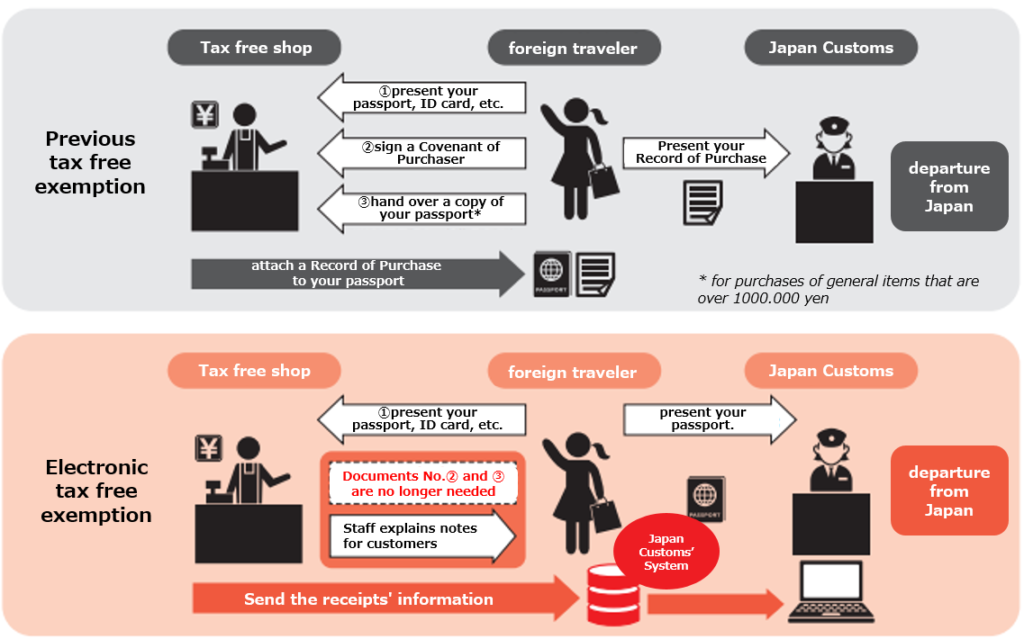
This is one of the most overlooked Japan travel tips for Indians and it saves 10% on every qualifying purchase. Japan charges Consumption Tax (shohizei) at 10% on most goods. As a foreign tourist, you can claim this back on qualifying purchases, essentially a 10% discount on everything you buy.
How it works:
- Spend over ¥5,000 at a single store in one day
- Present your passport at the point of purchase: the refund is processed immediately, often as a deduction from your bill rather than a separate cash queue
- Look for the “Tax-Free” sign at the shop entrance. It’s widespread at department stores, electronics shops, drug stores, and clothing stores
- Items must be unused and exported. Technically you’re not supposed to open the bag before leaving Japan
Passport is mandatory. The shop cannot process the refund without it. Carry your actual passport (not a photocopy) every day. This is the single tip that surprises most Indian tourists because we instinctively leave passports in hotel safes. Keep it in your bag every day.
Best categories for VAT savings: Electronics (Yodobashi, Bic Camera), cosmetics (Matsumoto Kiyoshi, drug stores), department stores, Uniqlo, Muji. See Tokyo neighbourhoods guide and Kyoto guide for where to shop.
2. Japan Travel Tips for Indians: Free/ Cheap Internal Flights on JAL & ANA
This is one of the most underused money-savers for Indian travellers visiting multiple Japanese regions.
JAL Free Domestic Flight Promotion: Japan Airlines is offering international travellers complimentary domestic flights to any of its 64 destinations across the country when you book an international JAL flight to Japan. India is an eligible country. The catch: both the international and domestic flights must be on the same JAL reservation, booked via jal.co.jp before travelling. No listed end date as of mid-2026 but verify on the JAL website before booking as conditions may change.
ANA Discover Japan Fare: ANA’s parallel programme: flat fares of ¥5,500, ¥7,700, or ¥11,000 per domestic sector (depending on distance) for international tourists with an ANA international ticket. Tokyo to Osaka by this fare: ¥7,700 vs ¥28,000+ Shinkansen return. Tokyo to Sapporo or Okinawa: enormous savings. The ANA Discover Japan Fare must be purchased at least three days before departure via ANA’s international website. Both programmes include two free checked bags up to 23 kg, more than standard domestic allowance.

Practical rule: If you’re flying JAL internationally, check their free domestic fare before booking any Shinkansen for long-distance routes (Tokyo→Hokkaido, Tokyo→Okinawa, Osaka→Kyushu). The savings can exceed ₹10,000-15,000 per person on these routes.
3. Capsule Hotels
Japan’s capsule hotel is one of the world’s most copied accommodation formats and still the best version of it.
What it is: Individual sleeping pods (approximately 2m × 1m × 1.2m) stacked in rows in a shared dormitory-style space. Each pod has a mattress, pillow, bedside plug, reading light, curtain or sliding privacy screen, and often a small TV. Shared bathrooms, lockers, common areas, and sometimes a communal bath or sauna.
Comfort level: Higher than it sounds. Quality capsule hotels (Nine Hours, First Cabin, Anshin Oyado) have well-insulated pods, good mattresses, and spotlessly clean shared facilities. It’s private enough for sleep; not private enough for anything else.
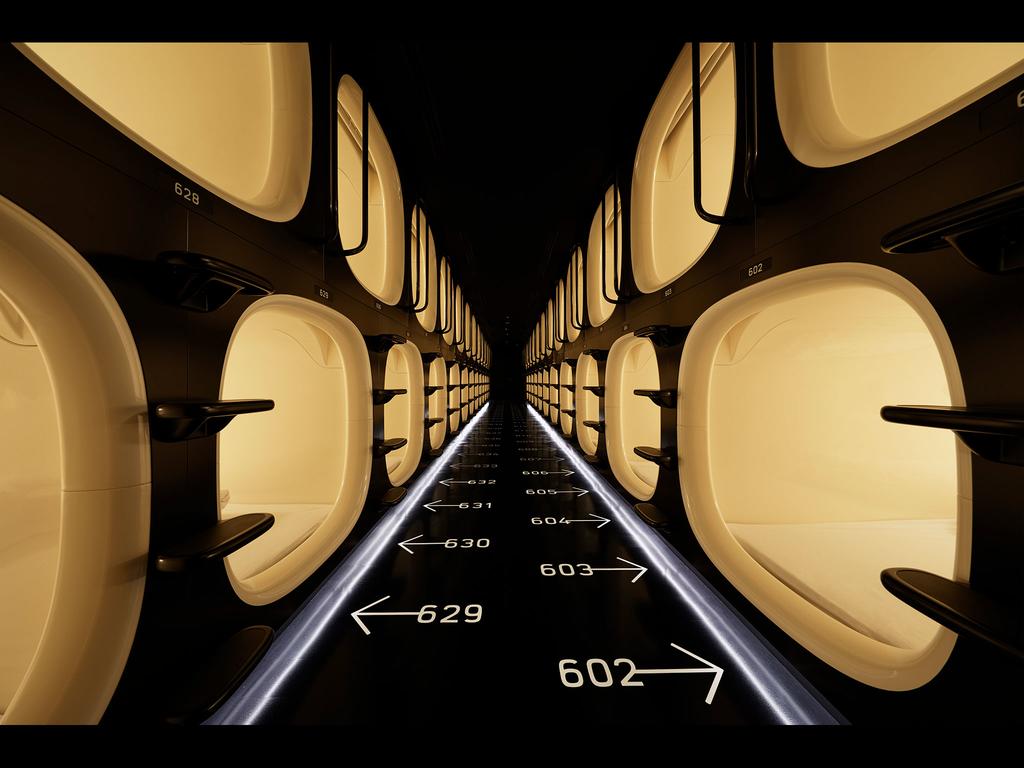
Pros: Price (¥3,000-5,000/night in central Tokyo), central locations, often excellent onsen/sauna facilities, supremely clean, genuinely fun experience.
Cons: Zero storage (your suitcase stays in a locker), zero sound privacy (snoring travels), not suitable for couples (most are gender-segregated floors), claustrophobic if you need space, not suitable for seniors or those with mobility issues.
Best brands: Nine Hours (minimalist, design-led, excellent showers in Akihabara and Shinjuku), First Cabin (slightly larger “business class” pods, feels like a plane seat, more privacy). Khaosan chain (Asakusa, good for budget backpackers).
When to choose a capsule: Arrival/departure night near the airport, a solo overnight when other hotels are full during peak season, or if you genuinely want the experience once.
4. Japan Arrival Card is Not Your Visa, A Different Thing
Many first-time travellers confuse this with a visa. They are entirely separate.
Your visa is issued by the Japanese Embassy or VFS in India before travel. See Japan visa guide for Indians.
The Japan Arrival Card (Visit Japan Web) is a digital entry declaration completed after you have your visa, it’s the immigration and customs form you must submit before landing. It replaced the old paper landing card in 2022.
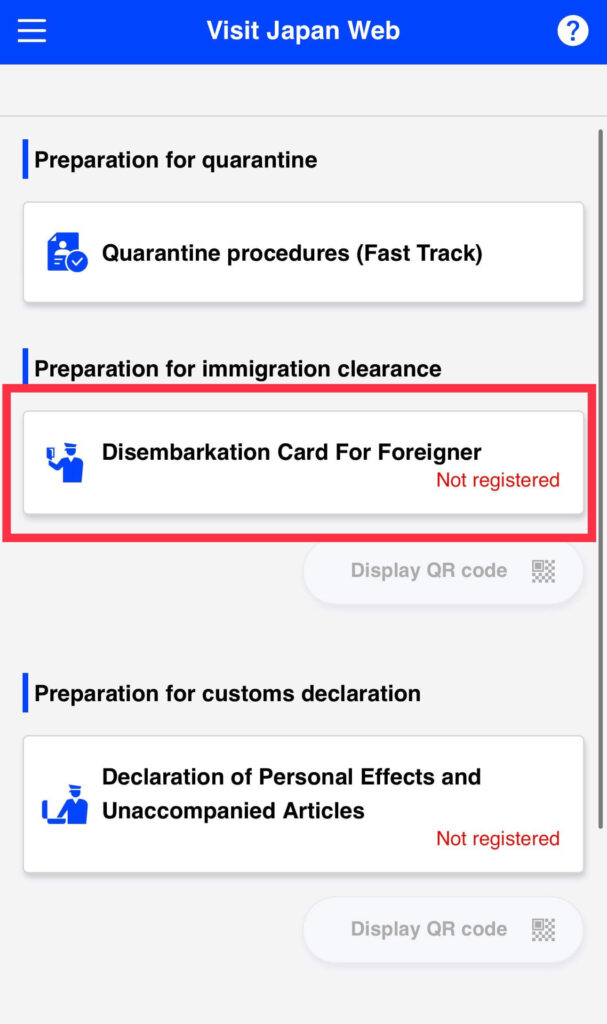
How to do it:
- Register at vjw-lp.digital.go.jp (Visit Japan Web)
- Complete your immigration information and customs declaration
- Generate the QR code (valid 14 days from creation)
- Show QR code at immigration on arrival saves 5-10 minutes in the immigration queue
Is it mandatory? Yes, ideally do it a day before you leave.
Cabs are super expensive in Japan. Prebook your transfers from Haneda, Narita or Kansai Airports.
5. eSIM- Take One Before You Land
Japanese SIM cards are available in Japan at airports and electronics stores, but the process involves paperwork, queuing, and passport verification. An eSIM activated before you land is simpler and often cheaper. This is among the most time-saving Japan travel tips for Indians who want connectivity from the moment they land. They are activated on the flight & start working the moment you land. No shops, no queues, no physical card.
Brands: Airalo, GoNomad, Saily (both reliable, reasonable data rates for Japan) or Klook. Here is a link for that.
What to look for in a Japan eSIM: Minimum 10GB data for 10 days (Japan’s Google Maps, Google Translate, and booking apps are data-heavy), 4G/LTE coverage. Check that it covers Japan’s three major carriers (Docomo, SoftBank, or au).
Cost: ¥2,500-3,500 for a 10-day 8GB plan (~₹1500-2,100). Cheaper than airport SIM options with equivalent or better coverage.
Do NOT rely on your Indian SIM’s international roaming as very high roaming charges will bankrupt your trip faster than DisneySea. You can however purchase the international roaming pack of your domestic provider – Airtel/ Jio etc.
6. Travel Insurance
Travel insurance for Japan is relatively inexpensive and useful for medical emergencies specifically. Japan’s hospitals are world-class but expensive for uninsured foreigners.
My approach: I use Policybazaar as an aggregator and select the cheapest policy that covers the minimum required: medical emergencies (₹50 lakh+ coverage), trip cancellation, and baggage loss. For a 10-day trip, basic comprehensive cover runs ₹1,500-3,000 from Policybazaar depending on the insurer.
Specific notes for Japan:
- If you’re skiing or doing adventure sports, verify your policy covers these most basic policies exclude sports injuries
- If you’re pregnant, verify pregnancy coverage is included (see my dependent-friendly travel guide for help)
- Credit cards from HDFC, SBI, and Axis often include complimentary travel insurance up to ₹30-50 lakh, check if yours does before paying separately
Keep a photo of your insurance card and emergency number saved in your phone offline.
7. IC Card (Suica or ICOCA) is Your Japan Wallet
Get this on Day 1 before you do anything else. No list of Japan travel tips for Indians is complete without the IC card. It is non-negotiable. An IC card is a rechargeable contactless card that works on every train, metro, bus, and tram in Japan, plus convenience stores, vending machines, and many restaurants.
Suica works everywhere in Japan. Buy it at any JR station ticket machine with passport (for the tourist version) or just top up at the machine (regular version). ¥500 refundable deposit.
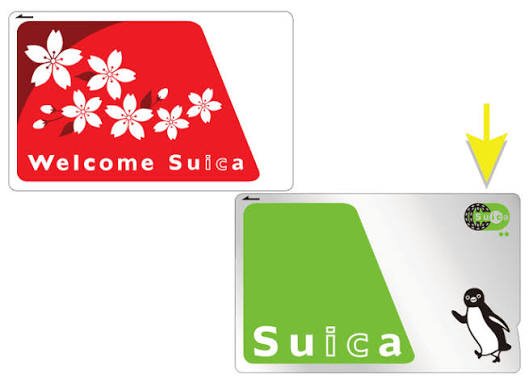
Without an IC card, you’re buying individual tickets for every journey- slower, more expensive, and exhausting. See IC card guide for the full walkthrough.
8. Cash- Carry More Than You Think
Japan remains a cash-heavy economy despite rapid digital payment growth. Temples, small restaurants, rural shops, onsen, and taxis frequently accept cash only. ATMs at 7-Eleven and Japan Post reliably accept international Visa and Mastercard, others often don’t.
Recommended daily cash buffer: ¥5,000-10,000 (~₹3,000-6,000) in hand at all times beyond your IC card balance.
Exchange rate tip: Withdraw from 7-Eleven ATMs directly in yen. They have better rates than airport currency exchange desks, which charge a significant spread.
Here are three shopping vouchers for you- BIC Discount Code, MITSUI OUTLET PARK/ DiverCity Tokyo Plaza/ Mitsui Shopping Park/COREDO Muromachi/Kawasaaki Lazona Tourist Privilege Discount Coupon & Don Quijote Tourist Privilege Discount Coupon for a special discount on your purchase.
9. Japan Rail Pass is Only Worth It in Specific Itineraries
The JR Pass (unlimited Shinkansen + JR trains for 7/14/21 days) costs ¥50,000-100,000 depending on duration. It is not worth it for everyone. This is the most commonly misunderstood Japan travel tip for Indians who assume the JR Pass is always worth buying. Calculate your actual rail costs before buying.
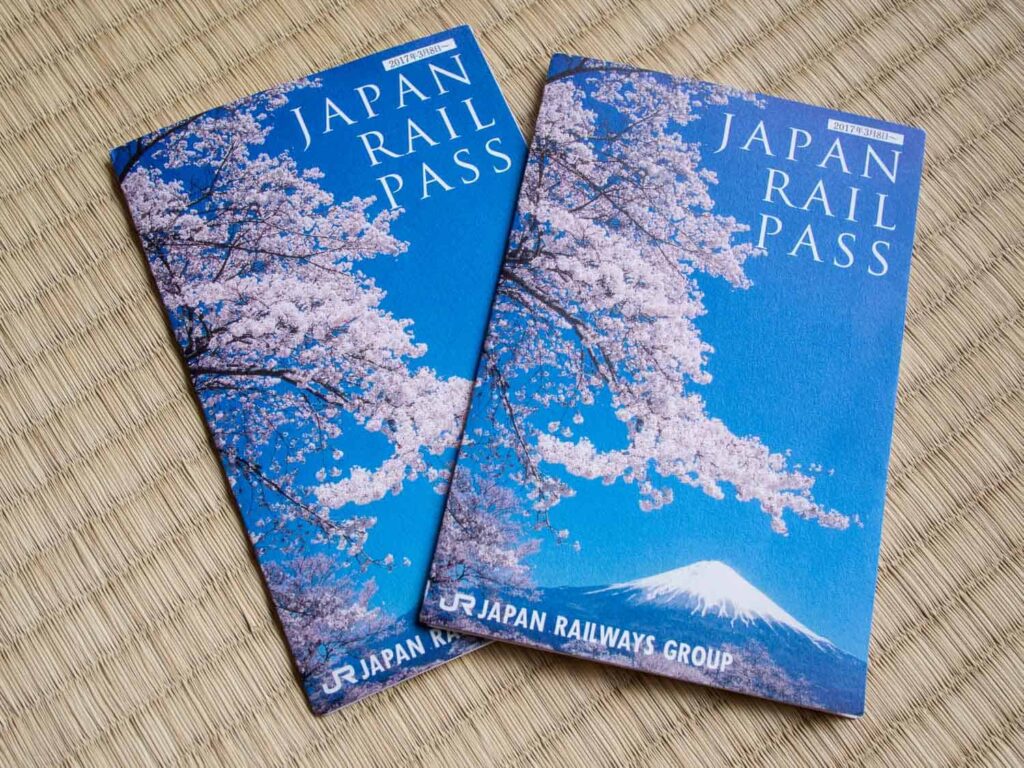
Worth it if: You’re travelling Tokyo → Kyoto → Hiroshima → Osaka or doing Hokkaido + mainland in one trip. Breaks even around ¥40,000+ of actual journeys.
Not worth it if: You’re staying in one region (all Kansai: Kyoto-Nara-Osaka) or using domestic flights. The JAL/ANA domestic flight deals in Item 2 above often replace it entirely for long-distance routes.Here is a link to book any Shinkansen route.
Buy the JR Pass before arriving in Japan. It’s significantly cheaper purchased in India through authorised agents like JTB or via Klook.
10. International Driving Permit (IDP)- Get This at Home
If you’re planning to rent a car anywhere in Japan or do Street Kart driving in Tokyo, see my unique experiences guide, you need an IDP valid under the 1949 Geneva Convention.
Get it from your Regional Transport Office (RTO) in India before flying. It takes 1-7 days. Cost: ₹500-1,000. Cannot be obtained in Japan. If you show up without it, you’ll be refused car rental or street kart participation with no refund.
Here is a link to book a Street Kart experience or if you like even more thrill, let me tell you about the Fast and Furious Night Drift Tours with Trainer Drivers and Race Cars.
11. Luggage Forwarding- The Underrated Game-Changer
Drop your suitcase at any 7-Eleven before 11 AM and it arrives at your next hotel same-day or next morning (¥1,500-2,500 per bag). Essential for travel days involving Shinkansen, temples with staircases, or Nara’s coin lockers. Mentioned in my Nara Blog. Use it. Luggage forwarding is one of the most underrated Japan travel tips for Indians visiting multiple cities.
12. References to Dedicated Guides
Several topics in this blog series have full standalone guides worth bookmarking:
- Visa: Japan Visa for Indians
- Street Kart: Unique Japan Experiences
- IC Card: Welcome Suica
- Vegetarian survival: Vegetarian Japan
- Travel with seniors/infants/disabilities: Travelling with Family/ Dependents
- Onsen rules: Onsen Culture
- Google Translate in Japan: Japan Communication Guide
Quick Reference Checklist Before You Fly
| Task | When | Cost |
|---|---|---|
| Apply for Japan visa | 4-6 weeks before | ~₹500 |
| Get IDP from RTO | 2-4 weeks before | ₹500-1,000 |
| Buy eSIM (Go Nomad/Airalo) | 1 week before | ₹1,500-2,100 |
| Get travel insurance (Policybazaar) | 1 week before | ₹1,500-3,000 |
| Buy JR Pass (if applicable) | Before flying | ¥50,000+ |
| Book JAL/ANA domestic fares | Before flying (same reservation) | Free or ¥5,500+ |
| Register on Visit Japan Web | On plane or on arrival | Free |
| Get Suica IC card | Day 1 in Japan | ¥500 deposit |
| Withdraw yen from 7-Eleven ATM | Day 1 in Japan | Exchange rate only |
Frequently Asked Questions
Q: Is carrying a passport everywhere in Japan safe? Yes, Japan is one of the world’s safest countries. Pickpocketing is extremely rare. Keep the passport in an inside pocket or crossbody bag. The tax-free refund benefit makes carrying it worthwhile every day.
Q: Is the JAL free domestic flight offer still running? As of May 2026 it has no announced end date, but verify at jal.co.jp before booking your international ticket, conditions may change.
Q: Is an eSIM better than a physical Japan SIM? For most tourists, yes, simpler, activated before arrival, comparable or better pricing. Physical SIMs are slightly cheaper for very long stays (3+ weeks).
Q: Do I need travel insurance for Japan? Not legally required, but strongly recommended. Japan’s hospitals are excellent but expensive for uninsured foreigners. A basic policy covering medical emergencies costs ₹1,500-3,000 for 10 days.
Q: Is the Japan Rail Pass worth buying? Only if your itinerary involves multiple long-distance Shinkansen journeys. Calculate your actual route costs first. If flying JAL/ANA domestic, you likely won’t need it.
Final Word
The most important Japan travel tips for Indians all point to the same thing: preparation at home saves money and stress on the ground. Japan rewards preparation more than almost any other travel destination, not because it’s unfriendly, but because the combination of language differences, cash culture, and specific document requirements means that things you’d sort on arrival elsewhere need to be sorted at home.
Sort the IDP. Get the eSIM. Register on Visit Japan Web. Carry your passport. Check the JAL domestic offer before booking trains. Everything else, the temples, the food, the people takes care of itself.
For the full Japan trip experience, read my main blog here.