16 Unique Japan Experiences Every Tourist Should Know About (Ranked)
From V-Tuber conventions to sumo wrestling, street karting to calligraphy, Japan has experiences you'll find nowhere else on Earth. A ranked guide to 16 unique activities - what to expect, cost, how to book, and one honest "skip this" verdict.
By Tarang Bansal
Treat every moment as a once-in-a-lifetime encounter, for this exact second will never happen again.
Looking for unique Japan experiences as an Indian traveller? Japan’s cultural depth is inexhaustible. Beyond the temples, the food, and the neon, there are experiences so uniquely Japanese they deserve their own dedicated guide. Here are 16 of them, ranked by how much they’ll define your trip from the most immersive at the top to the genuinely skippable at the bottom.
These unique Japan experiences for Indians range from free cultural activities to once-in-a-lifetime events that require months of advance booking. If you want the full Japan trip context, read my main 10-day Japan blog here.
1. V-Influencers and VTubers are Japan’s Virtual Celebrity Universe
This is Japan’s most culturally unique contemporary phenomenon, invisible to most tourists and vast in scale.
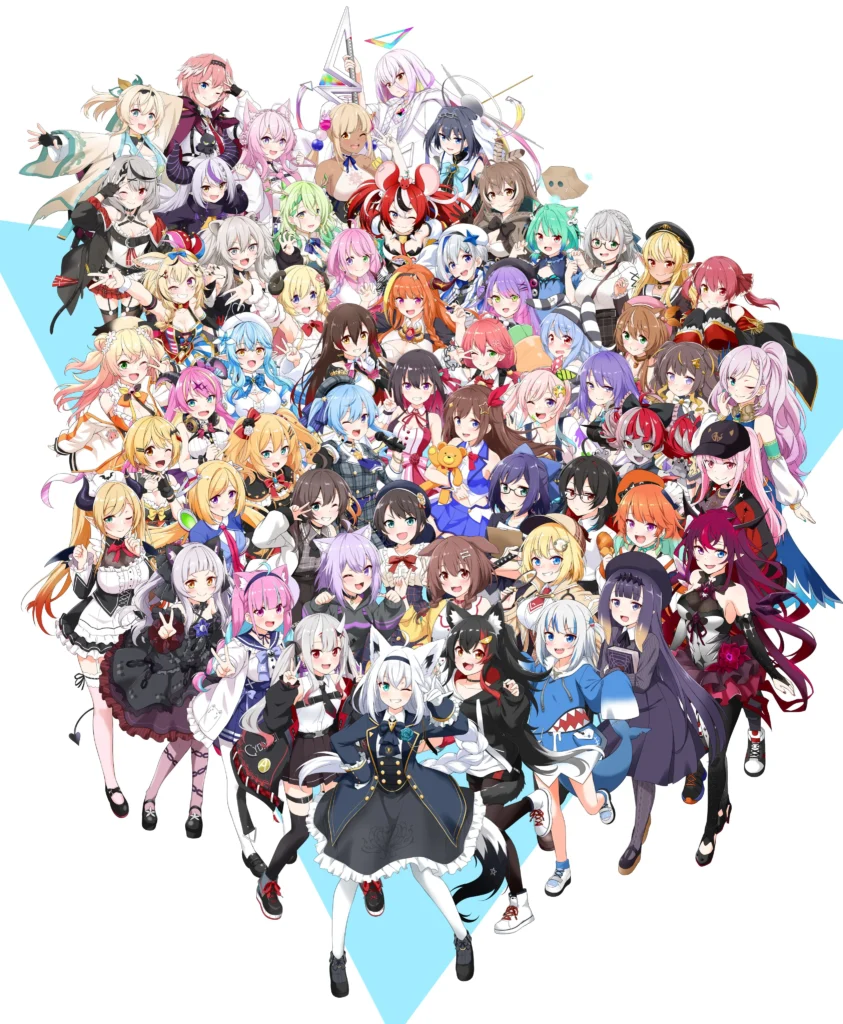
What it is: A VTuber (Virtual YouTuber) is a content creator who presents themselves as an animated 2D or 3D avatar rather than showing their real face while livestreaming, gaming commentary, singing, or chatting with audiences. The concept was pioneered in Japan in 2016 by Kizuna AI, whose debut on YouTube marked a turning point in entertainment. Today there are over 10,000 active VTubers worldwide, the vast majority based in Japan.
Two agencies dominate the space: Hololive Production (owned by Cover Corporation) and Nijisanji (owned by Anycolor). Both manage dozens of VTuber “talents”, each with a distinct character name, anime avatar, personality, and devoted fanbase. The VTubers themselves are real people behind the technology- using motion-capture suits and facial tracking software to animate their character in real-time. The identity of the real person is usually unknown to fans, and this anonymity is part of the mystique.
Why people are obsessed: The appeal operates on several levels. VTubers stream for 4-8 hours daily, creating intense parasocial bonds, fans feel they genuinely know these characters after hundreds of hours of shared gaming sessions, emotional conversations, and inside jokes. The avatar format removes the visual pressure of conventional celebrity appearance while retaining personality and connection. For many Japanese fans, a VTuber is closer to a friend than a celebrity. Monthly superchats (paid comments) and merchandise purchases run into millions of yen per top talent. The Hololive agency’s annual revenue exceeds tens of billions of yen.
The culture has its own vocabulary- fans refer to their favourite VTuber as their oshi (most cherished one). Merchandise known as oshi-katsu goods like acrylic stands, plushies, trading cards, collaborative food products is collected obsessively. When a VTuber “graduates” (leaves the agency), the emotional response from fans is comparable to a real celebrity death.
V-Tuber
The real-world events: This is where tourists can participate. Both Hololive and Nijisanji hold massive annual conventions:
Hololive SUPER EXPO held annually (2026 edition was March 6-8 at Makuhari Messe, Chiba). Three days of live concerts, exhibition halls, merchandise, interactive zones, and stage performances. Day tickets- ¥6,600 (~₹3,960). Cosplay welcomed.
Nijisanji Fes 2026 held on May 16-17, 2026 at Makuhari Messe. Same format- live performances, exhibitions, fan zones.
Niconico Chokaigi (April, Tokyo Big Sight) is a broader anime/Vocaloid/creator event that includes VTuber content.
Beyond conventions, Hololive operates permanent character merchandise shops at Tokyo Station, Harajuku (opened April 2026), and Osaka Umeda, all accessible year-round.
How to participate as a tourist:
Attend a convention (book early as tickets sell within hours of going on sale)
Visit a Hololive or Nijisanji official shop for merchandise
Walk through Akihabara’s multi-floor anime stores where VTuber merchandise has its own dedicated sections
Watch a livestream during your trip as many Hololive English-branch VTubers stream in English
Who it’s for: Anime fans, gaming culture enthusiasts, anyone interested in Japan’s digital entertainment frontier. Even without prior knowledge, attending a convention as a cultural observer is extraordinary.
2. Sumo Wrestling
Two very different experiences are available:
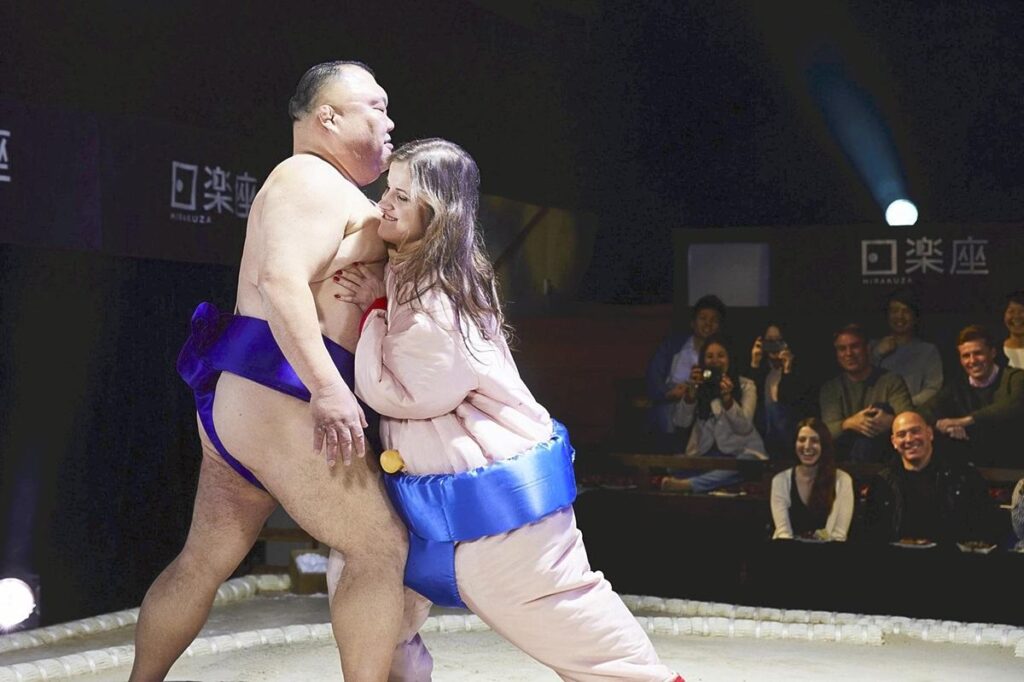
Watching a professional tournament: Six Grand Sumo Tournaments (basho) are held annually- three in Tokyo (January, May, September at Ryogoku Kokugikan), one each in Osaka (March), Nagoya (July), and Fukuoka (November). Each runs 15 days. Same-day tickets (¥2,200-¥8,800) are available at the venue box office on tournament mornings; reserved seats go up to ¥14,800 online. Morning warm-up bouts start at 8 AM with lower-ranked wrestlers; the top-division (makuuchi) bouts run 4-6 PM. Arriving at 2 PM catches the upper-division action without an entire day commitment.
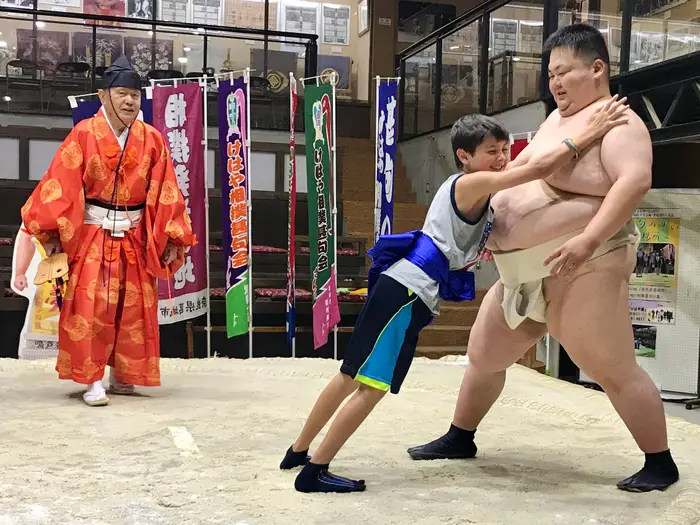
Fighting/training with a sumo wrestler: Several sumo stables (heya) in Tokyo offer tourist training sessions where you dress in a training loincloth, learn basic stances and pushing techniques, and spar with actual active wrestlers. Tomozuna-beya and Arashio-beya are the best-known English-friendly options. Cost: ¥5,000-15,000. Duration: 60-90 minutes. Book well in advance.
Seasonality: Tournaments have fixed annual dates. Training sessions are available year-round but not during tournament weeks when wrestlers are competing. Best for: Anyone.
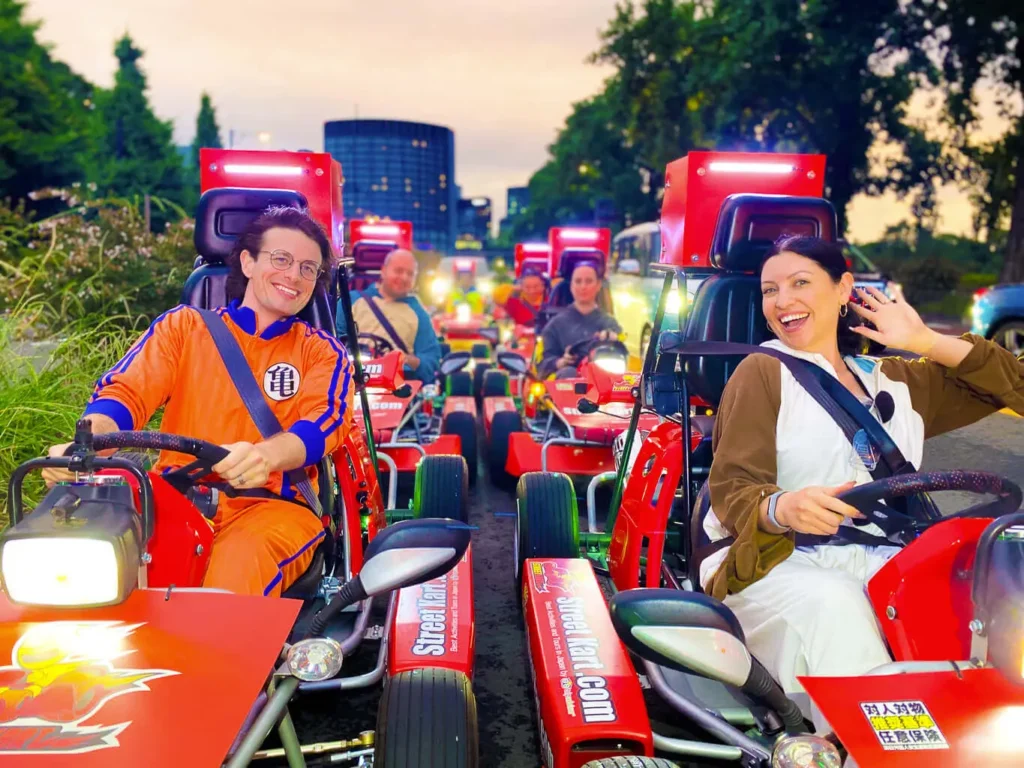
A clarification upfront: this is no longer called Mario Kart. Nintendo sued the original operator (MariCar) in 2018-2019 for intellectual property infringement, winning ¥50 million in damages. The company renamed itself Street Kart, removed all Nintendo-related costumes, and now operates as a standard go-kart touring service. Non-Nintendo character costumes are still available.
What it is: You drive a road-legal go-kart on Tokyo’s actual public roads through Odaiba, over the Rainbow Bridge, past Tokyo Tower as part of a guided group. Speed reaches 60-75 km/h on open roads. There’s nothing separating you from regular traffic.
Requirements: Must be 18+. Requires an International Driving Permit (IDP) under the 1949 Geneva Convention ONLY. India’s IDP generally qualifies under the 1949 Geneva Convention, get it from RTO before flying. The IDP cannot be obtained in Japan. Without it, you’ll be refused and may receive no refund. Here is guide for more details.
Cost: ¥11,000-20,000 (~₹6,600-12,000) depending on route length and time of day. Night tours are the most atmospheric. Duration: 1.5-2 hours on-road; plan 3-4 hours total with prep. Fun level: High, one of Tokyo’s most genuinely memorable tourist activities. Locations: Tokyo (Shibuya, Akihabara, Odaiba), Osaka, Kyoto, Naha. Seasonality: Year-round. Book 1-2 weeks ahead in spring/autumn; same-day possible in off-peak. Best for: Adrenaline-seekers, Tokyo at night, confident drivers.
Happens in multiple neighbourhoods of Tokyo, Shibuya is most famous, IDP mandatory
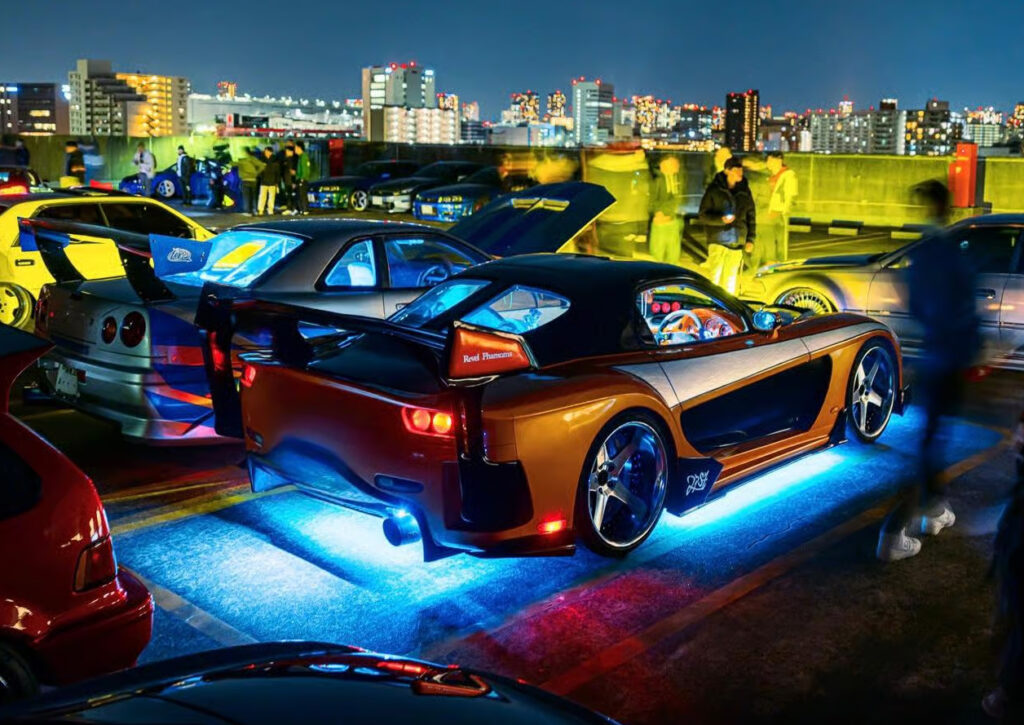
On a side note, if you are a fan of the Fast and Furious, NFS, or racing cars in general; there are night drives in world class race cars on designated race roads at night with professional drives who give you the thrill that you have always dreamt of. No IDP needed as you won’t be driving. Here is how you can book it- Fast & Furious Tokyo Drift III Experience
Live the Tokyo Drift Experience
4. Designer Trains
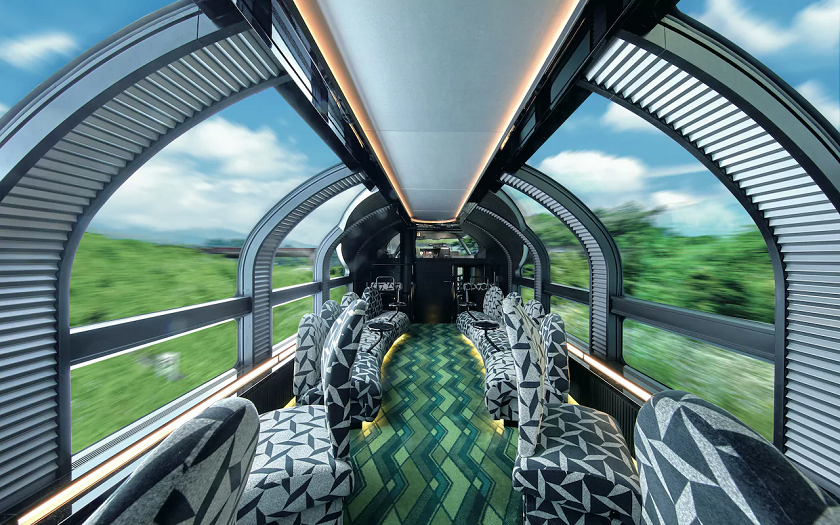
Japan operates some of the world’s most elaborately designed scenic and luxury trains which are moving boutique hotels on rails.
Top 3:
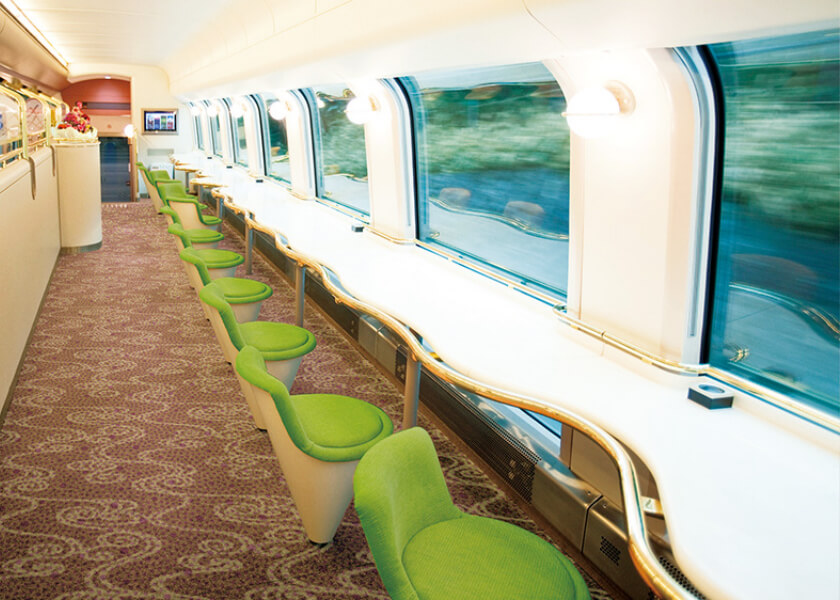
① Shimakaze (Kintetsu, Nagoya/Osaka/Kyoto → Ise): The most beautiful limited express in central Japan are double-decker cars with panoramic front observation windows, café car, and individual private compartments. Runs between Nagoya, Osaka, and Ise (famous Grand Shrines of Ise). Cost: ¥900-1,400 limited express supplement on top of regular fare. IC card not valid for supplement, must book seat separately via Kintetsu counter. Book 1 month in advance.
Shimakaze
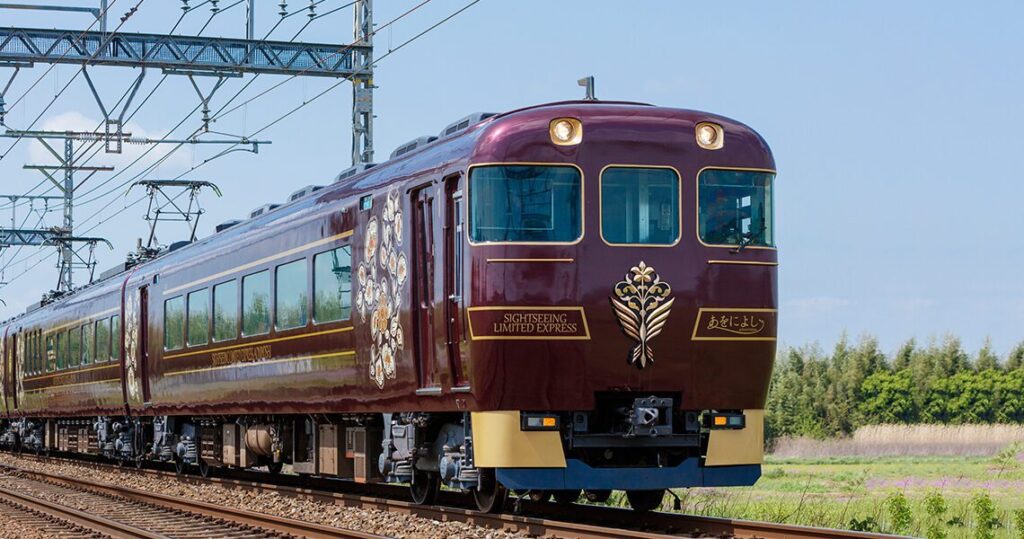
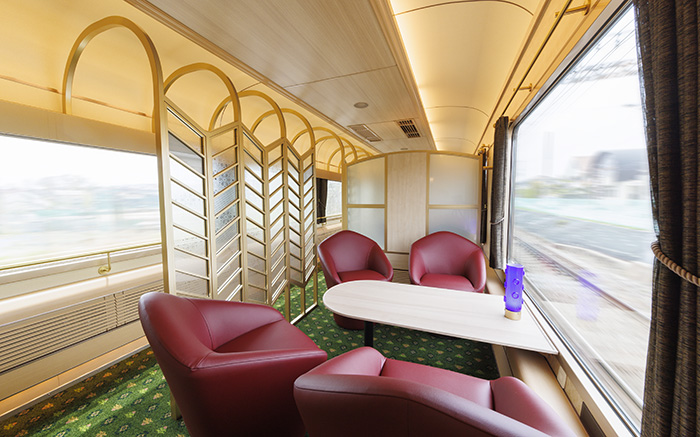
② Sightseeing Limited Express Aoniyoshi (Kintetsu, Osaka ↔ Nara): Launched 2022. Elegant dark purple and gold exterior with Art Nouveau interiors, dedicated cocktail-service counters, and themed carriages. Specifically connects Osaka and Kyoto to Nara in 45-75 minutes. Most India-relevant designer train, it’s headed exactly where most tourists are going. Supplement ¥210. IC card valid for base fare; supplement paid separately. Book at any Kintetsu counter.
Osaka-Nara is a very common route, don’t miss this
Equally aesthetic from the inside
③ Twilight Express Mizukaze (JR West, Osaka → Kyushu via scenic coastal route): Japan’s most luxurious overnight train is a 10-car ultra-luxury sleeper running the scenic San’in coast. Three-day two-night round trips. Price: from ¥200,000+ per person. For serious train enthusiasts with budget.
Just look at it. It is an overnight express. You can go star-gazing
5. Wearing Kimono
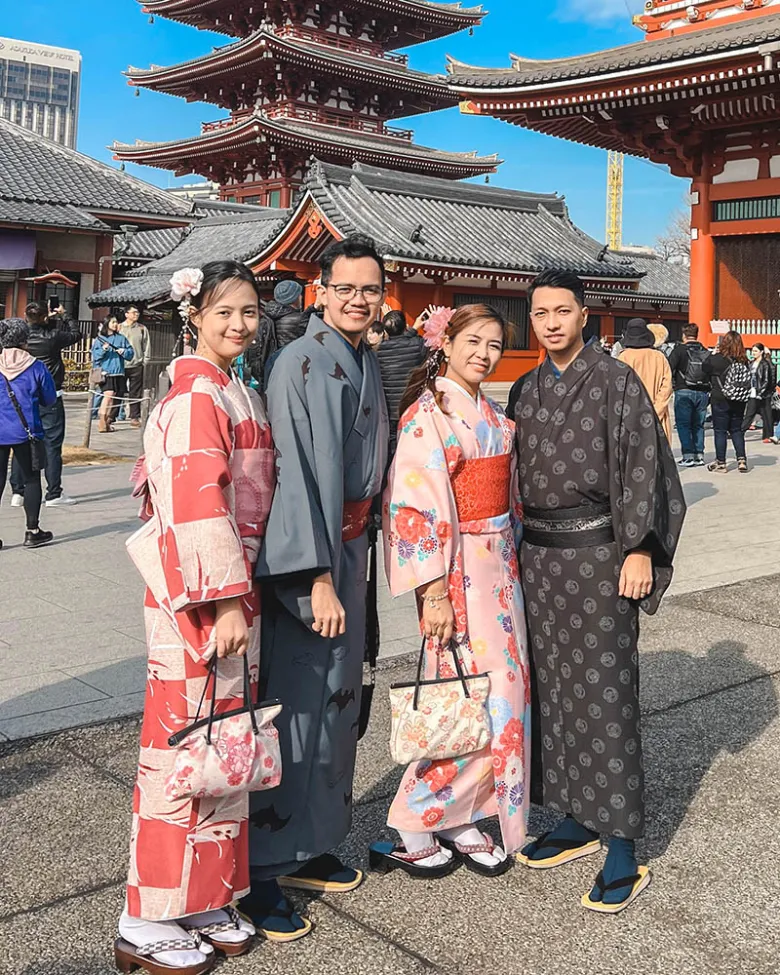
Rental: ¥3,000-6,000 for standard kimono; ¥5,000-8,000 for premium. Price includes dressing by staff (necessary as the kimono has 15+ steps), accessories, and a hair arrangement. Return by 5:30-6 PM. Best areas for rental: Higashiyama (Kyoto), Gion (Kyoto), Asakusa (Tokyo). To read more about Kimono Rental in Japan, read the Kimono Rental section in my Kyoto Guide.
Couple experience: Both men (wearing a hakama) and women are accommodated. Couples in matching or coordinated kimono is one of Japan’s most photographed moments. Book the same slot at the same shop.
For purchase: Vintage (used) kimono at Kyoto’s Toji temple flea market (21st of each month) start from ¥2,000; new kimono from ¥30,000+. Quality kimono from Nishijin weavers in Kyoto run ¥200,000+.
Seasonality: Year-round. Spring (cherry blossom + kimono) and autumn (foliage + kimono) are peak for photography. Best for: Couples, families, photographers, anyone wanting a quintessential Japan photo.
Kimono of all colours, matching-couple kimonos are also available
6. Karaoke Bars
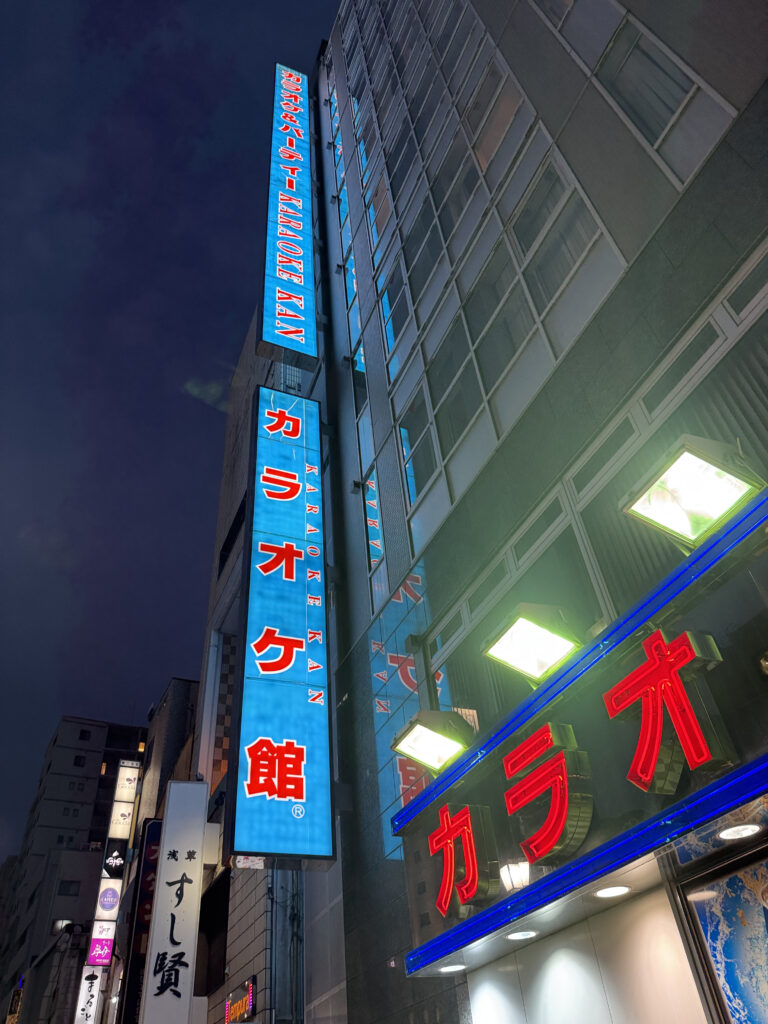
Japan’s karaoke culture is entirely different from Indian karaoke. You rent a private room for your group, no performing in front of strangers. The room has a touchscreen songbook with tens of thousands of songs.
Western and Indian songs: Yes, extensive English catalogues. The big chains (Big Echo, Karaoke-Kan, Joysound, Pasela Resorts) have large English and K-pop selections. Indian songs: Limited Bollywood titles are available at some branches, particularly Pasela Resorts which curates international content. Verify by searching the catalogue before booking.
Cost: ¥300-700/person/hour + mandatory drink order. Unlimited time packages (nomihoudai + karaoke) run ¥2,500-4,000. Late-night packages (midnight-5 AM) are cheaper.
Food and drinks: Full menus are available in-room via tablet. Drinks (alcoholic and non-alcoholic) delivered to the room. How to book: Walk-in usually fine outside Friday/Saturday nights. App or phone reservation for peak times.
Duration: Minimum 1 hour; most groups stay 2-4 hours. Best for: Groups, couples, anyone who sings. One of Japan’s most accessible and genuinely fun shared experiences.
They are everywhere but check if they have songs directory of your preferred language
7. Arcades
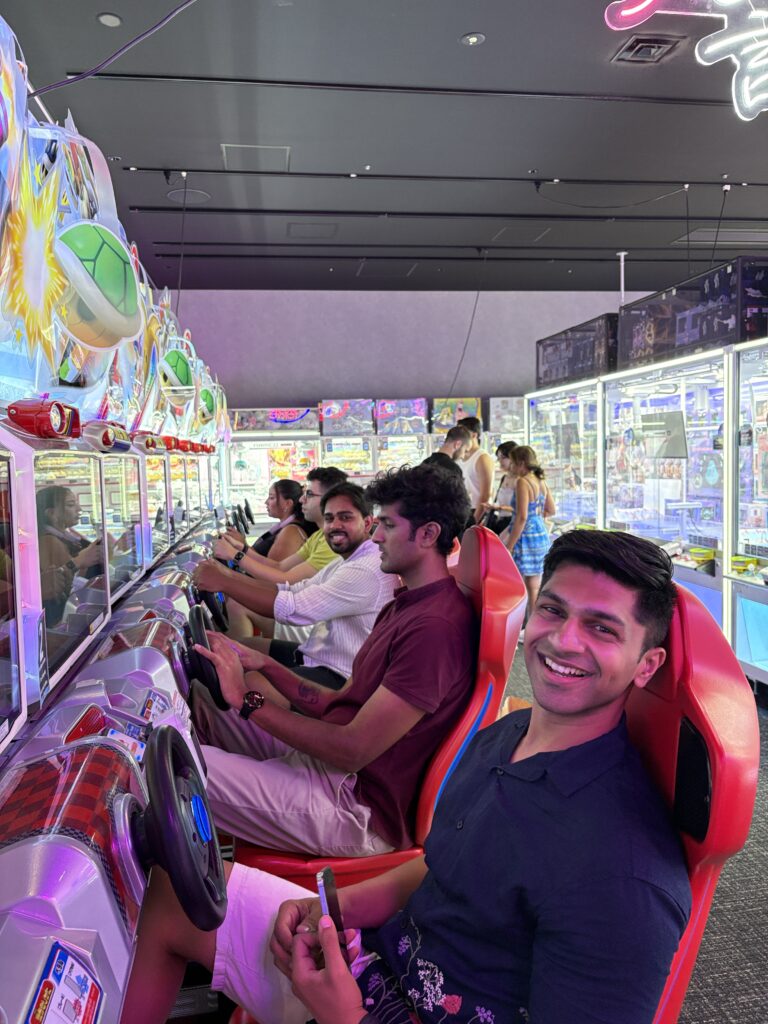
Japan’s arcades are living museums of gaming culture, still operating games from the 1980s and 90s alongside modern prize machines and rhythm games.
What to play: Street Fighter II, Pac-Man, Dig Dug, Galaga, Donkey Kong (¥50-100 per play), King of Fighters, Twinkle Star Stripes, UFO Catcher (claw machines: Japan is serious about these). Taiko no Tatsujin (Japanese drum rhythm game). Dance Dance Revolution. Photo booths (Purikura) where you dress up your image with stickers and filters.
Best arcades:Taito Station (branches throughout Tokyo, Osaka, Kyoto). Sega Arcade (Akihabara) for classic and modern. Club Sega Shibuya.Round1 (multi-floor complexes including bowling and sports facilities).
Cost: ¥50-100 per classic game; ¥200-500 for UFO catchers; ¥400-500 for purikura. Seasonality: Year-round, open until midnight or later. Best for: Nostalgic 30s-40s generation, gaming enthusiasts, teenagers.
Ultimate Nostalgia for me as I have played these on my computer growing up. There are multiplayer games too
8. Tea Ceremony
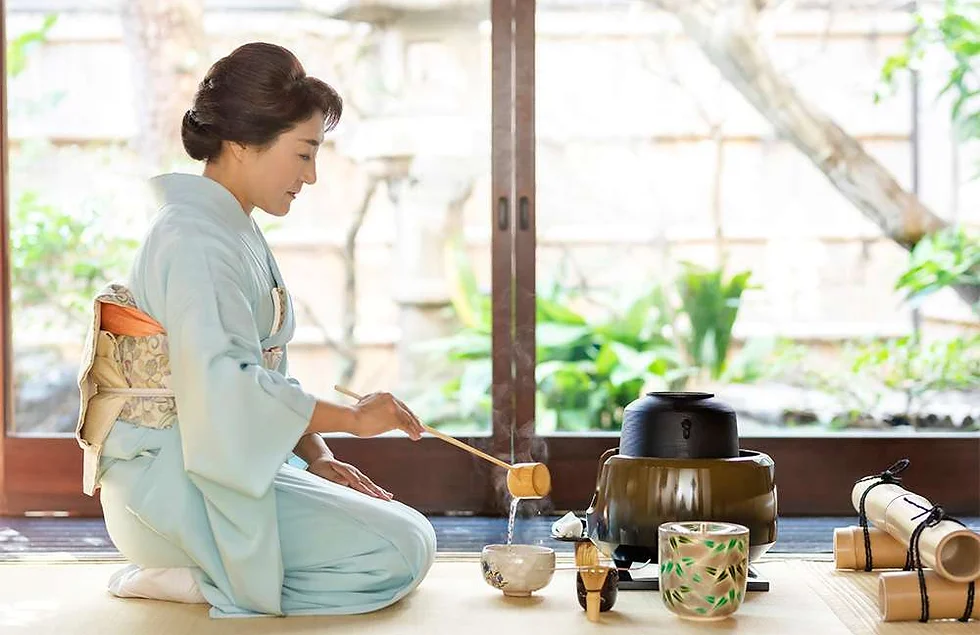
The tea ceremony is one of the most authentic unique Japan experiences for Indians who want genuine cultural immersion. A 45-60 minute guided ceremony in which a host prepares and serves matcha to guests following exact movements and etiquette developed over 500 years. Includes tasting matcha + wagashi sweet. To read more about the Tea culture of Japan, read the Tea Ceremony section in my Kyoto Guide.
What to expect: Sitting in traditional seiza position on tatami (alternatives for those who can’t kneel), guided explanation of each movement and its meaning, and the preparation and reception of the tea.
Cost: ¥1,500-4,000 depending on venue formality. Locations: Kyoto (most authentic are En near Yasaka Shrine, Camellia Tea Experience in Gion), Tokyo (Hamarikyu Gardens, Nezu Shrine area). Duration: 45-60 minutes. Seasonality: Year-round. Best for: Anyone with genuine cultural curiosity. Children over 8 can participate.
Tea Ceremony – Looks Aesthetic & Boring at the same time.
9. Calligraphy (Shodo)
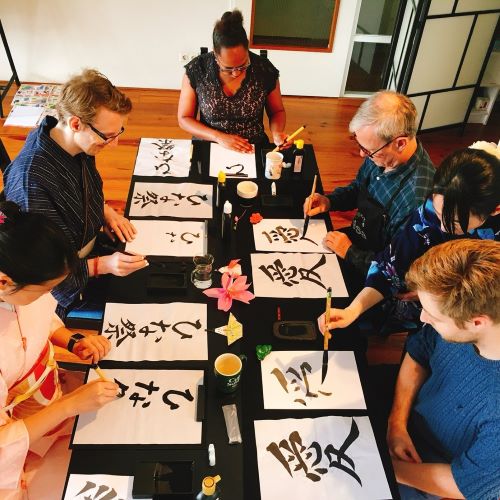
Japanese calligraphy is not mere handwriting, it is a meditative practice considered one of Japan’s highest traditional arts. Brush, ink, and rice paper. Beginners practise fundamental kanji strokes (starting with characters like 山 is mountain, or 水 is water) before attempting their name in Japanese characters.
Why it’s Japanese: Calligraphy came from China but developed a distinctly Japanese aesthetic sensibility. The brushstroke captures mood and breath, not just form. A master’s brushwork is evaluated as art the way a Western painting is.
Cost: ¥2,000-5,000 for 60-90 minute beginner session. Locations: Kyoto (multiple studios near Nishiki Market); Tokyo (Asakusa, Shibuya). Take home: Your finished calligraphy on quality paper, one of Japan’s best handmade souvenirs.
Calligraphy is often combined with other Japanese elements like in this workshop- Kimono, Tea & Calligraphy
Something new & indoor
10. Zen Meditation (Zazen)
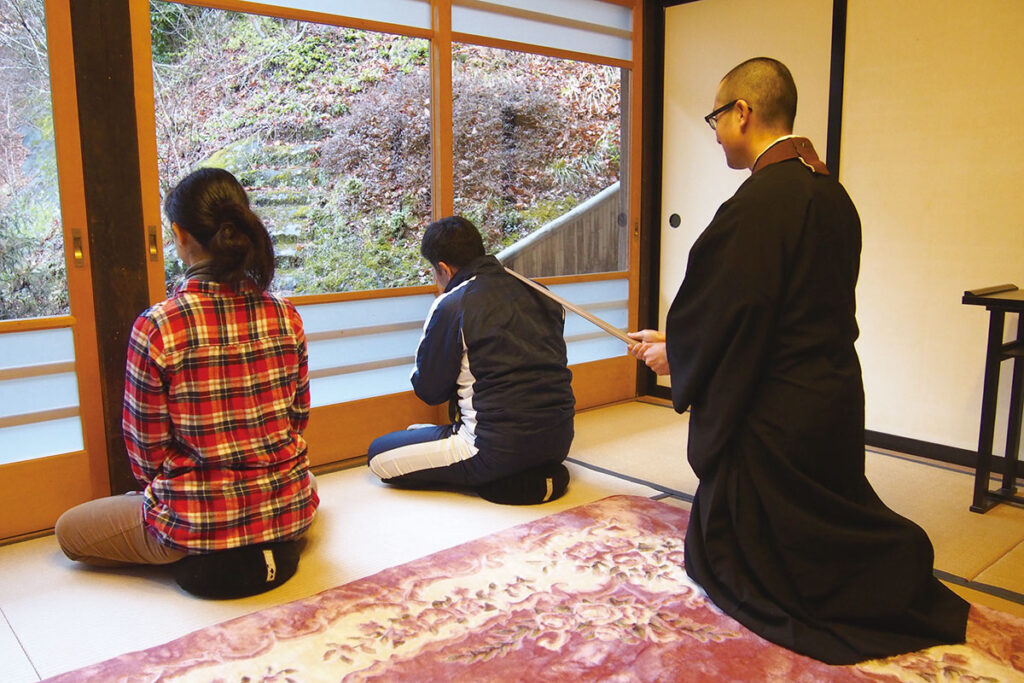
Seated meditation practised in the tradition of Japanese Rinzai or Soto Zen Buddhism. You sit on a zafu cushion, maintain precise posture, and focus on breath or a koan (paradoxical question) for 20-45 minute sitting periods.
What to expect: Silence. The sound of wooden blocks marking time. Occasionally, a monk will walk the rows with a wooden paddle, lightly striking the shoulder of anyone who requests it (a physical aid for sharpening attention, not a punishment). Discomfort in the legs is normal and expected.
Cost: ¥1,000-2,000 (some temples free). Best locations: Shunkoin Temple (Kyoto, English-friendly guided sessions), Daitoku-ji (Kyoto), Engaku-ji (Kamakura, near Tokyo). Duration: 60-90 minutes. Best for: Those seeking quiet, counterpoint to busy tourist days.
Thanks to capitalism, all experiences are accessible to tourists at a fee. You can book your Zen Meditation Session here.
Don’t worry. They tap the stick, & won’t strike it like in the movies
11. Samurai and Ninja Experiences
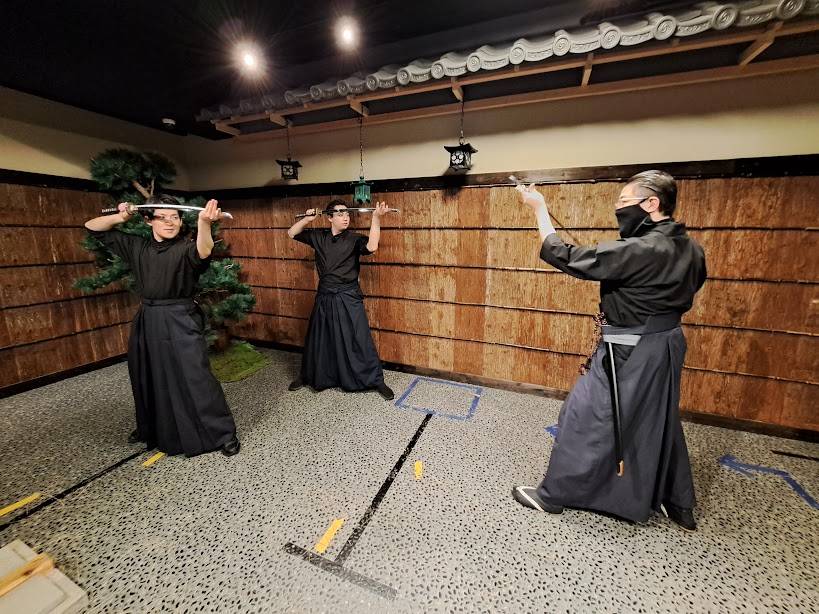
For adults: Sword-handling sessions using actual iaido (sword drawing) techniques at Samurai Kembu Theatre, Kyoto (¥3,500-5,000; 60 min). Learn a short choreographed sequence with a real (but dulled) katana. Samurai Sword Experience Tokyo (Asakusa) is the most popular tourist option.
For kids: Ninja experiences at various themed establishments, dressing in full ninja costume, throwing shuriken, navigating obstacle courses. Ninja Akasaka (Tokyo) combines dinner with performance and activity. ¥4,000-8,000.
Seasonality: Year-round. Best for: Kids (ninja), adults who want a physical cultural encounter (samurai). Not as historically deep as calligraphy or zazen, but genuinely fun.
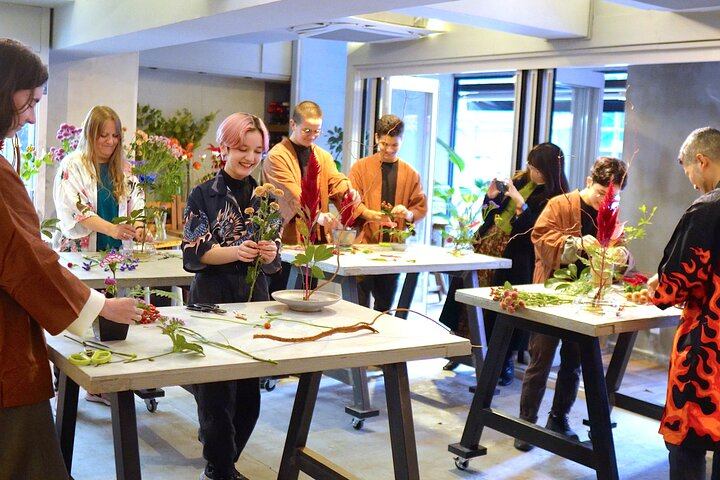
Japan’s approach to floral arrangement is one of its most distinctive art forms which is governed by strict spatial principles of asymmetry, line, and seasonal awareness. Even a three-stem arrangement takes 45 minutes of precise placement to complete.
What to expect: A guided session where you learn the basic moribana (shallow bowl) or nageire (tall vase) style, selecting seasonal flowers and practising the three-point structural framework.
Cost: ¥3,000-6,000 including materials. Best location: Ikenobo (Rokkaku-do Temple, Kyoto) is the world’s oldest ikebana school, founded in the 6th century. Tokyo: multiple studios in Omotesando and Shinjuku. Duration: 60-90 minutes. Take home: Your finished arrangement.
You can join 2hr workshops for learning Ikebana arrangements in Tokyo & Kyoto.
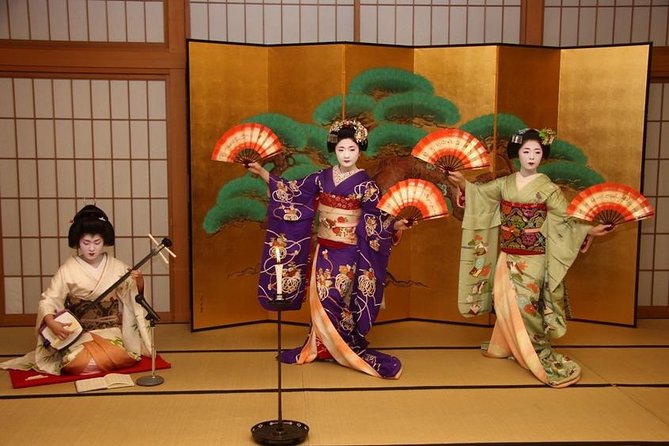
13. Geisha Show (Gion Corner)
A 50-minute condensed introduction to seven Kyoto traditional arts performed in sequence by geiko and maiko: gagaku (court music), koto, ikebana demonstration, tea ceremony, kyo-mai dance, bunraku puppetry, and kyogen theatre. To read more about the Geisha experience for tourists, read the Geisha section in my Kyoto Guide.
What to expect: It is explicitly designed for tourists. It’s not an authentic banquet experience, but a legitimate cultural sampler. Performances daily at 6 PM and 7 PM at the Gion Hatanaka building, Higashiyama, Kyoto.
Cost: ¥3,300. Duration: 50 minutes. Seasonality: March-November (closed December-February). Best for: Those who want a structured introduction to multiple arts in one sitting.
The Geisha show is a cultural performance. Honestly, not my thing, but here is link if its yours- Geisha Show in Kyoto. You can even combine the experience with a Sumo match- here is a link for that in Kyoto and in Asakusa (Tokyo).
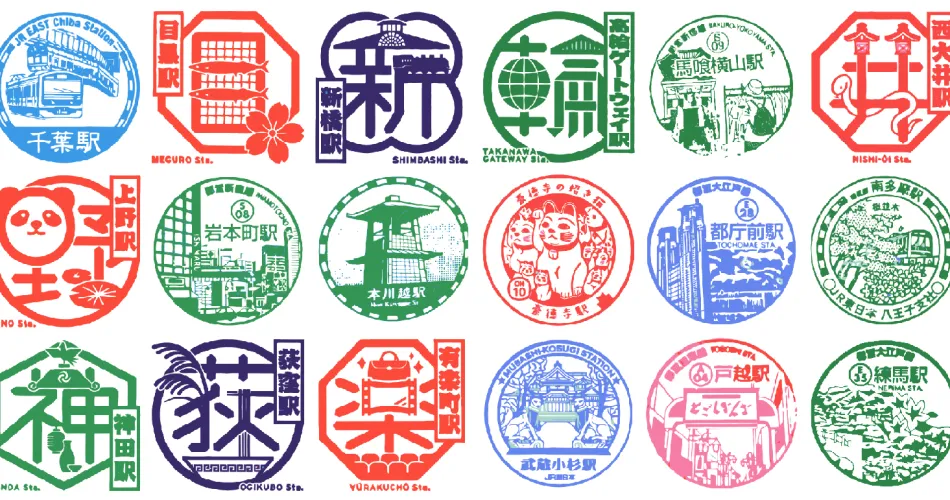
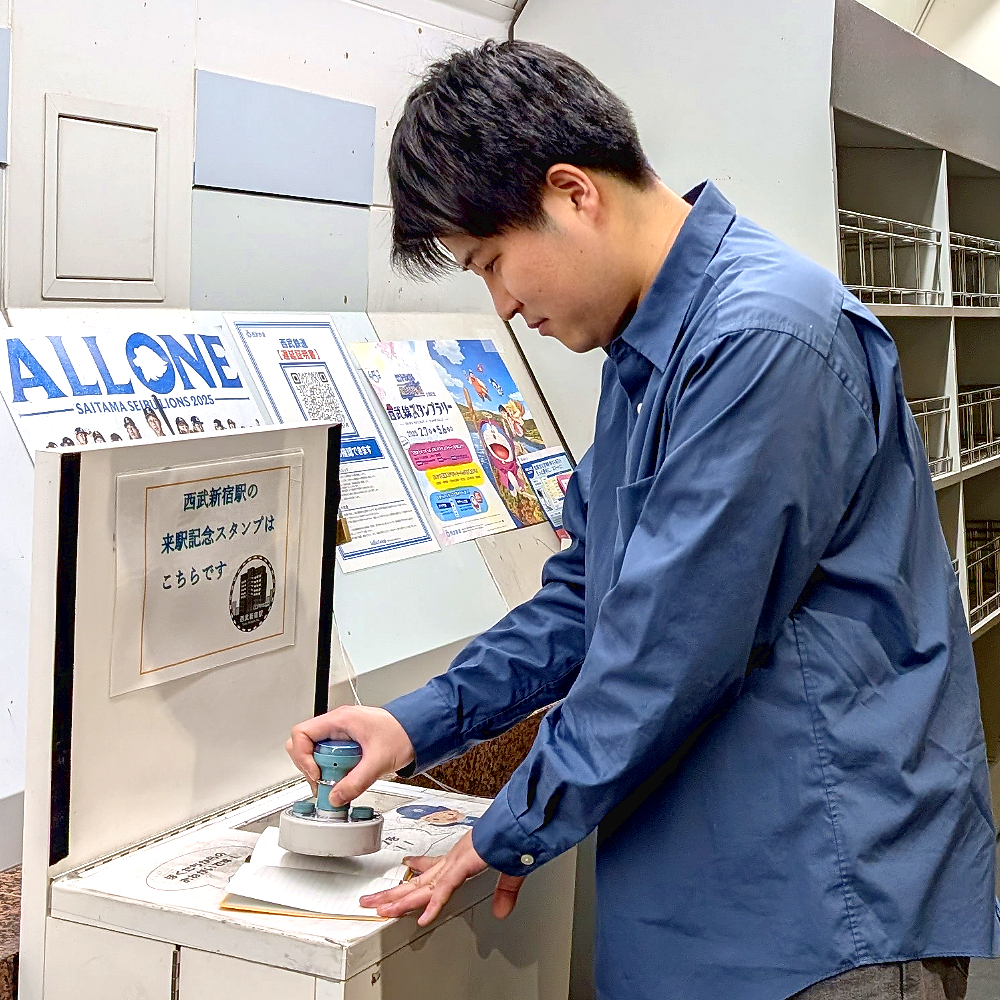
Japan has a growing culture of collectible stamps (eki stamps) at train stations, temples, and tourist sites with official ink stamps (not stickers) representing each location’s character or history. Most are free. The “original passport” in this context refers to a pocket-sized stamp book (sold at souvenir shops for ¥300-800) that travellers carry and fill at each location.
Some Shinkansen stations, heritage railways, and national parks issue stamping books specifically designed for the route. Many temples issue their own goshuincho (seal book), where monks calligraph the temple name and date in the ink + red stamp is a more formal and significant version. Each goshuincho stamp costs ¥300-500. The book itself: ¥1,000-2,000.
Best for: Collectors, families, methodical travellers who enjoy a tangible record of their journey.
List of Eki Stamps
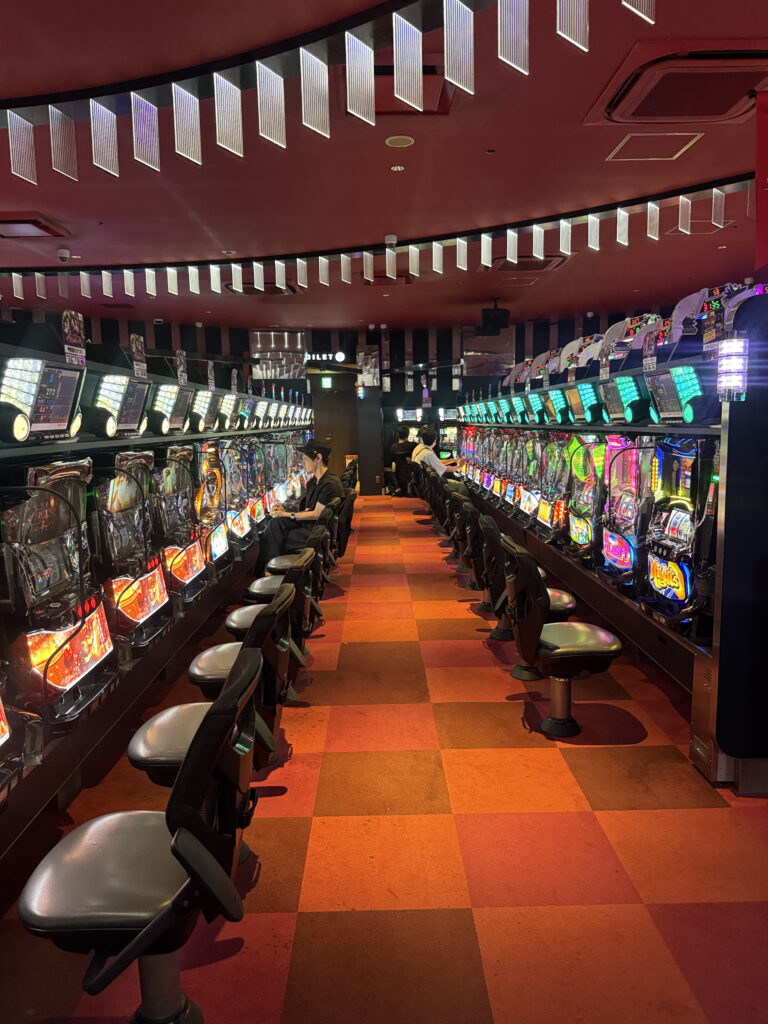
15. Pachinko
Japan’s most popular legal gaming activity which is essentially a vertical pinball machine cross-bred with a slot machine. Balls are flipped into a machine; certain patterns trigger a jackpot that releases more balls, which are then exchanged for prizes (which are then exchanged nearby for cash, the three-step workaround for anti-gambling laws).
What to expect: Extraordinarily loud. Constant machine sounds, cigarette smoke (venues are often smoking-permitted), and a very local, male-dominated demographic. Spend ¥1,000-3,000 in 30-60 minutes easily. This is not glamorous. It is a window into a deeply Japanese working-class leisure culture.
Note on gambling behaviour: This post does not promote gambling. Pachinko is included as a cultural observation activity; go once, understand what it is, and leave if you feel the urge to continue.
Locations: Everywhere. Impossible to miss in any Japanese city. Best for: The culturally curious. Not for anyone with gambling tendencies.
Addiction to beat Loneliness in life
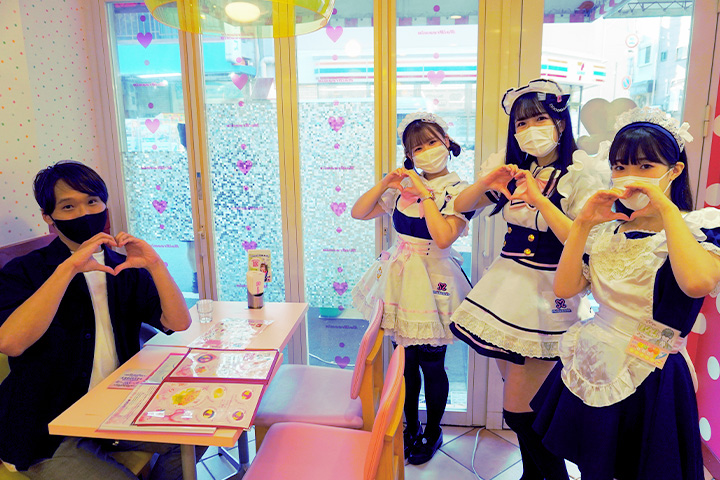
16. Maid Cafés: Honestly, Skip These
Personal verdict: not worth it.
I visited a maid café in Akihabara. The premise: staff dressed as anime-style maids greet you as “master” or “mistress,” perform a brief magic spell over your food, play simple games with you, and charge 2-3x normal café prices for the experience. The food is standard café quality. The entertainment is brief and formulaic.
What to expect: ¥500-1,000 cover charge + ¥800-1,500 for drinks. Photos cost extra (¥500-1,000). The “performance” is approximately 5 minutes of interaction.
The honest summary: This is a regular café with costumed staff. The concept sounds more interesting than the experience is. The money spent here is better spent at literally any izakaya, speciality coffee shop, or genuine cultural experience on this list.
If you’re determined to go: Maidreamin is the largest chain (multiple Akihabara branches). But, please don’t go.
Everything is priced 2x-3x for the theme
Quick Reference Table: All 16 Unique Japan Experiences for Indians at a Glance
Experience
Cost
Duration
Book Ahead?
VTuber Event (Hololive Expo)
¥6,600
All day
Months ahead
Sumo tournament
¥2,200-8,800
Half/full day
1-2 months
Street kart
¥11,000-20,000
3-4 hrs
1-2 weeks
Designer trains (Aoniyoshi)
¥210 supplement
45-75 min
1 month
Kimono rental
¥3,000-8,000
Half day
1-3 days
Karaoke
¥300-700/hr
2-4 hrs
Walk-in fine
Arcade
¥50-500/game
1-2 hrs
None
Tea ceremony
¥1,500-4,000
45-60 min
1-7 days
Calligraphy
¥2,000-5,000
60-90 min
1-7 days
Zazen
¥1,000-2,000
60-90 min
1-7 days
Samurai/Ninja
¥3,500-8,000
60 min
1-7 days
Ikebana
¥3,000-6,000
60-90 min
1-7 days
Geisha show
¥3,300
50 min
Same week
Passport stamps
Free-¥500
Ongoing
None
Pachinko
¥1,000-3,000
30-60 min
None
Maid café
¥1,000-2,500
30 min
None needed
Bookmark this guide to unique Japan experiences for Indians and share it with anyone planning their first Japan trip.
FAQs
Q: What is the most unique experience to try in Japan for a first-time visitor? Sumo wrestling and a tea ceremony are the two most accessible starting points. Sumo gives you an unfiltered look at a genuinely Japanese sport, and a tea ceremony offers real cultural depth in under an hour. Both work well even with zero prior context.
Q: Do I need to speak Japanese for any of these experiences? No. Most listed here, including kimono rental, karaoke, arcades, calligraphy, and sumo training sessions, are set up for English-speaking tourists, with staff used to guiding first-timers through the basics.
Q: Which of these experiences should I book in advance, and which can I do same-day? VTuber conventions and sumo tournaments need booking weeks or months ahead. Street karting needs 1-2 weeks and an International Driving Permit sorted before you fly. Karaoke, arcades, pachinko, and maid cafés (if you insist) can all be done same-day, walk-in.
Q: Is any of this suitable for kids? Yes. Ninja experiences, kimono rental, arcades, and passport/eki stamp collecting are all kid-friendly. Tea ceremony works for children over 8. Pachinko and karaoke’s late-night packages are the two to skip with young kids.
Q: What’s genuinely worth skipping on this list? Maid cafés. It’s the one entry on this list marked as a clear skip, and honestly, that verdict stands. Nearly everything else earns its place.
Final Word
Japan rewards travellers who go looking for the experiences that don’t make it onto the standard temple-and-shrine itinerary. Some of these, like sumo or a tea ceremony, connect you to centuries of tradition. Others, like VTuber conventions or street karting, show you a side of modern Japan most tourists never even hear about.
You don’t need to do all 16. Pick three or four that genuinely interest you, book the ones with lead times early, and leave room for spontaneity with the rest. That’s usually how the best stories from a Japan trip end up happening.
Bookmark this guide to unique Japan experiences for Indians, and if you’ve already tried one of these yourself, drop a comment on which one made your trip.
I research countries the way most people research stocks. I am an MBA graduate who chose passport stamps over PowerPoints. 40 countries in. 60 to go. Building India's most honest travel resource along the way.

 By Tarang Bansal