 By Tarang Bansal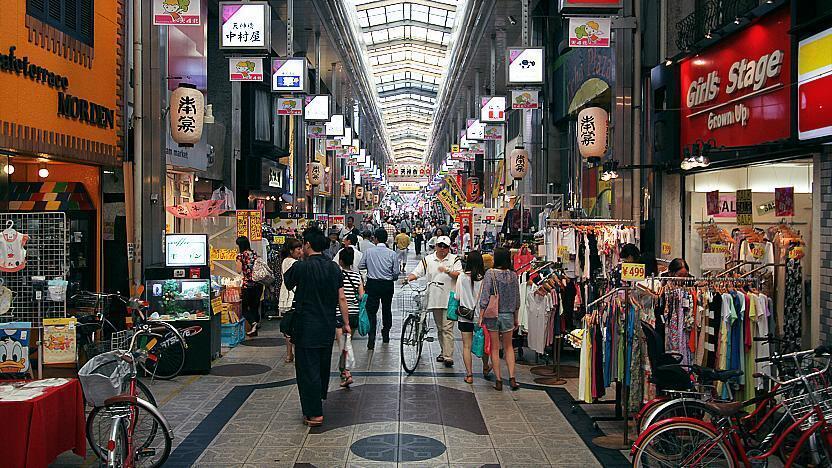
This Japan shopping guide for Indians covers what to buy, where to buy it, and why Japan makes things the rest of the world simply hasn’t figured out yet. Japan has a consumer culture problem: it keeps inventing things that make the rest of the world’s products look unambitious. The fan jacket. The 40-speeds mini hand fan that every commuter carries. The 7-Eleven coffee machine that makes a better latte than most independent cafés. The ¥300 rice cooker meal that beats a restaurant.
This blog is in two parts. First, the products that will genuinely surprise you, things Japan makes that you won’t find at home. Second, the practical shopping list: what to buy for yourself and as gifts, organised by category with prices and where to find them.
Before I start, let me share a 5-10% discount code across all Mitsui-operated shopping destinations in Japan:
1. Mitsui Outlet Park- outlet mall with domestic and international brands at outlet prices
2. Mitsui Shopping Park (LaLaport)- large malls with fashion, dining, entertainment (locations in Tokyo Bay, Toyosu, Fukuoka, Expocity)
3. DiverCity Tokyo Plaza- Odaiba, Tokyo- popular brands plus the famous Gundam statue
4. COREDO Muromachi- Nihonbashi area, Tokyo- Japanese culture focused mall
5. Lazona Kawasaki- 330 stores directly connected to Kawasaki Station
If you want the full Japan trip context, read my main 10-day Japan blog here.
SECTION 1: Products That Will Amaze You
1. Air-Conditioned Jackets (Kuchofuku / BURTLE AIRCRAFT)
Two battery-powered fans are built into the lower back of a lightweight jacket. You turn them on, air inflates through the jacket body, and your core temperature drops by 4-8°C. Originally designed for construction workers enduring Japan’s brutal summer humidity because hardhat culture wouldn’t tolerate executives turning up in cool offices while labourers roasted in 38°C heat. Now sold as everyday consumer fashion.
The leading brands are Kuchofuku (the original, launched 2004) and BURTLE AIRCRAFT (Japan’s #1 selling fan-jacket brand, developed with Kyocera electronics). Five fan speeds. Up to 17 hours on a charge. Available in both vest and full jacket formats.
Cost: ¥6,000-15,000 (~₹3,600-9,000). Available at Don Quijote, Workman, and online.
Initially, you must be thinking why does Japan need this? It’s a temperate country that receives ample snowfall. Such a product is needed in equatorial nations. I thought so too but then I went in August and got my answer. Read this heat warning before you go.
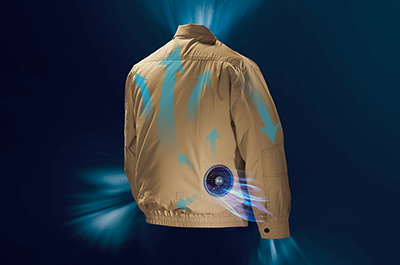
~Rs 11k for both where I had checked
2. Mini Handheld Electric Fan (ハンディファン, Handifan)
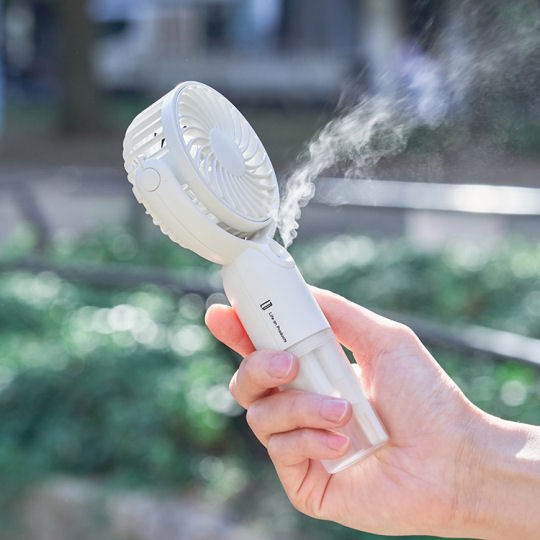
A pocket-sized battery-powered personal fan, roughly the size of a TV remote, used openly by all genders, all ages, in all public spaces. Salarymen in suits hold them. Grandmothers cool their faces at temple queues. University students carry them like phones.
These exist in other countries. Japan made them mainstream culture. The social permission to use a small fan in public, without it looking unusual, is purely Japanese. You’ll feel the same relief and the same social discomfort lasting approximately 45 seconds before you stop caring.
Cost: ¥1,000-3,000 at any konbini or Don Quijote. Buy one on Day 1 if visiting in summer.
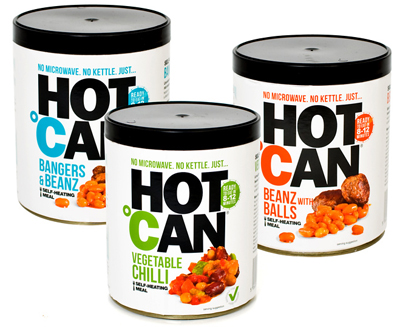
3. Self-Heating Canned Food and Drinks
A can with a built-in chemical heating reaction where you pull a tab on the bottom, wait 90 seconds, and your coffee, sake, or oden broth is hot. No microwave, no flame. Used by construction workers, hikers, and convenience store regulars throughout Japan’s cold months.
The hot canned coffee (缶コーヒー – Kanzakōhī) in Japanese vending machines is the mainstream version where you insert ¥130, out comes a heated can of coffee in 30 seconds. Hot canned beverages are available in virtually every vending machine from October to March; cold options dominate summer.
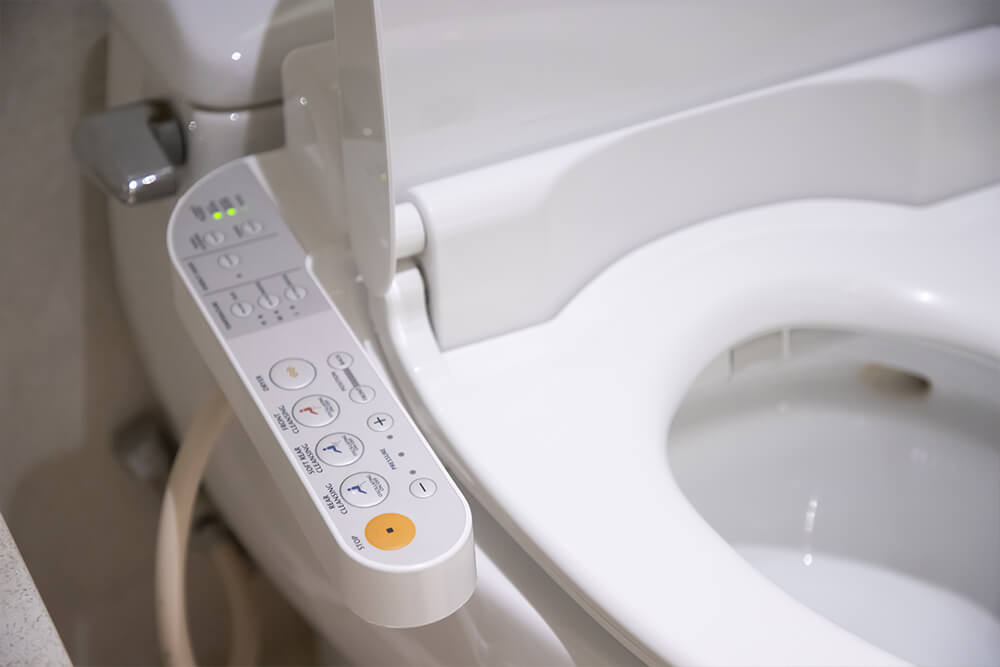
4. Heated Toilet Seat (Washlet)- As a Portable Product
You already know the Washlet from its in-place presence in every Japanese bathroom. What surprises people is that you can buy the toilet seat itself to take home. TOTO and Panasonic produce washlet seat units that retrofit onto standard Western toilet bowls. The basic model that does heated seat + bidet starts at ¥20,000-35,000 (~₹12,000-21,000) at electronics stores.
Many Indian travellers who experience Japan’s toilets spend the entire trip trying to figure out how to bring one home. This is your answer- Japanese Toilets explained.
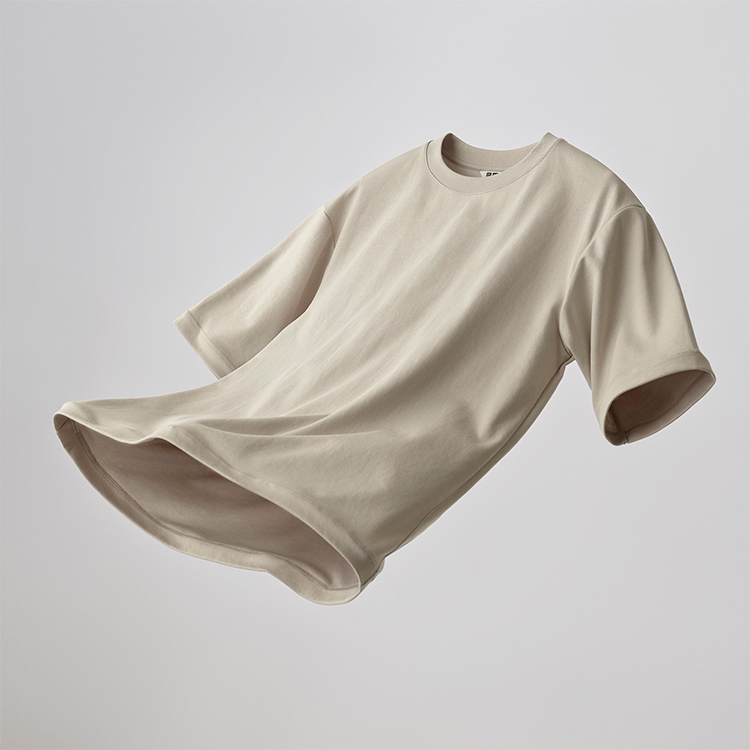
5. Heat-Tech and AIRism Functional Fabrics (Uniqlo)
Not a single product but a category of proprietary fabric technology that justifies its own entry. Uniqlo’s Heat-Tech uses moisture from your skin to generate heat is a base layer that literally warms you as you wear it without visible thickness. Available in ultra-light to ultra-warm grades. AIRism is the cooling-season inverse for moisture-wicking, sweat-evaporating, anti-bacterial, thin enough to feel like wearing nothing.
Neither concept is new. Uniqlo’s execution at ¥1,500-2,500 for a base layer is what makes it remarkable. The Heat-Tech range in Japan has 20+ variants including face masks, tights, inner neck warmers, and gloves. Only a fraction of this range is available in India.
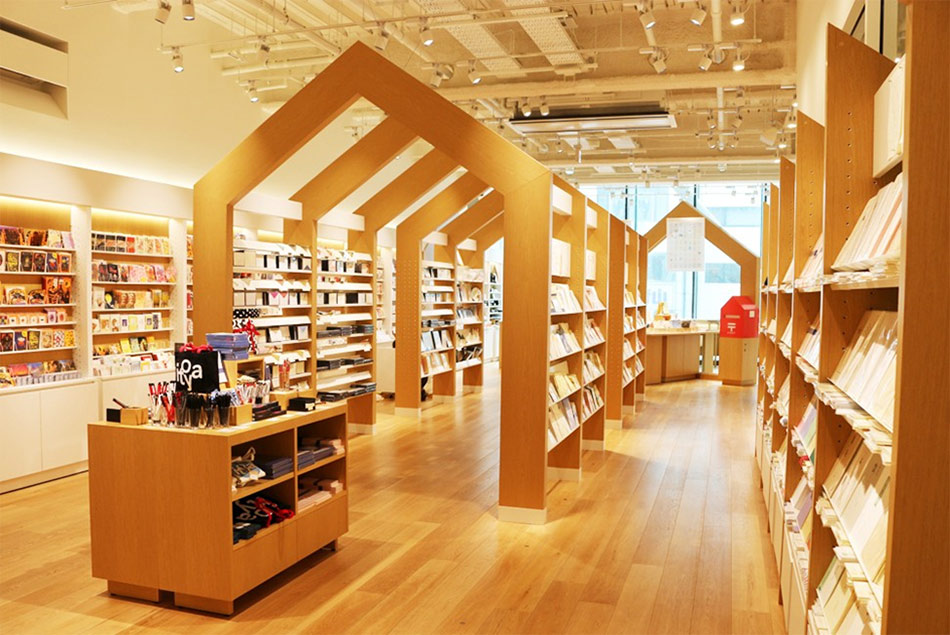
6. Precision Stationery, more than Pens and Pencils That Are Engineering Projects
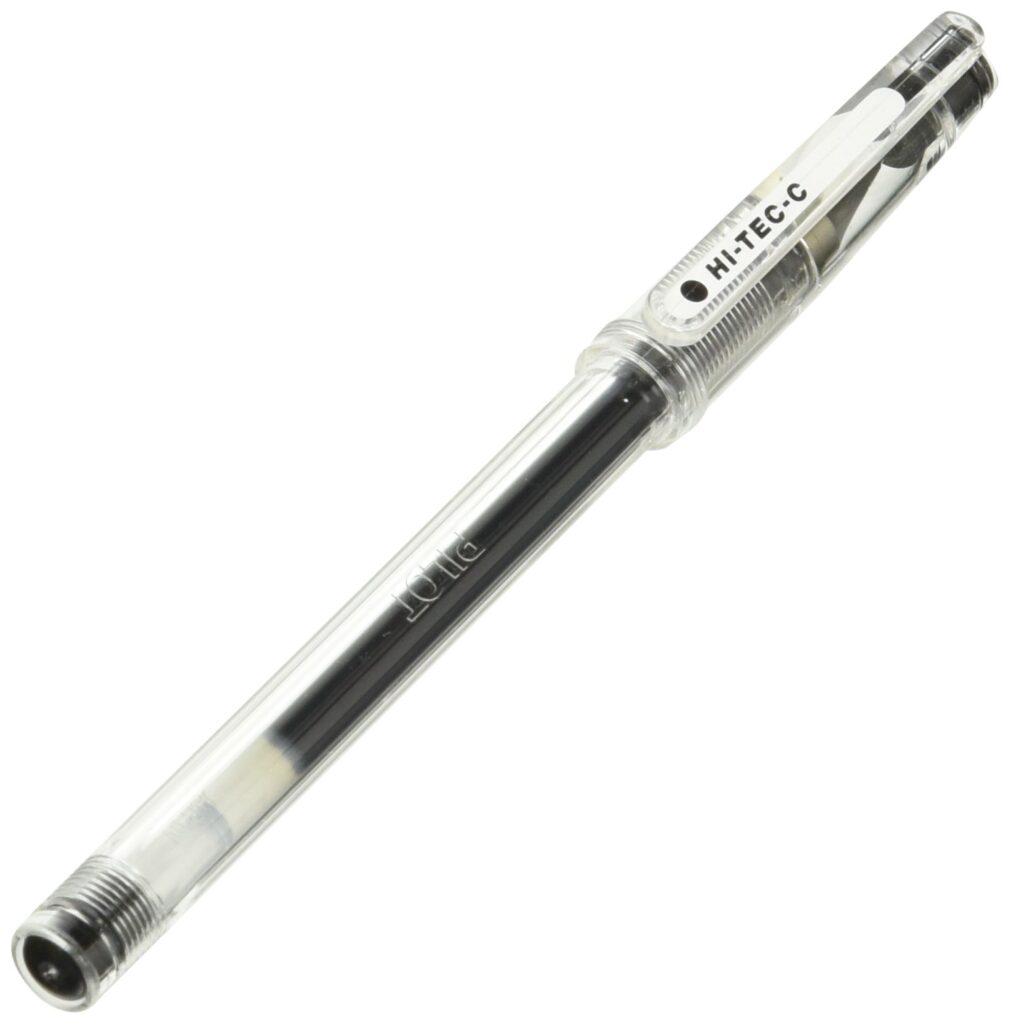
The Pilot Hi-Tec-C (0.3mm gel ink pen), the Zebra Sarasa Clip, the Pentel Energel, the Mitsubishi Uni-ball Signo is Japan makes ballpoint and gel pens that write at widths of 0.25mm to 0.7mm with ink that doesn’t blob, streak, or skip. Indian stationery culture has been caught up with Japanese pen imports for years, but the selection in Japan itself at a Loft or Itoya is like a pen museum. Same for mechanical pencils: Uni KURU TOGA rotates the lead automatically as you write so the tip never goes dull.
Cost: ¥150-600 per pen/pencil. Excellent, lightweight souvenir. Available at Loft, Itoya (Tokyo Ginza), and any stationery shop.
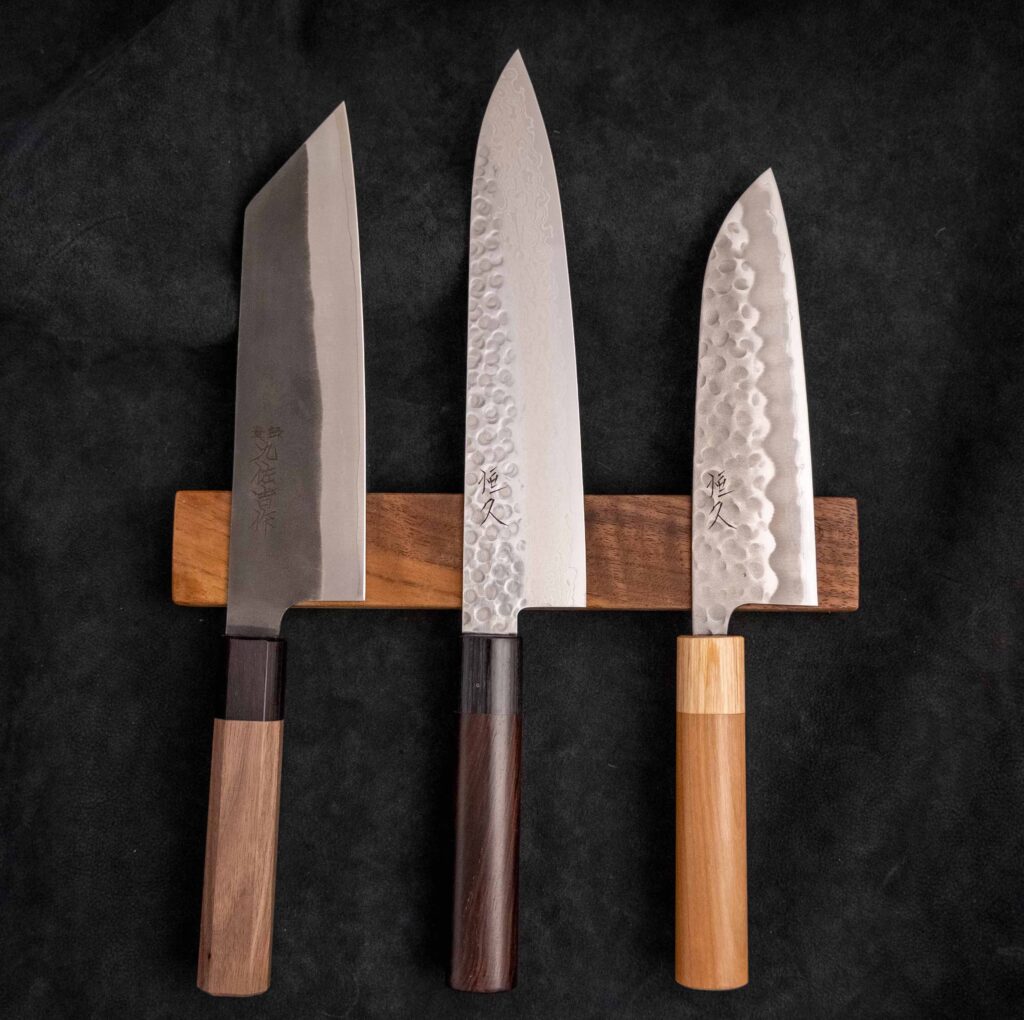
7. Japanese Kitchen Knives are Professional Grade at Accessible Prices
A Japanese Santoku knife made in Sakai (Osaka) or Seki (Gifu) starts at ¥3,000-5,000 for a quality hand-forged steel blade that will last decades. The steel quality (VG-10 or white steel), edge geometry (15-17° vs Western 20-25°), and sharpness level are significantly beyond what comparable Indian or European kitchen knives offer at the same price.
Available at Kappabashi Kitchen Town (Asakusa, Tokyo has an 800m stretch of wholesale kitchen equipment) and specialty knife shops. For Indian home cooks: the vegetable knife (nakiri) specifically designed for vegetables is the most relevant purchase.
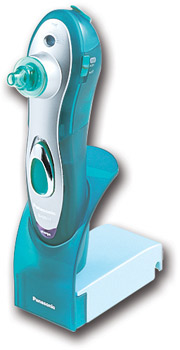
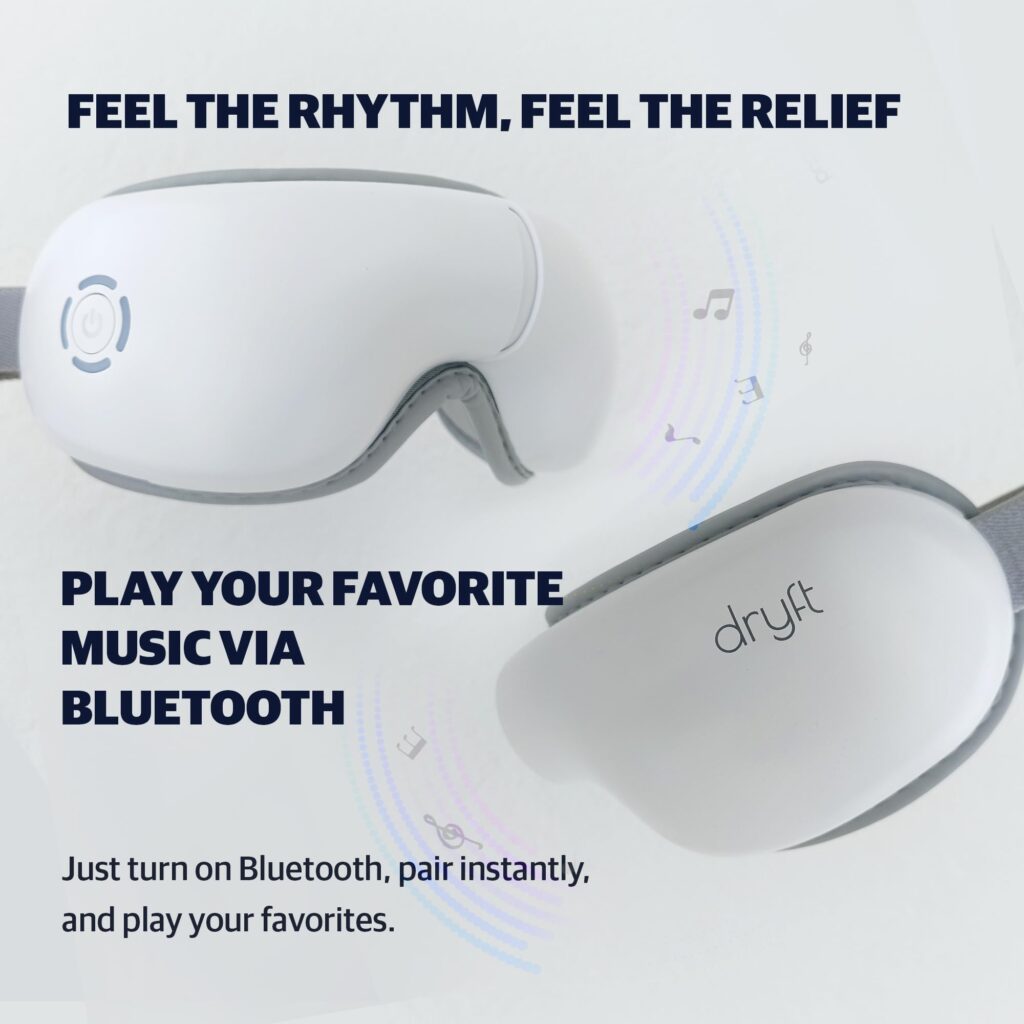
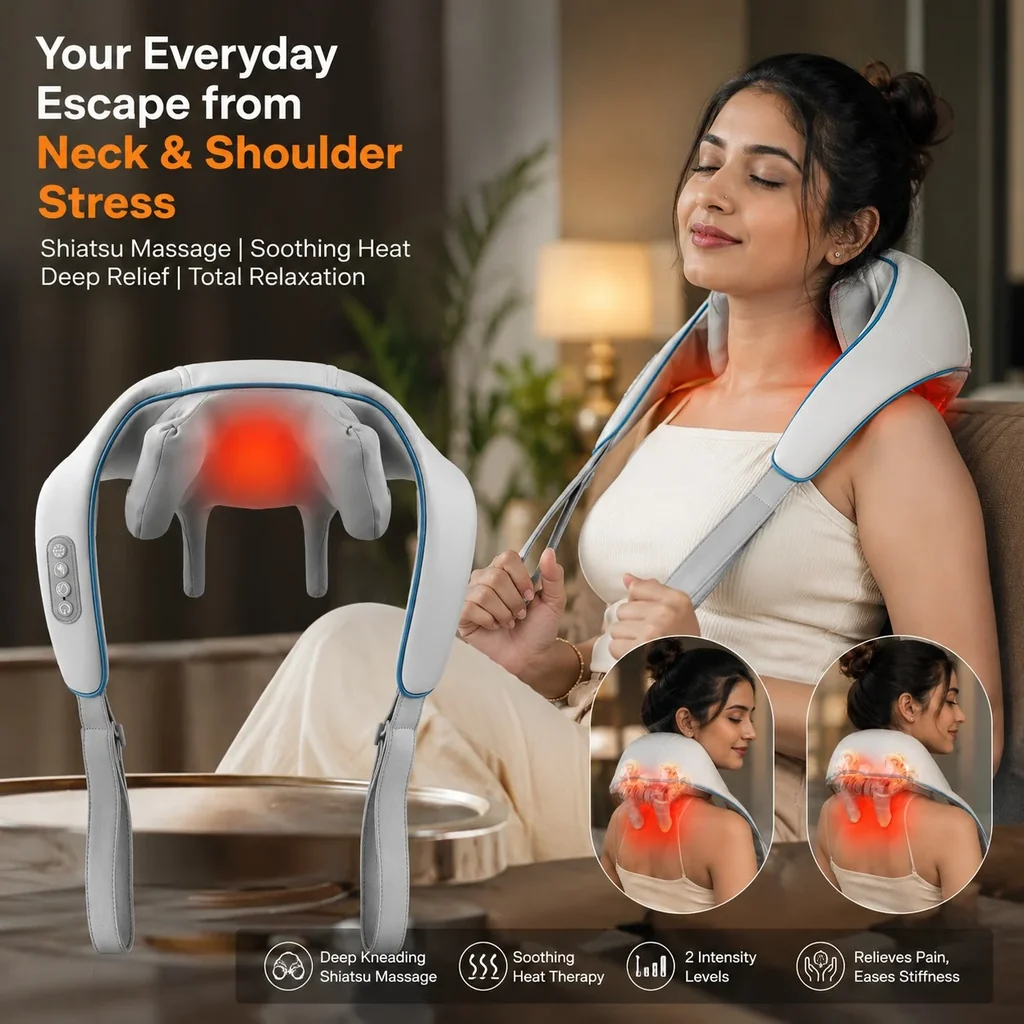
8. Omron/Panasonic Personal Health Devices
Japan’s domestic consumer electronics market has personal health tools that aren’t exported elsewhere: ultrasonic face washers (Panasonic EH-2511), eye massagers (Rhythmy Eye Massager), shoulder and neck shiatsu massagers (Osim competitor devices), blood pressure monitors that fit in a pocket. The design is exceptionally compact and the quality is medical-grade.
Available at Yodobashi Camera or Bic Camera (both offer tax-free shopping and sometimes ship internationally).
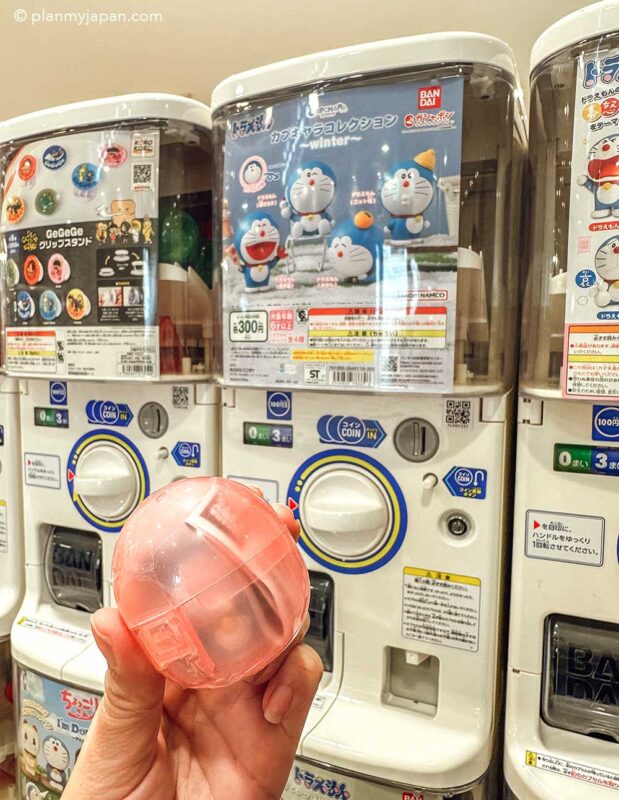
9. Capsule Toy Machines (Gachapon) is The Collectible That Became a Culture
¥100-500 per capsule from a vending machine dispenses a random miniature are hand-painted figurines, miniature food replicas (tiny sushi!), mini-usable everyday objects (thumb-sized scissors that actually work), and licensed character goods. Japan produces over 17,000 types of gachapon annually. Dedicated gachapon floors (Gachapon Kaikan in Akihabara, multiple Ikebukuro locations) have hundreds of machines.
The appeal is part gambling, part collection, part craft appreciation. At ¥300-500 per capsule, it’s the most affordable collectible market in the world.
SECTION 2: The Japan Shopping Guide
Clothes and Basics
[See Japan Clothes Shopping Guide]
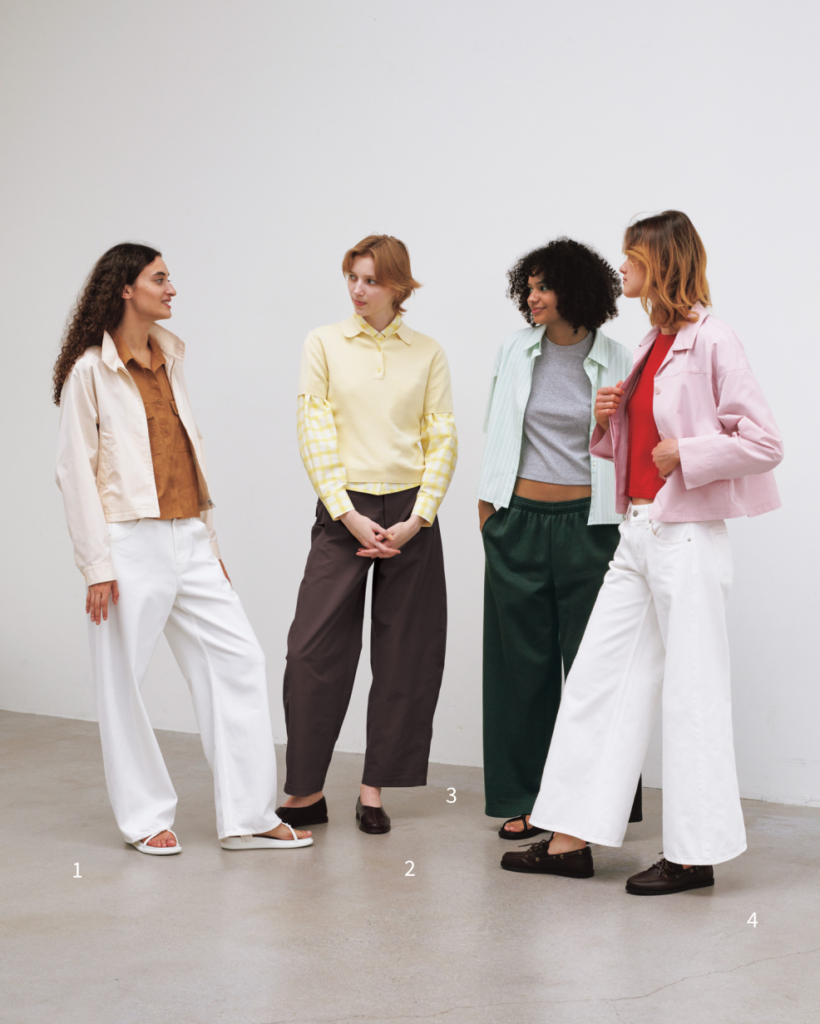
Uniqlo Japan’s Uniqlo is 30-40% cheaper than India and has lines unavailable overseas. Must-buy:
- Heat-Tech Ultra Warm (base layer) for ¥2,500 (~₹1,500)
- AIRism Seamless T-shirt for ¥2,000 (~₹1,200)
- Ultra Light Down jacket for ¥5,990 (~₹3,600); folds to the size of a water bottle
- UTme! custom print T-shirt (Ginza and Harajuku flagships) is design your own, printed on the spot, ¥2,000
- Uniqlo x Peanuts/Kaws/Marimekko collaborations are Japan-specific designs that don’t reach Indian stores
Muji Focus on the clothing + home goods categories, not just food. Muji in Japan stocks its full range of bedding, towels, skincare, stationery, travel goods are at prices unavailable elsewhere. The right-angle socks (ergonomically shaped heel, highly rated) are a famous Muji-specific buy. ¥600-900/pair.
GU (Uniqlo’s younger sister brand) 30-40% cheaper than Uniqlo. Same parent company (Fast Retailing), trendier silhouettes, excellent quality basics for those who want fashion without the Uniqlo price. Most GU stores are Japan-only.
Marui (0101/OiOi) A mid-range department store chain focusing on Japanese youth fashion and emerging designers. Find labels here that aren’t in Uniqlo/Muji/GU is slightly edgier, slightly pricier. Shinjuku and Ikebukuro branches are largest.
Workman Japan’s workwear and outdoor equipment chain like Decathlon but designed for construction workers and outdoor professionals. Extraordinary value for rain gear, thermal base layers, hiking gear, and yes, fan jackets. Almost no English signage; worth exploring anyway.
If you are someone who wants to luxury goods but at lower prices, here is an option to buy second hand luxury mechandise.
Personal Care and Skincare
Japan’s drug store skincare is genuinely world-class and substantially cheaper in Japan than imported equivalents.
Skincare:
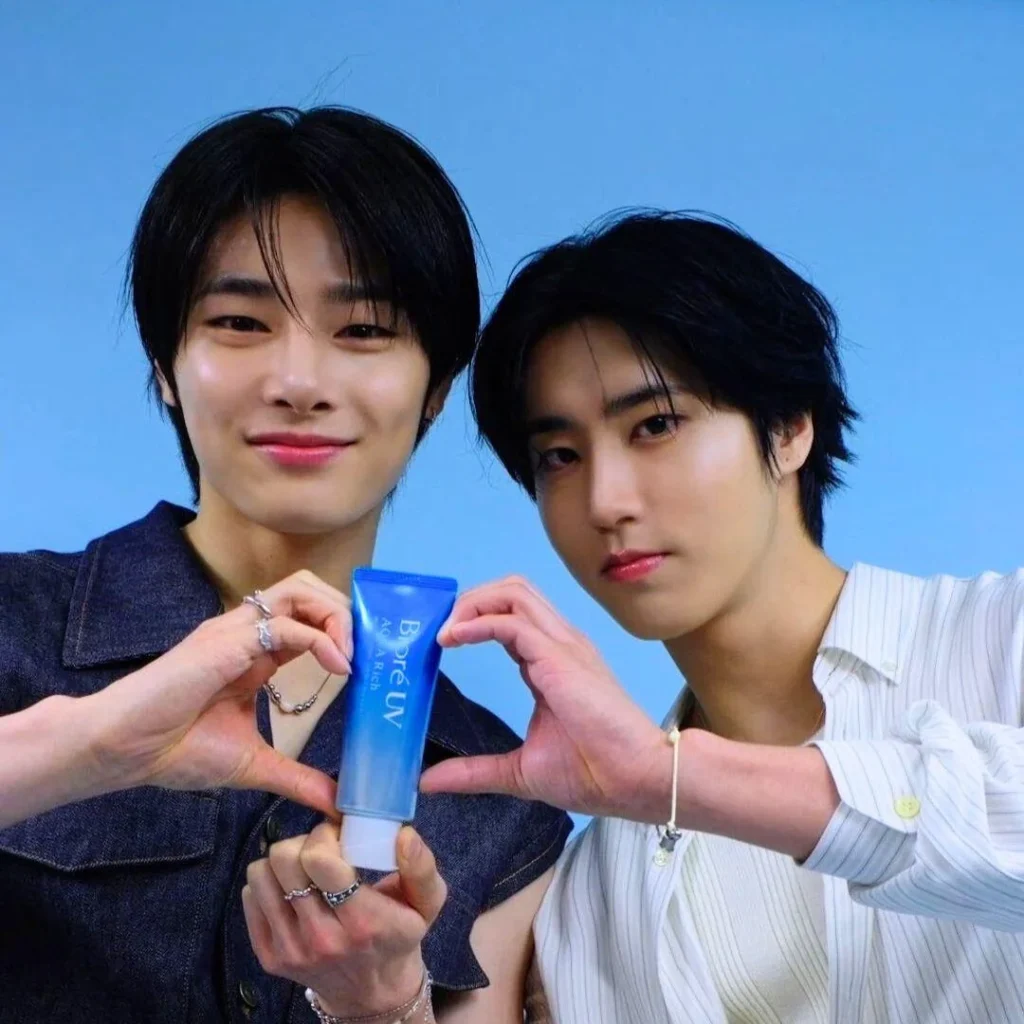
- Biore UV Aqua Rich Watery Essence SPF50+ is Japan’s most celebrated sunscreen; ultra-light, no white cast, ¥900-1,200 at any Matsumoto Kiyoshi or Welcia drug store. Stock up, the Japan formula is better than the export version.
- Rohto Hadalabo Gokujun Hyaluronic Acid Lotion is Japan’s most popular hydrating toner. ¥700-900.
- Curel Ceramide Moisturiser for sensitive/dry skin. ¥1,200-1,800.
- SNIDEL BEAUTY / CANMAKE / CEZANNE is a Japanese cosmetics brands with quality-to-price ratios far beyond most Indian or European drugstore equivalents.
Hair:
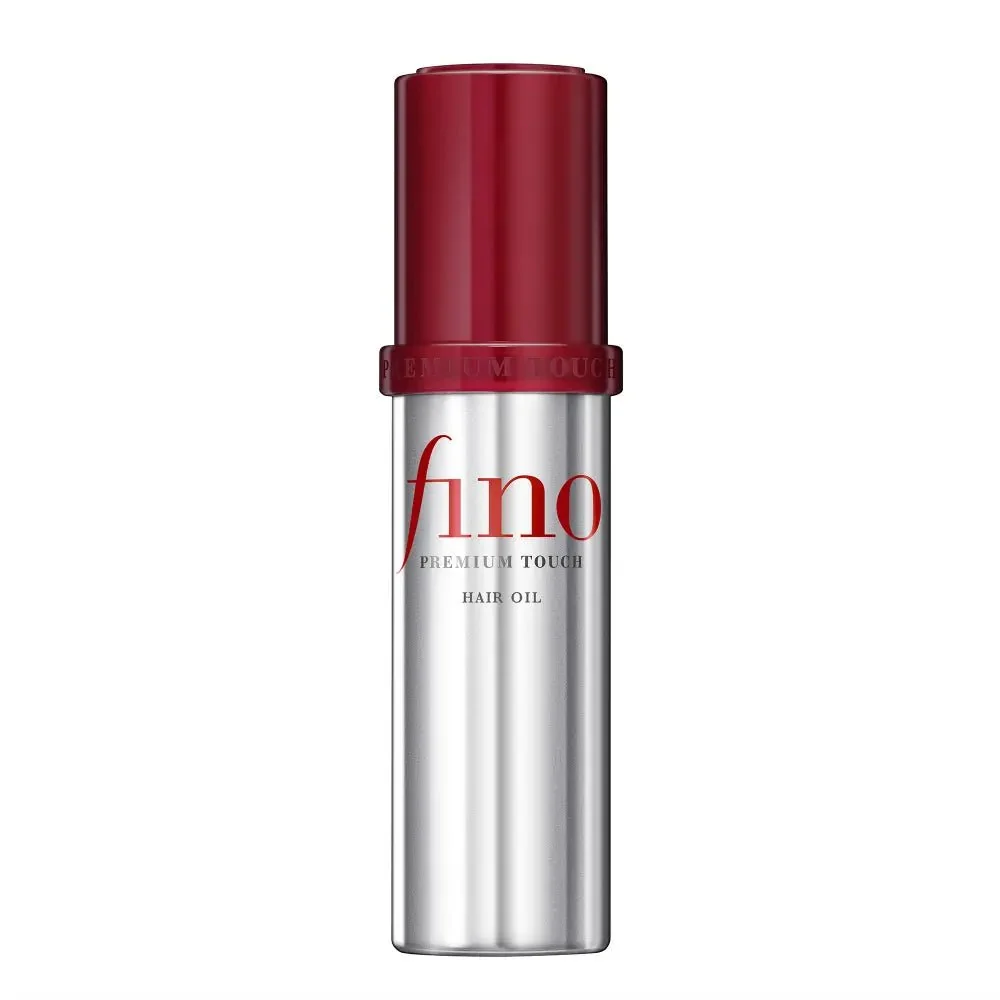
- Fino Premium Touch Hair Serum is the hair mask that Indian travellers to Japan consistently come home raving about. An intensive weekly treatment mask that genuinely transforms dry or damaged hair. ¥500-700 for a large jar. Don Quijote and drug stores everywhere.
- LUX Super Rich Shine Damage Repair (Japan formula) for ¥700-900; the Japan version uses a different formula from the Indian LUX.
- Yanagiya Hair Tonic is classic Japanese tonic for scalp health; red bottle, medicinal smell, remarkable results for those with scalp concerns. ¥700.
Oral care:
- Ora2 toothpaste is Japanese whitening toothpaste with a mild abrasive formula; multiple variants. ¥500-700.
- GUM toothbrushes are Japan’s premium toothbrush brand, ergonomic handle, very fine bristles. ¥500-800.
Shop at: Matsumoto Kiyoshi, Welcia, Tsuruha Drug, Cosmos Drug, Don Quijote (lower prices but checkout is slower). Tax-free available with passport at ¥5,000+ spend.
Food and Snacks
Everything here makes excellent souvenir gifts are compact, non-perishable, and genuinely superior to Indian equivalents.
Matcha:
- Uji Matcha Powder (from Nakamura Tokichi or Tsujiri in Kyoto) is ceremonial grade, deep flavour, nothing like the Tata or Davidoff matcha tins. ¥1,500-4,000 per tin.
- Matcha Kit Kat is the original and still the best. Authentic Japanese Kit Kat flavours include: matcha, Uji matcha, hojicha, sakura, wasabi, rum raisin, melon, regional specials. Buy at airport Duty Free or Don Quijote.
Snacks:
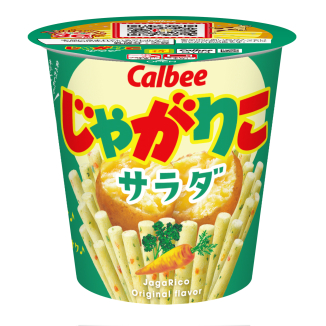
- Calbee Potato Farm (じゃがりこ / Jagariko) is thick, crunchy potato stick-tubes in multiple flavours; butter, cheese, takoyaki. ¥200-350. Perfect travel snack; stackable packaging.
- Calbee Sapporo Classic Potato Chips are thicker, crunchier, real potato flavour that Indian chips have never matched
- Glico Pocky is the original and the full flavour range: matcha, strawberry, Almond Crush, Men’s Dark. ¥200-300.
- Meiji Milk Chocolate is Japan’s dairy quality transforms ordinary milk chocolate into something worth buying.
- Kameda Kaki no Tane are rice crackers with wasabi-coated peanuts; comes in dozens of flavour combinations; excellent gift.
- Nori (Dried Seaweed) are quality varieties from Hakodate and Tohoku coast, used for sushi/rice. Nothing like the Haldirams nori sheets. Buy vacuum-sealed packs at airport.
- Mentaiko spice seasoning packets are Fukuoka’s spiced cod roe seasoning in dried packet form; used to flavour pasta, rice, or toast. Unusual, addictive gift for cooks.
Drinks:
- Canned Suntory Boss Black Coffee– Japan’s canned coffee culture is unmatched; Boss Black has no milk, no sugar, real coffee taste.
- Pocari Sweat– Japan’s original electrolyte sports drink; superior to Gatorade or Glucon-D for rehydration.
- Umeshu (plum wine)- Choya brand; widely available; ask customs regulations before packing.
- Japanese whisky miniature sets– Hibiki Harmony, Yamazaki, Hakushu in 180ml miniature format; ¥2,000-4,000; excellent gifts. See sake and alcohol guide. Also, if you are a whiskey lover, you should try out this premium whiskey experience with a professional bartender in Tokyo.
If you are looking for supermarket specific finds from chains like 7-11, Lawson, FamilyMart, then this is your guide.
Footwear
Onitsuka Tiger Japan’s original athletic shoe brand, founded 1949 in Kobe as the precursor to Asics. The Mexico 66 and California models are the most popular silhouettes. Cheaper in Japan by 25-40% versus India import prices. Flagship stores in Harajuku and Shinjuku. ¥12,000-18,000 (~₹7,200-10,800).
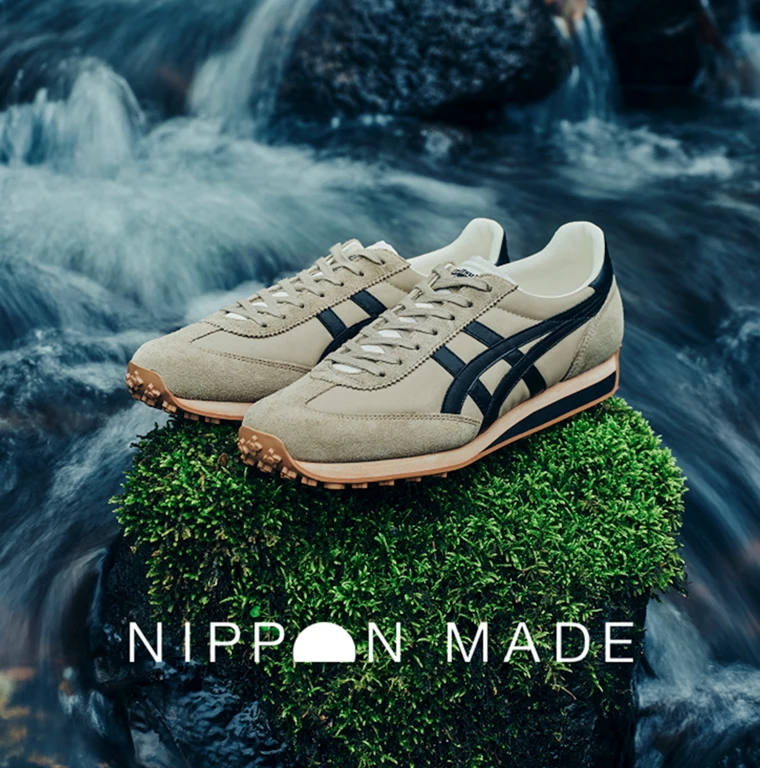
Asics Gel-Nimbus / Gel-Kayano (Japan exclusive colours) The Asics flagship store in Tokyo (Harajuku) carries Japan-exclusive colourways unavailable internationally. Running shoe quality is consistently rated top-tier. ¥15,000-22,000 for performance models.
Mukku / Moonstar Japanese tabi-style shoes Traditional split-toe footwear in modern casual designs- unusual, light, durable, and very Japanese. Available in Kyoto craft shops. ¥5,000-12,000.
Stationery and Paper
Japan’s stationery culture is its own tourism category.
- Pilot Hi-Tec-C (0.3mm/0.4mm gel pen) are ¥150-220; writes like a dream, doesn’t bleed through paper
- Uni KURU TOGA mechanical pencil from ¥500-700; self-rotating lead, always sharp
- Midori Traveler’s Notebook is a premium passport-sized notebook with replaceable inserts; the most sophisticated notebook for travel journals. ¥4,500 for the starter kit.
- Hobonichi Techo is Japan’s cult annual planner/journal; deep paper quality, minimal design, multiple cover options. ¥3,000-4,000; sold at specific shops (Tobichi, Loft).
- Washi tape is Japanese masking tape in hundreds of patterns and widths; used for journalling, wrapping, decoration. ¥200-600 per roll. Excellent gifts. Best selection at Loft or specialty washi tape shops.
- Itoya (12 floors, Ginza Tokyo) is the best stationery shop in the world. Allow 45 minutes.
Kitchen and Home
- Japanese kitchen knives (Santoku, Nakiri) from ¥3,000-15,000. Best bought at Kappabashi Kitchen Town (Asakusa, Tokyo).
- Ceramic chopsticks and holders are Kiyomizu-yaki porcelain chopstick sets from Kyoto; ¥1,500-5,000 as a set; exceptional gifting.
- Bento boxes (Magewappa bentō) are traditional cedar wood bento boxes, handcrafted; naturally antibacterial; ¥5,000-15,000. Weight is manageable in check-in luggage.
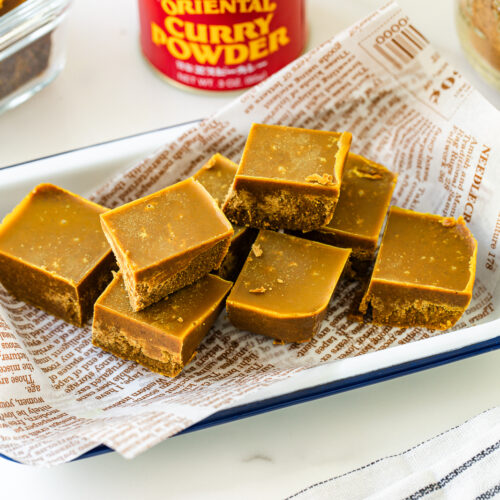
- Japanese Curry Roux blocks like S&B Golden Curry and House Vermont Curry in blocks; these are what Japanese curry is made from; available in Tokyo supermarkets and airport. ¥300-500 per box; makes 8 servings.
- Hario Glass Kettle and V60 pour-over for coffee enthusiasts; Japan’s most respected coffee equipment brand. Lighter than you’d expect. ¥2,500-6,000.
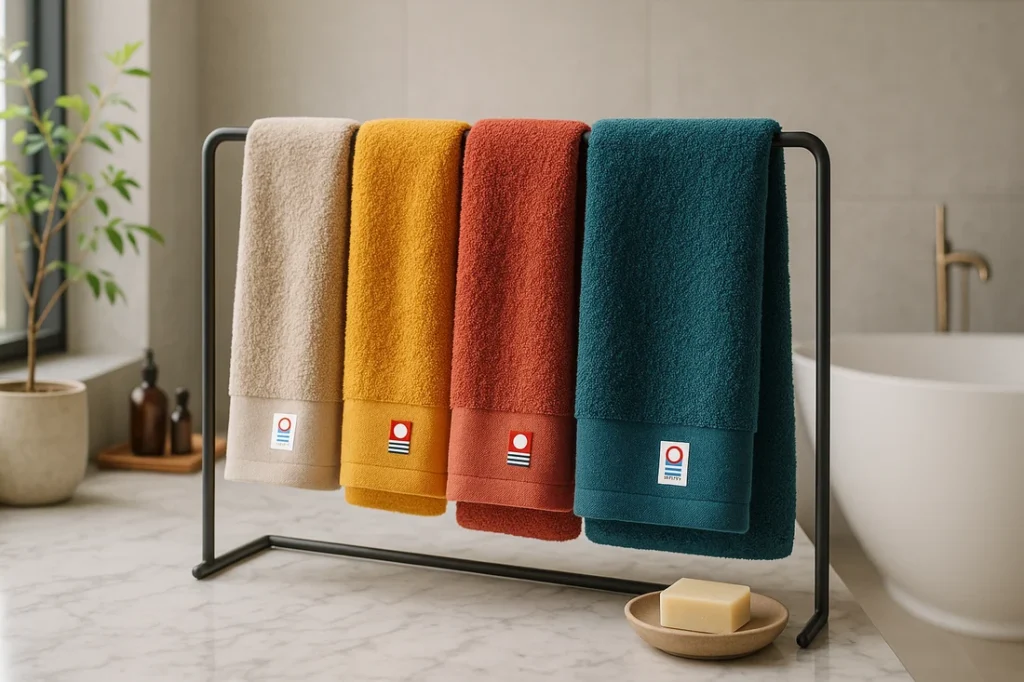
- Imabari Towels are Japan’s highest-quality cotton towels; soft loop construction, extremely absorbent, lasts years. ¥1,500-4,000 per towel. Available at department stores and souvenir shops in Ehime/Matsuyama.
Electronics and Gadgets (wink)
- Portable battery/power banks (Anker Japan): Japan’s Anker range has models not exported; 33W compact GaN chargers from ¥2,500-4,000. Tax-free at electronics stores with passport.
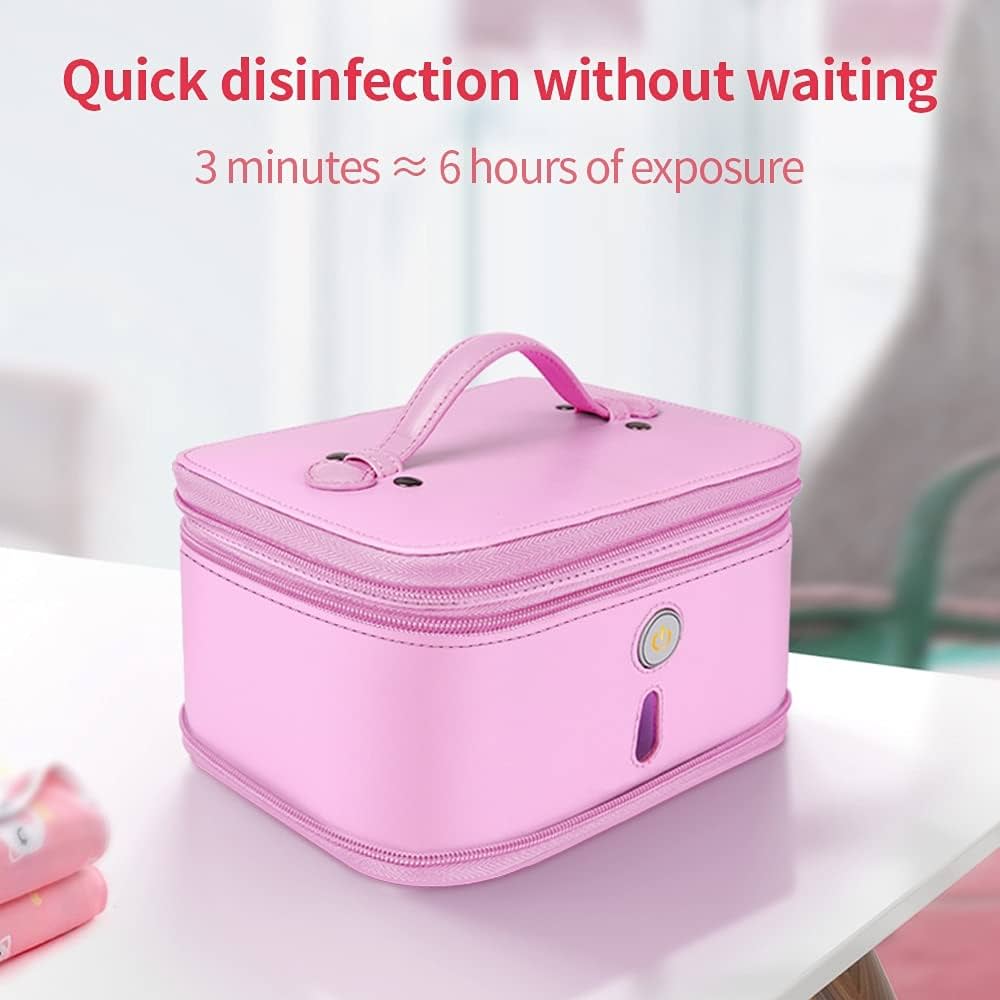
- Mini UV steriliser bags: small ziplock bags with a UV-C strip inside; put your phone, glasses, keys inside and run a 5-minute sterilisation cycle. ¥2,000-4,000.
- Casio watches (G-Shock Japan exclusive): Casio’s Japan domestic market has limited-edition G-Shocks and Baby-G models unavailable overseas. ¥10,000-25,000 at Yodobashi Camera.
- Adult Toys at M’s Pop Life (Akihabara): Widely reported as the world’s largest adult department store, spread across 7 floors in Akihabara. Beyond the obvious categories, the 4th floor stocks genuinely inventive novelty items, including Mt Fuji shaped condoms in illustrated packaging, that make for a tasteful and very memorable gift for adult friends. Entry is free, browsing is completely normal and low key by Japanese retail standards, and photography is strictly not allowed inside. Read the full walkthrough on my dedicated blog here.
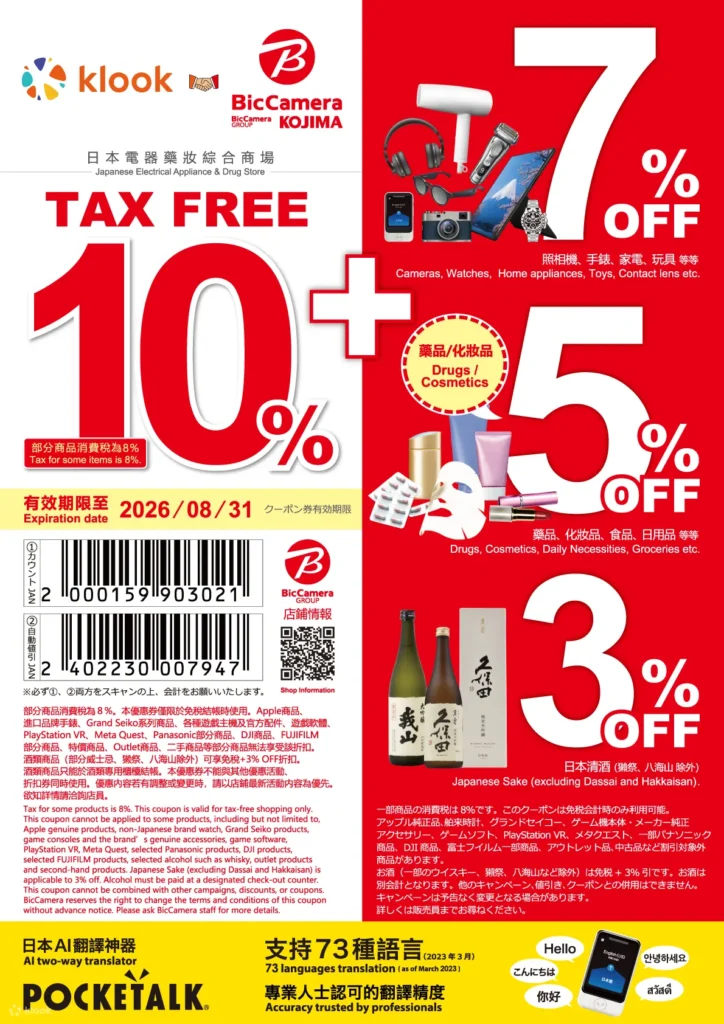
BIC is the largest electronics retailer in Japan. Here is a 5-7% discount coupon for you.
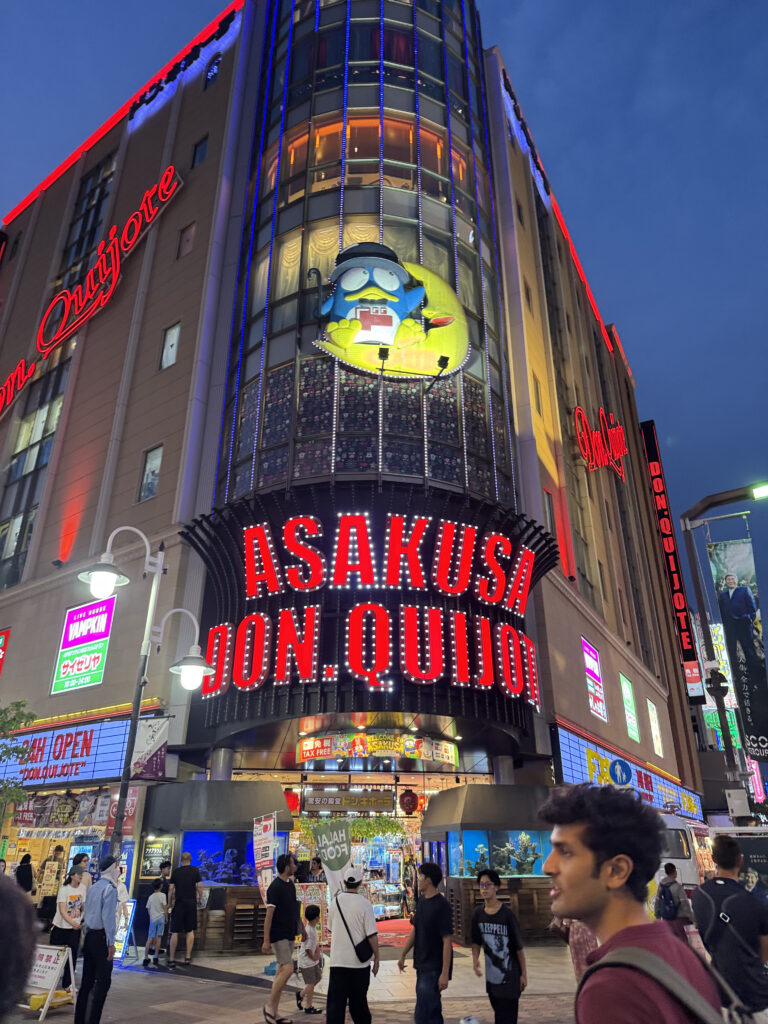
Don Quijote: The Everything Store
Every shopping list for Japan should include at least one Don Quijote run. The 24-hour, chaotic, six-floor Tokyo institution sells everything from fan jackets to Kit Kats to tax-free electronics to Fino Hair Serum to Biore UV at lower prices than department stores. Bring your passport for tax-free processing at ¥5,000+. Don’t plan to spend less than 90 minutes here.
Here is a Special Don Quijote Discount code across all Donki stores.
100 Yen Shops: Daiso, Seria and the Rest
Somewhere around day two or three of any Japan trip, you will need something small. A phone charger, a folding fan, ten cheap gifts for coworkers, or a way to squeeze your shopping back into your suitcase.
The answer to all of these is the 100 yen shop, known locally as hyaku-en shoppu or simply hyakkin.
What is actually inside: Despite the name, these are not clearance bins. Expect thousands of genuinely well made items across kitchenware, stationery, bath and beauty products, storage boxes, travel accessories, snacks, seasonal decor, toys, craft supplies, and small electronics. A single large branch can stock over 3,000 different products, and new items rotate in every month, so the same store looks different if you visit twice on one trip.
The four main chains and how they differ:
- Daiso is the largest and most recognisable, with over 3,600 stores in Japan and branches in 25 countries. Think of it as the “everything” store. If a product exists in this category, Daiso probably sells a version of it. Best for travel essentials, snacks, and broad souvenir shopping.
- Seria leans design forward, more boutique than discount store. It focuses on lifestyle goods, home decor, and stationery with a cleaner, more Instagram friendly aesthetic than Daiso. Strictly sticks to the 100 yen price point rather than mixing in pricier items, which locals genuinely appreciate.
- Can Do sits closer to Daiso in range but leans into trendy and family friendly items, character collaborations, and seasonal event goods. Stores are often inside train stations and shopping malls, making it an easy mid trip stop.
- Watts is the quieter fourth chain, functional and less concerned with branding, usually tucked into a corner of a supermarket or a small shopping street rather than standing as its own flagship building.
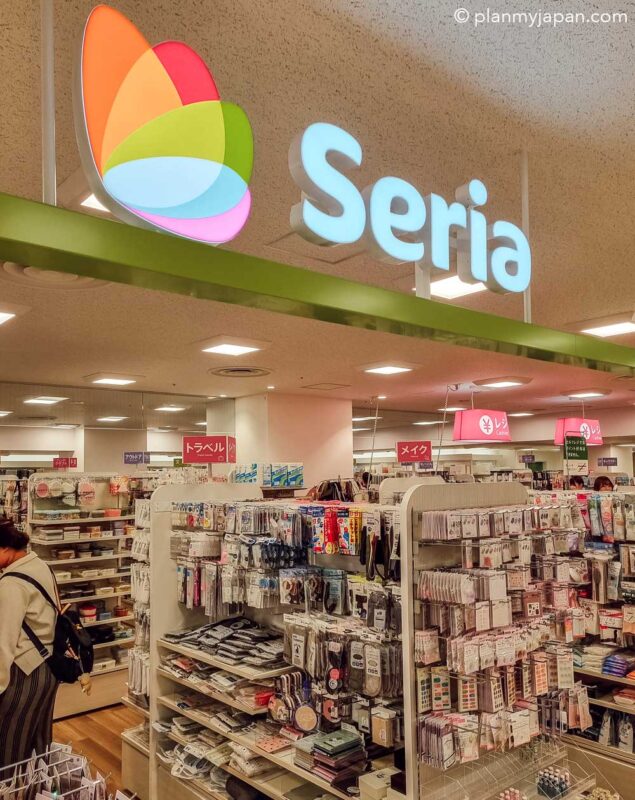
Where to find them: All four chains are dense enough that searching “Daiso” or “Seria” on Google Maps near any major station will show you one within a five minute walk. A few specific standouts worth knowing:
- Harajuku’s Takeshita Street Daiso functions as a tourist attraction in its own right, with English signage.
- Kyoto’s Teramachi covered arcade has a well stocked Seria, ideal on a rainy day.
- Osaka’s Shinsaibashi arcade and Namba area have large branches of both Daiso and Can Do.
- Hiroshima’s Hondori shopping arcade has all three major chains within about 300 metres of each other, useful if you want to compare before buying.
The pricing detail most tourists miss: the shelf price is before tax. A “100 yen” item actually rings up at 110 yen once Japan’s consumption tax is added. Larger or specialty items are increasingly priced at 200, 300, or 500 yen, and these are clearly tagged, but easy to miss if you are moving fast through a crowded aisle.
Best things to actually buy: folding fans, compact umbrellas, packing cubes and travel pouches, chopsticks and small tableware, washi tape and stationery, character themed cups and plates, phone stands, and small toys for kids. Skip electronics with safety certifications, such as chargers or adapters, since quality control at this price point is inconsistent. Save those for a proper electronics store instead.
Budget tip for your trip: hit a 100 yen shop on day one, not day nine. Stock up early on an umbrella, a water bottle, and anything else you forgot to pack, rather than discovering the store’s usefulness only on your way out of the country.
Quick Reference: Where to Buy What
| Category | Best Shop |
|---|---|
| Clothes basics | Uniqlo, GU, Muji |
| Youth fashion | GU, Marui (OiOi), Amerika-Mura |
| Skincare/personal care | Matsumoto Kiyoshi, Welcia, Don Quijote |
| Snacks and food | Don Quijote, airport duty-free, supermarkets |
| Shoes | Onitsuka Tiger (Harajuku), Asics flagship |
| Stationery | Loft, Itoya (Ginza), any konbini |
| Kitchen tools | Kappabashi Kitchen Town (Asakusa) |
| Electronics | Yodobashi Camera, Bic Camera |
| Souvenirs (traditional) | Nishiki Market (Kyoto), Nakamise (Asakusa) |
| Everything cheap | Don Quijote (everywhere) |
If you feel overwhelmed by the breadth and depth of things to buy and explore, you can even book your own shopping concierge.
Tax-Free Shopping in Japan: How It Actually Works
Japan charges a 10 percent Consumption Tax on most goods, and as a foreign tourist you can skip paying it entirely at the point of sale. This is not a refund you claim later at the airport. It is deducted or waived right at the counter, the moment you buy.
The purpose: Japan wants tourists spending freely without the tax burden that locals carry, and the government built the system to reward high street retail spending directly rather than making visitors chase down a refund desk before their flight.
The minimum purchase value: You need to spend at least ¥5,000 in a single transaction at one store on the same day. This combines both general goods (clothes, electronics, souvenirs) and consumables (food, drinks, cosmetics) under one threshold as of recent rule changes, so you no longer need to track two separate categories.
Where it can be used: Look for a “Tax-Free” sign at the entrance or checkout counter. It is widespread at department stores, Don Quijote, Uniqlo, Bic Camera, Yodobashi Camera, Matsumoto Kiyoshi, and most large retail chains. Small independent shops often do not offer it, so check before you commit to a big purchase there.
When it can be used: Any day, any time the store is open, as long as you are shopping on a temporary visitor visa and can prove it on the spot. So, carry your physical passport and show the document with the visa.
The steps:
- Shop as normal and take your items to the till
- Present your physical passport at checkout, a photocopy or phone photo will not be accepted
- The store either deducts the tax immediately from your bill or processes it as an instant adjustment, so you pay the tax free price right there. Works like a 10% discount.
- Some stores staple a receipt or tax-free slip into your passport, which stays there until you leave Japan
- Items must remain unused and technically stay in Japan until export, though in practice nobody checks your shopping bag once you leave the store
No airport queuing required: This is the biggest difference from countries like those in the EU. Since the deduction happens at the till, you do not need to visit a customs desk, fill out a refund form, or queue at the airport before your flight. You simply walk out with the discount already applied.
The one habit this demands: Carry your actual passport with you every single day of shopping, not left behind in the hotel safe. Most Indian travellers instinctively leave the passport locked up for safety, but in Japan that habit costs you a real 10 percent on every large purchase.
Now the possible bad news– Japan is reportedly moving from the current point-of-sale tax exemption system to an airport-based refund system starting November 2026. But this is not confirmed yet, fingers crossed.
FAQs
Q: What should I buy in Japan that I cannot get in India?
Start with the things Japan makes that genuinely do not exist elsewhere: air conditioned jackets, the Heat Tech and AIRism range from Uniqlo, portable Washlet toilet seats, and precision stationery like the Pilot Hi Tec C pen. These are not just cheaper versions of Indian products, they are categories that barely exist back home.
Q: Is Uniqlo actually cheaper in Japan than in India?
Yes, typically 30 to 40 percent cheaper, and Japan stocks lines that never reach Indian stores, including Uniqlo x Peanuts and Uniqlo x Marimekko collaborations. If you wear Uniqlo regularly, this alone can justify a shopping day.
Q: What is the single best all purpose shopping stop in Japan?
Don Quijote. It is a 24 hour, multi floor store that stocks everything from fan jackets to Kit Kats to tax free electronics at prices lower than department stores. Budget at least 90 minutes and bring your passport for tax free processing above ¥5,000.
Q: Are Japanese kitchen knives worth buying as a tourist?
Yes, especially a Santoku or Nakiri knife from Sakai or Seki. A hand forged blade starting around ¥3,000 to 5,000 will outperform most Indian or European knives at several times the price. Kappabashi Kitchen Town in Asakusa is the best place to buy one.
Q: What is the best Japan specific skincare to bring home?
Biore UV Aqua Rich Watery Essence SPF50+ is consistently rated Japan’s best sunscreen, and the Japan formula is genuinely different from the export version sold elsewhere. Fino Premium Touch Hair Serum is the other product Indian travellers keep coming back to buy in bulk.
Q: Can I bring Japanese kitchen knives and skincare through Indian customs?
Skincare and cosmetics travel without issue. Kitchen knives should go in checked luggage, never in carry on, since blades are restricted in cabin baggage under standard airline security rules.
Q: Where should I do most of my Japan shopping, Tokyo or Kyoto?
Tokyo for range and price, especially Yodobashi Camera, Bic Camera, and the big Don Quijote branches. Kyoto for traditional craft items like Kiyomizu yaki ceramics and Nishijin textiles that you will not find in Tokyo’s more modern retail districts.
Q: What is the most underrated souvenir on this list?
Japanese whisky miniatures. A 180ml Hibiki Harmony or Yamazaki costs a fraction of its Indian retail price and packs easily. Most travellers focus on Kit Kats and miss this entirely.
Q: Do I need to keep my tax-free receipts after leaving the store?
Yes, keep them until you exit Japan. Immigration officers occasionally ask to see the tax-free slips stapled into your passport at departure, though this is uncommon in practice. Do not discard them until you are through airport security on your way out.
Q: Can I get tax-free discounts if I forgot my passport at the hotel?
No, there is no workaround. Stores legally cannot process the tax-free deduction without seeing the physical passport at the time of purchase, and a photo or copy will always be refused. This is exactly why carrying your passport daily matters more in Japan than in most other countries you may have visited.
End Note
Japan does not just sell you things, it sells you a slightly better version of a problem you did not know you had. A jacket that cools you. A pen that never blots. A toilet seat you can actually take home. None of this is essential. All of it is the kind of shopping that makes you wonder why nobody else bothered to build it first.
Do not try to buy everything on this list in one trip. Pick a handful that genuinely solve something in your own life, whether that is a fan jacket for Indian summers or a Santoku knife for your kitchen, and let Don Quijote handle the rest in one chaotic, unforgettable 90 minute run.