 By Tarang Bansal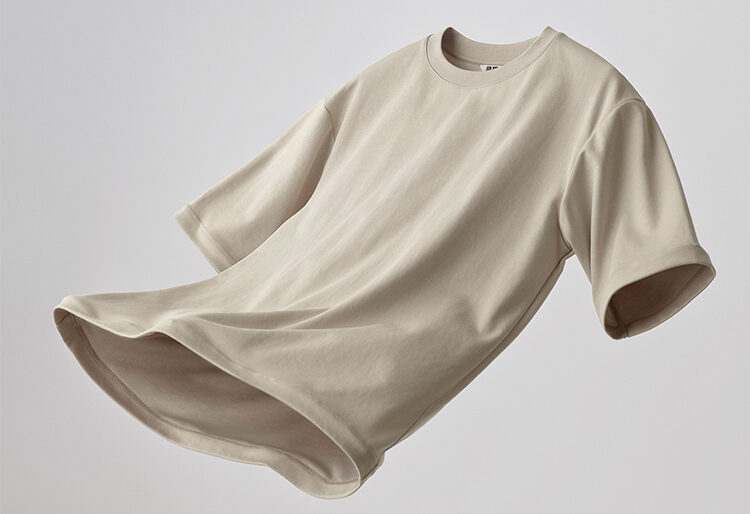

On a packed Tokyo train at 9am, I noticed something strange, nearly everyone was wearing some version of the exact same outfit as if they read the same Japanese Fashion Guide. Plain shirt, neutral pants, small black bag, white sneakers. An Indian’s take on Japan’s quiet uniform, why Uniqlo and Muji dominate, and what this style choice reveals about Japanese culture.
The first time I really noticed it was on the Yamanote Line in Tokyo, around 9 AM on a Tuesday.
The train car was packed. Maybe 60 people in one compartment. I scanned across them slowly. Salarymen in dark suits, sure. But everyone else- students, young women, retired people, parents with kids, hipsters, even the one guy who looked like he was in a band- was wearing some version of the same outfit.
White or beige top. Navy or grey or black bottom. Plain leather or canvas sneakers. A small black functional bag. Maybe a plain hoodie tied around the waist. No logos. No prints. No statement pieces. No accessorizing.
It looked like the entire compartment had been styled by the same person.
Over ten days across Tokyo, Kyoto, Osaka, and the small lakeside town of Otsu, this pattern held. Japan, the country that exports some of the most creative fashion in the world- Comme des Garçons, Issey Miyake, Yohji Yamamoto, Junya Watanabe- dresses, in everyday life, like a Uniqlo catalogue. Quiet. Functional. Uniform.
This post is about why.
If you want the full Japan trip context, read my main 10-day Japan blog here.
The Big Three: Uniqlo, Muji, GU
Three brands quietly dominate everyday Japanese clothing:
Uniqlo is the global one Indians know. Founded in 1949, public since 1994, now in 25+ countries. In Japan, Uniqlo is what H&M is in Europe- the default. Heat-tech innerwear in winter, AIRism in summer, Ultra Light Down in autumn, plain crewneck T-shirts year-round. The aesthetic is deliberately neutral. The price is mid-tier. The fit is reliable.
Muji (“MUJI” stands for Mujirushi Ryōhin– “no-brand quality goods”) sells everything from clothes to stationery to furniture. Their clothing line is even more minimal than Uniqlo’s: no logos at all, natural fabrics, earthy palette (oatmeal, charcoal, navy, off-white). If Uniqlo is a clean white sheet, Muji is the same sheet washed three times.
GU is Uniqlo’s younger sister brand- same parent company (Fast Retailing), priced 30-40% cheaper, slightly trendier silhouettes. Aimed at university students and price-conscious shoppers. Same DNA: muted colours, minimal prints, mass-produced precision.
Between these three, you’ve covered probably 60-70% of what the average Japanese person wears on a normal day. There are other Japanese brands of course- Beams, United Arrows, Issey Miyake’s Pleats Please for older women, but for daily wear, Uniqlo-Muji-GU is the trinity.
In India, Uniqlo has rapidly become the favourite of the urban middle class- Delhi, Bangalore, Mumbai, Hyderabad. The brand we associate with “good basics” is, in Japan, the brand most people quite literally never grow out of. People in their 50s and 60s wear Uniqlo. Teenagers wear Uniqlo. The Prime Minister probably owns Heat-tech.
The Uniform: Decoded the Japanese Fashion Guide
If you watch carefully, the Japanese daily uniform breaks down into a few patterns:
For office workers (the majority of weekday Tokyo):
- Charcoal or navy suit, white shirt, no tie or thin tie
- Black leather shoes
- Plain black laptop bag or briefcase
- Almost no accessories
For casual weekday women:
- Loose blouse in cream, white, or pastel
- High-waist navy or beige trousers, or a midi skirt
- White or beige sneakers (often Onitsuka Tiger or New Balance)
- A small black or beige crossbody bag- nothing oversized
- Minimal jewelry, often none
For casual weekday men:
- Plain T-shirt or polo, usually solid color
- Slim-fit chinos or relaxed-fit trousers
- White sneakers
- A small backpack or sling bag, almost always black
For weekends and younger crowds:
- Slightly more variation- wider pants, pleated skirts, oversized linen shirts
- Still neutral palette
- Statement pieces are usually a hat, a bag, or shoes- never the outfit
What you basically never see:
- Loud prints
- Bold colors (bright reds, oranges, electric blues)
- Logos plastered on clothing
- Heavy makeup
- Conspicuous jewelry
- Mismatched textures or layered statement pieces
The Japanese street style we Indians associate with Tokyo- Harajuku girls, Lolita fashion, decora kids- exists, but it’s a tiny percentage of the population, concentrated in specific neighbourhoods on weekends. The mainstream is calm, ironed, and quiet.
The Small Black Bag Phenomenon
One specific detail kept catching my eye: the bags.
Almost every Japanese person you’ll see is carrying a small, structured, black bag. Not a tote. Not a fashion handbag. A small, rectangular, functional bag. Big enough for a wallet, phone, tissues, hand sanitizer, a small umbrella, maybe a book. Not big enough to be a statement.
Brands like Anello, Porter (by Yoshida), and Coach Japan dominate this category. Even when someone splurges on a luxury bag, it’s typically a small Prada, a small Loewe, a small Coach- never the giant tote. The Japanese aesthetic preference is “carry exactly what you need, no more.”
Compare this to India, where everyone carries an entire ecosystem in one giant bag- laptop, makeup pouch, charger, water bottle, snacks, sometimes a second pair of shoes. In Japan, the bag carries the day’s essentials and nothing else. The rest waits at home or at work.
This is a tiny detail, but it’s a window into a much bigger philosophy.
Why Minimalism Won in Japan: Five Theories
Why did Japan, of all places, become the global capital of dressing-down?
1. Decision fatigue is a real cost in Tokyo. Japanese cities are dense. Commutes are long. Workdays are long. The average Tokyo office worker is making a thousand small decisions a day. Choosing a new outfit each morning is one decision they’ve collectively decided to remove. Same shirt today as yesterday? Fine. Same coat as last week? Fine. The mental energy goes elsewhere.
2. Group harmony (wa) discourages standing out. Japanese culture has a deep historical preference for wa– group harmony, blending in, not making others uncomfortable through individual expression. Loud fashion, by definition, breaks this. The uniform is partly social courtesy.
3. The post-war economic reset rewired aspirations. Post-WWII, Japan rebuilt with an obsession for quality and function. Brands like Muji literally formed in opposition to wasteful consumerism. The clothing reflects the same values: built to last, designed to function, free of vanity.
4. The climate genuinely favors layering basics. Japan has four sharp seasons. A Heat-tech base layer for winter, AIRism for summer humidity, Ultra Light Down for autumn- the Uniqlo product line is engineered for this. The uniform exists partly because the climate rewards layered functional pieces over standalone statement clothing.
5. There’s a cultural premium on small details. Japanese fashion isn’t actually anti-style. It just relocates the style to subtle places- the perfect cut of a plain shirt, the exact weight of a wool coat, the shade of off-white that flatters every skin tone. The uniform is monochrome, but obsessive about texture and fit. Yeh log basics pehente hain, but basics ko itna perfect karte hain ki style automatic ho jaata hai.
What This Reveals About Japan’s Broader Philosophy
The clothing is just the visible layer of a deeper habit.
Japan, more than perhaps any country I’ve been to, consciously removes effort from low-value decisions. The IC card removes the effort of buying tickets. The convenience store removes the effort of cooking. The vending machine removes the effort of finding water. The Washlet removes the effort of bathroom logistics.
Clothing is the same exercise applied to wardrobe. Dressing well is hard. Dressing in a tested, reliable uniform is easy. By choosing the second path collectively, Japan frees its citizens to spend their attention on work, family, hobbies, or just the quiet of their own thoughts.
In a country where the average work week is long and the average commute is over an hour, this isn’t laziness. It’s an applied philosophy: do not spend mental capital on decisions that don’t matter, so you can spend it fully on decisions that do.
What Indians Could Take From This
I’m not arguing all Indians should switch to navy chinos and beige Uniqlo polos. India is colorful for good reasons- climate, culture, occasion-rich social life. The festival outfit and the wedding lehenga aren’t going anywhere.
But there’s something useful in the Japanese principle for everyday life:
- A rotation of 7-10 well-fitted basics beats a closet of 100 occasional outfits.
- The small black bag beats the chaotic tote, daily.
- Choosing your daily outfit in 30 seconds is a quiet luxury.
- Quality fabric over flashy print, every time.
- Logos do not equal status.
Many of these are already happening in urban India. Uniqlo’s growth in Indian metros tracks exactly this shift. Indians who used to buy a new shirt every month now buy one well-fitted piece every quarter and wear it more often. The Japanese model is leaking in, just slowly.
A Quick Note on Shopping in Japan
If you’re going to Japan, two practical points:
1. Uniqlo is significantly cheaper in Japan than in India. Roughly 30-40% cheaper for equivalent items. The Heat-tech and AIRism lines have more variants. The seasonal sales (especially January and July) are aggressive. If you wear Uniqlo, plan to buy.
2. Muji’s home goods, stationery, and skincare are even better than its clothes. Walk into a flagship Muji store with empty suitcase space and walk out with a wardrobe of small, well-designed everyday objects.
👉 [INSERT AFFILIATE LINK: Onitsuka Tiger and Japanese sneaker shopping in Tokyo / Klook shopping passes]
Frequently Asked Questions
Q: Why do Japanese people dress so similarly? A combination of cultural preference for blending in (wa), a focus on functional quality over visual statement, and brands like Uniqlo and Muji making well-fitted basics affordable and accessible. Dressing simply reduces daily decision fatigue.
Q: Is Uniqlo cheaper in Japan than in India? Yes, roughly 30-40% cheaper for equivalent items. Plus the Japanese stores carry a much wider range of seasonal lines, exclusive collaborations, and specialty fabrics not available in Indian outlets.
Q: What is the most common bag carried by Japanese people? A small, structured, black or beige bag- usually crossbody for women, sling or backpack for men. Brands like Anello, Porter, and Coach Japan dominate. Oversized totes are rare.
Q: Where do Japanese people buy their everyday clothes? Mostly Uniqlo, Muji, and GU. For mid-tier upgrades, Beams and United Arrows. For premium, designer Japanese labels like Comme des Garçons, but these are a small percentage of daily wear.
Q: Is Japanese street fashion (Harajuku, Lolita) a big part of daily life? No. These styles exist and are visible in specific neighbourhoods on weekends, but the vast majority of Japanese people dress in quiet, neutral basics. The flamboyant styles are a tiny subculture, not the mainstream.
Final Word
If you walk through Tokyo expecting Harajuku-level fashion drama, you’ll be disappointed. What you’ll find instead is something quieter and, in its own way, more impressive: an entire country that decided collective minimalism was worth more than individual expression.
The Uniqlo catalogue look isn’t a fashion failure. It’s a philosophy applied to clothing. Save your decisions for what matters.
For the full Japan trip experience, read my main blog here.
Drop a comment if you’ve noticed Japan’s quiet uniform- and which brand you ended up bringing back the most pieces from.