 By Tarang Bansal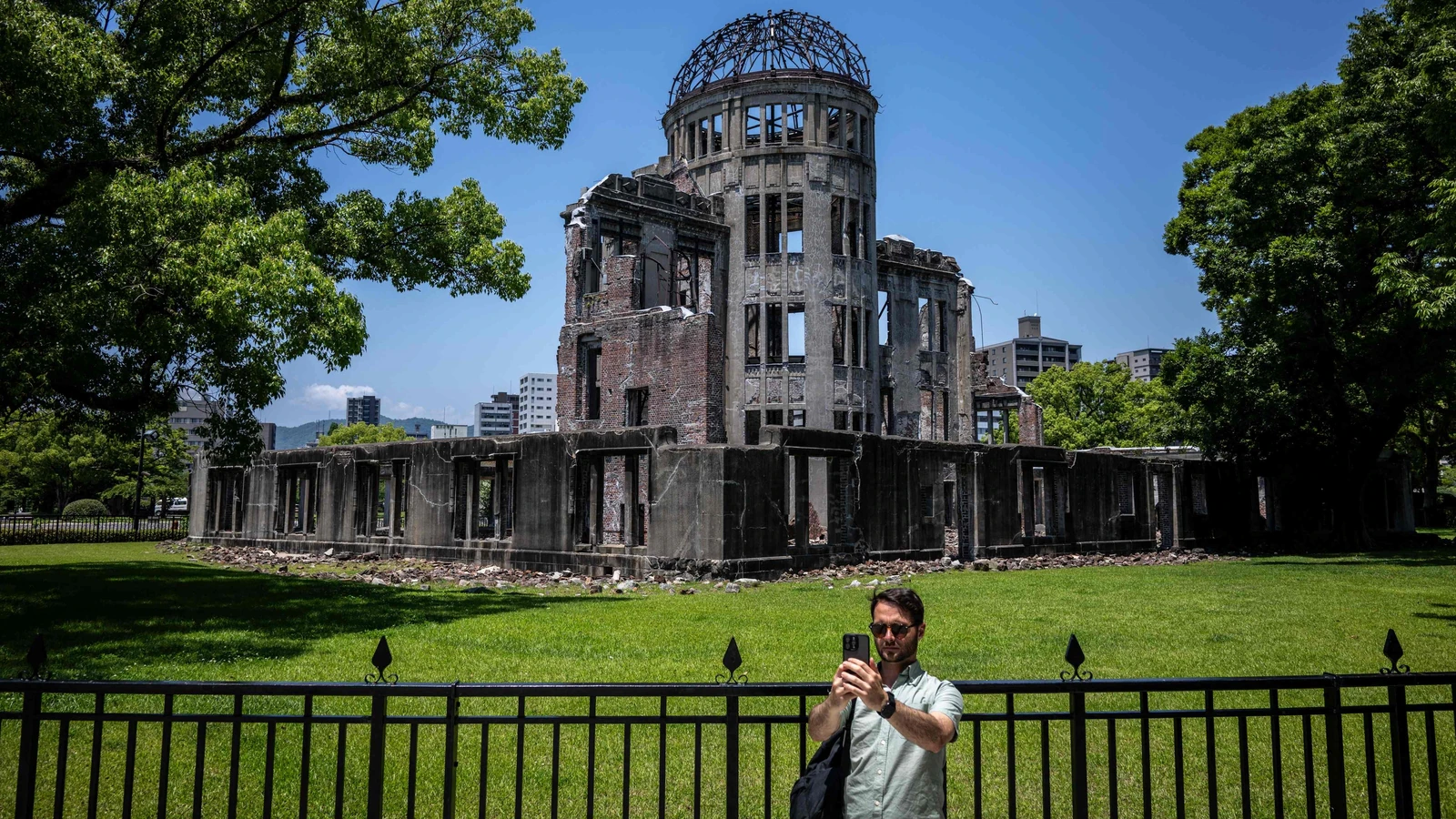
This Hiroshima Nagasaki guide for Indians covers what to see, how long to spend, how to get there, and which city to prioritise if you can only choose one.
Japan’s entry into the Second World War began with the attack on Pearl Harbour in December 1941, and ended with two events unlike anything before or since in human history: atomic bombs dropped on Hiroshima (August 6, 1945) and Nagasaki (August 9, 1945). The consequences were catastrophic. More than 200,000 civilians died in the two bombings. Japan surrendered on August 15.
Eighty years later, both cities have preserved their histories with extraordinary care and built memorials that draw over two million visitors annually. These aren’t dark tourism destinations in the sensationalist sense. They’re among the most sincerely important places a human being can visit, regardless of nationality, regardless of which side of history your country stood on.
This guide covers what to see in both cities, how long to spend, guided versus self-guided approaches, how to get there, and which to prioritise if you can only choose one.
If you want the full Japan trip context, read my main 10-day Japan blog here. This Hiroshima Nagasaki guide for Indians also covers six additional WW2 sites across Japan that most travellers never visit.
Hiroshima: The First Stop
The Context
On August 6, 1945 at 8:15 AM, a uranium bomb nicknamed “Little Boy” detonated 580 metres above Hiroshima’s Shima Hospital. The blast instantly destroyed 69% of the city’s buildings and killed between 70,000 and 140,000 people by the end of 1945, many from radiation exposure in the weeks after the explosion.
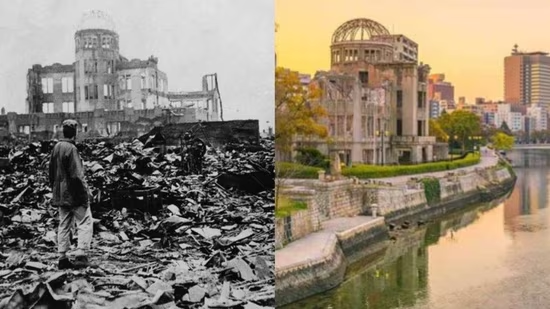
One building within 200 metres of the hypocenter survived: the Prefectural Industrial Promotion Hall. Its skeletal dome became the symbol of the city’s determination never to forget. It is now UNESCO World Heritage, the Genbaku Dome (Atomic Bomb Dome), permanently preserved as it was found.
What to See in Hiroshima
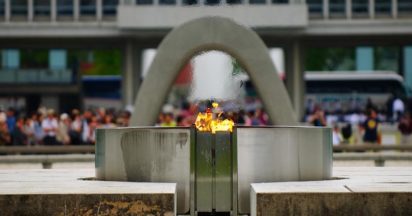
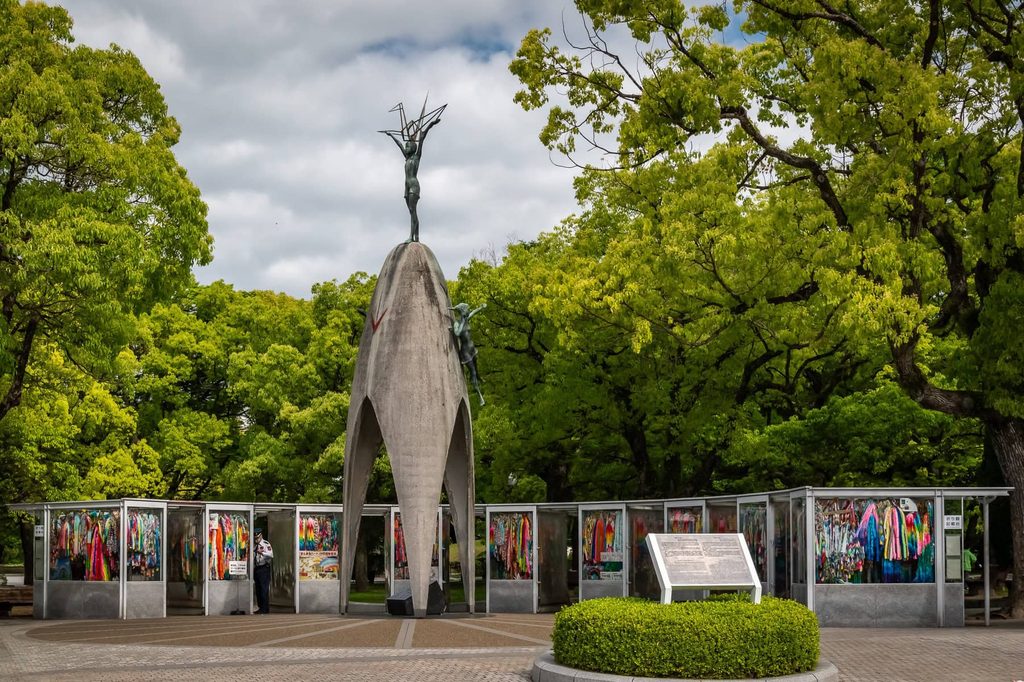
Peace Memorial Park (free) The park occupies the island that bore the brunt of the blast. The Cenotaph for A-bomb Victims, the Flame of Peace (burning since 1964 and only to be extinguished when all nuclear weapons are gone), the Children’s Peace Monument with its 1,000 paper cranes, the A-bomb Dome on its northern edge, all within a 15-minute walk of each other. Budget 45-60 minutes for the park alone, before or after the museum.
Hiroshima Peace Memorial Museum (¥200 adults, ¥100 high school, under 15 free) The most important museum in Japan, and quite possibly one of the most important in the world.
The museum underwent a major redesign in 2019. The current experience moves chronologically: Hiroshima before the war, the events leading to August 6, the bomb itself, and then, most devastatingly, the personal stories. A child’s melted lunchbox. Sadako Sasaki’s paper cranes (she folded hundreds while dying of radiation-induced leukaemia as a young girl, hoping to reach 1,000 for a wish; she didn’t). A watch stopped at 8:15 AM. Shadow burns on stone steps where a human body sat and vanished.
The graphic exhibits are intentional. They need to be.
Audio guide (¥400, in English): Strongly recommended. The 2019 redesign relies heavily on context that the audio guide provides for each artefact. Without it, the small personal objects are moving but under contextualised.
Hibakusha (survivor) testimonies: The museum runs daily lectures by A-bomb legacy successors in Japanese. The International Peace Information Service also connects visitors with surviving hibakusha for scheduled meeting from the museum’s official site for availability.
Actual Hypocenter, Shima Hospital (free) A small plaque in the car park of the current Shima Clinic marks the actual hypocenter, the point directly below the bomb’s detonation. It’s 200 metres from the Genbaku Dome. Almost nobody stops here, which makes the moment unusually quiet. Worth the 5-minute detour.
Hiroshima Castle (note: closed from March 23, 2026 for renovation) The 16th-century castle was destroyed in 1945 and rebuilt in 1958. It’s an important contextual stop showing Hiroshima’s pre-war identity as a major military city, but note that the interior is closed for renovation from March 2026. The grounds remain open.
Time Required
- Minimum visit (rushed): 3-4 hours (Dome + Park + Museum). Any Hiroshima guide that recommends less than a full day at Hiroshima is not being honest about what the museum requires.
- Recommended: Full day, allows the museum at a proper pace, the Shima Hospital hypocenter, Miyajima Island (30 min by ferry), and dinner with time to absorb what you’ve seen
- Don’t make the common mistake of pairing the museum with Miyajima in the same morning. The emotional whiplash from atomic bomb exhibits to the beautiful vermilion shrine gate is jarring. Give the museum the full morning; go to Miyajima in the afternoon.
Guided Tours vs Self-Guided
Self-guided works very well. The park and museum are logically laid out, English signage is excellent throughout, and the audio guide at the museum fills any gaps.
Consider a guided tour if:
- You want personal stories and local context beyond what signage provides
- You’re travelling with people who process difficult history better with facilitation
Peace Volunteer Guides (Free): The Hiroshima Peace Memorial Park has trained English-speaking volunteer guides who meet visitors at the park’s Information Centre. These are locals, some second-generation bomb survivors, who share family histories as part of their guided walk. Book in advance through the museum’s official site. One of Japan’s best free guided experiences.
Private Paid Tours: Klook, Viator, and GetYourGuide all offer 2.5-4 hour private and group tours of the Peace Park and Museum at ¥4,000-8,000 per person. Helpful for large groups or time-constrained travellers.
How to Reach Hiroshima
From Tokyo: Shinkansen (Nozomi) ~4 hours, ¥19,000-22,000 one-way. JR Pass valid. From Osaka: Shinkansen (Nozomi) ~1 hour 15 min, ¥8,540. JR Pass valid. From Kyoto: Shinkansen ~1 hour 30 min, ¥10,160. JR Pass valid. Read my Shinkansen (Bullet Train) Guide.
You can book your Shinkansen, in advance, from Klook.
The Peace Park is 15 minutes from Hiroshima Station by tram (¥220, or included in day tram pass ¥700).
One Day Budget (Per Person)
- Museum: ¥200
- Audio guide: ¥400
- Tram day pass: ¥700
- Food: ¥2,500-4,000 (Hiroshima okonomiyaki is the local dish, try Nagataya or Okonomi-mura; vegetarians can request egg-only versions)
- Total: ¥3,800-5,300 (~₹2,300-3,200) excluding transport to city
Nagasaki: The Second Chapter
The Context
Three days after Hiroshima, on August 9, 1945 at 11:02 AM, a plutonium bomb called “Fat Man” detonated 500 metres above Nagasaki’s Urakami district. The original target was the industrial city of Kokura, but cloud cover forced the pilot’s hand. Nagasaki was the secondary target.
The bomb killed between 60,000 and 80,000 people immediately; by the end of 1945, the toll reached approximately 140,000. The Urakami district, a historically Catholic community whose ancestors had survived 250 years of secret Christianity under Tokugawa prohibition, was almost entirely destroyed.
Nihon Hidankyo, the organisation of atomic bomb survivors (hibakusha), was awarded the Nobel Peace Prize in 2024, a recognition of eighty years of testimony-keeping that has shaped global nuclear policy.
What to See in Nagasaki
Nagasaki Atomic Bomb Museum (¥200 adults, ¥100 children) Smaller than Hiroshima’s but equally devastating. The first exhibit is a mangled water tower from Keiho Junior High School, 800 metres from the hypocenter. Then: the watch stopped at 11:02 AM. Burnt rosaries recovered from inside Urakami Cathedral, where dozens of worshippers were in confession at the moment of detonation. Medical records of radiation effects that continued for decades.
Here is link to book the Nagasaki tour.
The museum explicitly documents the run-up to the bombing, including the fact that Nagasaki wasn’t the primary target that day, and traces post-war nuclear proliferation. It ends with the present: a globe showing current nuclear stockpiles.
Many veteran museum-goers consider this museum to have more factual impact than Hiroshima’s, because its more compact format creates greater concentration of information per hour spent.
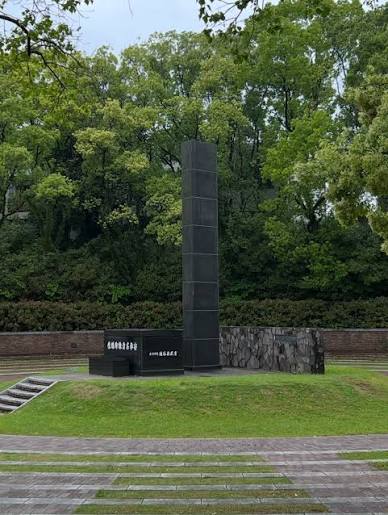
Hypocenter Park (free) The black monolith marks the point 500 metres above which the bomb detonated. Surrounding it: a broken pillar from Urakami Cathedral preserved in place, layers of blast-exposed earth visible through a cut in the ground showing the destruction to a depth of several metres. Sobering and understated.
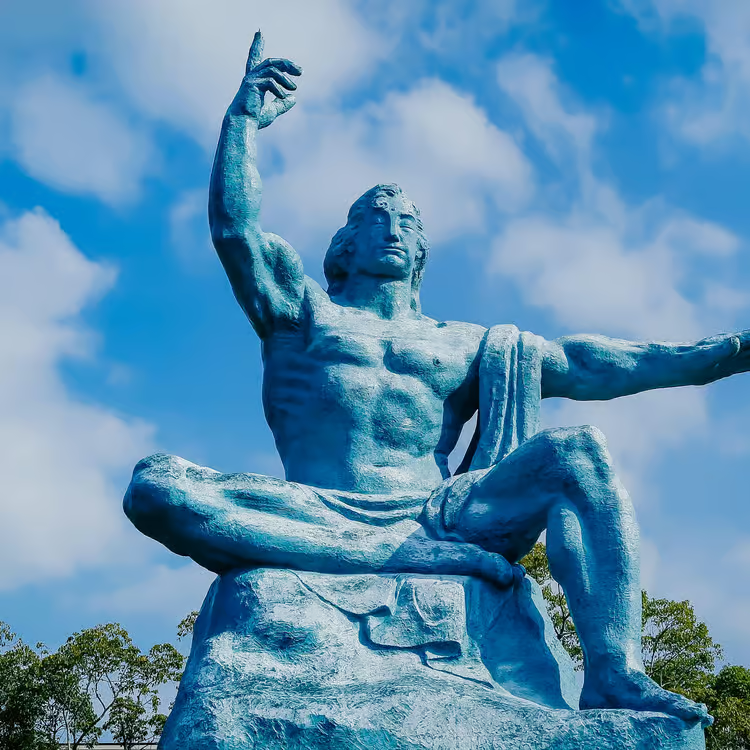
Peace Park (free) On the hill north of the hypocenter stands the Peace Statue, a 10-metre figure by sculptor Seibo Kitamura whose right hand points to the bomb and left hand points to peace. The park contains monuments from countries around the world. The Korean victims’ monument acknowledges the thousands of forced Korean labourers who died in the bombing, a note of historical complexity that Nagasaki does not shy from.
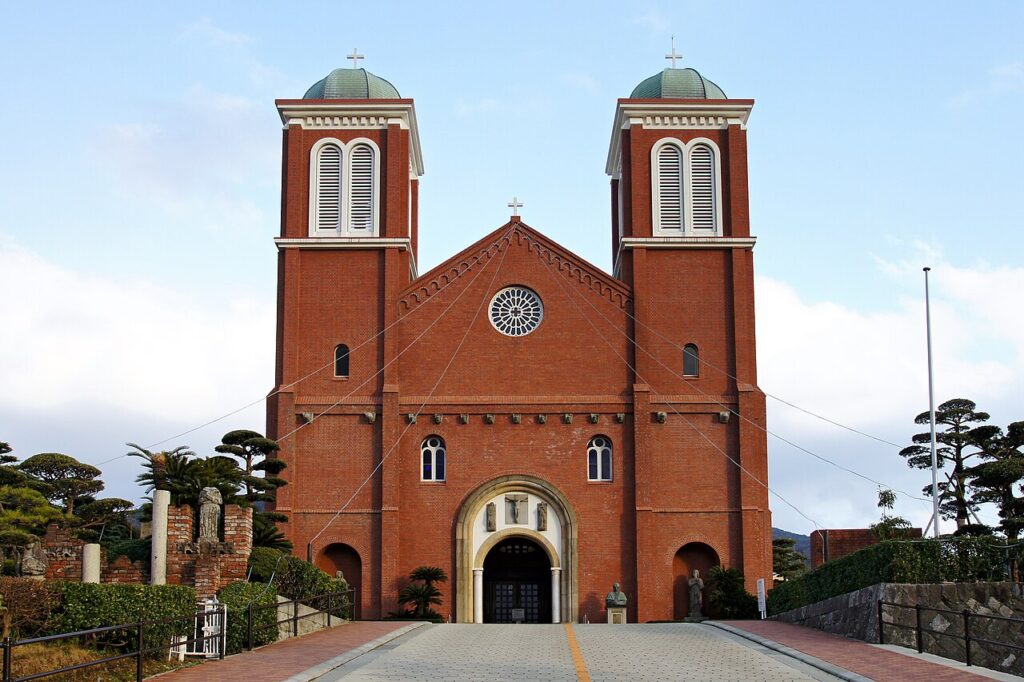
Urakami Cathedral (free exterior) Rebuilt in 1959 after the original was obliterated by the blast, the cathedral stands as a symbol of the community’s resilience. One of the original belfry domes is preserved in the Hypocenter Park. The rebuilt church is small, active, and genuinely moving to enter.
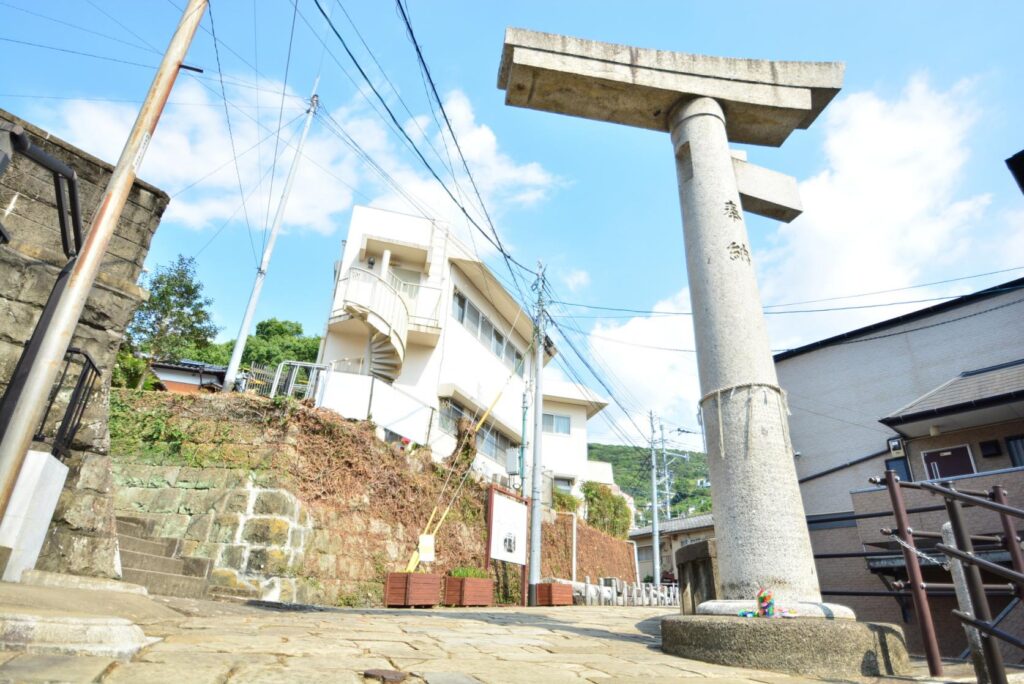
One-Legged Torii of Sanno Shrine (free) 800 metres from the hypocenter, the shrine’s second torii gate was reduced to a single standing pillar by the blast. The other pillar was destroyed; what remains has never been rebuilt. It stands as is, a monument not to memory but to physical truth.
Takashi Nagai Memorial Nyokodo (free) Dr Takashi Nagai was a radiologist at Nagasaki Medical College who survived the blast, helped rescue survivors while dying of radiation poisoning himself, and spent his final years in a tiny hut writing about peace. His 2-tatami hut, Nyokodo (“Like Myself”), is preserved and open to visitors. One of Nagasaki’s most quietly profound stops.
Time Required
- Minimum: 3-4 hours (Hypocenter Park + Museum + Peace Park)
- Recommended: Full day, including Urakami Cathedral, One-Legged Torii, and Takashi Nagai Memorial
- The sites are more spread out than Hiroshima; a tram ride between clusters takes 10-15 minutes
Guided Tours vs Self-Guided
Self-guided works well here too. The tram system connects the key sites, and English signage throughout the Peace Park complex is good. The museum’s flow is self-evident.
Peace Guides Nagasaki: City-trained volunteer guides meet at the museum entrance for free English-language tours. Book through nagasakipeace.jp.
Paid tours: Viator and Klook offer half-day and full-day Nagasaki tours from ¥5,000-10,000 per person, often combined with Hashima Island (see below).
How to Reach Nagasaki
From Osaka: Shinkansen to Hakata + Kamome limited express to Nagasaki, ~3h30m total, ~¥18,000. JR Pass valid. From Hiroshima: Shinkansen to Hakata + Kamome, ~2h30m total, ~¥14,000. JR Pass valid. From Tokyo: ~6 hours by Shinkansen. Hiroshima is a much easier combined trip for those travelling from Tokyo.
Within Nagasaki: Tram (Route 1 or 3) from Nagasaki Station to Matsuyamamachi (Hypocenter area), 18 minutes, ¥120-¥200.
One Day Budget (Per Person)
- Museum: ¥200
- Tram day pass: ¥600
- Food: ¥2,500-4,000 (Champon and sara udon are Nagasaki’s local noodle dishes; vegetarians order vegetable-only versions)
- Total: ¥3,300-4,800 (~₹2,000-2,900) excluding transport to city
Which City to Choose If Short on Time?
If you can only visit one: Hiroshima. This is the most common question any Hiroshima Nagasaki guide for Indians needs to answer directly.
Reasons:
- More easily reached from Tokyo, Kyoto, and Osaka
- The Genbaku Dome is UNESCO World Heritage (see my Japan UNESCO Blog)
- Peace Memorial Museum has greater floor space and more artefacts
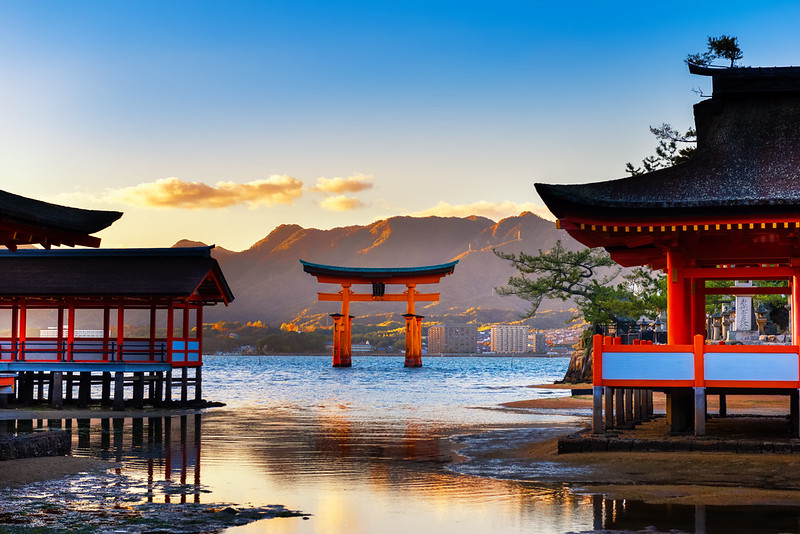
- Miyajima Island (Itsukushima Shrine) is 30 minutes by ferry, one of Japan’s most beautiful spots and a natural companion for the afternoon. Here is a tour that can help you cover Hiroshima and Miyajima together comfortably.
- The overall visitor infrastructure is more established
Nagasaki, however, has specific things Hiroshima does not:
- The Hypocenter Park’s physical evidence (exposed blast layers, standing torii pillar, original cathedral belfry) feels more raw and less reconstructed
- Nagasaki’s museum documents the context more forensically, including Kokura’s near-miss, the original targeting debate, and nuclear proliferation timelines
- The city itself has more broader historical depth, multilayered colonial history, Portuguese and Dutch trade history, hidden Christians, that rewards 2-3 days
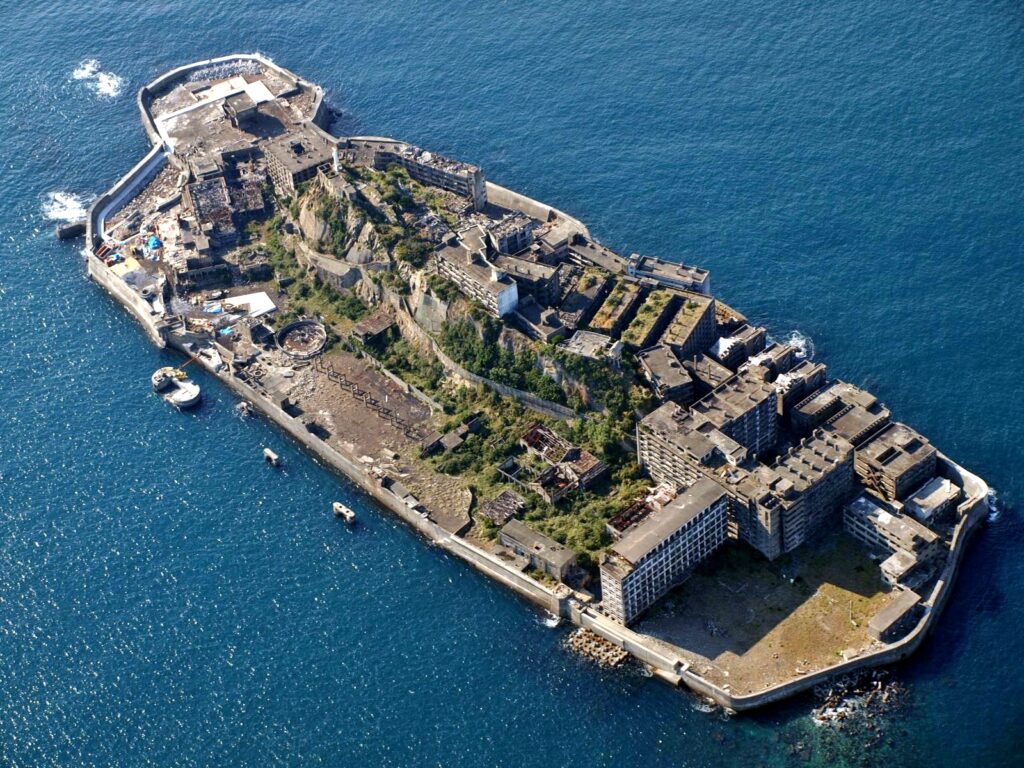
- Hashima Island (Battleship Island, UNESCO, Japan’s Meiji Industrial Revolution sites from my UNESO Blog) is accessible from Nagasaki by 30-minute boat tour
The ideal scenario: Both. Use the JR Pass. Hiroshima is less than 2 hours from Osaka by Shinkansen; Nagasaki is 2.5 hours beyond Hiroshima via Fukuoka. Three days covers both cities without rushing.
WW2 Sites Beyond Hiroshima & Nagasaki
Japan’s WW2 story extends well beyond the two atomic bomb cities. These are the most historically significant additional sites, each requiring its own visit:
Chiran Peace Museum, Kagoshima, Kyushu
A former Imperial Army airbase, Chiran was the primary training ground for tokkotai (kamikaze special attack) pilots from 1945. The museum preserves the barracks, exhibits the personal effects and final letters of 439 pilots who died on one-way missions. The letters are not propaganda, they are young men in their late teens and early twenties writing to their mothers. Access: 1 hour by bus from Kagoshima City. Day trip from Kagoshima. Entry: ¥500
Okinawa Peace Memorial Park, Itoman City, Okinawa
The Battle of Okinawa (April-June 1945) was the bloodiest in the Pacific, an estimated 200,000 died, including 94,000 Okinawan civilians. The Peace Memorial Park contains the Cornerstone of Peace, listing all known victims by name (including Americans, Koreans, and others). The adjacent museum documents the civilian experience of a ground battle in a way that Hiroshima and Nagasaki’s atomic focus does not. Access: Bus from Naha, ~1 hour. See Okinawa guide. Entry: Museum ¥450; park free
Yasukuni Shrine and Yushukan Museum, Tokyo
Yasukuni Shrine enshrines Japan’s war dead from 1869 onwards, including 14 Class A war criminals from WWII, a source of ongoing political controversy, particularly with China and Korea. The adjacent Yushukan is Japan’s most comprehensive military history museum, presenting the conflict largely from a Japanese perspective. Essential for understanding how Japan processes its own wartime history, and why the processing remains contested. Access: 10 minutes from Kudanshita Station (Tokyo Metro). See Tokyo neighbourhoods guide. Entry: Shrine free; Yushukan ¥1,000
Daigo Fukuryu Maru Exhibition Hall, Tokyo (Yumenoshima)
In 1954, the Japanese fishing vessel Daigo Fukuryu Maru (Lucky Dragon No. 5) was contaminated by radioactive fallout from the US hydrogen bomb test at Bikini Atoll. The crew suffered severe radiation sickness; one man died. The boat and its story galvanised global anti-nuclear sentiment and influenced Japan’s pacifist constitution’s interpretation. The preserved vessel is housed in a free exhibition hall in Yumenoshima Park, Tokyo. Access: JR Keiyo Line to Tatsumi Station. Free entry.
Hashima Island (Battleship Island), Nagasaki
An abandoned submarine coal-mining island operated by Mitsubishi using Korean and Chinese forced labour during the war. Partly accessible since 2009, it was designated UNESCO World Heritage in 2015 as part of Japan’s Meiji Industrial Revolution sites. The abandoned city, now partially collapsed, was used as the villain’s lair in Skyfall. Boat tours from Nagasaki run ¥3,800-5,000.
Himeyuri Peace Museum, Okinawa
Documents the story of the Himeyuri student nurses, 240 Okinawan high school girls and teachers conscripted as military nurses during the Battle of Okinawa, most of whom were killed or forced to die when the Japanese military abandoned their field hospitals. One of the most devastating accounts of civilian war experience in Japan. Access: Bus from Naha, ~1 hour from Okinawa Peace Memorial Park. Entry ¥450.
Practical Notes
Emotional preparation: This is the section any Hiroshima Nagasaki guide for Indians should read first, before planning the day. Both Hiroshima and Nagasaki’s museums are intentionally graphic. The exhibits include burns, deformities, personal effects of children, and survivor testimonies that are genuinely difficult to witness. This is by design, it is how the cities ensure the experience is not sanitised into abstraction. Plan time and mental space for the day. Don’t rush to your next sight.
Photography: Generally permitted in the Peace Memorial Park (Hiroshima) and throughout Nagasaki’s outdoor sites. Inside the museums, check signage per gallery, some artefacts with personal images have photography restrictions.
Visiting on August 6 (Hiroshima) or August 9 (Nagasaki): The annual memorial ceremonies on these dates are profoundly moving, public, international, and attended by survivors, diplomats, and thousands of civilians. Hotels book out months ahead and travel to the cities is crowded. If you can plan around these dates, the experience is incomparable.
August 6 ceremony (Hiroshima): Begins at 8:00 AM in Peace Memorial Park. Public attendance free. The moment of silence at 8:15 AM is observed across the entire city. August 9 ceremony (Nagasaki): Begins at 11:00 AM. Public attendance free. Silence at 11:02 AM.
Frequently Asked Questions
Q: How do I get from Hiroshima to Nagasaki? Shinkansen from Hiroshima to Hakata (Fukuoka) ~1 hour, then Kamome limited express to Nagasaki ~2 hours. Total ~3 hours, ~¥14,000 one-way. JR Pass valid for both legs.
Q: Can I visit both cities in one day? Technically possible as a two-stop day, but not recommended, each deserves a full day. Rushing through these sites is both logistically difficult and experientially wasteful.
Q: Is it disrespectful for non-Japanese visitors to go? No. Both cities actively welcome international visitors and consider global witness to be essential to their peace mission. Over 30% of visitors to Hiroshima Peace Memorial Museum are foreign.
Q: Should I take a guided tour or go alone? Both work well. The free Peace Volunteer guides at both cities are particularly recommended, local voices and personal family histories add context no commercial tour can replicate.
Q: Are the museums suitable for children? Hiroshima’s museum recommends parental discretion; many exhibits include graphic imagery and survivor testimony. Japanese school groups visit from around age 10 onwards. The outdoor parks and memorial areas are appropriate for all ages.
Q: Do I need to book tickets in advance? Both museums accept walk-ups. During peak season (spring, summer, and especially August 6-9), timed entry tickets or early arrival (before 9 AM) are recommended to avoid waits.
Q: Is vegetarian food available in Hiroshima? Yes, Hiroshima okonomiyaki (savory pancake) can be made egg-and-vegetable only; specify no meat and no seafood. Several veg-friendly cafés near the Peace Park. See my Japan Veg Survival Guide.
Final Word
No guide should frame these cities as checklist items. There is no checklist framing appropriate for Hiroshima and Nagasaki. These are not “Japan things to see.” They are two of the most important places on Earth to visit as a human being, regardless of your nationality, your age, your relationship to war, or your interest in history.
India was not directly involved in the Pacific War, but the arc of nuclear weapons development, the Cold War, and the ongoing treaty negotiations that followed Hiroshima and Nagasaki shaped the world every person alive today was born into. Walking through these museums is a way of understanding that inheritance directly.
Go with time. Go slowly. Let it land.
For the full Japan trip experience, read my main blog here.
Drop a comment if you’ve visited Hiroshima or Nagasaki, and what stayed with you longest.