 By Tarang Bansal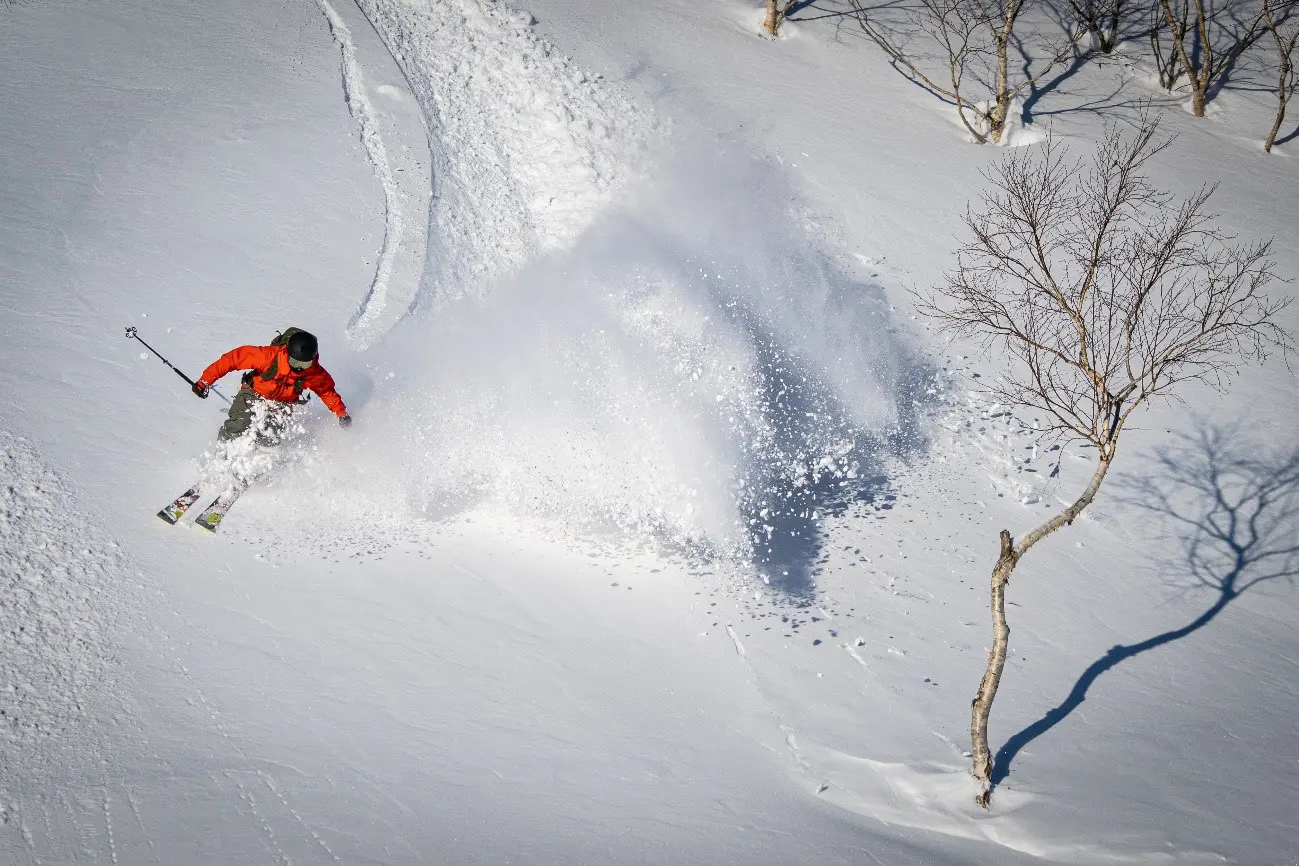

This guide to skiing in Japan for beginners compares six resorts and tells you exactly which one to pick for your first trip.
A note before we begin: I haven’t been skiing in Japan myself- it’s near the top of my list for a future trip. So this isn’t a personal-experience post. It’s a research-led planning guide for Indian travellers who, like me, have heard for years that Japan has the best ski snow in the world and want the complete logistical picture before booking flights.
Japan is one of the great skiing destinations on the planet. The country sits on a perfect collision of cold Siberian air masses and moisture from the Sea of Japan, producing some of the lightest, driest, and deepest powder snow anywhere- globally known as “Japow.” A small bookable ecosystem of resorts, English-speaking ski schools, well-organised gear rentals, and Shinkansen-accessible mountain towns makes Japan uniquely beginner-friendly for first-time skiers, including those from countries (like India) where snow itself is a rarity.
This guide covers everything an Indian first-time skier needs to know- which resort to pick, how to learn, what it costs, what to eat as a vegetarian, where to go beyond skiing, and how to actually book it.
If you want the full Japan trip context, read my main 10-day Japan blog here.
Why Japan for Skiing? (Especially for Indians With No Snow Background)
Most Indian travellers will have never skied. Some will never have stood on snow. Japan is, counter-intuitively, one of the easiest countries in the world to start skiing, for these reasons:
1. Beginner infrastructure is exceptional. Major resorts have dedicated beginner zones, English-speaking instructors, easy-access lifts, and packages that bundle lessons + gear + lift passes in one purchase.
2. The snow is forgiving. Japan’s powder is light and soft- falling is genuinely less painful than falling on icy European or American slopes. First-timers progress faster here.
3. Logistics are foreigner-friendly. Shinkansen connections from Tokyo and direct shuttles from airports mean you can reach world-class snow within 2-4 hours of landing in Japan. No four-wheel-drive adventures required.
4. The resorts have parallel non-skiing activities. Onsens, snow monkeys, festivals, food culture- your non-skiing companions or your own rest days have plenty to fill.
5. Costs are manageable. A 5-day Japan ski trip costs significantly less than equivalent skiing in Switzerland, Aspen, or Whistler.
The 6 Best Ski Resorts for Skiing in Japan for Beginners (Compared)
Japan has over 500 ski resorts. For Indian first-time travellers, six matter:
1. Niseko (Hokkaido)- The International Capital of Japow
Where: Hokkaido, northern Japan How to reach: Fly to New Chitose Airport (Sapporo), then 90-minute shuttle bus to Niseko Reputation: World’s #1 powder destination. Average 14+ metres of snow per year. Internationally famous, often crowded. Crowd: Heavy Australian, Chinese, Southeast Asian international presence. English everywhere. Best for: Travellers who want a polished, English-friendly experience with the world’s best powder. Lift pass cost: ¥9,800/day all-mountain (~₹5,900) covers all 4 Niseko United resorts. Watch out for: Most expensive resort in Japan. Hotels in peak season (December 28-January 5) can be 3-5x normal rates.
The four interconnected resorts: Grand Hirafu (main hub), Hanazono, Niseko Village, Annupuri.
2. Hakuba (Nagano)- The Best Choice for First-Time Japan Skiing
Where: Nagano Prefecture, Northern Japan Alps How to reach: 3 hours from Shinjuku– Hokuriku Shinkansen to Nagano Station, then bus to Hakuba Reputation: Japan’s largest ski area (10 connected resorts). Hosted the 1998 Winter Olympics. Crowd: International (significant Australian presence) but more balanced with Japanese skiers. Excellent English support. Best for: First-time Japan ski trips. Easy access from Tokyo, good English infrastructure, varied terrain across the 10 resorts (Happo-One, Hakuba 47, Goryu, Iwatake, Cortina, Norikura, Tsugaike, Sanosaka, Kashimayari, Jigatake). Lift pass cost: Hakuba Valley All-Mountain Pass ¥10,400/day (~₹6,200), covers all 10 resorts with free inter-resort shuttle bus. Watch out for: Spread out across multiple villages; pick your base village carefully (Happo, Wadano, and Echoland are the most foreigner-friendly).
The standout resorts within Hakuba Valley:
- Happo-One– biggest, most varied, hosts Olympic-era slopes (intermediate/advanced)
- Hakuba 47 + Goryu– excellent for beginners and snowboarders, big terrain park
- Cortina– Hakuba’s “powder capital,” gets double the snow of others
- Tsugaike– large beginner-friendly area, family resort
- Iwatake– quieter, intermediate gem with Mt. Fuji-style views
3. Nozawa Onsen (Nagano)- The Most Complete Cultural Experience
Where: Nagano Prefecture, Northern Japan Alps How to reach: Shinkansen to Nagano (80 min from Tokyo), then 60-min bus to Nozawa Reputation: Traditional onsen village with serious skiing attached. Considered one of Japan’s most complete winter experiences. Crowd: Mix of Japanese and international (especially Australian); much more “village” feel than Niseko or Hakuba. Best for: Travellers who want to combine skiing with deep cultural immersion- 13 free public onsens (sotoyu) in the village, traditional ryokans, hot-spring street culture. Lift pass cost: Around ¥6,500-7,500/day (~₹3,900-4,500), cheaper than Niseko/Hakuba. Watch out for: Smaller resort than Niseko/Hakuba (Kenashiyama is the main mountain). Beginners and intermediates are well-catered to; experts may want larger terrain.
4. Rusutsu (Hokkaido)- Best Value Powder
Where: Hokkaido, 90 minutes from New Chitose Airport How to reach: Shuttle bus or rental car from Sapporo Airport Reputation: Niseko-quality snow without the crowds. Three mountains (West Mt, East Mt, Mt Isola) on one resort, all interconnected. Crowd: Mostly Japanese with growing international presence; significantly quieter than Niseko. Best for: Skiers who want excellent powder + smaller crowds + lower prices. Lift pass cost: Around ¥7,500/day (~₹4,500)- meaningfully cheaper than Niseko. Watch out for: Less English signage and fewer English-only après-ski options. Stay at the Westin Rusutsu or Rusutsu Resort Hotel for foreigner-friendly comfort.
5. Furano (Hokkaido)- The Pure Skier’s Choice
Where: Central Hokkaido, 2.5 hours from Sapporo How to reach: Train from Sapporo or New Chitose Airport Reputation: Some of Japan’s coldest, driest snow. A working town with skiing attached, rather than a resort built for skiing. Crowd: Smaller international presence than Niseko; more authentic Japanese feel. Best for: Experienced skiers who want pure powder and less commercialised atmosphere. Watch out for: Less developed English support than Niseko or Hakuba. Better for second-time Japan skiers.
6. Myoko Kogen (Niigata)- Underrated and Cheap
Where: Niigata Prefecture, on Sea of Japan side How to reach: ~3 hours from Tokyo by Shinkansen + local train Reputation: Japan-Sea-effect snow (heavy, consistent snowfall). Multiple connected resorts (Akakura, Akakura Kanko, Suginohara). Crowd: Mostly Japanese; the Australian-heavy crowd skips Myoko. Best for: Travellers who want cheaper, less-crowded skiing close to Tokyo. The best budget choice of Japan’s major resorts. Lift pass cost: ¥5,500-6,500/day (~₹3,300-3,900)- among Japan’s cheapest major-resort prices.
My Recommendation: Where Should an Indian First-Timer Go?
For 99% of Indian first-time skiers in Japan: choose Hakuba.
Why:
- 3 hours from Tokyo (no separate flight to Hokkaido needed)
- Best English-language ski school infrastructure in Japan
- Varied terrain across 10 connected resorts- can grow into the mountain as you progress
- Strong beginner facilities at Hakuba 47 and Tsugaike specifically
- Combines seamlessly with a broader Tokyo + Kyoto + Osaka itinerary
- Easier to plan from India– most ski packages are in English
Choose Niseko if: You’re willing to fly internally to Hokkaido, you want the absolute best powder in the world, you’re okay paying premium prices, and you appreciate a polished international resort atmosphere.
Choose Nozawa Onsen if: Culture matters more than ski mileage. The combination of skiing + village onsens is unmatched.
How Long Should You Allocate?
A realistic timeline for Indian travellers visiting Japan with skiing on the itinerary:
Minimum: 4 days at the resort (1 day travel in, 2 days skiing/learning, 1 day travel out + buffer) Recommended: 6-7 days at the resort for beginners- 1 day travel, 4-5 days on snow, 1 day for snow monkeys / sightseeing / rest, 1 day travel Ideal full ski trip: 10 days in Japan – 7 days at the resort, 3 days in Tokyo/Kyoto before or after
Critical reality for beginners: You will be sore by Day 3. Most first-time skiers need a rest day on Day 3 or 4. Build it into your schedule. Use that day for an onsen visit or a snow monkey trip.
What Beginner Experiences Should You Plan?
For Indians with zero snow exposure, here’s the realistic learning progression:
Day 1: Group Beginner Ski/Snowboard Lesson (2-4 hours)
- Booked through your resort’s official ski school
- Cost: ¥8,000-14,000 (~₹4,800-8,400) per person, group of 3-8
- Covers: putting on boots and skis, snowplough technique, stopping, turning, getting on/off lifts
- You will fall a lot. This is normal. Lessons include falling-and-getting-up technique.
- By end of Day 1, most students can navigate the beginner slope independently.
Day 2: Continuation Group Lesson + Independent Practice
- Repeat morning lesson or upgrade to private (¥25,000-30,000 for 2 hours, up to 5 people sharing)
- Afternoon: independent practice on the beginner slope
- Goal: comfortable with green (easiest) runs
Day 3: Rest Day or Easy Practice
- Most beginners are sore enough to need a rest day by Day 3.
- Use it for snow monkeys, onsen, or town exploration
- If still skiing: stick to beginner slope, no lesson
Day 4-5: Intermediate Lessons + Green Run Confidence
- By Day 4-5, you should be able to ski/snowboard green runs comfortably
- Optional private lesson for technique refinement
- You’re now an actual skier.
Honest expectation setting for Indian beginners:
- You will NOT be skiing black diamond runs in 5 days. That’s years of practice.
- You WILL be skiing greens (and possibly easy blues) confidently.
- You WILL be in a body that hurts. Embrace it.
Gear Rental: What You Need and Where to Get It
Don’t bring ski gear from India. Rent everything in Japan- quality is better and logistics are simpler.
What to rent at the resort:
- Skis or snowboard with boots: ¥5,000-8,000/day (~₹3,000-4,800)
- Helmet: Free or ¥500/day
- Jacket and pants (snow clothing): ¥3,000-5,000/day (~₹1,800-3,000), if you don’t have your own waterproof outer layer
- Goggles and gloves: ¥500-1,000/day each
Major rental shops with English support:
- Rhythm Japan (Niseko, Hakuba, Furano)- most popular international rental shop
- Hakuba 47 Ski Academy rental (Hakuba)
- Resort-operated rental shops at all major destinations
Booking tip: Pre-book online 1-2 weeks in advance for peak season (December-February). Walk-in rentals during Christmas/New Year often face 1-2 hour queues.
👉 [INSERT AFFILIATE LINK: Niseko/Hakuba ski gear and lesson packages via Klook / Rhythm Japan]
What to Pack from India
Bring from India (will save you ¥10,000-20,000):
- Thermal base layers (top + bottom)- buy from Decathlon India before flying
- Wool socks (4-6 pairs)
- Inner gloves / liner gloves
- Beanie / wool hat
- Sunscreen SPF 50+ (snow reflection burns hard)
- Lip balm with SPF
- Comfortable warm winter boots for off-mountain (e.g., in the village)
Don’t bring:
- Skis, snowboards, ski boots, ski poles, helmet, goggles- all rentable in Japan with better fit
- Heavy jackets- Japan’s ski jackets are warmer and waterproof; rent or buy locally
Worth buying in Japan:
- UNIQLO Heat-tech base layers– cheaper here than India, excellent quality
- Decent ski gloves (if you forgot to bring inners)
Day-by-Day Cost Breakdown (Indian Traveller, 7 Days in Hakuba)
For one adult, mid-range, peak season (late December – February):
| Item | Daily | Total (7 days) |
|---|---|---|
| Hotel (mid-range ryokan/pension) | ¥15,000 | ¥105,000 |
| Lift pass | ¥10,400 | ¥52,000 (5 days skiing) |
| Ski/snowboard + boots rental | ¥7,000 | ¥35,000 |
| Snow jacket + pants rental | ¥4,000 | ¥20,000 |
| Lessons (group, 2 days) | ¥12,000 | ¥24,000 |
| Food (breakfast + lunch + dinner) | ¥6,000 | ¥42,000 |
| Onsen + village activities | — | ¥10,000 |
| Local transport / shuttle | — | ¥3,000 |
| Total per person | ¥291,000 |
In INR: roughly ₹1,75,000 per person for 7 days at Hakuba.
Plus international flights: ₹50,000-80,000 from major Indian cities. Plus Tokyo/Kyoto pre-trip days: ₹3,000-5,000/day.
Total realistic budget for a 10-day Japan trip with 7-day Hakuba: ₹2.5-3.5 lakh per person, similar to your standard 10-day Japan budget plus a moderate premium for the ski element.
Budget Options for Cost-Conscious Travellers
Want to ski Japan on a tighter budget?
Cheaper resort options:
- Myoko Kogen instead of Niseko- saves ¥3,000-5,000/day on lift passes alone
- Mid-week stays vs weekends- hotels often 30-40% cheaper Tuesday-Thursday
- Shoulder season (early December or mid-March)- significantly lower prices
Cheaper accommodation:
- Pensions and minshukus (small family-run inns) over hotels- ¥6,000-10,000/night
- Hostels with private rooms– ¥4,000-7,000/night
- Stay outside the main village and shuttle to the slopes
Cheaper food:
- Cook your own meals at minshuku kitchens or with hostel kitchens
- Convenience store breakfasts and lunches– ¥500-800/meal
- Avoid mountain restaurants for lunch- they’re 50-100% more expensive than village ones
Seasonality: When to Go
Best months for snow:
- January– the peak powder month. Best consistency, coldest, deepest snow.
- February– Also excellent, slightly less cold; pairs with Sapporo Snow Festival
- Late December– Solid snow but Christmas/New Year is peak crowds + peak prices
Acceptable months:
- Late November / early December– Early season; some resorts may have limited terrain open
- March– Snow conditions vary; some resorts still excellent, others starting to soften
Avoid:
- Mid-April onwards– Most resorts close. Niseko stays open into May for late-season powder hunters.
- Christmas/New Year (Dec 27-Jan 5)– Peak crowds, hotels 3-5x normal prices, lift queues longest of the year
Best window for Indian travellers: Mid-January to mid-February. Best snow, manageable crowds, normal pricing, school holidays in India often align.
Vegetarian Food at Japanese Ski Resorts
Honestly: vegetarian options at Japanese ski resorts are limited but workable. The same general veg challenges in Japan apply, plus the extra challenge of being in a mountain town with fewer specialty options.
What works for vegetarians:
On the mountain (lunch at slope-side restaurants):
- Curry rice (vegetable curry)- almost universally available, ¥1,200-1,800
- Udon or soba noodles (request “no katsuobushi”- no fish flakes); kakiage udon (vegetable tempura) is widely available
- Fries, edamame, salads– safe choices
- Yaki-imo (roasted sweet potato)- winter staple in mountain towns
In the village (dinner):
- Italian restaurants– pasta and pizza are vegetarian-friendly defaults
- Indian restaurants in Niseko and Hakuba- yes, both major resorts have Indian restaurants (run by Nepalese chefs) specifically serving the global tourist population
- Vegetable tempura, vegetable kushiage, vegetable yakitori at izakayas
Stock up at the convenience store:
- 7-Eleven and FamilyMart at the base village have the same vegetarian options as urban Japan- egg sandwiches, onigiri (read labels for fish-free types), instant cup noodles, fruits, yoghurt
Pre-book accommodations with kitchen access if you’re a strict vegetarian- being able to cook 2-3 meals yourself solves most issues.
Beyond Skiing: Other Things to Do in the Mountains
A 7-day ski trip leaves room for non-skiing experiences. The best options:
Snow Monkeys at Jigokudani Monkey Park (Yamanouchi, near Nozawa Onsen)
- Wild Japanese macaque monkeys bathing in natural hot springs– Japan’s most iconic winter wildlife sight
- Day trip from Nozawa Onsen (45 minutes by bus) or from Nagano Station (1.5 hours)
- Entry: ¥800 (~₹500)
- Best time: December to March, mid-morning to early afternoon
- Photography is incredible– monkeys are habituated to humans and ignore cameras
Onsen Visits
- Nozawa Onsen’s 13 free public sotoyu– walk through the village in yukata between baths
- Hakuba’s village onsens– multiple within a 5-minute walk of major hotels
- Niseko Onsens– Yu-Kichi, Goshiki, Yukoro are tourist-friendly
- Most ski resorts have hotels with rotenburo (open-air outdoor baths) overlooking the snow– a once-in-a-lifetime visual
Snow Festivals
- Sapporo Snow Festival (early February)- pair with Niseko or Furano skiing
- Nozawa Onsen Fire Festival (January 15)- UNESCO-recognised fire ritual
- Yokote Kamakura Festival (February, Akita)- snow igloos with candles
Mountain Photography
- Sunrise at Happo-One (Hakuba)- views of the North Alps
- Niseko’s Mt. Yotei– the “Mt. Fuji of Hokkaido”
- Furano lavender fields– covered in snow during ski season, still photogenic
Cultural Stops
- Matsumoto Castle (1 hour from Hakuba)- Japan’s oldest original wooden castle, stunning in snow
- Zenkoji Temple (Nagano city)- major Buddhist temple en route to ski resorts
👉 [INSERT AFFILIATE LINK: Snow monkey day tour from Tokyo / Nagano via Klook / Magical Trip]
How to Plan Your Booking Sequence
For a realistic Japan ski trip planning timeline:
4-6 months before:
- Book international flights (cheaper for January/February if booked early)
- Book accommodation (most ryokan/pension at major resorts fill 3-6 months ahead for peak season)
- Apply for Japan visa (3 weeks processing)
2-3 months before:
- Pre-book lift passes online (5-15% discount vs gate)
- Pre-book ski lessons (especially if you want to book the private ones- they fill faster)
- Pre-book gear rental
- Book Shinkansen tickets (reserved seats recommended)
2 weeks before:
- Confirm shuttle/transport from Tokyo/airport to resort
- Buy travel insurance with snow sports coverage
- Order any specific gear from India (thermals, socks)
Day of arrival:
- Pick up rental gear (Rhythm Japan etc. allow day-before pickup)
- Pick up lift pass at the ticket counter
👉 [INSERT AFFILIATE LINK: Japan ski hotel bookings via Booking.com / Agoda]
Frequently Asked Questions
Q: Is Japan a good place to learn skiing for the first time? Yes, excellent. Japan has English-speaking ski schools, soft forgiving powder, well-organised beginner zones, and easy package bookings. First-time Indian skiers learn faster on Japan’s snow than on European or American ice.
Q: Which Japanese ski resort is best for first-time visitors? Hakuba in Nagano– 3 hours from Tokyo, best English support, 10 connected resorts for varied terrain, strong beginner facilities. Niseko is more famous but more expensive and requires an internal flight to Hokkaido.
Q: How long should a ski trip in Japan be? Minimum 4 days at the resort; ideal 6-7 days. Build in 1 rest day for sore muscles around Day 3. Plus 2-3 days for Tokyo/Kyoto sightseeing before or after.
Q: How much does a Japan ski trip cost for Indian travellers? Roughly ₹2.5-3.5 lakh per person for a 10-day trip with 7 days at Hakuba, including flights from India. Niseko adds another ₹30,000-50,000.
Q: When is the best time to ski in Japan? Mid-January to mid-February for the best powder and acceptable crowds. Late December and early January have great snow but peak crowds and 3-5x normal hotel prices.
Q: Do I need to bring my own ski gear? No. Rent everything in Japan– better fit, better quality, less luggage. Bring only base layers, thermal socks, gloves liners, sunscreen, and warm village clothes.
Q: Can I ski in Japan as a day trip from Tokyo? Snow Town Yeti at Mt. Fuji offers organised day trips from Shinjuku (¥24,000 includes transport, gear, lesson, pass). It’s the only ski experience truly viable as a single-day trip from Tokyo.
Q: Are there vegetarian food options at Japanese ski resorts? Limited but workable. Curry rice, udon (without fish flakes), vegetable tempura, Italian and Indian restaurants in major resorts, plus convenience-store options. Pre-book accommodation with kitchen access if you’re strict veg.
Q: Is skiing in Japan safe for beginners? Very safe. Resorts have professional ski patrol, marked runs, helmet rentals, and beginner zones with gentle slopes. Take a lesson and follow your instructor’s pace.
Q: How do I see the snow monkeys? Visit Jigokudani Monkey Park in Yamanouchi (near Nozawa Onsen, Nagano). Open winter season, ¥800 entry. Day-trip accessible from Nagano, Nozawa Onsen, or Tokyo (via Shinkansen + bus). Best mid-morning to early afternoon for active monkey behaviour.
Q: Can I combine skiing with Tokyo/Kyoto on the same trip? Yes, very easily. Hakuba is 3 hours from Tokyo, so a 10-day itinerary with 3 days Tokyo + 7 days Hakuba works perfectly. Niseko requires an internal flight to Hokkaido but is still doable in 10 days.
Final Word
Japan’s reputation as a ski destination is built on three things: the snow, the infrastructure, and the cultural depth of the surrounding experience. For Indian travellers with no snow background, the combination is uniquely accessible- you can learn to ski properly, explore world-class powder, soak in onsens nightly, and combine it all with a broader Tokyo + Kyoto + Osaka trip without needing complex logistics.
My honest recommendation for first-time Indian travellers: Plan 7 days in Hakuba (mid-January to mid-February), with 2-3 days of skiing lessons + 2-3 days of independent skiing + 1 rest day for snow monkeys. Add 3 days in Tokyo before or after. Budget ₹2.5-3.5 lakh per person.
When I finally do this trip myself, I’ll come back and write the experiential follow-up. Until then, this is your planning blueprint.
For the full Japan trip experience, read my main blog here.
Drop a comment if you’ve skied in Japan- I’d love to hear which resort, which beginner lesson school, and what you wish you’d known before your first day on the snow.