 By Tarang Bansal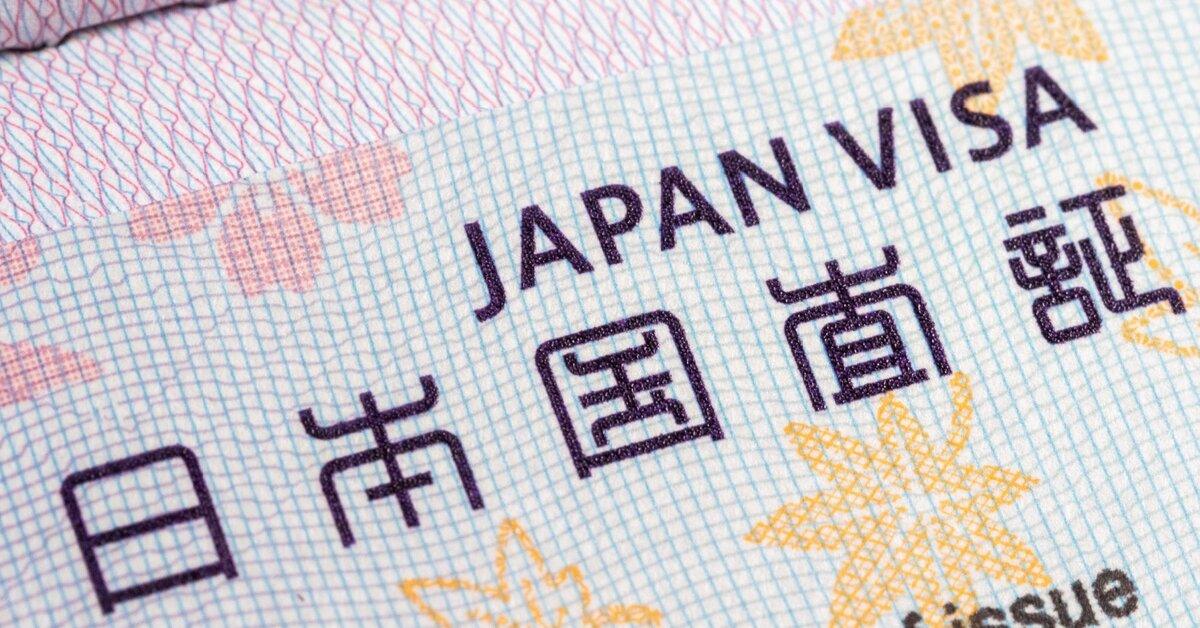

When I tell people the Japan visa cost me about ₹1,800 total, the most common reaction is disbelief.
“That’s it? Just ₹1,800?”
Yes. That’s it.
Compare that to the Schengen visa fee at ₹8,000+, the UK visa fee at ₹11,000+, the US tourist visa at ₹15,000+, Japan is one of the cheapest tourist visas an Indian can apply for. And one of the highest approval rates: typically 85–95% for Indian applicants with clean documents.
The reason is simple. India and Japan have very strong diplomatic and economic ties, and Japan actively wants to encourage Indian tourism. Visa policy reflects that. The application is straightforward, the documents largely mirror a Schengen submission, and the entire process can be wrapped up in 2–4 weeks.
This is the complete, step-by-step Japan visa guide for Indian passport holders in 2026 with every cost, document, rule, jurisdiction, and pitfall.
If you want the full Japan trip context, read my main 10-day Japan blog here. This post is the focused visa playbook.
Japan Visa for Indians: The Quick Numbers
For anyone who just wants the headline figures:
- Visa fee (single OR multiple entry): ₹500 (paid to the Embassy of Japan, current as of April 2026)
- VFS service charge: ₹800 per application
- Optional courier return: ₹500 (recommended if you don’t want to pick up your passport in person)
- Total cost: ₹1,300–₹1,800 per person
- Processing time: 5–10 working days (sometimes longer in peak season, so apply 3–4 weeks before travel)
- Approval rate for Indians: 85–95% with clean documents
- Maximum stay (tourist visa): 90 days per entry
- Visa validity (single entry): Usually valid for 90 days from issue, must be used in that window
- Visa validity (multiple entry): 1, 3, 5, or 10 years depending on travel history and approval
You read that right. ₹500 is the actual government fee for a Japanese tourist visa for Indians. It’s been one of the world’s best-kept travel secrets for years.
Single Entry vs Multiple Entry: Which Should You Apply For?
This confuses most first-time applicants. Let’s break it down.
Single Entry Visa
- Valid for: Usually 90 days from issue
- Allows: One trip to Japan, with stay up to 90 days ( Ours was issued for just 15 days, so it can be anything up to 90)
- Best for: First-time visitors, single planned trip
- Cost: ₹500 (same as multi-entry)
Multiple Entry Visa
- Valid for: 1, 3, 5, or 10 years (depending on your profile)
- Allows: Multiple trips during the validity period
- Each visit duration: 15, 30, or 90 days per entry (decided at issuance)
- Best for: Frequent travellers, business visitors, anyone planning 2+ Japan trips
- Cost: Same ₹500. Yes, same as single entry
Here’s the catch most Indians don’t know: multiple-entry visas are typically issued to applicants with strong travel history, past Schengen visas, US/UK travel records, business activities, financial stability. First-time international travellers usually get a single-entry visa even if they applied for multi-entry.
Practical advice: Apply for the multi-entry visa anyway. Same cost, no downside. If the embassy decides you don’t qualify, they’ll just issue you a single-entry. You don’t lose money or chances by applying for the higher tier.
The 5-year and 10-year multi-entry visas are particularly valuable. If you get one, every future Japan trip costs you ₹0 in visa fees (just the e-arrival form on entry).
What is Jurisdiction and Why It Matters?
This is where many Indian applicants get stuck.
Japan has 5 visa-issuing missions in India, and each covers specific Indian states. Your application MUST go to the mission covering your state of residence and not your passport domicile, going to the wrong one means rejection or refusal at intake.
The Five Japanese Missions in India
1. Embassy of Japan, New Delhi Covers: Delhi, Punjab, Haryana, Himachal Pradesh, Jammu & Kashmir, Ladakh, Uttarakhand, Uttar Pradesh, Rajasthan, Chandigarh, and other regions not covered by other consulates.
2. Consulate-General of Japan, Mumbai Covers: Maharashtra, Gujarat, Madhya Pradesh, Goa, Daman & Diu, Dadra & Nagar Haveli, and parts of central India.
3. Consulate-General of Japan, Chennai Covers: Tamil Nadu, Kerala, Andhra Pradesh, Telangana, Puducherry.
4. Consulate-General of Japan, Kolkata Covers: West Bengal, Odisha, Bihar, Jharkhand, Chhattisgarh, Assam, Sikkim, and the rest of Northeast India.
5. Consulate-General of Japan, Bengaluru Covers: Karnataka.
Once you know your jurisdiction, you book at the VFS Global center associated with that mission. VFS Japan operates centers in Delhi, Mumbai, Chennai, Kolkata, Bengaluru, Pune, Ahmedabad, Hyderabad, Kochi, Chandigarh, Goa, Lucknow, and Gurugram.
Important 2026 update: Walk-ins are no longer accepted at Chennai, Kochi, Hyderabad, Puducherry, and Bengaluru centers. Pre-booked appointments are mandatory at these locations. Other centers may still accept walk-ins, but pre-booking is recommended everywhere given rising application volumes.
Book VFS appointment via the official VFS Global Japan portal
What if There’s No VFS Center in My City?
If you live in a city without a VFS Japan center, you have two options:
Option 1: Travel to the nearest VFS Center This is the official route. You travel to your nearest authorized VFS center (within your jurisdiction), submit in person, and either pick up the passport later or have it couriered back.
Option 2: Use a Visa Agent Many established travel agencies offer Japan visa services as a paid add-on (typically ₹1,500–₹4,000 above the official cost). A good agent will:
- Collect your documents in your home city
- File at the appropriate VFS center on your behalf
- Track your application
- Courier your passport back
This is genuinely useful if you live in a city without VFS coverage (Indore, Ranchi, Patna, Coimbatore, Guwahati etc.). Just ensure the agent is established and reputable- Japan visa applications shouldn’t be entrusted to fly-by-night operations. Larger players like Thomas Cook, Cox & Kings, BTW Visas, MakeMyTrip Visa Services, and many established local agencies handle Japan applications regularly.
Note: Even with an agent, you do not need to attend an interview for a Japanese tourist visa in most cases. The agent handles paperwork, you sign the application, and the rest is processing.
Applying as a Group: What You Need to Know
If you’re traveling with friends or family, here’s the rule that surprises most applicants:
Each person must file their own visa application individually. Unlike some countries where one application covers a family, Japan requires:
- A separate application form per person
- A separate set of supporting documents per person
- Separate visa fee + VFS service charge per person
- Each applicant’s passport submitted individually
That said, when traveling together, all members of the group are typically expected to submit their applications at the same VFS center together, ideally on the same day. This shows the embassy that the group’s stated travel plan is genuine with same dates, same flights, same hotel bookings.
Practical tip: book one VFS appointment slot per person, but for the same date/time block. Walk in together. Submit together. The processing happens individually but the visit is collective.
The Document Checklist (Mirrors a Schengen Application)
Here’s what you need. The list is detailed but very manageable. The good news: if you’ve ever applied for a Schengen visa, you already have most of these documents.
Personal Documents
- Valid Indian passport with at least 6 months validity beyond your travel date and 2 blank pages.
- Visa application form (downloadable from the Embassy of Japan India website): fill in English
- Recent passport-size photograph: 4.5 cm x 4.5 cm (Japan’s standard, not the Indian standard 3.5 x 4.5), white background, taken within the last 6 months. No glasses, no head coverings (religious exceptions allowed).
- Photocopy of your passport: pages with personal details, address, and any past visa stamps.
Trip Details
- Day-by-day travel itinerary: typed, including dates, destinations within Japan, accommodations, planned activities. This shows the embassy that you have a thought-through plan.
- Confirmed return flight tickets (booking confirmations are fine; you don’t need to actually purchase them, but reservations should be locked).
- Hotel/accommodation bookings for every night of your stay (Booking.com or Airbnb confirmations work; cancel-able bookings are fine).
- Cover letter: a personal letter to the consulate explaining the purpose of your visit, your relationship to Japan (none required), and your commitment to return to India.
Financial Documents
- Bank statements for the last 6 months: original, stamped by your bank, showing salary credits and a healthy balance. Sufficient funds rule of thumb: ₹1,00,000–₹1,50,000 minimum balance for a 10-day Japan trip.
- Income Tax Return acknowledgment for the last 1-3 years.
- Salary slips for the last 3 months (if employed).
- Form 16 (if employed).
Employment/Identity Proof
- Leave letter from your employer: on company letterhead, mentioning your designation, date of joining, salary, leave dates approved, and a statement that you’ll return to your job after the trip.
- Company ID card photocopy (if employed).
- Business registration documents (if self-employed or business owner).
Optional but Helpful
- Travel insurance (not technically mandatory but recommended; ₹400-500 for 10-day coverage).
- Past travel history: copies of any past Schengen, UK, US, Australia, or Canada visa stamps. Strong travel history significantly increases your approval odds and your chances of getting a multi-entry visa.
The eVISA Option (Available Since April 2024)
In April 2024, Japan launched the eVISA system for Indian applicants. This is a completely paperless visa option:
- What it is: A digital visa applied for and issued online, through VFS.
- Eligibility: Indian residents traveling for single-entry short-term tourism (90 days max).
- How it works: You apply through VFS with the Japanese government. They handle the digital submission. Approval comes via email. Print that mail and take it to the immigration counter when you land in Japan.
- Benefits: No passport submission, faster processing for some applicants.
- Limitations: Still have to book a slot with VFS and visit either in person or through an agent. Still have to submit all documents like a normal visa. Just your physical passport is not blocked. Single-entry only. Cost is similar to paper visa via VFS.
This should only be used if you are planning another trip around your Japan visa processing time and will be needing the physical passport for the other travel. In all other cases, a sticker visa is preferred over this e-visa as it requires the same amount of effort (physical visit) and documents at the same cost. The latter still has a chance of multi-entry long term approval unlike the former. And, also, equally importantly, your passport gets a nice sticker visa.
Read my dedicated blog for more Travel Tips and Logistics help
The Application Process: Step-by-Step
Here’s the chronological process from start to finish:
Step 1: Determine Your Jurisdiction and VFS Center
Use the state-mapping in the jurisdiction section above. Identify your nearest VFS center. Confirm whether walk-ins are accepted or appointment-only.
Step 2: Book Your VFS Appointment (if required)
Visit visa.vfsglobal.com/ind/en/jpn, register with your details, and select an appointment date at your jurisdictional VFS center. Choose a date 2-4 weeks before your travel date.
Step 3: Gather All Documents
Use the checklist above. Print, photocopy, organize. A clean folder with documents in the right order makes intake smooth.
Step 4: Visit VFS on Your Appointment Date
Arrive 10-15 minutes early (not earlier, VFS centers don’t appreciate it). Bring all original documents and one set of photocopies. Hand over your passport, sign required forms, pay the fees.
Step 5: Pay the Fees
- Visa fee: ₹500 (cash only at most VFS centers)
- VFS service charge: ₹800
- Optional courier: ₹500
Step 6: Wait for Processing (5-10 Working Days)
Track your application on the VFS portal using the reference number you receive. Status updates: ‘Received,’ ‘Under Process,’ ‘Processed,’ ‘Ready for Collection.’
Step 7: Collect Your Passport
Either pick up in person (free) or receive via courier (paid). The visa sticker is pasted into your passport.
Step 8: Verify Your Visa
Check that the dates, photo, name, and entry type match your application. Mistakes are rare but worth catching before you fly.
The Immigration Form You Still Need to Fill (Visit Japan Web)
Here’s something that surprises many travelers: the visa is just permission to fly to Japan. When you actually arrive at a Japanese airport, you still need to clear immigration with two separate forms.
These are:
- Disembarkation Card (immigration form) with your personal details, address in Japan, purpose of visit
- Customs Declaration is what you’re bringing into the country
The modern digital version is called Visit Japan Web. It’s an official Japanese government portal at vjw-lp.digital.go.jp where you fill these forms online before your flight, generating a QR code you scan at immigration on arrival.
Key points:
- Visit Japan Web is recommended but NOT mandatory. Paper forms are still accepted.
- You can fill it up to 6 hours before arrival. Most travelers do it on the flight.
- Each adult passenger needs their own QR code. Unlike some countries, you can’t bundle multiple adults under one filing.
- It saves 5-10 minutes at immigration. Worth it.
- You’ll need this every single time you enter Japan, even if you have a 10-year multi-entry visa. The visa gets you on the plane; the immigration form gets you across the border.
For Indian travelers used to physical forms, Visit Japan Web is particularly useful because Japanese immigration officers don’t allow corrections or strikethroughs on paper forms, any error means filling a new form. The digital version eliminates this friction.
Common Reasons Japan Visas Get Rejected for Indians
Despite the high approval rate, rejections happen. The most common reasons:
1. Insufficient bank balance. A balance of ₹50,000 for a 15-day Japan trip will look implausible. Maintain ₹1,00,000+ at minimum.
2. Inconsistent documents. Your itinerary says Tokyo days 1-5, but your hotel booking is for Osaka. Reject.
3. Incomplete employment proof. Missing salary slips, no leave letter, no company ID. Looks unstable.
4. No clear return plan. No proof of strong ties to India (employment, family, property, business). Embassies worry about overstays.
5. Past visa rejections undisclosed. If you’ve been refused by Japan or any other country before, disclose it. Hiding past rejections gets caught and is an automatic reject.
6. Self-funded but with weak income. If your bank statement shows ₹2 lakh but no clear source of regular income, raise eyebrows.
7. Wrong jurisdiction. Filed at the wrong VFS center. Rejected at intake.
8. Outdated forms. Using an old visa application form. Always download the latest from the Embassy of Japan India website. Don’t stress about this, the VFS employees can give you the latest printed form in person for free as well.
Frequently Asked Questions: Japan Visa for Indians
Q: How much does a Japan visa cost for Indians in 2026? The official visa fee is ₹500 (single or multiple entry). VFS service charge is ₹800. Optional courier is ₹500. Total: ₹1,300-₹1,800 per person. The recent hike in visa fees has not impacted Indians due to bilateral agreements between the two nations.
Q: How long does a Japan visa take to process? Typically 5-10 working days from submission. Allow 3-4 weeks before your travel date as a safety buffer, especially in peak season (March-April for cherry blossoms, October-November for autumn).
Q: Do I need an interview for a Japan visa? No, in almost all cases. Japan tourist visa applications for Indians are decided based on documents alone, not interviews.
Q: Can I apply for a multi-entry Japan visa as a first-timer? Yes, you can apply, but the embassy is more likely to issue a single-entry visa to first-time international travellers. The cost is the same, so it doesn’t hurt to apply for multi-entry.
Q: What’s the validity of a Japan tourist visa? Single-entry: 90 days from issue, with up to 90 days stay. Multi-entry: 1, 3, 5, or 10 years validity, with 15-90 days stay per entry.
Q: Can I apply for a Japan visa from a city without a VFS center? Yes. Either travel to the nearest VFS center in your jurisdiction, or use a reputable travel agent who handles Japan visa filings. Cost adds about ₹1,500-₹4,000.
Q: Do all family members need to apply separately? Yes. Each family member, including children, needs a separate application form, supporting documents, and visa fee. Children’s documents include school ID, parents’ financial proof, and consent letters.
Q: Is the Japan visa stamp put in my passport? For traditional VFS applications, yes, a physical visa sticker is pasted into your passport. For eVISA applications, the visa is digital and linked to your passport number electronically.
Q: Do I still need to fill an immigration form on arrival? Yes. Even with a valid visa, you must complete a Disembarkation Card and Customs Declaration on arrival. The Visit Japan Web portal lets you do this digitally before your flight.
Q: What’s the Japan visa approval rate for Indians? Around 85-95% with complete and consistent documents. Japan has one of the highest approval rates among major destinations for Indian travellers.
Q: Can I extend my Japan tourist visa once I’m there? Generally no. Tourist visas are not extendable. You can stay up to 90 days per entry, but if you need longer, you’d need to apply for a different visa category before traveling.
Final Word
Japan’s visa policy for Indians is one of the most welcoming you’ll find in Asia. ₹500 government fee. 85-95% approval rate. Documents you probably already have if you’ve traveled internationally before. No interview. Processing in under 2 weeks. And as a bonus, the chance of getting a 5 or 10-year multi-entry visa that lets you visit Japan as often as you want for the next decade.
If you’re considering a Japan trip, don’t let visa anxiety hold you back. The system genuinely works for Indian applicants. Apply 4-6 weeks before your travel date, file clean documents, and you’ll have your visa back well in time.
Then start planning the rest of the trip. The visa is the easy part. Please note that the visa works Pan Japan, including the islands of Okinawa in the south or the ski slopes of Hokkaido in the north.
For the full Japan trip experience after the visa lands, read my main blog here.
Drop a comment if you have specific questions about the Japan visa process, like your jurisdiction, your documents, your travel history. Happy to help fellow Indian travellers navigate this.