 By Tarang Bansal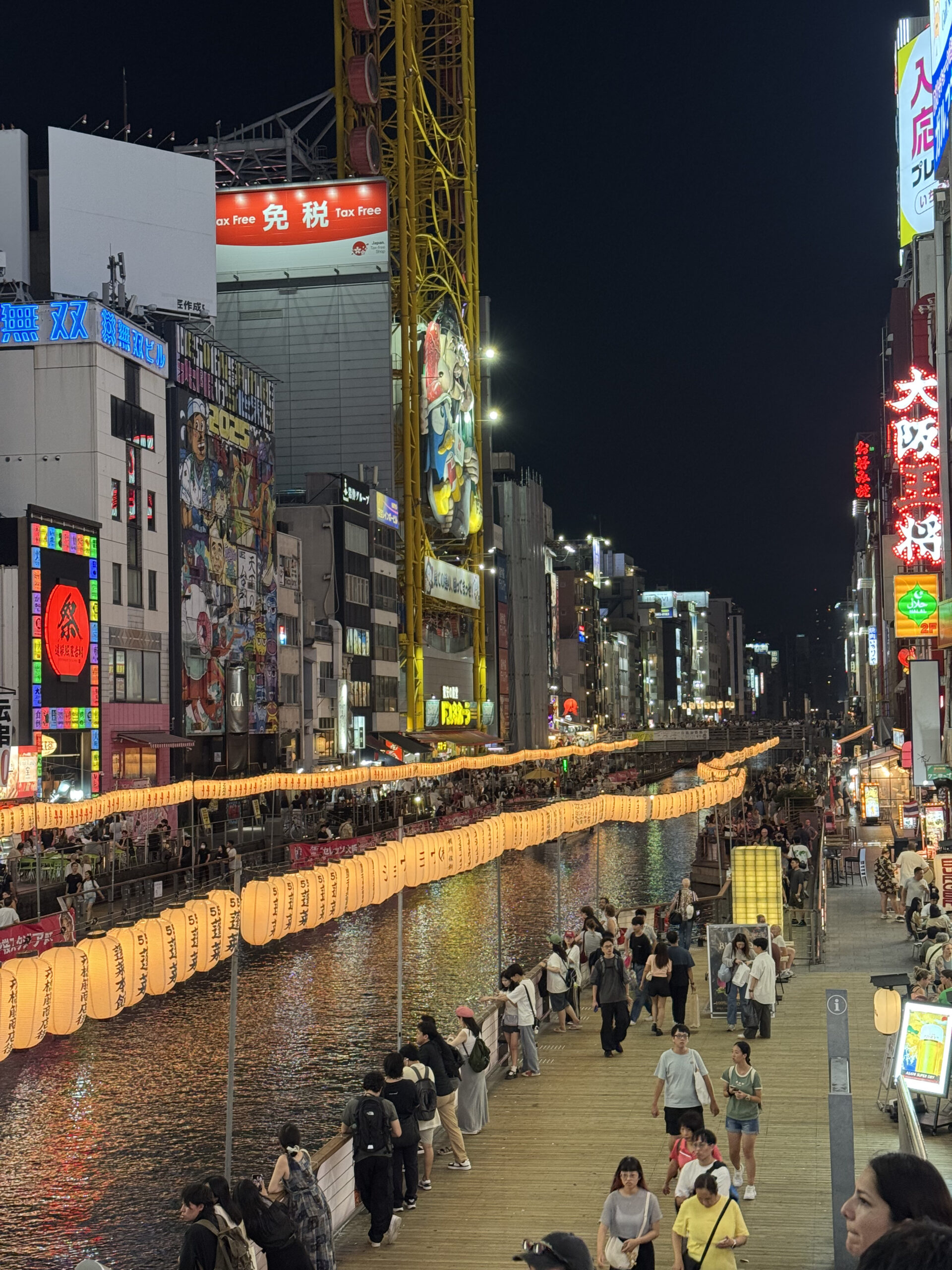
This Osaka guide for Indians answers the one question every traveller asks before booking- “Is Osaka only relevant because of Kansai Airport, Dotonbori Food and Universal Studios?”: No, Osaka is not only meant for these!
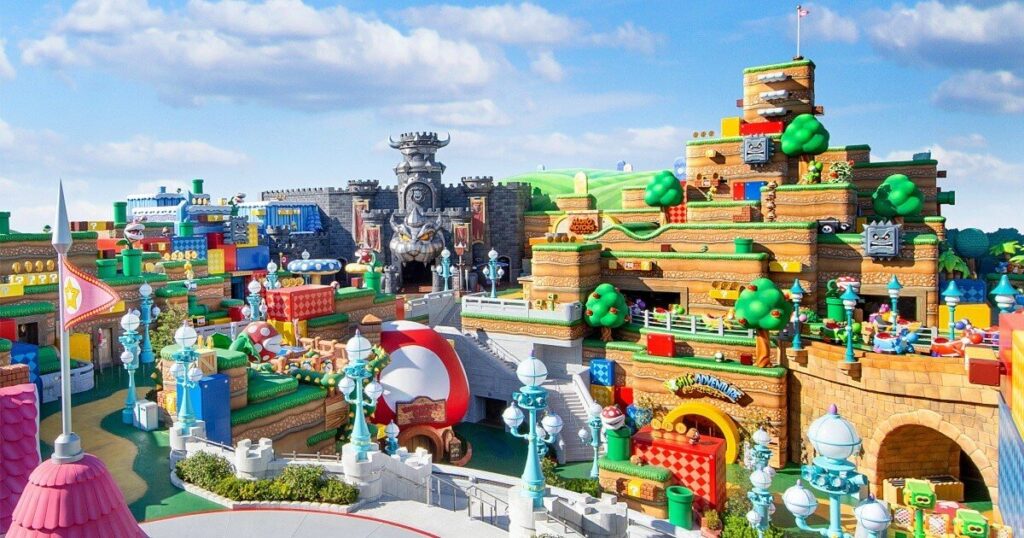
The Kansai Airport is one of the world’s best-designed international airports, and many travellers use it as their entry point into Japan. Universal Studios Japan (USJ) is the best theme park in Japan for its category but read the Express Pass warning before you go. Dotonbori is genuinely fun. But these three things together represent maybe 10% of what Osaka offers and roughly 0% of what makes it irreplaceable. In case, USJ is still on your list, here is a link for the normal ticket and here is one for the Express Pass.
What makes Osaka irreplaceable is its people and its philosophy.
The city’s unofficial motto is kuidaore– “eat until you drop.” It is the only large Japanese city where strangers will genuinely chat with you in the street, where the local pride is built entirely around the quality of the food, where a ¥300 skewer at a street stall can be the best thing you eat all day. (Osaka Food Tour (non-veg))
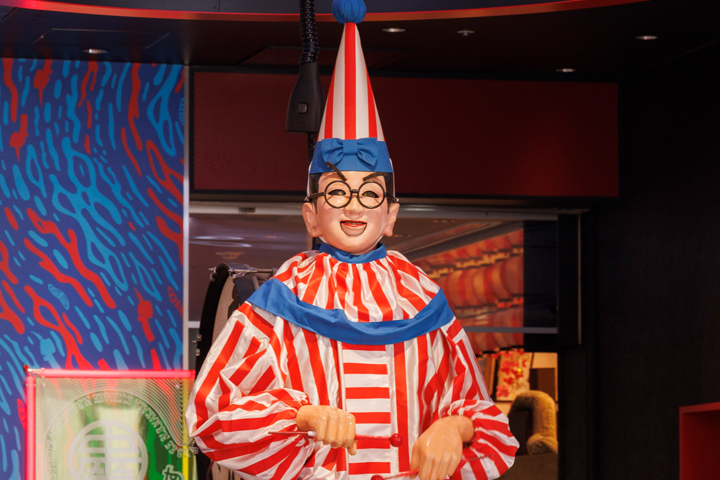
Osaka has none of Kyoto’s temple-and-incense reverence and none of Tokyo’s anxious modernity. It is warmer, cheaper, louder, and more honest about what it cares about.
This guide is for travellers willing to go beyond the airport, the theme park, and the famous canal street to discover the Osaka that makes people book return trips.
If you want the full Japan trip context, read my main 10-day Japan blog here.
When to Visit Osaka
Spring: Late March to Early May ★★★★★
Cherry blossoms at Osaka Castle Park and along the Kema Sakuranomiya riverbank (over 4,000 trees) are spectacular. Mild weather. Trade-off: peak prices and crowds.
Summer: June to August ★★★
Tenjin Matsuri (July 24-25) is one of Japan’s three greatest festivals, read Japan Festival Guide for Tourists; river procession of illuminated boats + 3,000-5,000 fireworks. Trade-off: brutal heat. See Japan August heat warning.
Autumn: October to November ★★★★★
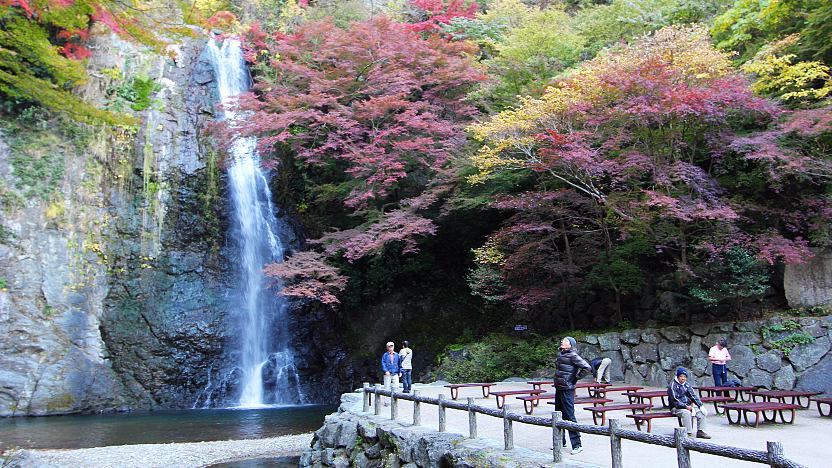
Best combination of weather, colours, and prices. Osaka Castle Park’s ginkgo and maple trees, Minoh Park waterfalls surrounded by autumn foliage (40-minute train from Osaka). Comfortable temperatures, fewer tourists than spring.
Winter: December to February ★★★★
Osaka’s cheapest season. Christmas illuminations on Midosuji Avenue (Japan’s most famous mid-city boulevard). Cool, comfortable walking weather. Significant discounts on hotels.
How to Reach Osaka
From Tokyo: Shinkansen (Nozomi): 2 hours 30 minutes to Shin-Osaka Station, ~¥14,500 (~₹8,700). JR Pass is valid on Hikari Trains (3 hours).
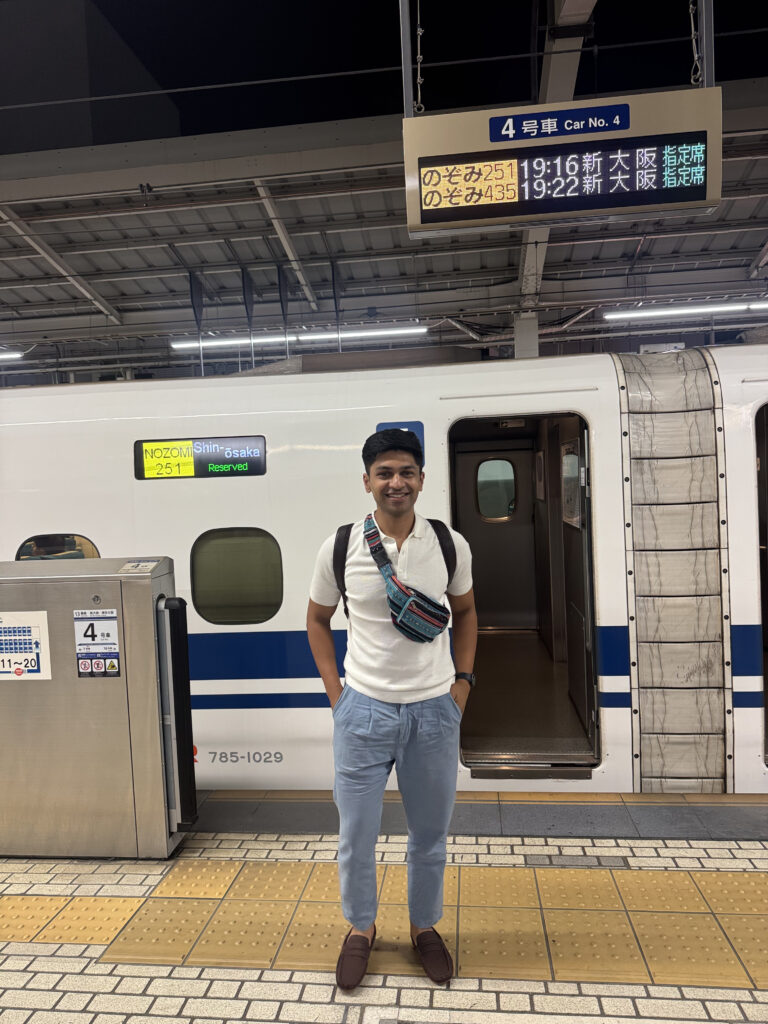
From Kyoto: JR Special Rapid from Kyoto Station: 28 minutes, ¥590 (~₹350). One of the world’s best transport deals.
From Nara: JR Yamatoji Line: 35-50 minutes, ¥470-840 depending on route.
From Hiroshima: Shinkansen: 1 hour 15 minutes, ~¥8,540.
From India: The two airports serving Osaka:
- Kansai International Airport (KIX): primary international hub; Haruka Express to Osaka Station ~50 minutes (¥2,850 or free with JR Pass); Nankai Railway to Namba ~38 minutes (¥930)
- Itami Airport (ITM): domestic only; Airport Bus to Osaka/Umeda ~30 minutes, ¥730
Getting Around Osaka
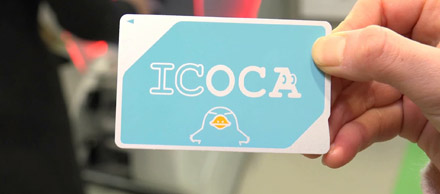
ICOCA IC card: the Kansai equivalent of Suica. Works on all Osaka Metro lines, JR lines, Hankyu, Hanshin, and Keihan trains, and most buses. Buy at Kansai Airport or any major station. The pass will work elsewhere in Japan too.
Osaka Metro (Subway): 9 colour-coded lines cover virtually all tourist areas. Single fare ¥190-360. 1-day pass: ¥820 (~₹490).
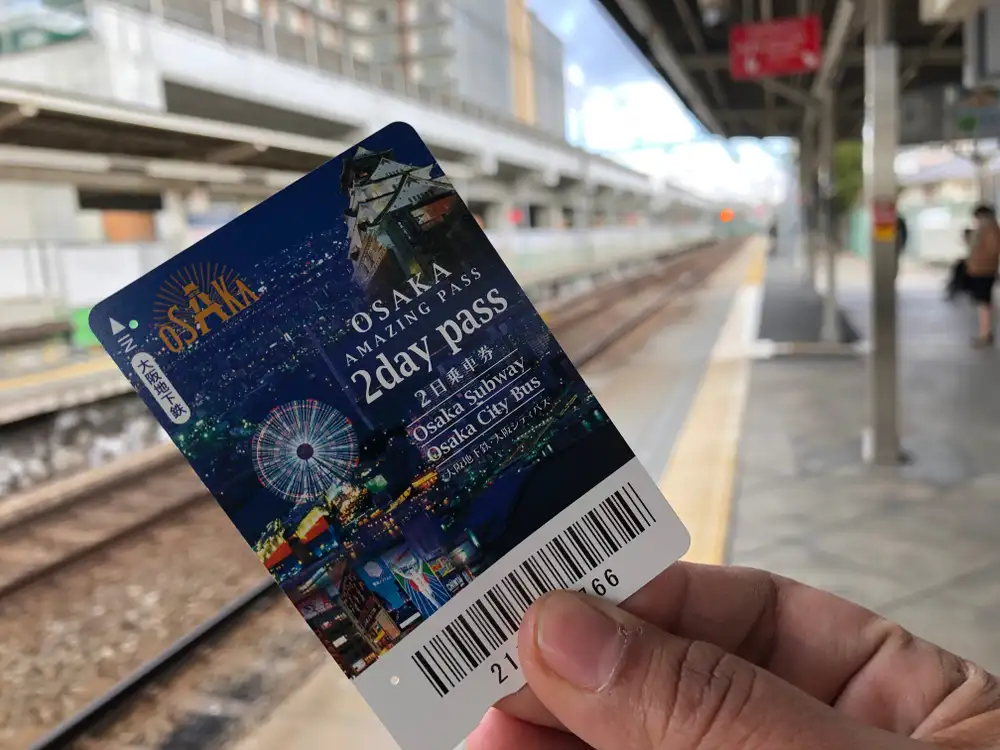
Osaka Amazing Pass (¥2,800/1 day, ¥3,600/2 day): Unlimited metro rides + free entry to 50+ tourist attractions including Osaka Castle, Tsutenkaku Tower, Kaiyukan Aquarium, Tempozan Ferris Wheel, and more. Excellent value for a full sightseeing day.
JR Loop Line: A circular JR line connecting major city areas. JR Pass valid.
Bicycle: Osaka’s flat terrain and wide streets make it excellent for cycling. Multiple rental stations from ¥1,000-1,500/day.
Understanding Osaka’s Geography
This Osaka guide for Indians covers all three zones in detail below:
South (Minami): The fun zones are Namba, Dotonbori, Shinsekai, Tennoji. Where most tourists spend most of their time. Young, chaotic, food-dense, nightlife-rich.
North (Kita): The sophisticated zones are Umeda, Grand Front Osaka, Nakanoshima Island. Headquarters for Osaka’s business culture, department stores, and upscale restaurants.
East: Osaka Castle, Osaka Museum of History, Kyobashi, Doyamacho (LGBTQ+ bars: see my guide on LGBTQ Japan travel)
West (Bay Area): Universal Studios Japan, Kaiyukan Aquarium, Tempozan Harbour Village.
Osaka’s Key Neighbourhoods
1. Dotonbori and Namba: The Glittering Heart
The most recognisable neighbourhood in Osaka. The Dotonbori canal runs east-west through Namba, flanked by famous LED billboards, the Glico Running Man sign (since 1935; sixth generation installed 2014) and the giant mechanical crab of Kani Doraku. The Tombori Riverwalk promenade below canal level offers an entirely different angle.
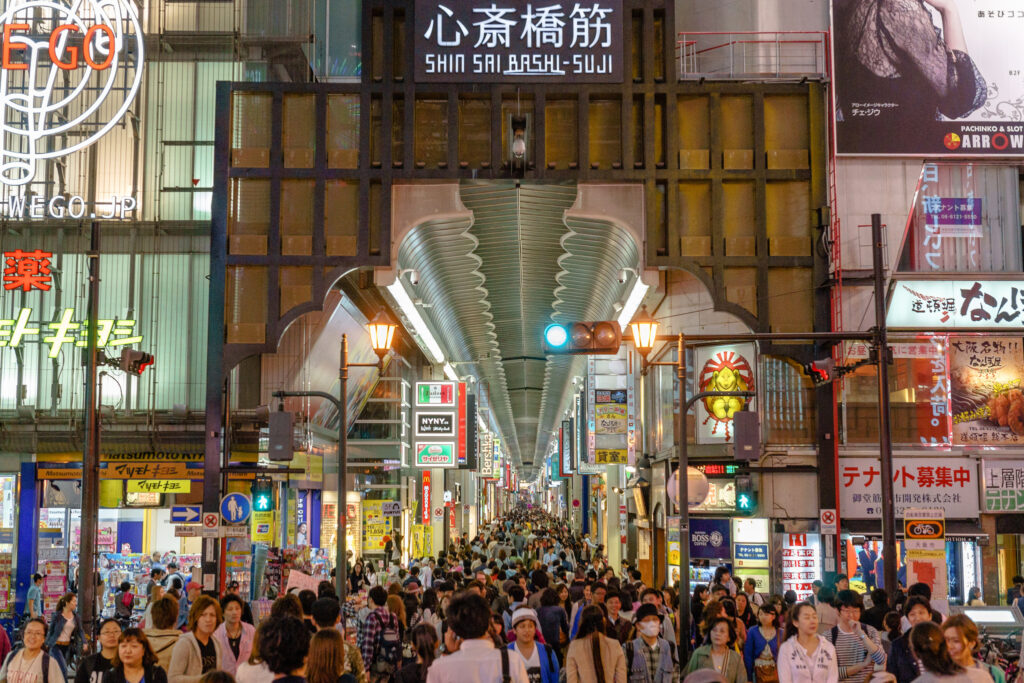
What’s here: Dotonbori canal + riverwalk, Glico sign, Shinsaibashisuji shopping arcade (580 metres of covered shops, longest in Japan), Amerika-Mura (“America Village” has youth streetwear, vintage, food), Namba Parks (rooftop garden mall), Hozenji Yokocho (moss-covered lantern alley with atmospheric small restaurants).
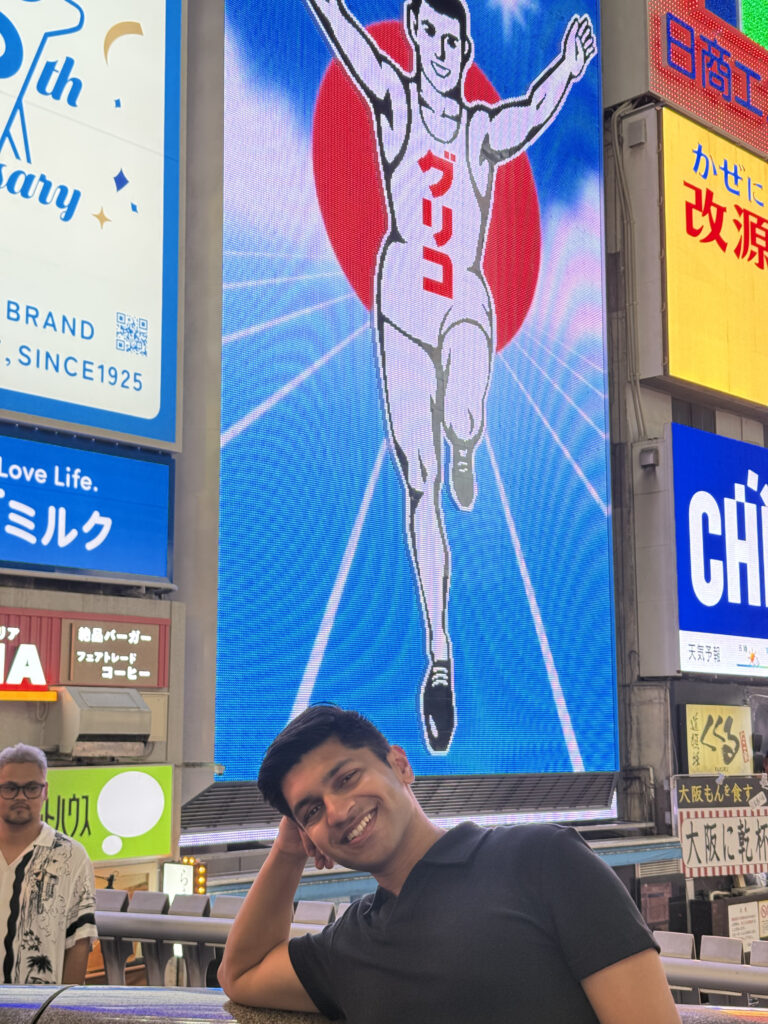
Key tip: Visit 7-10 PM for peak energy. Return at 8 AM for empty-streets photography.
Vegetarian food in this area:
- Ichiran ramen (closest to veggie-friendly; specify no lard): Dotonbori branch is famous
- Matsubaya and various tempura sets with vegetable-only options
- Multiple Indian restaurants 3-5 min walk from Namba Station
- Bon (macrobiotic vegan restaurant, Shinsaibashi area)
2. Shinsekai: Retro Osaka and Kushikatsu Country
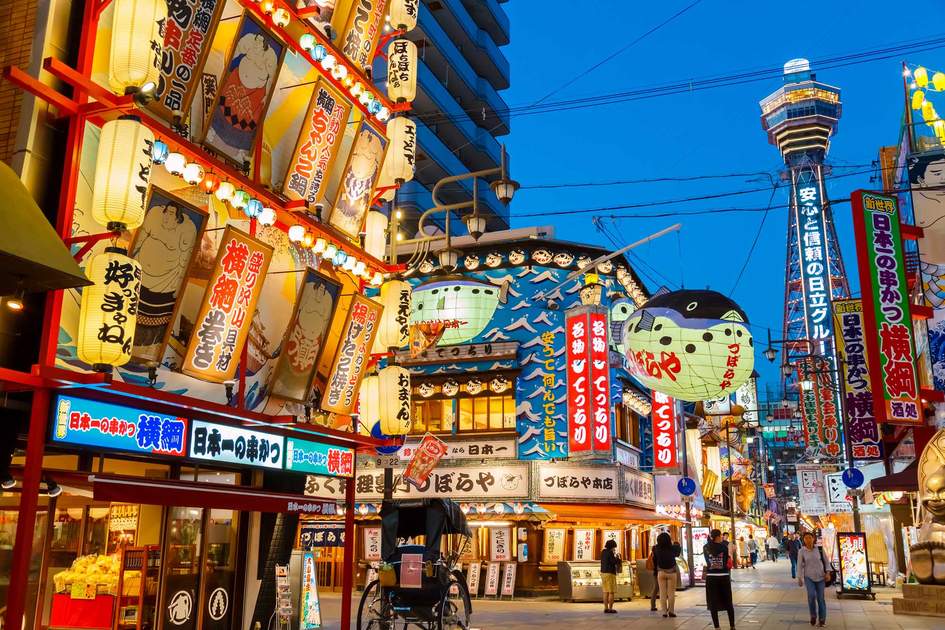
Built in 1912 as Osaka’s vision of a modern future: the northern half modelled on Paris, the southern half on New York’s Coney Island.
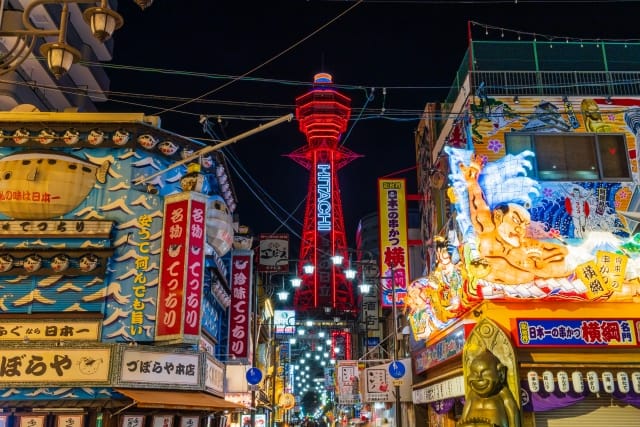
What’s here: Tsutenkaku Tower (103 metres, original 1912 rebuilt 1956; ¥900 observation deck; famous for billiken good-luck statues), Shinsekai covered shopping arcade, Janjan横丁 (Janjanyokohcho: retro bar alley), billiards halls, old-school bowling alleys.
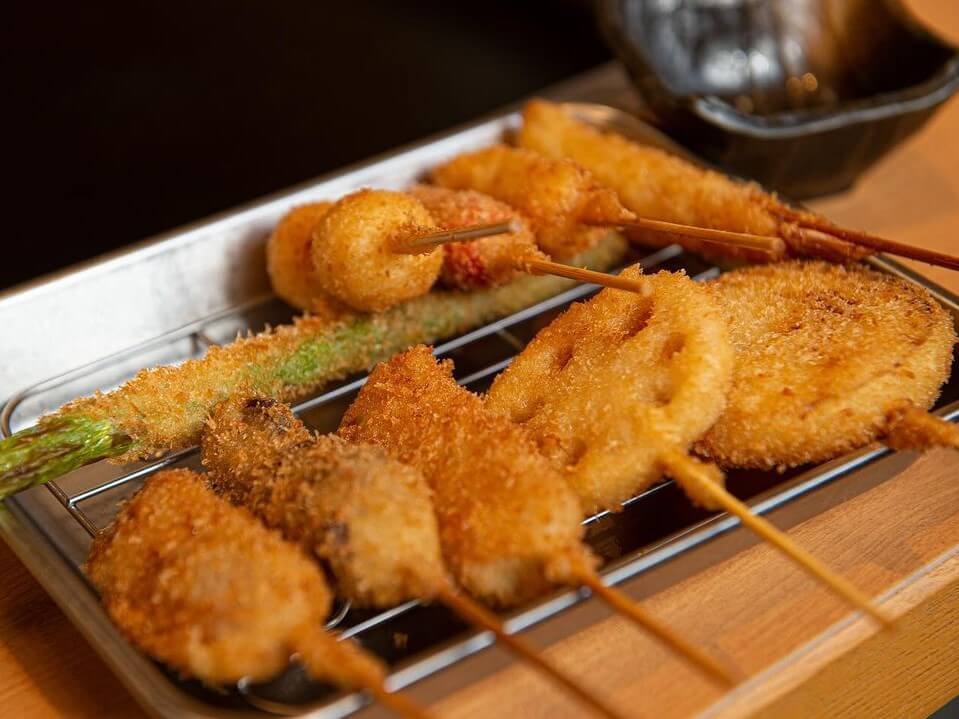
Kushikatsu: Shinsekai is the birthplace of kushikatsu: skewered and deep-fried meats, seafood, and vegetables on bamboo sticks, dipped in communal tonkatsu sauce. The most important rule: do not double-dip the skewer. Vegetarians can order all-vegetable sets (eggplant, lotus root, mushroom, asparagus, cheese, onion). Daruma is the original shop; branches throughout Shinsekai. A full kushikatsu meal at ¥1,500-2,500.
3. Tennoji: Temple, Zoo, and the Oldest Part of Osaka
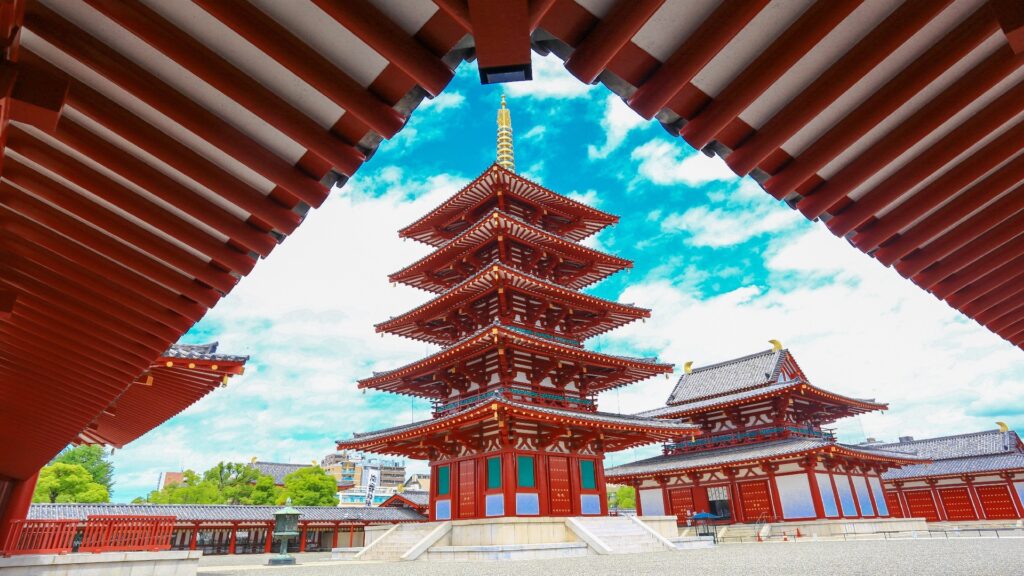
Osaka’s southeastern district holds the city’s 1,400-year-old Buddhist heritage: the oldest in Japan.
What’s here: Shitennoji Temple: the oldest officially administered temple in Japan (founded 593 CE by Prince Shotoku; ¥300 entry); Tennoji Zoo (¥500 entry, one of Japan’s oldest zoos); Tennoji Park; Abeno Harukas (Japan’s third-tallest building at 300 metres; observatory ¥1,500); Isshinji Temple (built entirely from the ashes and bones of 5 million previous worshippers: a genuinely unusual sight).
Vegetarian food:
- Tennoji area has several shojin-ryori options near Shitennoji
- Large-format vegetable sushi at multiple restaurants around the station
4. Umeda and Kita: Sophisticated North Osaka
Osaka’s commercial and cultural north- the area around JR Osaka Station.
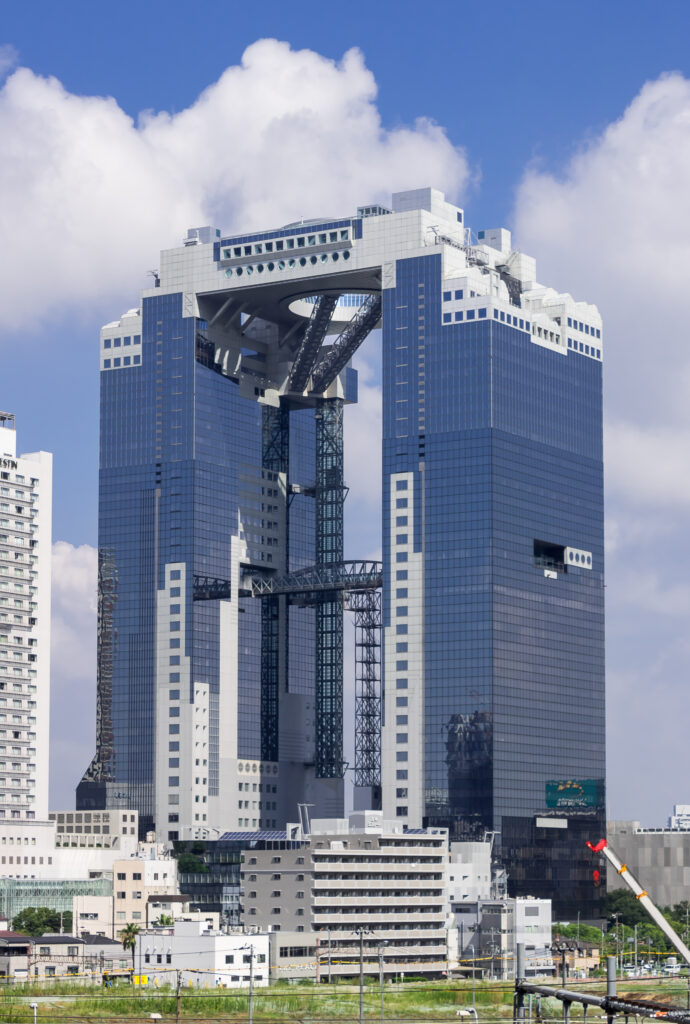
What’s here: Umeda Sky Building (spectacular twin-tower observatory with floating garden at ¥1,500 is one of Osaka’s most dramatic architectural experiences), Grand Front Osaka (post-2013 flagship shopping complex directly at the station; food halls, restaurants, Panasonic showroom), LUCUA SOUTH (new 2026 shopping addition to JR Osaka Station complex), HEP Five (shopping mall with rooftop ferris wheel), Nakanoshima Island (cultural centre island between two rivers is free to walk; Museum of Oriental Ceramics ¥600; rose garden free), Yodobashi Camera Umeda (multi-floor electronics/gaming).
Best bar area from Kita:
- Oyster Bar Kanidouraku and Niku no Taki in the Umeda neighbourhood
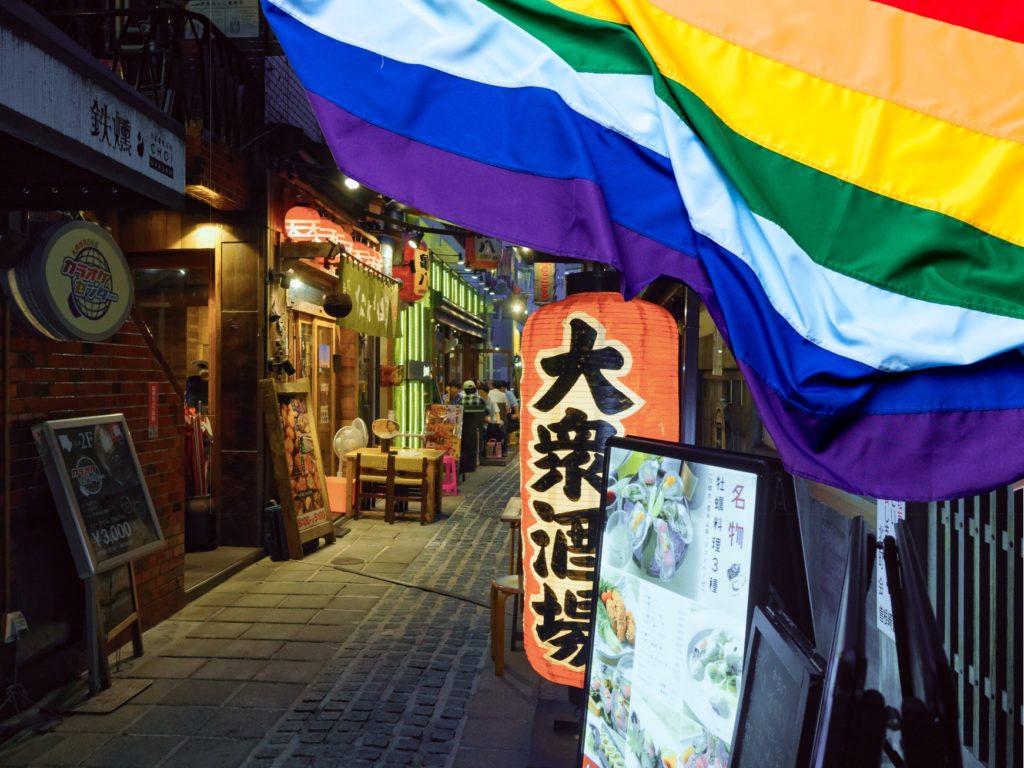
- Doyamacho (Osaka’s LGBTQ+ bar district) is 5 minutes from Umeda; 30+ bars; see Japan LGBTQ Guide.
5. Namba Parks and Amerika-Mura for Youth and Street Culture
Amerika-Mura (“A-Mura”) is a compact block of alleyways and small buildings in Shinsaibashi dedicated to American vintage fashion, streetwear, skate culture, and indie cafés. Triangle Park at its centre is a gathering spot for youth subcultures. More relaxed than Harajuku; feels more genuine.
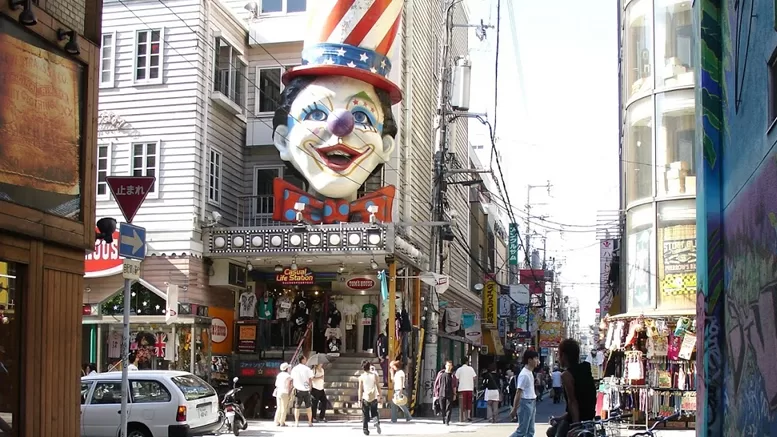
Namba Parks next door is an architecturally distinctive mall built into terraced green rooftops is an antidote to the generic shopping centre.
6. Sumiyoshi and South Osaka are the Authentic Neighbourhoods
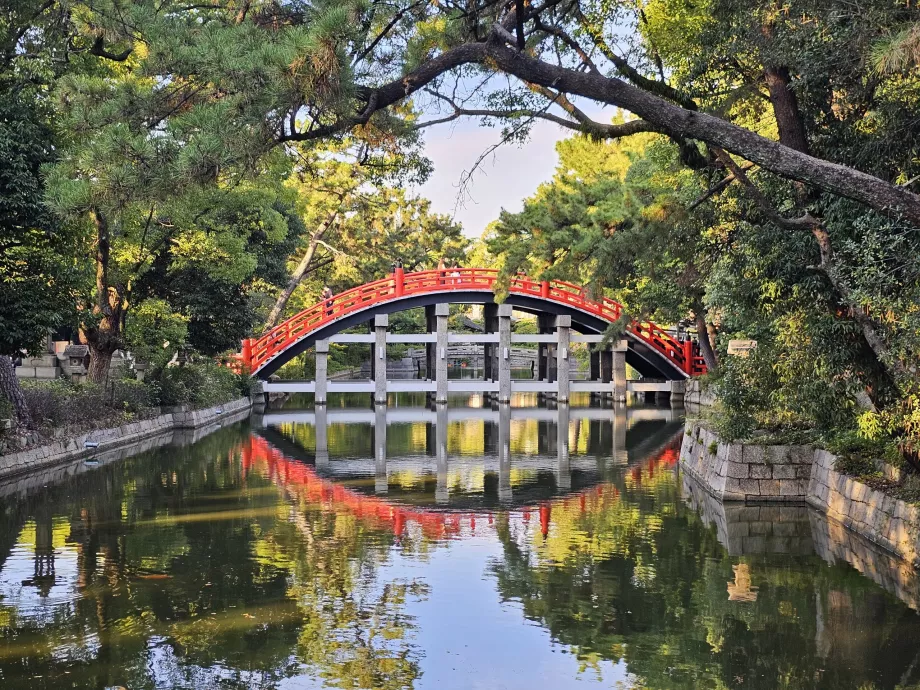
Sumiyoshi Taisha is one of Japan’s oldest Shinto shrines (founded 3rd century CE, head of all 2,300 Sumiyoshi shrines across the country). The distinctive architecture is not Chinese or Buddhist influence, purely native Japanese Shinto style which makes this a historically significant stop.
5 minutes further south: Sumiyoshi’s residential neighbourhoods give a genuine feel for local Osaka life, well away from tourists.
7. Minoh (Mino) is Nature Within Osaka
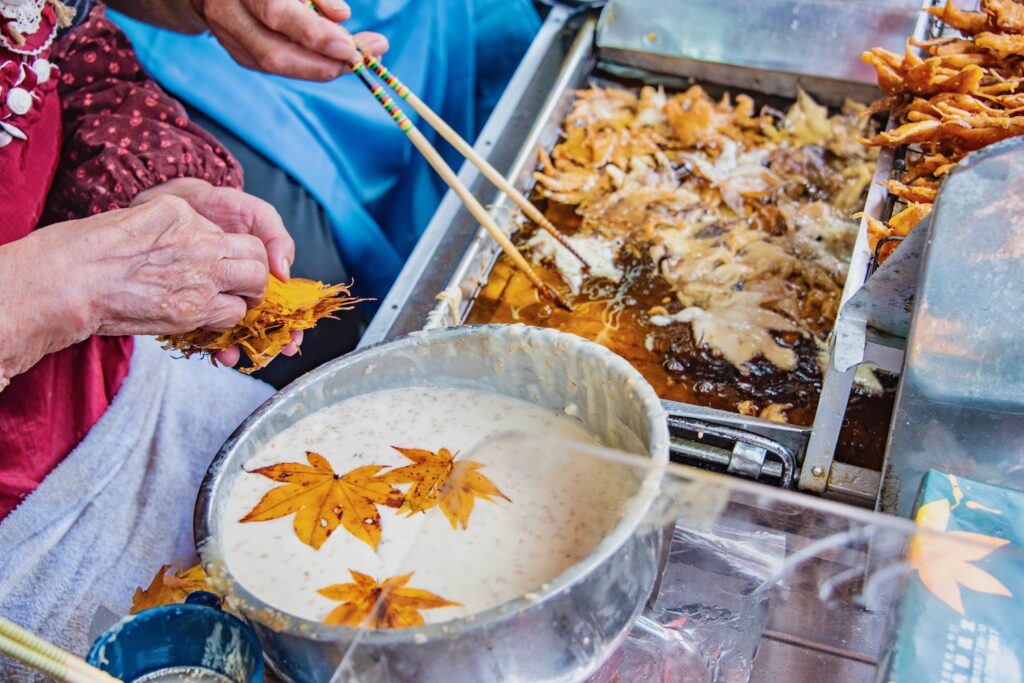
Not technically inside the city, but accessible by Hankyu Railway in 30 minutes from Umeda. A forested park with a 33-metre waterfall and a hiking trail. Famous for autumn foliage (late October-November) and a local speciality: deep-fried maple leaves in batter are sold at stalls at the trailhead. One of Japan’s more eccentric edibles.
Cost: Free. Hankyu Railway ¥280 each way.
Key Landmarks
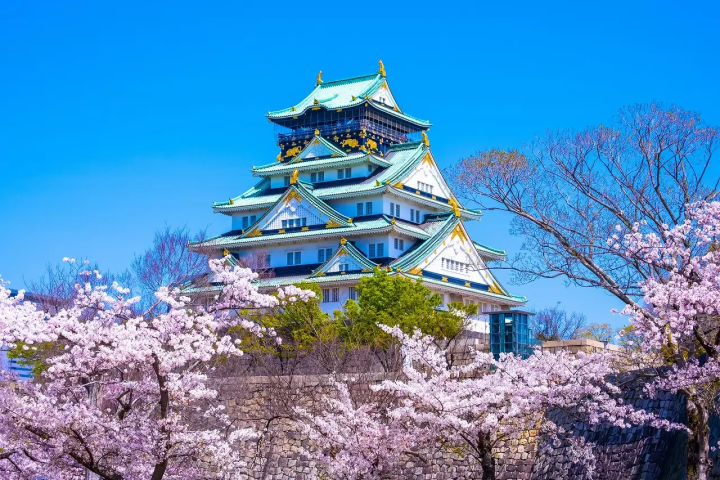
Osaka Castle (¥1,200): The most-photographed building in Osaka is a 5-storey reconstructed castle (original 1583, rebuilt 1931, renovated 1997) surrounded by a magnificent stone moat and 1,000 cherry trees. The interior is a museum of Toyotomi Hideyoshi (the warlord who built it). Note: the current building is a concrete reconstruction, not the original wood; the moat and stone walls are original. Best visited with the castle reflected in still water (early morning or light rain).
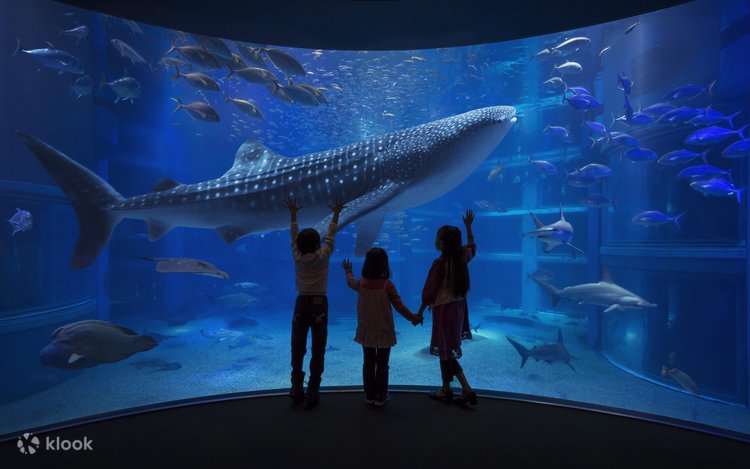
Kaiyukan Aquarium (¥2,700): One of the world’s largest aquariums, centred on a 9-storey central tank containing a whale shark is one of few aquariums globally capable of housing them. Over 30,000 creatures. Half-day experience. Well-suited for families. Part of the Bay Area complex near USJ.
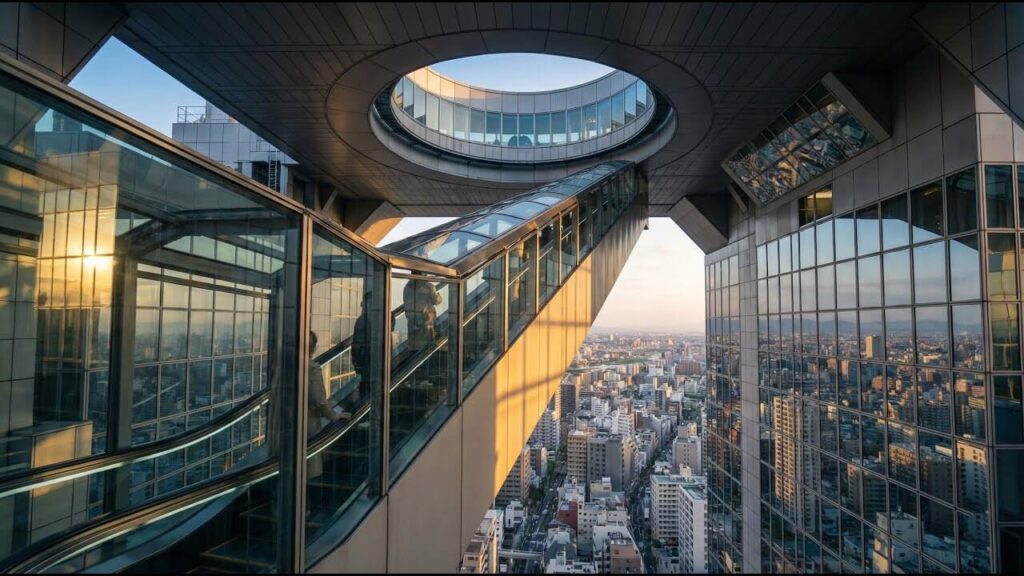
Umeda Sky Building (¥1,500): Twin 40-storey towers connected at the top by a “floating garden” observatory deck. Open-air, 360-degree view over Osaka. Particularly dramatic at night when the city glows beneath you. One of the most underappreciated observation experiences in Japan.
Tsutenkaku Tower (¥900, or free with Osaka Amazing Pass): The 103-metre Shinsekai landmark. Less impressive as an observatory than Abeno Harukas, but culturally loaded is the billiken (good luck deity) inside the tower is rubbed by every Osaka local for luck.
Osaka Museum of History (¥600): Excellent 10-floor museum adjacent to Osaka Castle with floor-by-floor walk through 1,400 years of Osaka history. Has a particularly good section on Naniwa (ancient Osaka’s name) and the city’s role as Japan’s ancient commercial hub.
Shitennoji Temple (¥300): The oldest officially administered temple in Japan (593 CE). Quieter and more historically significant than the famous Kyoto temples, yet visited by a fraction of their crowds.
Vegetarian Food in Osaka: What This Osaka Guide for Indians Recommends
Osaka’s kuidaore food culture is famously meat and seafood-heavy. Takoyaki (octopus balls), Osaka-style okonomiyaki (mixed batter pancake, usually with pork or seafood), and kushikatsu (meat-dominant) are the three signature Osaka dishes. Strict vegetarians need strategy but Osaka rewards the effort.
What Works for Indian Vegetarians
Kushikatsu (vegetable sets): In any kushikatsu restaurant, order exclusively from the vegetable menu: eggplant (nasu), lotus root (renkon), mushroom (kinoko), corn (tomorokoshi), asparagus, shiitake, onion, cheese, and potato. A full all-vegetable kushikatsu meal runs ¥1,200-2,000.
Okonomiyaki (vegetable-only version): Order yaki-soba style with vegetables only and no pork, shrimp, or squid. Specify clearly: “niku nashi, ebi nashi, yasai dake” (no meat, no shrimp, vegetables only). Moderji (in Dotonbori) accommodates this well.
Indian Restaurants: Namba and Shinsaibashi have the highest density of Indian/Nepalese restaurants outside Ikebukuro (Tokyo). Reliable pure-veg options:
- Masala Bay (Namba) is reliable, has a large menu
- India Gate (Shinsaibashi) has generous portions
- Search more on Google Maps
Kuromon Ichiba Market (free entry): Osaka’s kitchen market is a 600-metre covered arcade with 170+ vendors. For vegetarians: fresh fruit stalls, Japanese pickles (tsukemono), roasted sweet potato, tamago (egg) dishes, tofu, grilled corn, and matcha ice cream. Skip the seafood stalls; there’s plenty without.
Namba Parks food court: Multiple vegetarian-friendly options including Italian, Korean bibimbap (veg version), and Japanese temple food.
Vegan Ramen:
- T’s Tantan (Osaka branches): see vegetarian Japan guide.
- Soranoiro (Namba-adjacent) has excellent vegetarian ramen
Matcha Desserts: The Shinsaibashi area has several matcha dessert cafés worth stopping at between sightseeing.
Shopping in Osaka
What to Buy in Osaka
- Takoyaki makers is an actual Osaka home appliance; small, excellent gift for cooking households
- Kushikatsu sauce is bottled; available everywhere
- Osaka souvenirs: “Eat or Die” branded goods, billiken statues, Glico man memorabilia
- Wagashi (traditional sweets) like Konbu ame (kelp candy, Osaka specialty), warabi mochi
- Kitchen knives: Osaka’s Namba area has specialty knife shops; quality is extraordinary
- Vintage clothing from Amerika-Mura’s vintage stores
- Electronics and gaming in Den Den Town (Osaka’s Akihabara) near Namba; multi-floor electronics and anime
Where to Shop
- Shinsaibashisuji has Japan’s longest covered shopping arcade (580m); everything from Zara to traditional sweets
- Amerika-Mura is American vintage, streetwear, indie
- Kuromon Ichiba is a food market
- Den Den Town (Nipponbashi) has electronics, anime, manga; Osaka’s answer to Akihabara
- Grand Front Osaka / LUCUA SOUTH is a flagship department store complex at Osaka Station; new 2026 LUCUA SOUTH expansion includes Pokémon Center and Nintendo Osaka
- Daimaru Shinsaibashi is an upscale flagship department store; excellent basement food hall (depachika)
- Tenjinbashisuji is Japan’s longest shopping street (2.6 km); more local than Shinsaibashisuji; cheaper
Cultural Activities and Classes
Cooking Classes (Takoyaki, Okonomiyaki)
The most popular Osaka cultural activity. Learn to make takoyaki (octopus balls) or okonomiyaki from local cooks.
- Available throughout Dotonbori and Namba
- Cost: ¥3,000-6,000 for 1.5-2 hour class
- Note: Most standard classes use octopus and pork. Book vegetarian-specific classes by searching “veg takoyaki Osaka” on Klook or Magical Trip. Several operators accommodate but it can be difficult to find. Speak to your operators directly.
Osaka Takoyaki cooking classes(non-veg but a few of them have vegan options)
Kyoto Hands-on Takoyaki and Okonomiyaki Cooking (with vegan, halal and gluten-free options)
Bar Hopping in Doyamacho and Dotonbori
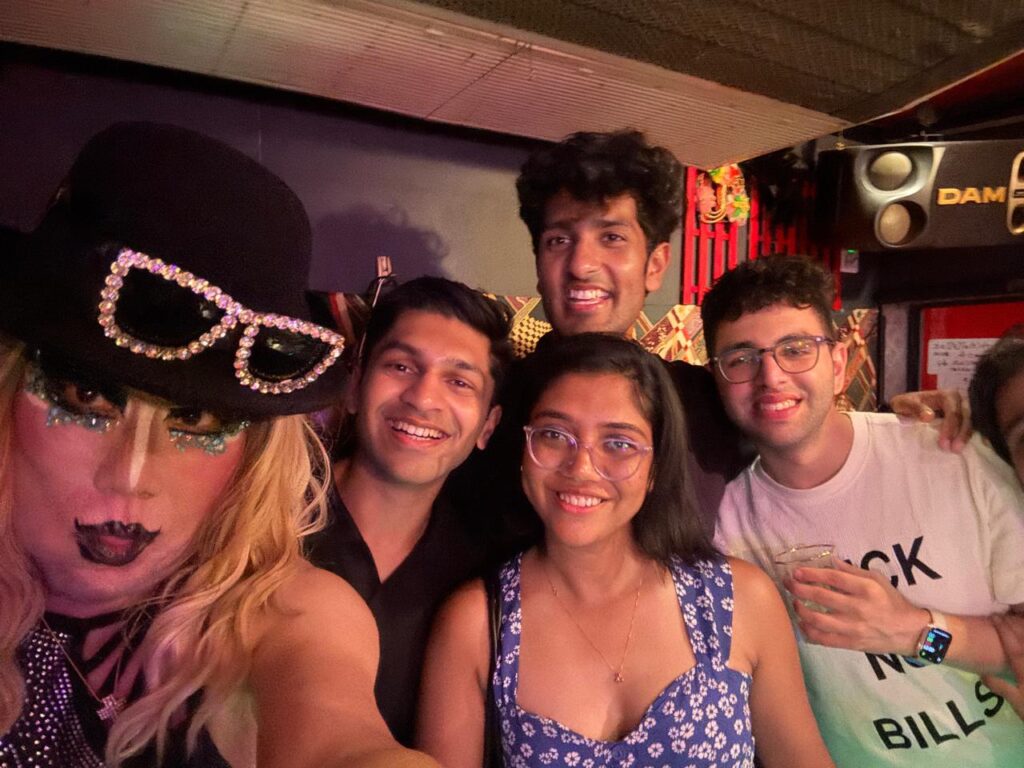
Osaka’s nightlife is one of Japan’s most energetic. See Golden Gai and bars guide for the full Doyamacho breakdown. The city’s famous “Osaka bar hopping” walking tour (Magical Trip; rated #1 on TripAdvisor for Osaka) takes you through Namba izakayas.
Here is an Osaka nightlife & street food tour (non-veg)
Tea Ceremony
Less prominent than Kyoto but available. Urasenke Foundation has an Osaka branch (advance booking required). Several Osaka temple complexes offer seasonal ceremonies.
Sake and Craft Beer
- Minami Ward craft beer bars present around Shinsaibashi
- Namba Craft Beer has 20 taps of Japanese craft beer
- Osaka sake culture: the Nada brewing district (shared with Kobe) produces some of Japan’s most important sake; Hakutsuru Sake Brewery Museum in Kobe (30 min, free) is a worthwhile half-day.
Kodo Taiko Drumming and Traditional Arts
Osaka Museum of History runs periodic traditional performance events. The Shitennoji Temple hosts performances during festivals.
Comedy (Manzai)
Osaka is the home of manzai. Japanese two-person stand-up comedy. While most is only in Japanese, visiting a comedy show at Yoshimoto Namba Grand Kagetsu (the home of Japanese comedy, tickets ¥3,000-6,000) gives an insight into why Osaka’s culture has a fundamentally comedic self-image that no other Japanese city has.
The 2-Day Itinerary
Best for travellers using Osaka as part of a wider Japan trip (the most common scenario).
Day 1: South Osaka: The Classic
- 8:00 AM: Dotonbori at dawn will have empty streets, morning light, perfect Glico sign photos
- 9:00 AM: Breakfast at Namba with a morning set at a local kissaten (coffee shop), ~¥700
- 10:00 AM: Osaka Castle, arrive early for crowds management; Museum of History adjacent
- 12:30 PM: Lunch at kushikatsu at Shinsekai (vegetable set); brief explore of Shinsekai retro streets
- 2:30 PM: Shitennoji Temple is the oldest temple in Japan; 20 min from Shinsekai by metro
- 4:00 PM: Tennoji Zoo or Abeno Harukas observatory if time
- 6:00 PM: Return to hotel; rest
- 7:00 PM: Dotonbori evening doing a canal walk, Tombori Riverwalk, dinner at restaurant of choice
- 9:00 PM: Dotonbori night energy at peak
Day 2: North and Local Osaka
- 9:00 AM: Umeda Sky Building has a floating garden observatory in the morning
- 10:30 AM: Grand Front Osaka / LUCUA SOUTH for shopping; Nintendo Osaka for enthusiasts
- 12:00 PM: Kuromon Ichiba Market can be grazed through for lunch, pick up edible souvenirs
- 2:00 PM: Amerika-Mura and Shinsaibashisuji for afternoon shopping and wandering
- 4:30 PM: Sumiyoshi Taisha is Japan’s oldest style Shinto shrine, 15 min by Nankai from Namba
- 6:30 PM: Doyamacho bar district evening (see Japan LGBTQ+ Guide) or Dotonbori izakaya
The 4-Day Itinerary
Adds depth, day trips, and the authentic Osaka most 2-day visitors miss.
Days 1-2: Same as 2-day itinerary above.
Day 3: Bay Area and Cultural Osaka
- 9:30 AM: Kaiyukan Aquarium: whale shark, 3 hours; Bay Area
- 12:30 PM: Lunch near Bay Area (Tempozan Marketplace or Kaiyukan food)
- 2:00 PM: Tempozan Giant Ferris Wheel: views over Bay Area and Osaka
- 4:00 PM: Return to city: Nakanoshima Island walk, Museum of Oriental Ceramics
- 6:00 PM: Okonomiyaki class or cooking experience in the evening
- 8:00 PM: Bar hopping: Namba izakayas
Day 4: Day Trip Options
Pick one:
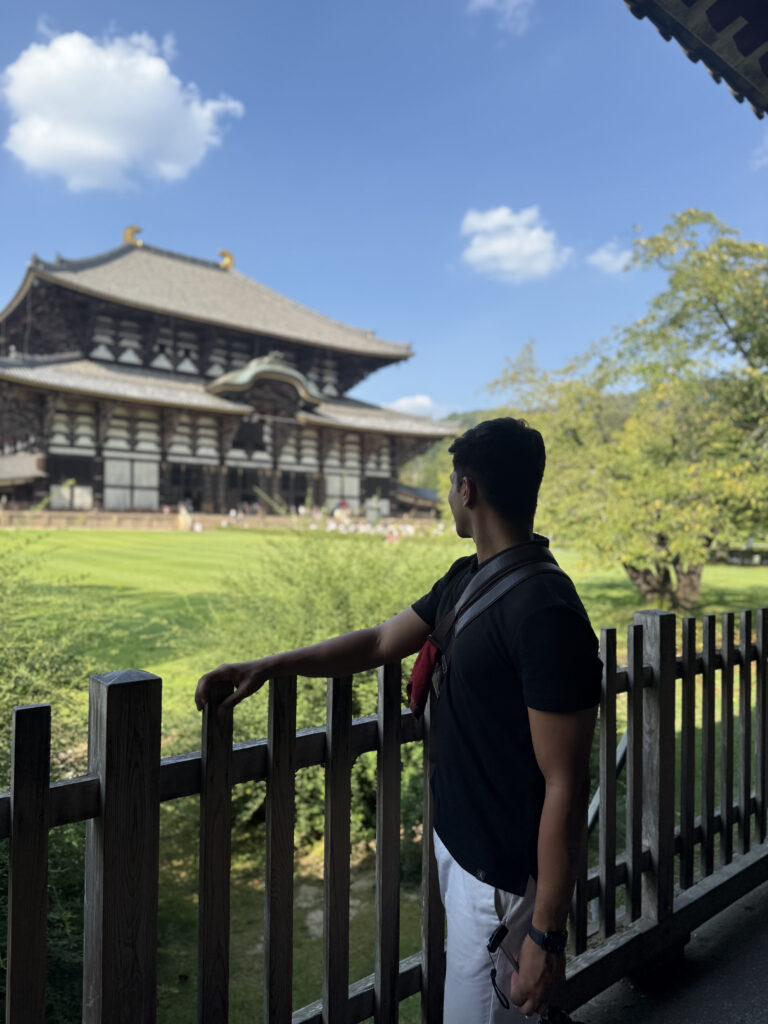
Option A: Nara (45 min) Deer + Great Buddha + coin lockers; see Nara Deer Guide. Book your Guided Nara tour from Osaka/ Kyoto with pick-up and drop.
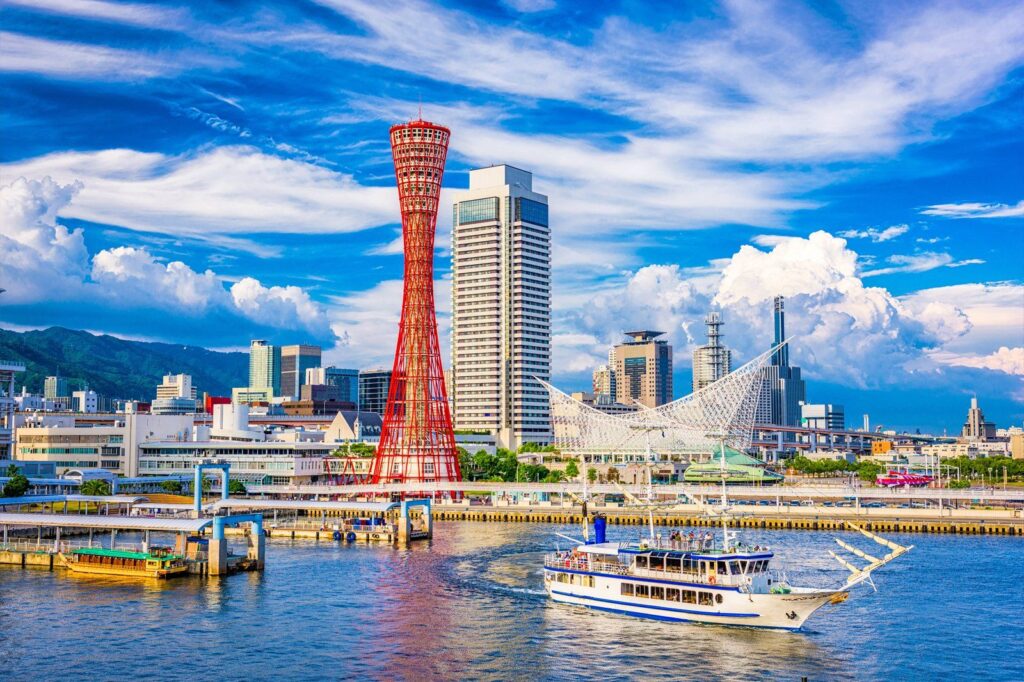
Option B: Kobe (30 min) Harbour city, Meriken Park, Kitano Ijinkan (Western-style Meiji-era houses), Hakutsuru Sake Museum, Kobe beef if you eat it. One of Japan’s most pleasant half-day cities.
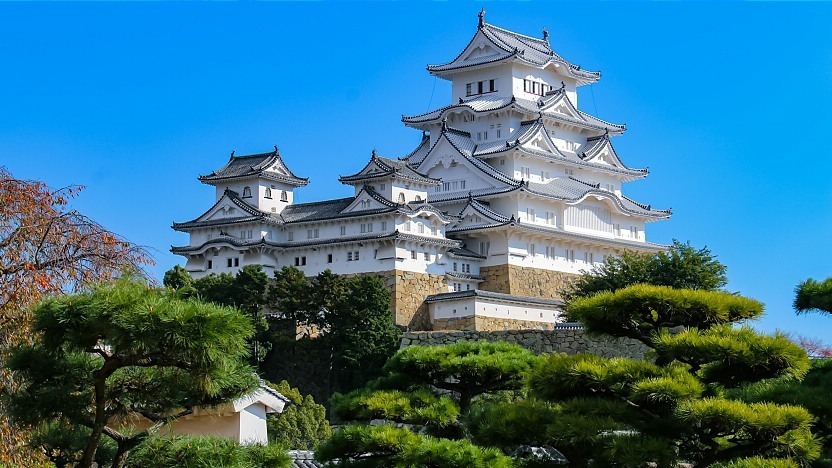
Option C: Himeji (1 hour) Japan’s most spectacular original castle (UNESCO). Half-day trip from Osaka or en route to Hiroshima.
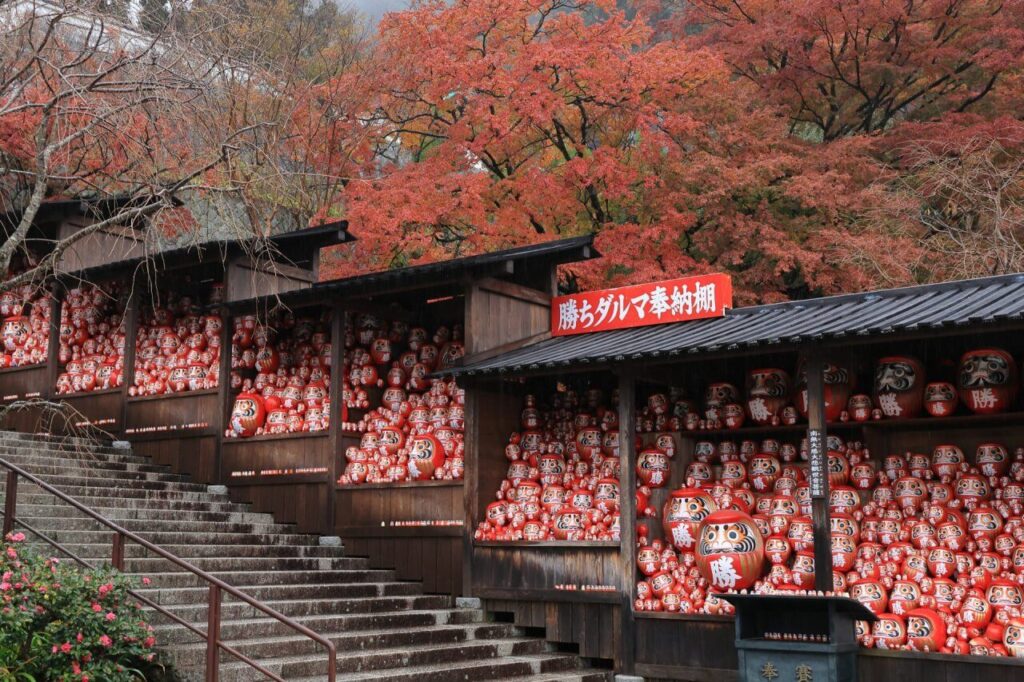
Option D: Kyoto (28 min) Only if you haven’t already been; see Kyoto ultimate guide. There are multiple day trip options with particular sites covered like- Katsuo-ji, Byodo-in & Fushimi Inari.
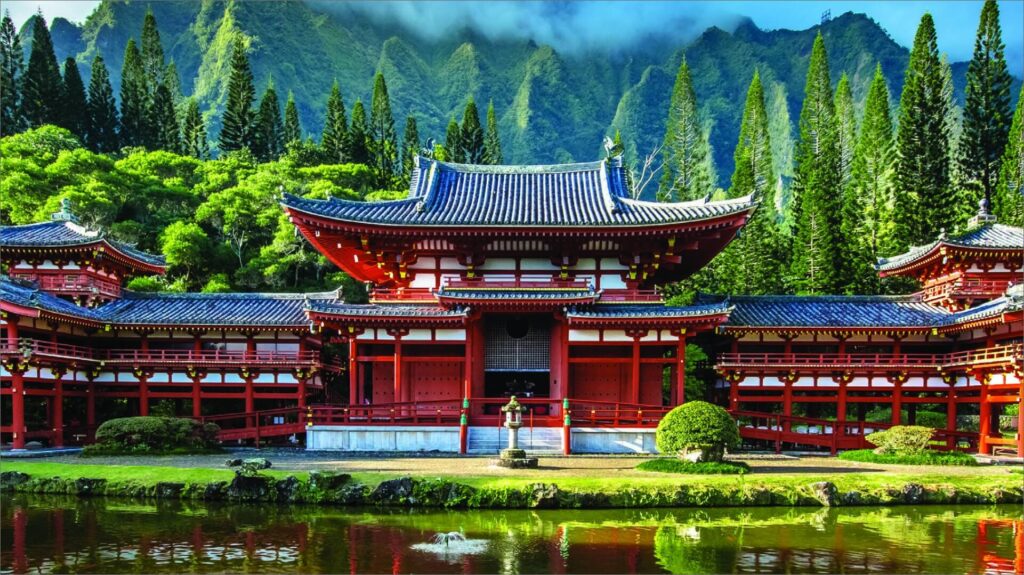
Evening: Return to Osaka; final dinner at Hozenji Yokocho (the moss-covered intimate lane near Dotonbori, easily Osaka’s most atmospheric nighttime dining setting).
Where to Stay in Osaka
Unlike Kyoto with its distinct neighbourhood personalities, Osaka’s accommodation clusters are fairly interchangeable for most travellers. The key choice is North (Kita/Umeda) vs South (Minami/Namba).
Namba area (recommended for first-timers): Central to all tourist activity, nightlife, and Dotonbori. 5-10 min metro to Osaka Castle. Umeda/Kita area: Better for transport connections (Shinkansen, Haruka to airport). Slightly quieter in the evenings. Tennoji: Quiet, affordable, good for early-morning temple visits.
Accommodation Options
Budget (¥4,000-10,000/night):
- Cross Hotel Osaka is a popular mid-budget; Shinsaibashi location
- APA Hotel Namba-Nishi is a reliable chain; central
- Osaka Hana Hostel is well-rated; dorms from ¥3,000
Mid-range (¥12,000-25,000/night):
- Hotel Monterey Grasmere Osaka is Namba-adjacent; large rooms
- DoubleTree by Hilton Osaka is a business hotel quality; good value
- The Celestine Osaka is stylish, central
Premium (¥30,000+/night):
- Conrad Osaka is on the 40th floor above Nakanoshima; Tokyo-quality luxury at Osaka prices
- St Regis Osaka is elegant, Honmachi; ¥50,000-90,000
The Osaka Amazing Pass: Is It Worth It?
1-day pass: ¥2,800 | 2-day pass: ¥3,600
Includes unlimited metro rides AND free entry to 50+ attractions. Run the maths:
| With Amazing Pass | Without |
|---|---|
| Metro unlimited (worth ¥2,000-3,000/day) | Pay per ride |
| Osaka Castle (¥1,200) | ¥1,200 |
| Tsutenkaku (¥900) | ¥900 |
| Tempozan Ferris Wheel (¥900) | ¥900 |
Verdict: The 1-day pass pays for itself immediately if you use the metro heavily and visit 2-3 included attractions. The 2-day pass is excellent value for a full exploration itinerary. Note that Kaiyukan and Umeda Sky Building are NOT included, budget those separately.
Daily Budget Estimate
| Item | Cost |
|---|---|
| Accommodation (mid-range) | ¥12,000-18,000 (~₹7,200-10,800) |
| Osaka Amazing Pass 1 day | ¥2,800 (~₹1,680) |
| Meals (3 meals + snacks) | ¥3,500-6,000 (~₹2,100-3,600) |
| Attractions (if not on Pass) | ¥1,500-3,000 extra |
| Total daily without accommodation | ~¥6,000-11,000 (~₹3,600-6,600) |
Osaka is noticeably cheaper than Tokyo and Kyoto, particularly for food and accommodation.This Osaka Guide for Indians estimates that budget travellers can eat extremely well for ¥2,000-3,000/day; mid-range restaurants cost 20-30% less than equivalent Tokyo establishments.
Practical Tips
1. Osaka people are friendlier than anywhere else in Japan. Don’t be surprised if strangers strike up conversations or give you unsolicited food recommendations. Embrace it.
2. Don’t double-dip at kushikatsu restaurants. The communal dipping sauce is for one-dip only. This is enforced with genuine seriousness. Splash more sauce using the cabbage leaf provided.
3. Get the ICOCA card at Kansai Airport. Different from Suica (Tokyo), but the same IC card system. Works on all Osaka trains and buses.
4. The Tombori Riverwalk is often better than the canal-level street. The lower riverside promenade below Dotonbori canal has less tourist chaos and better water-level views.
5. Temple/shrine entry fees are mostly low. Shitennoji (¥300), Sumiyoshi Taisha (free), Tennoji Park (free). Osaka isn’t a “pay per temple” city the way Kyoto is.
6. Den Den Town (Nipponbashi) for electronics. Osaka’s equivalent of Akihabara is slightly less polished but has comparable range and better prices on some items. Tax-free for tourists.
7. Day trips are exceptional value. Kyoto (28 min), Nara (45 min), Himeji (60 min), Kobe (30 min). Osaka has more easy day-trip range than any other Kansai city.
8. Summer is hot. Osaka in July-August is extreme heat + humidity. See Japan August warning. The exception: Tenjin Matsuri (July 24-25) is worth the heat if you plan carefully.
Frequently Asked Questions
Q: How many days is Osaka worth? Two days covers the essentials. Dotonbori, Osaka Castle, Shinsekai, Umeda Sky Building. Four days adds depth: the Bay Area, day trips to Nara or Kobe, proper neighbourhood exploration. Most travellers combine Osaka with Kyoto (28 min) and Nara (45 min) for a Kansai 7-day trip.
Q: Is Osaka cheaper than Tokyo and Kyoto? Yes, measurably. Meals average 20-30% cheaper; accommodation is generally 15-25% cheaper for equivalent quality. Street food especially is remarkable value.
Q: What makes Osaka different from Kyoto? Kyoto is temples, refinement, historical gravitas, and formal cuisine. Osaka is street food, louder people, retro districts, and practical modernity. Kyoto is Japan looking back; Osaka is Japan enjoying itself in the present. Both are essential; neither replaces the other.
Q: Is vegetarian food possible in Osaka? Yes, with planning. All-vegetable kushikatsu sets, vegetable okonomiyaki, Indian restaurants in Namba, tofu restaurants near Shitennoji, and excellent produce at Kuromon Market. For strict vegans, see the vegetarian Japan guide.
Q: Where should I stay in Osaka as a first-time visitor? Namba area, central to nightlife, food, and tourist sites. Use the Osaka Metro for everything else.
Q: Is Universal Studios Japan worth going to? Only with an Express Pass. See my comparison of Japanese theme parks for the full verdict. USJ is the best ride-based theme park in Japan, but wait times without Express Pass are brutal. Don’t go without one.
Q: What is Osaka best known for? Kuidaore, the culture of eating obsessively. Takoyaki, okonomiyaki, kushikatsu, Kuromon Market, and a restaurant-per-square-metre density that outperforms most cities globally. Also: Osaka Castle, warm locals, and Japan’s oldest Shinto shrine (Sumiyoshi Taisha).
Q: Can I do a day trip to Kyoto from Osaka? Yes, 28 minutes by JR Special Rapid for ¥590. However, Kyoto deserves multiple days. A day trip works for a first impression; it doesn’t work for a real Kyoto experience. See Kyoto ultimate guide.
Final Word
Osaka answers the title question clearly: no, it is absolutely not only meant for the airport, Universal Studios, and Dotonbori.
It’s meant for the moment a kushikatsu vendor grins when you enthusiastically order seconds. For Shinsekai’s cheerful decay at 11 PM. For the Glico sign reflected in the canal at 9 PM when the city is finally alive. For the Umeda Sky Building at dusk when Osaka spreads out below you and you understand, viscerally, how large and self-sufficient and proud this city is.
It’s also one of Japan’s best transport hubs, day-trip range to Kyoto, Nara, Himeji, Kobe, and with the right planning, Hiroshima, all while paying 20-30% less than Tokyo for accommodation and food.
If you’re planning Japan and debating whether to give Osaka a night or two beyond the transit, give it more. The city earns it.
For the full Japan trip experience, read my main blog here. Bookmark this Osaka guide for Indians and share it with anyone planning a Kansai trip.
Drop a comment with your best Osaka food experience, and which Osaka moment you’d most want to repeat.