 By Tarang Bansal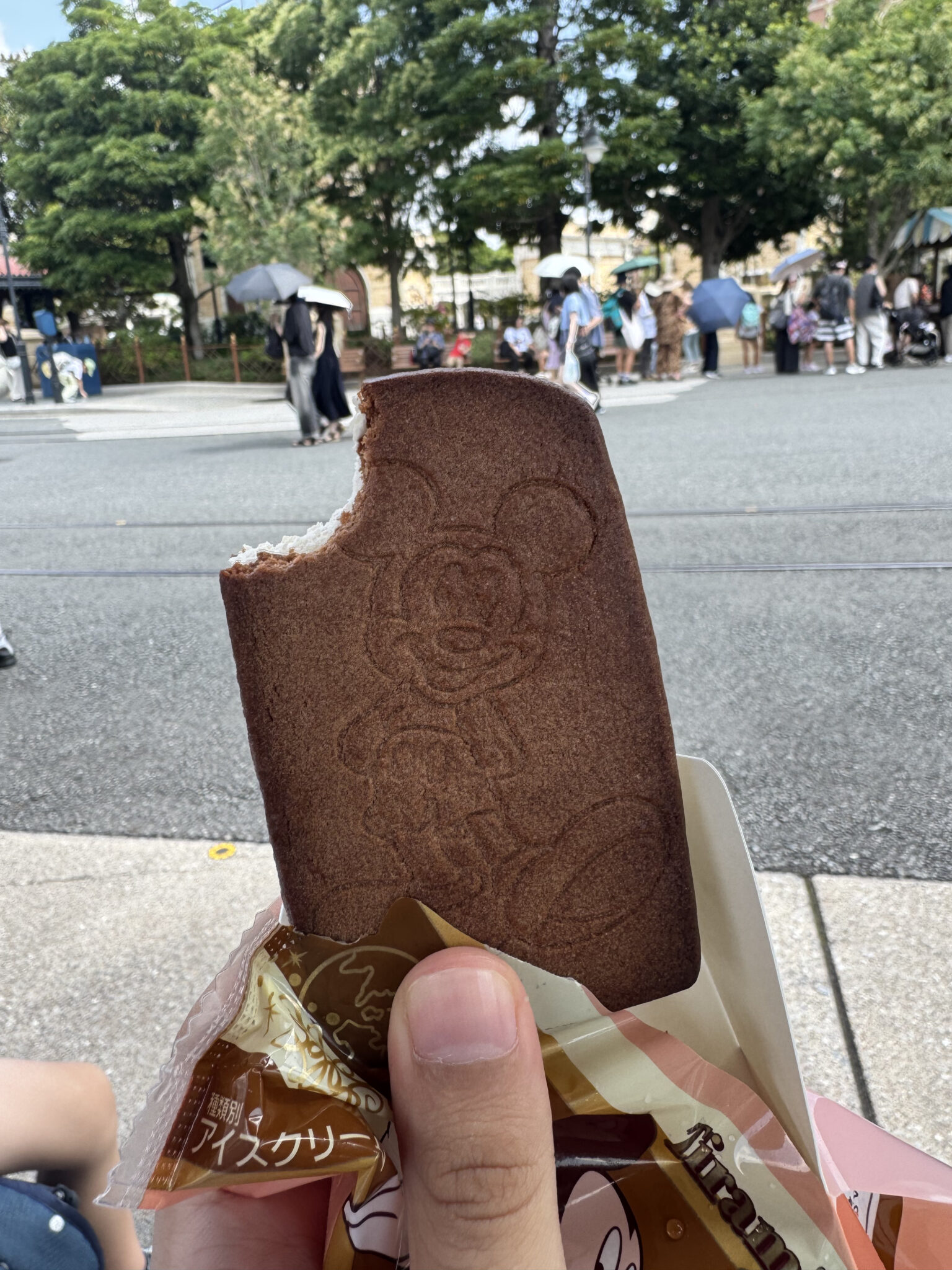

Of everything I rated on a -5 to +5 scale across my whole Japan trip, only DisneySea scored the absolute bottom; Tokyo DisneySea worth it?
An honest, painful Tokyo DisneySea review from an Indian traveler who paid ₹7,000 for entry, ₹1,500 more for an express pass per ride, waited 45 minutes, and got a 20-second ride. The expectation-vs-reality gap, the broken queue logic, and what to do instead.
I want to start with the rating, because if you’re scrolling past this looking for an opinion, here it is:
Tokyo DisneySea, on my -5 to +5 scale, gets a -5!
I have rated 50+ experiences across my Japan trip- temples, e-bike rides, speakeasies, walking tours, public toilets- and DisneySea is the only thing that scored at the absolute bottom.
DisneySea was the most overhyped, overpriced, and operationally frustrating experience of my entire 10 days in Japan. I want to explain why- fairly, with the full context of what I expected vs what I got- so you can decide for yourself whether to spend ₹7,000+ on this.
If you want the full Japan trip context, read my main 10-day Japan blog here. This post is a focused honest review of just the DisneySea experience.
Why We Chose DisneySea Over Disneyland and Universal Studios
Tokyo offers three big theme park options: Tokyo Disneyland, Tokyo DisneySea, and Universal Studios Japan (which is technically in Osaka). All three were on the table.
We picked DisneySea for a very specific reason: it’s the only DisneySea in the world.
Tokyo Disneyland exists, but so does Disneyland in Hong Kong, Orlando, Paris, Anaheim, and Shanghai. Universal Studios Japan is Universal-branded- there are versions in LA, Orlando, Beijing, and Singapore. But DisneySea is unique to Tokyo.
The pitch for DisneySea is that it’s the more “mature” Disney park- a nautical-themed adult-oriented version with more sophisticated attractions, intricate themed zones, and a generally less child-focused vibe.
So our logic was simple: if I’m doing a Disney park for the first time, let it be the one I can’t experience anywhere else. Sounded reasonable.
It was a mistake.
What ₹7,000 Actually Buys You at DisneySea
Let’s start with the entry ticket- that’s the baseline.
We pre-booked DisneySea tickets online at around ₹5,000 per person (1-day passport).
Here’s what that ₹5,000 does NOT include:
- Any priority/express ride access
- Food (which is overpriced inside)
- Souvenirs
- Disney Resort Line monorail to the park entrance (small extra fee, themed train, charming) to reach the park from the city
- The countless ride-specific upgrades the app will push at you
Here’s what it DOES include:
- The right to enter
- The right to wait
That’s it. Just like every other paid theme park, you pay to get in, and then you pay again for everything that makes it bearable.
👉 [INSERT AFFILIATE LINK: DisneySea tickets via Klook/GetYourGuide]
The Critical Thing Most Indians Don’t Know: There Is No Express Pass System
This is where most Indian travellers go in confused.
In many international parks (Universal Studios, some Disney parks abroad), you can buy a single “express pass” or “fast track” upfront that gives you priority queue access for most rides all day. Pay once, skip queues for 6–8 popular rides.
Tokyo DisneySea has no such pass.
Instead, the entire priority queue system runs through the official Tokyo Disney Resort app, and works like this:
- Everyone in your group has to download the app.
- You all log in and join one shared “group.”
- Inside the app, you can browse every ride in real-time- current wait times, ride descriptions, locations. (This only works if you are physically in the park)
- Some rides have a free “Standby Pass” (limited slots, free, lottery-style).
- Other rides offer a paid “Premier Access”- basically express entry for ₹1,000–₹1,500 per person per ride.
- Critically: You can only hold ONE active Premier Access booking per group at a time. The other four can’t book another paid ride until that one is used.
Think about that constraint. Five of us in one group. We pay ₹1,500 each (₹7,500 total) for a single ride. We use it. Only after that ride is over can we buy the next one. We do another. Pay again. Use it. Repeat.
This means your “premium” theme park day with 5 people becomes: wait 45 minutes in a paid queue → get on a ride → ride is over in 20 seconds → buy the next paid ride → repeat.
The 180-Minute Standby Reality
Now look at the alternative- the free standby queue.
When we walked in around 9:30–10 AM, we opened the app to plan. Some popular rides already showed wait times of 180 minutes. Three full hours. For a single ride.
A few rides had their standby queues temporarily closed because so many people were waiting that they couldn’t accept more. Some rides also had their paid Premier Access fully booked out by mid-morning- meaning even paying extra wasn’t an option anymore.
Let’s do the math. A standard 12-hour park day:
- 3-hour wait + 20-second ride = effectively 1 ride per 3 hours
- That’s 4 rides in 12 hours- if you’re aggressive
- Add walking time, food breaks, character meet-and-greets, fireworks queue → more like 3 rides total
Three rides for ₹7,000+ entry. That’s ₹2,300 per ride!
The 20-Second Ride That Broke Me
There was a specific ride- a “demon drop” style attraction- that I’d been eyeing all morning. Standby queue showed 150+ minutes. We bit the bullet, paid ₹900 each for Premier Access, and went into the priority queue.
Even in the paid queue, we waited 45 minutes.
We finally boarded. The ride started. The drop happened. The ride ended.
Total ride time: 20 seconds.
Total time invested: 45 minutes of paid queueing + 5 minutes of boarding + 20 seconds of ride + walking to next planned ride.
Total cost: ₹900 per person, just for that 20 seconds.
I want to be precise about how I felt: it wasn’t disappointment. Disappointment is a soft emotion. What I felt was the specific, sharp clarity of knowing I’d been scammed by a globally branded theme park operating exactly as designed.
The Disney Defenders’ Counter-Argument
I want to be fair, because not everyone in our group hated it.
Here’s what the Disney loyalists in our group argued:
1. “The fireworks show is incredible.” My friends stayed back till the 8:30–9 PM fireworks show and said it was genuinely stunning- so good that, for them, it compensated for the rest of the day. I’d left by 5 PM in frustration, so I can’t personally verify, but I trust them. If you’re going for the fireworks alone, that’s a real argument.
2. “The park is gorgeous to look at.” This is true. DisneySea is visually stunning- the themed zones are meticulously designed, the photo spots are everywhere, and you can shoot Instagram content for an entire day. If you go for photos and ambience rather than rides, the experience improves significantly.
3. “If you’re a Disney fan, the emotional value is real.” For people who grew up with Disney movies, who feel a connection to the characters, who’ve dreamed of meeting Mickey Mouse- the experience genuinely is magical. That’s not me. I have no nostalgic attachment to Disney. I went for the rides. The rides failed.
4. “If you’re going with kids, it’s worth it.” Probably true. Kids care less about ride efficiency and more about the spectacle. The characters, the parades, the food shaped like Mickey- that’s the actual product for children.
So my honest verdict isn’t that DisneySea is universally bad. It’s that DisneySea is built for Disney fans and families with young children. Everyone else is overpaying for a complicated queue system.
What Went Wrong: A Breakdown of the System
Stepping back, here’s why I think DisneySea fails as an experience for the average adult tourist:
Problem 1: The pricing is opaque and stacks. Entry ticket sounds reasonable at ₹5,000–₹7,000. By the time you’ve paid for 4-5 Premier Access rides, food, souvenirs, and the resort monorail, you’ve easily spent ₹12,000–₹15,000 per person. Most people don’t budget for the post-entry costs.
Problem 2: The single-booking-per-group rule is a soft scam. Limiting groups to one active Premier Access booking at a time means you constantly cycle through paid rides. There’s no efficient way to plan your day. You end up paying more in total than if there had been a flat day-pass option.
Problem 3: The queue system rewards arrival timing, not patience. If you don’t reach by 8 AM (the recommended early arrival), the popular rides are essentially gone- either standby queues are too long, or paid Premier Access has sold out. We arrived at 9:30 AM. Already too late.
Problem 4: The rides themselves are short. Most rides at DisneySea, like at most modern theme parks, are under 60 seconds of actual experience. You’re not paying for a ride. You’re paying for the idea of a ride.
Problem 5: There’s no guidance for first-timers. Nobody explains the system clearly before you buy your ticket. You walk in, open the app, and figure out the rules in real-time while trying not to lose your spot. By the time you understand how to optimize, half the day is gone.
What I’d Do Instead With ₹7,000 in Tokyo
If I had that day and ₹7,000 back, here’s what I’d do instead:
Option 1: Spend it on a sushi-making class + walking food tour. Around ₹4,000–₹5,000 total. You’d actually learn something, eat well, and come away with a memory that wasn’t a queue.
Option 2: Day trip to Mt. Fuji + Hakone onsen. Around ₹6,000–₹8,000 total. One of the most cinematic days you can have in Japan.
Option 3: A “Dark Side of Tokyo” walking tour in Shinjuku. I did this on the same day after leaving DisneySea, and rated it +4.5. It’s a deep dive into Tokyo’s hidden nightlife, hostess bars, LGBTQ+ neighborhoods, kawaii culture, Buddhist vs Taoist temples, Golden Gai. Around ₹2,500. Best money I spent in Tokyo.
Option 4: Just spend a full day in Kyoto instead. If you’re in Tokyo and your itinerary allows, swap the DisneySea day for an extra day in Kyoto. Temples, bamboo grove, Gion canals, speakeasies. You’ll thank me.
Option 5: Universal Studios Japan instead. If you absolutely want a theme park, USJ in Osaka has a more structured express pass system, the Super Nintendo World zone is genuinely innovative, and the Harry Potter section is reportedly excellent. I haven’t done it, but everyone I’ve talked to rates it higher than DisneySea. Fuji-Q highland is also a great alternative for high-thrill rides near Mt Fuji.
👉 [INSERT AFFILIATE LINK: Mt. Fuji day tours via Klook/GetYourGuide] 👉 [INSERT AFFILIATE LINK: Tokyo walking tours via Viator] 👉 [INSERT AFFILIATE LINK: Universal Studios Japan tickets]
Pro Tips If You’re Still Going to DisneySea
If you’re going regardless of my warning, and many people will, that’s fine, here’s how to make it less painful:
1. Reach by 8:00 AM. Not 8:30. 8:00 sharp. The window between gate opening and the first wave of standby queues filling up is short. Get the early-morning advantage or write off half the day.
2. Decide your top 4 rides before you enter. Use the app the night before to study the park map and ride list. Don’t waste your first 30 minutes inside trying to figure out what to do.
3. Budget for at least 3-4 Premier Access bookings. Add ₹4,000–₹5,000 per person on top of your entry ticket. Don’t pretend you’ll make do with just standby queues. You won’t.
4. Eat outside the park. Food inside DisneySea is overpriced and average. Eat a heavy breakfast before entering and a proper dinner after leaving.
5. Stay for the fireworks. This is the one piece of advice from the Disney loyalists I’d second. The 8:30 PM fireworks show is the best part of the day for everyone, even my disappointed self might have rated the day differently if I’d stayed.
6. Don’t go in summer. We went in August. 36°C with humidity, queueing outdoors. The queueing is bad. The queueing in summer heat is brutal. Spring or autumn would be more bearable.
Frequently Asked Questions: Tokyo DisneySea
Q: Is Tokyo DisneySea worth it for adults? Honest answer: only if you’re a Disney fan or going for the photography and ambience rather than the rides. As a ride-focused day, it’s poor value for adults.
Q: How much should I budget for a DisneySea day total? Realistically, ₹12,000–₹15,000 per person all-in. ₹7,000 entry + ₹4,000-5,000 in Premier Access + ₹2,000 in food and souvenirs.
Q: Is there an express pass like Universal Studios? No. Tokyo DisneySea uses a per-ride paid system called Premier Access (~₹1,000–₹1,500 per ride per person), purchased through the Tokyo Disney Resort app. You can only hold one active booking per group at a time.
Q: Should I do Tokyo DisneySea or Disneyland? DisneySea is unique to Tokyo (only one in the world). Disneyland exists in many cities globally. If you want a unique experience, DisneySea wins. If you want the classic Disney with princesses and Mickey-focused attractions, Disneyland is better.
Q: Is Tokyo DisneySea worth it for kids? Probably yes. Kids care less about ride efficiency and more about characters, parades, and spectacle. DisneySea delivers on those.
Q: When should I arrive at DisneySea? 8:00 AM at the gate, no later. Standby queue times balloon within the first 90 minutes of opening. Late arrival = no popular rides.
Q: Are the fireworks at DisneySea worth staying for? By all accounts, yes. The 8:30–9 PM fireworks and water show is genuinely spectacular and is the highlight of the day for most visitors. Plan to stay past 9 PM.
Q: How does the Tokyo Disney Resort app work for groups? All members of your group log into the same app and join one shared group. Premier Access bookings are per group, not per person but you can only hold one active booking at a time. This is the system’s biggest constraint.
Final Word
I went to DisneySea expecting Japan-grade execution applied to a Disney theme park. What I got was a brilliantly designed money-extraction system disguised as fun.
That’s a harsh way to put it, but it’s how I felt walking out at 5 PM, after spending 7+ hours inside, having ridden maybe 3 attractions for a total of about 90 seconds of actual ride time, and having paid close to ₹10,000 per person for the privilege.
The strange thing is that everything else in Japan, the trains, the toilets, the convenience stores, the temples, the Shinkansen- is so unbelievably well-run that DisneySea’s operational mess feels even more glaring. In a country that solves logistics for a living, this park solves nothing and charges you for the right to wait.
If you’re a Disney superfan, ignore this post. You’ll love it. If you’re going with kids, it’s a reasonable choice. If you’re an adult tourist with one precious day in Tokyo and ₹7,000 to spend, please, read the alternatives section above and pick literally anything else.
For the full Japan trip and the things that actually were worth it, read my main blog here.
Drop a comment if you’ve been to DisneySea; I’d love to hear if you agree, disagree, or had a completely different experience. Especially if you stayed for the fireworks. Convince me I missed the best part.