 By Tarang Bansal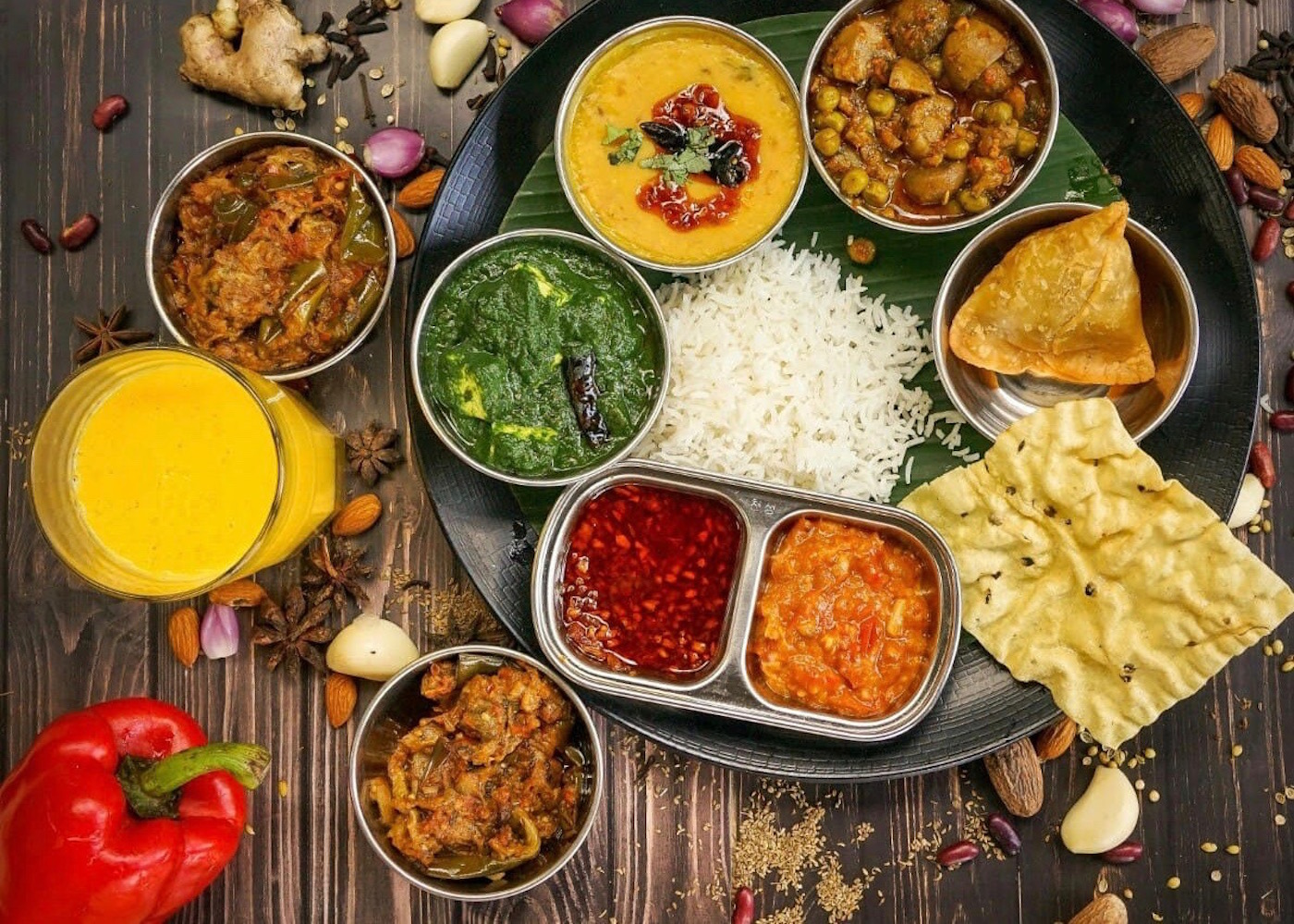

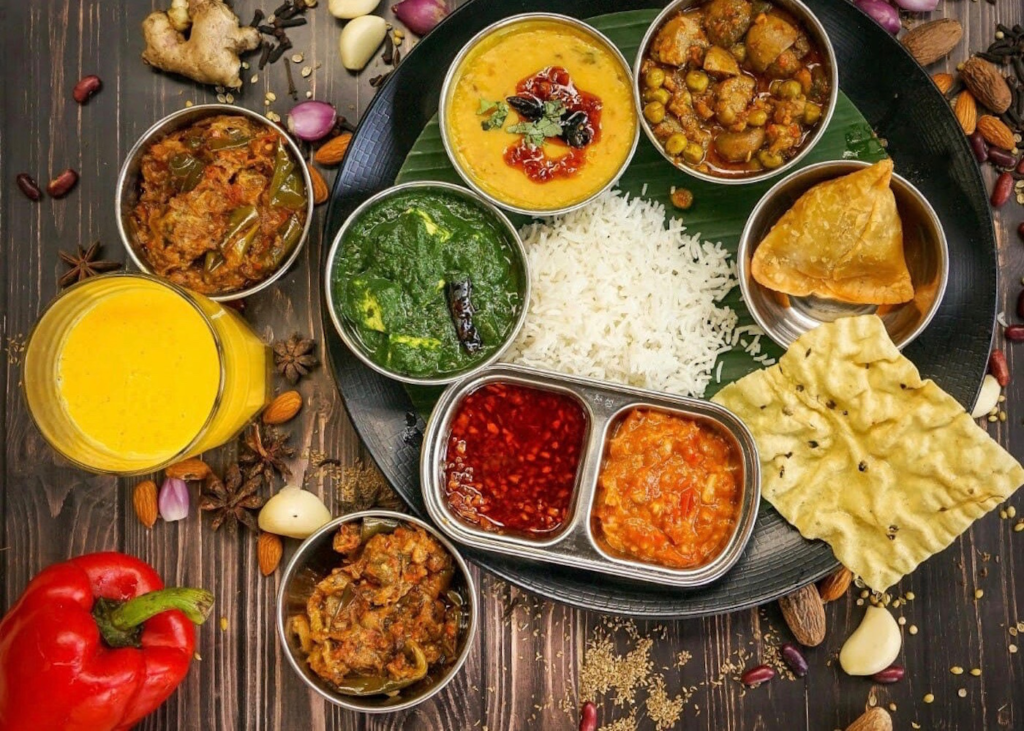
Worried about vegetarian and Jain friendly food in Indonesia? This complete guide covers what to eat, how to order, and where to find genuinely safe, delicious options across Bali and beyond.
Finding good vegetarian and Jain friendly food in Indonesia isn’t hard – it’s just different. Once you know where to look, this becomes one of the easiest countries in Southeast Asia to eat well in.
Suggested URL: yoursite.com/vegetarian-jain-friendly-food-indonesia
Why This Guide Matters for Indian Travelers
Vegetarian and Jain friendly food in Indonesia is genuinely more accessible than most first-time visitors expect. But it does require a bit of preparation, particularly outside Bali’s well-trodden tourist areas. Indonesian cuisine leans heavily on meat, fish, and shrimp-based condiments in ways that aren’t always obvious from a menu, which means vegetarian travelers, and especially Jain travelers with stricter root-vegetable and onion-garlic restrictions, need to know exactly what to ask for.
The good news: Bali in particular has built a genuinely excellent plant-based food scene over the last decade, largely driven by its wellness-tourism boom, making it one of the easier islands in Southeast Asia for vegetarian and Jain travelers to eat comfortably and confidently.
Understanding Indonesian Food for Vegetarians
Indonesian cooking uses tempeh and tofu extensively, both of which form the backbone of a genuinely satisfying vegetarian diet here. Tempeh, a fermented soybean cake, is native to Indonesia and appears fried, in curries, and in stir-fries across the country- it’s protein-rich, widely available, and often better prepared here than almost anywhere else in the world.
The main things vegetarian travellers need to watch for are shrimp paste (terasi) and fish sauce, both of which are used as flavour bases in many dishes that otherwise look entirely plant-based, including some sambals and vegetable stir-fries. Always ask specifically about these two ingredients, since they’re rarely mentioned on menus by default.
What Jain Travelers Specifically Need to Know
Jain travelers face an additional layer of care, since standard Jain dietary restrictions exclude onion, garlic, and root vegetables entirely -and Indonesian cooking uses garlic and shallots in nearly every savoury dish as a flavour base.
Practical approach for Jain travelers:
- Request dishes be prepared without garlic, onion, or shallots specifically -most restaurants catering to international tourists in Bali are used to dietary requests and can accommodate this with advance notice
- Stick to simply grilled or steamed tofu and tempeh dishes, which can usually be made without the standard aromatics
- Fresh fruit, plain rice, and simply prepared vegetables are safe defaults when in doubt
- Carrying a translated card explaining Jain dietary restrictions in Bahasa Indonesia can be genuinely useful outside major tourist areas, where English may be limited
Restaurants in Ubud and Seminyak, given their heavy exposure to international wellness tourism, are generally the most accommodating of specific dietary requests anywhere in Indonesia.
(→ [INSERT AFFILIATE LINK — GetYourGuide / Viator / Klook — Vegetarian & Jain Friendly Food Tours in Bali])
Dishes That Are Naturally Vegetarian
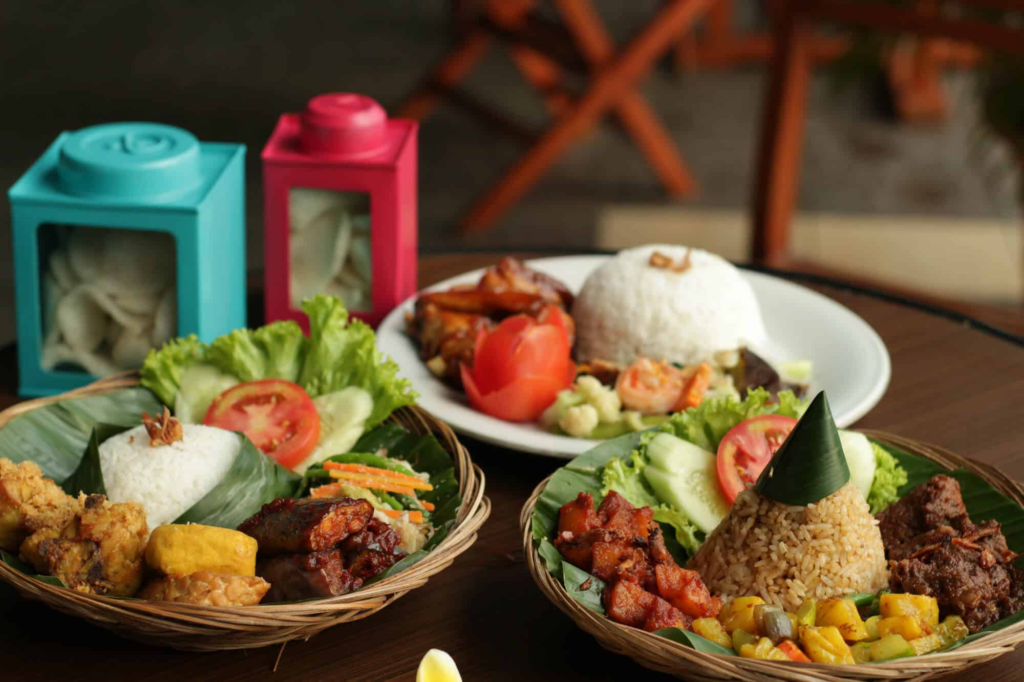
Gado-Gado — A vegetable salad with tofu, tempeh, and peanut sauce dressing. Confirm no shrimp paste is used in the sauce, and request no fried shallots on top for Jain travelers.
Tempeh Goreng — Simply fried tempeh, usually naturally vegetarian and often Jain-adaptable on request.
Nasi Goreng (vegetarian version) — Many restaurants in tourist areas offer a vegetarian fried rice, though always confirm fish sauce or shrimp paste isn’t used in the base.
Sayur Lodeh — A vegetable curry cooked in coconut milk, generally vegetarian-friendly, though check for shrimp paste in the spice base.
Karedok — A raw vegetable salad with peanut dressing, similar to Gado-Gado but uncooked, and often naturally simple enough to adapt for Jain requirements.
Es Buah / Fresh Fruit Plates — Widely available everywhere, a safe and refreshing default when other options feel uncertain.
Where to Find the Best Vegetarian & Jain Friendly Food in Indonesia
Ubud is, without question, the single best place in Indonesia for vegetarian and Jain friendly food. The town’s wellness-retreat culture has produced dozens of dedicated vegetarian and vegan cafés, many with clearly marked Jain-adaptable options and staff well-versed in dietary customisation.

Seminyak and Canggu follow closely behind, with a strong health-food café scene serving smoothie bowls, plant-based menus, and Western-style vegetarian dishes alongside Indonesian options.
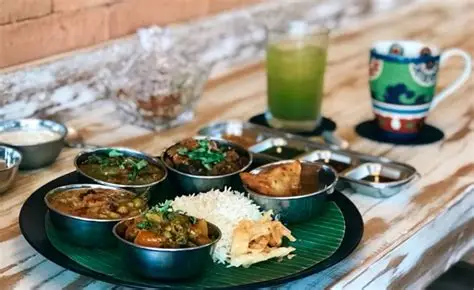
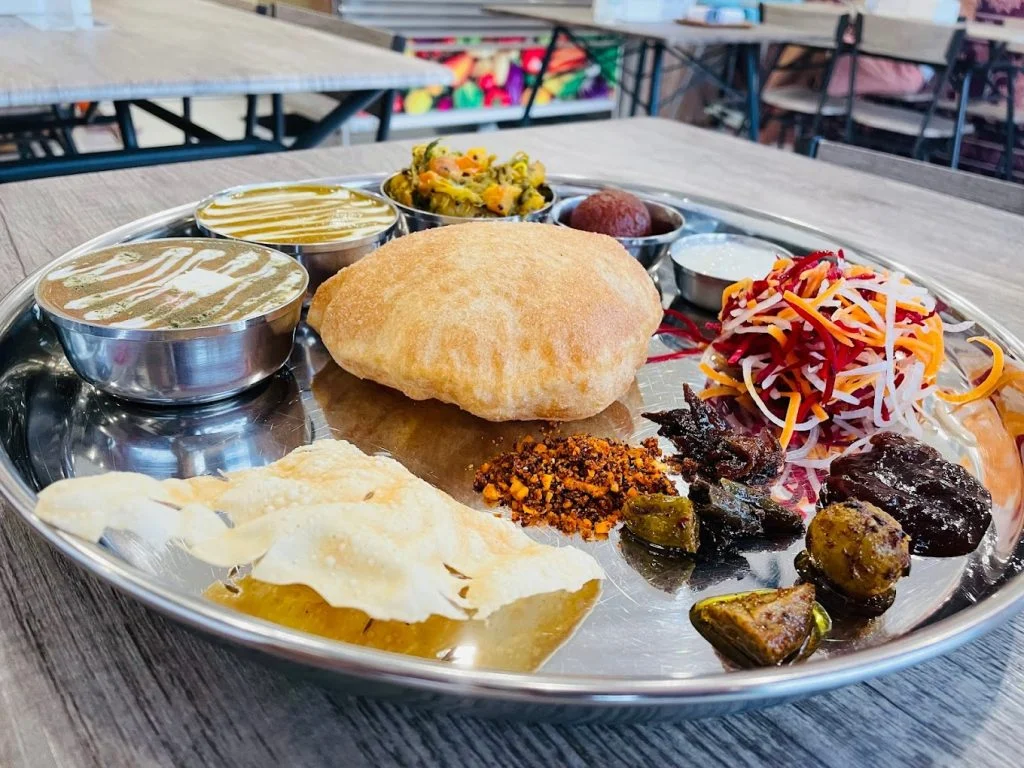
Beyond Bali, particularly in Jakarta and Yogyakarta, options narrow considerably. Indian restaurants exist in most major Indonesian cities and are often the most reliable fallback for guaranteed vegetarian and Jain-friendly meals when local options feel uncertain.
(→ [INSERT AFFILIATE LINK — Restaurant Reservations in Ubud, Seminyak & Canggu])
Where to Find the Best Vegetarian & Jain Friendly Food in Indonesia Worth Knowing
For Jain travelers who want a guaranteed, worry-free meal rather than negotiating dietary requests at a general restaurant, a handful of dedicated pure-vegetarian and Jain-friendly Indian restaurants have opened across Bali in recent years, largely to serve the growing number of Indian visitors:
AYODHYA Indian Pure Veg & Jain Restaurant — With locations in both Kuta and Ubud, this is one of the most consistently recommended pure-vegetarian, Jain-specific restaurants on the island, with staff well-versed in Jain dietary requirements without needing extensive explanation.
Sukh Saga Veg Rasoi — Located in Seminyak, a highly-rated pure vegetarian Indian restaurant known for its authentic North Indian dishes and willingness to customise orders on request.
Ganesha Ek Sanskriti — With outlets in Ubud, Kuta and Nusa Dua, this restaurant chain is frequently mentioned by Jain travelers specifically for staff who clearly understand what “Jain” dietary requirements mean, without the usual back-and-forth explanation needed elsewhere.
Sitara / The Shala Bali Mumbai Station — Located in Ubud, this pure vegetarian Indian restaurant offers Jain food on request and is particularly popular for its Indian snacks and masala chai, set against paddy field views.
Beyond these dedicated restaurants, most Indian restaurants across Kuta, Seminyak and Ubud are generally familiar with Jain requirements, even if not explicitly advertised — always confirm directly rather than assuming.
A useful backup for longer stays: many Bali villas come with kitchens, and supermarkets such as Bintang, Pepito, and Coco Mart stock paneer, ghee, dal and Indian spices — a reliable fallback for Jain travelers on extended trips who want full control over their meals.
(→ [INSERT AFFILIATE LINK — GetYourGuide / Viator / Klook — Jain & Vegetarian Food Tours in Bali])
Key Phrases to Know Before You Order
- “Tanpa daging” — Without meat
- “Tanpa bawang putih dan bawang merah” — Without garlic and onion (essential for Jain travelers)
- “Saya vegetarian” — I am vegetarian
- “Ada terasi?” — Does this contain shrimp paste?
- “Tidak pedas” — Not spicy (useful if you want to control heat separately)
Most restaurant staff in tourist areas will understand basic English requests for “vegetarian” or “no meat,” but using a few of these phrases, even imperfectly, tends to get better, more careful results.
Ingredients & Hidden Non-Veg Traps to Watch For
- Terasi (shrimp paste) — used in many sambals and vegetable dishes as a flavour base
- Kecap ikan (fish sauce) — occasionally used in stir-fries that otherwise look vegetarian
- Chicken or beef stock — sometimes used as a cooking base for rice or noodle dishes, even when the visible ingredients are vegetables
- Fried shallots as garnish — extremely common, and not always mentioned when a dish is described as vegetarian, a particular concern for Jain travelers
When in doubt, ask directly rather than assuming based on the visible ingredients alone — this single habit prevents almost every accidental non-vegetarian order in Indonesia.
Frequently Asked Questions
Q: Is it genuinely easy to find vegetarian and Jain friendly food in Indonesia during a short trip? It’s genuinely manageable, particularly in Bali’s Ubud, Seminyak, and Canggu areas, which have a strong plant-based café culture. Outside these areas, it requires more preparation and clear communication with restaurant staff.
Q: What is the best area in Bali for vegetarian and Jain friendly food? Ubud is consistently considered the best, given its concentration of dedicated vegetarian and vegan restaurants built around Bali’s wellness tourism scene.
Q: Can Jain travelers eat tempeh and tofu in Indonesia? Yes, both are widely available and can usually be prepared without garlic, onion, or shallots when requested in advance, particularly at restaurants used to international tourists.
Q: What Indonesian ingredient should vegetarians watch out for most? Shrimp paste (terasi) is the most common hidden non-vegetarian ingredient, appearing in many sambals and vegetable dishes that otherwise look entirely plant-based.
Q: Are Indian restaurants available in Indonesia as a backup option? Yes, Indian restaurants are present in most major Indonesian cities and tourist areas, and are often the most reliable fallback for guaranteed vegetarian and Jain-friendly meals.
Final Word
Vegetarian and Jain friendly food in Indonesia takes a little more effort than in India, but it’s far from difficult once you know what to ask for and where to look. Stick to Ubud and Bali’s wellness-café belt for the easiest experience, learn a handful of key phrases, and always ask directly about shrimp paste, fish sauce, and garlic when in doubt.
For more on planning the rest of your trip, read our companion guides on Indonesian Food Guide for Indians and Beyond Bali – Discovering the Many Faces of Indonesia.
Suggested Tags: vegetarian food Indonesia, Jain friendly food Bali, vegetarian Bali restaurants, Indian food Indonesia, tempeh vegetarian, Jain travelers Indonesia, plant based food Bali
Suggested Categories: Indonesia, Food & Dining, Travel Planning, Indian Travelers