 By Tarang Bansal
Thailand is so close, so cheap, and so well connected from India that we’ve stopped taking it seriously. Americans fly twenty hours just to experience what we can reach in three. And yet most of us are still doing the same five places on repeat.
This guide isn’t going to spend more words on those five. Bangkok, Koh Samui, Pattaya, Krabi and Phuket already have a thousand guides written about them, you don’t need another one from us. What you won’t find as easily is everything around them: the sunflower fields ninety minutes from Bangkok, the cave temple near Hua Hin that barely any Indian traveller knows exists, the river that flows under your bed, the diving mecca that’s half the price of its famous neighbour.
How We’re Dividing Thailand
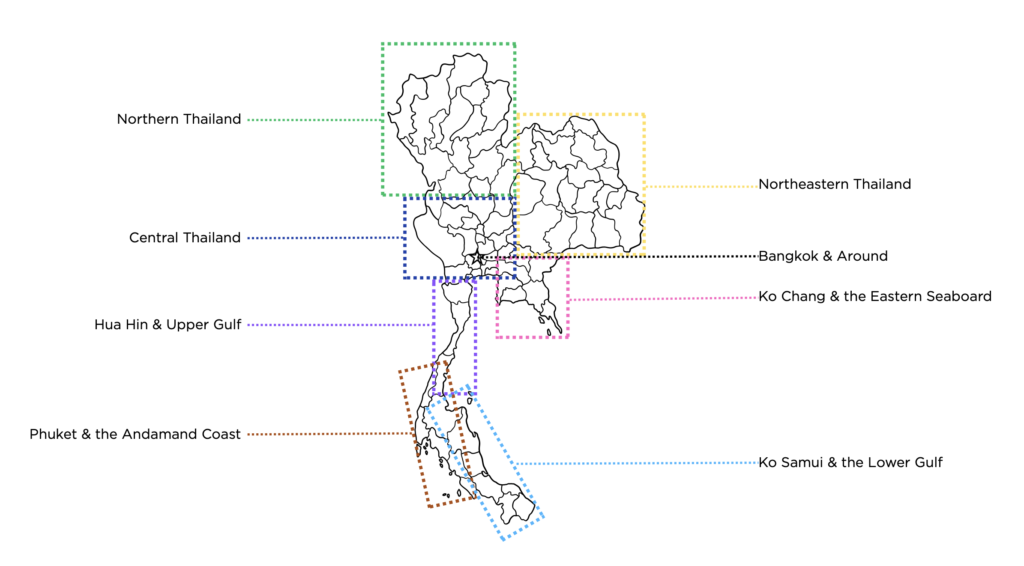
We’ve split the country into 8 regions. Here’s what each one is, how to get there, and what makes it different from the rest.
1. Bangkok & Around
The capital and the country’s transport hub, everything else in this list is reachable from here by road, rail or a short domestic flight. Dense city life, street food, temples, markets, and the base most trips start and end from.
How to reach: Suvarnabhumi (BKK) or Don Mueang (DMK) Thailand’s main international gateways, connected directly from most major Indian cities.
2. Central Thailand
History and old capitals. This is Thailand before Bangkok- ancient ruins, former seats of power (Ayutthaya, Sukhothai-adjacent influence), river towns, and mountains toward the Myanmar border. The region people visit for culture and history rather than beaches.
How to reach: Road from Bangkok- most of the region is under 2-3 hours by car, no separate airport needed.
3. Hua Hin & the Upper Gulf
Thailand’s original resort coastline- sandy beaches, national parks with limestone caves, and a mix of historic temple sites. Closer and calmer than the Andaman (Phuket) or Gulf islands (Ko Samui), popular for short getaways from Bangkok.
How to reach: Road from Bangkok (2-3.5 hours depending on the town); Hua Hin has its own small domestic airport (HHQ) with a single connection to Chiang Mai.
4. Phuket & the Andaman Coast
Limestone cliffs, world-class diving and snorkelling, and the country’s most developed beach and island infrastructure. This is Thailand’s marine adventure coast- the region built around the sea itself, not just beaches next to it. The most popular tourist destination in Thailand, after Bangkok.
How to reach: Phuket International Airport is the main hub; Krabi also has an international airport. Both connect well to the rest of the Andaman provinces by road or boat. Both Phuket and Krabi have direct flights from various Indian cities.
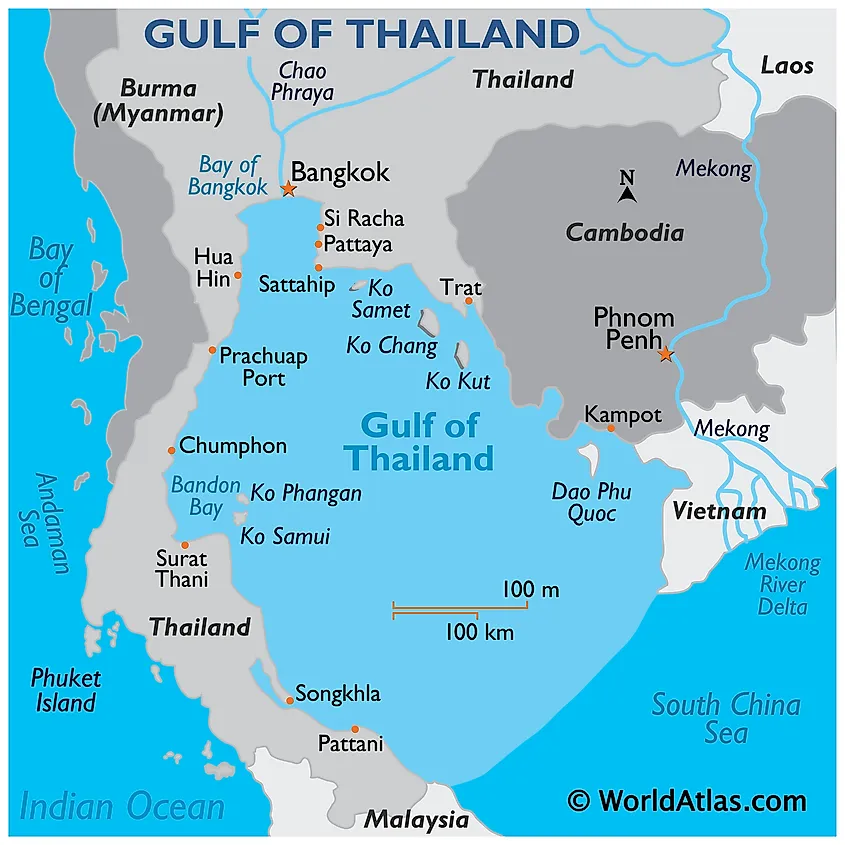
5. Ko Samui & the Lower Gulf
The Gulf side’s island cluster- beaches, diving, and nightlife, with a genuinely different character between its three main islands. The mainland side of the region is quieter and far less visited that other beach destinations in the country, Koh Phangan is famous for its full & half moon parties.
How to reach: Koh Samui has an international airport (no direct from India); Surat Thani on the mainland has a domestic airport and is the main ferry jumping-off point for the islands.
6. Northeastern Thailand (Isaan)
The least-visited, least-touristed region in the country. Ancient Khmer ruins, national parks, and a cultural identity shaped as much by Laos and Cambodia across the border as by central Thailand. Also, home to the country’s biggest national park and its most colourful festivals.
How to reach: Several domestic airports across the region (Udon Thani, Khon Kaen, Nakhon Phanom, Ubon Ratchathani, Loei)- no single hub, so it depends which part you’re headed to.
7. Ko Chang & the Eastern Seaboard
Thailand’s other island coast- closer to Bangkok and Cambodia than the Andaman or Gulf islands, ranging from the developed (Ko Chang) to the barely-visited (Ko Wai, Ko Kut, Ko Mak). Pattaya is also part of this region.
How to reach: Road from Bangkok (Pattaya is about 1.5-2 hours); islands further east are reached via ferry from Trat, which is roughly 5-6 hours by road from Bangkok. Pattaya has a small domestic airport.
8. Northern Thailand
Mountains, hill tribes, and the country’s cooler climate. This is Thailand’s trekking and road-trip region- old teak towns, cave networks, and long bike loops through the hills near the Myanmar and Laos borders.
How to reach: Chiang Mai International Airport is the main hub for the whole region; several other towns (Chiang Rai, Lampang, Nan, Phrae, Mae Hong Son) also have their own small domestic airports.
Diving Deep: The Unseen Thailand Guide
Let’s dive deep into each region to explore what each one offers-
Central Thailand: Ruins, Rivers and Sunflowers
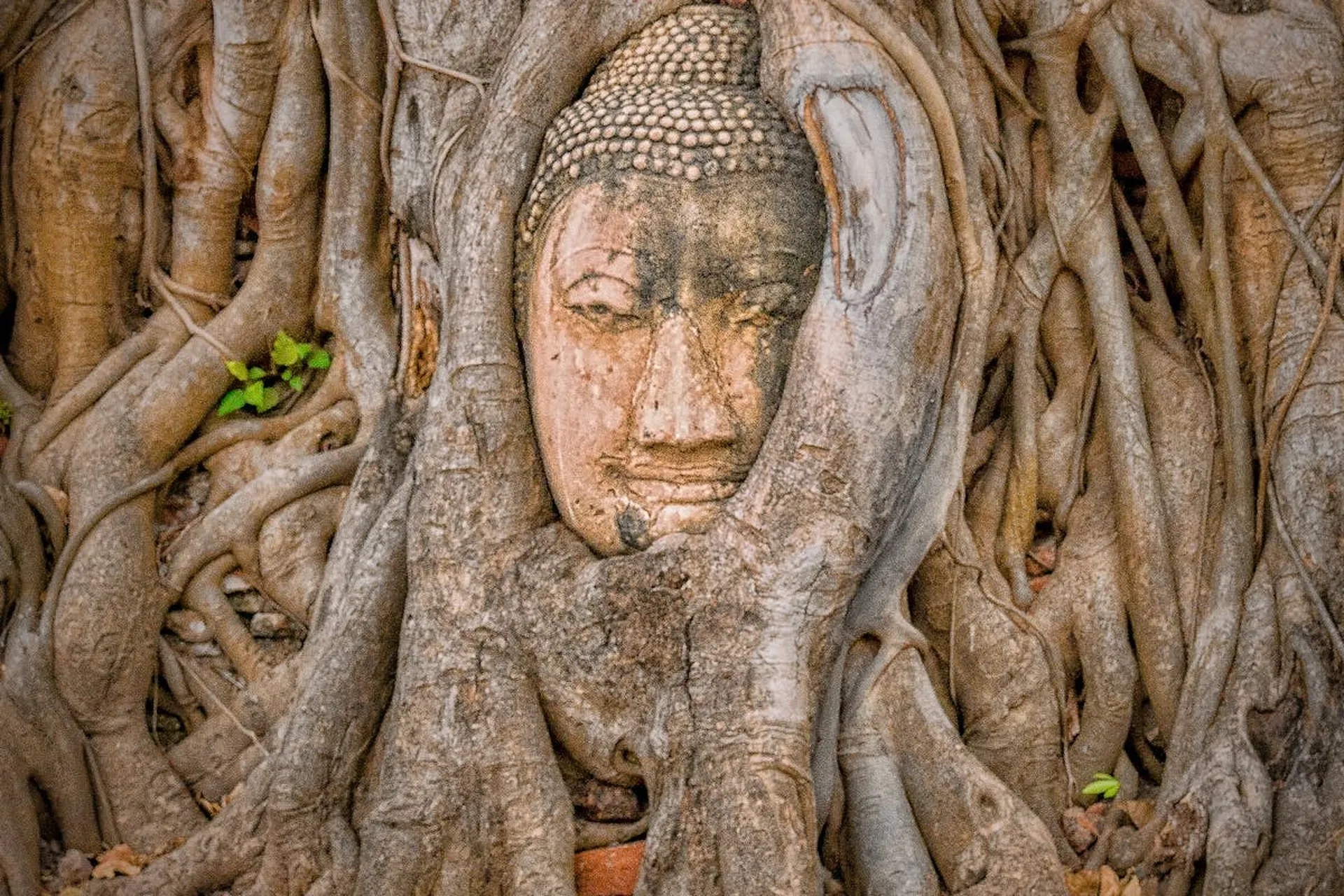
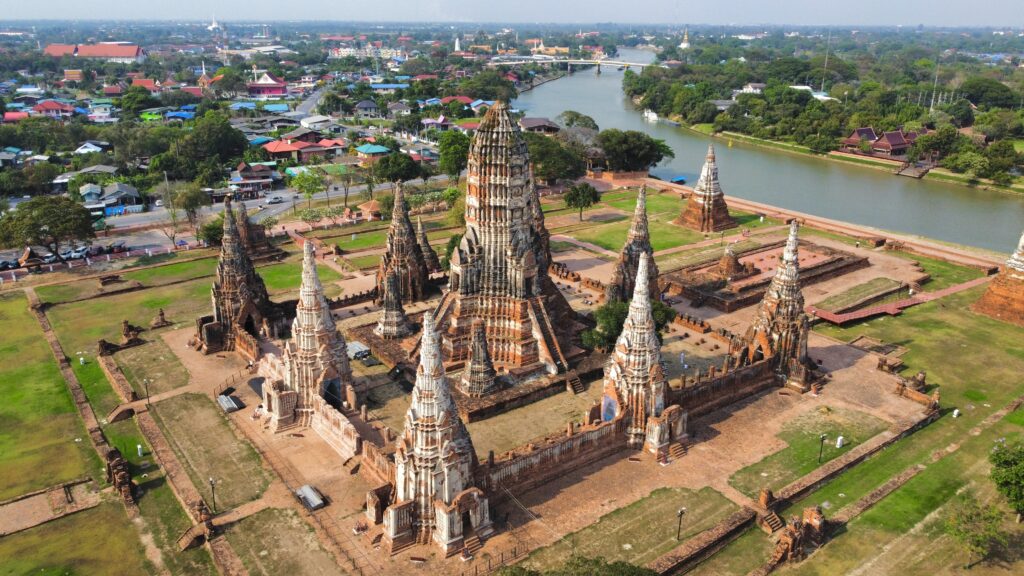
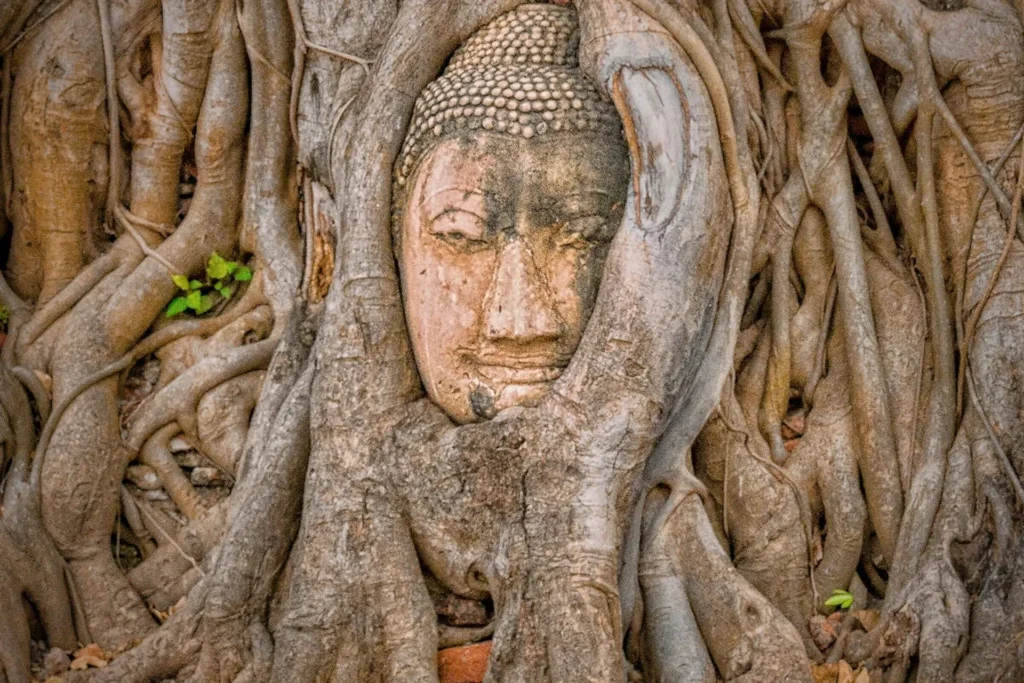
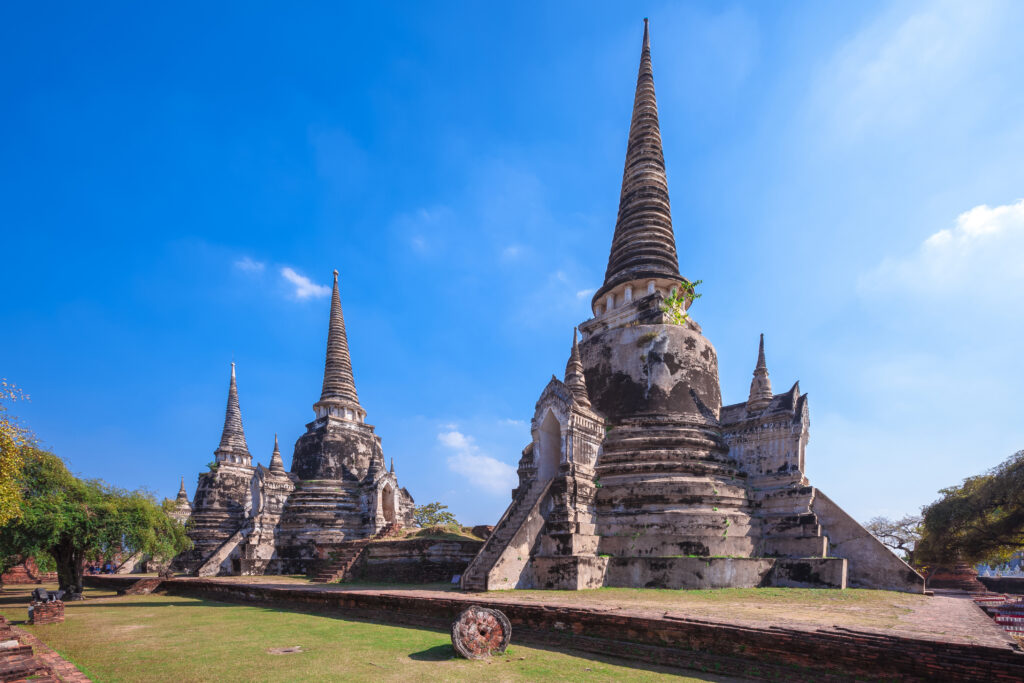
Ayutthaya, ninety minutes from Bangkok, was the former capital of Siam before the Burmese sacked it, and its ruined temple complexes are some of the most photogenic in the country- Wat Mahathat (the tree-root-wrapped Buddha head), Wat Chaiwatthanaram, Phra Si Sanphet. Most day trips from Bangkok also swing by Bang Pa-In Palace on the way back.
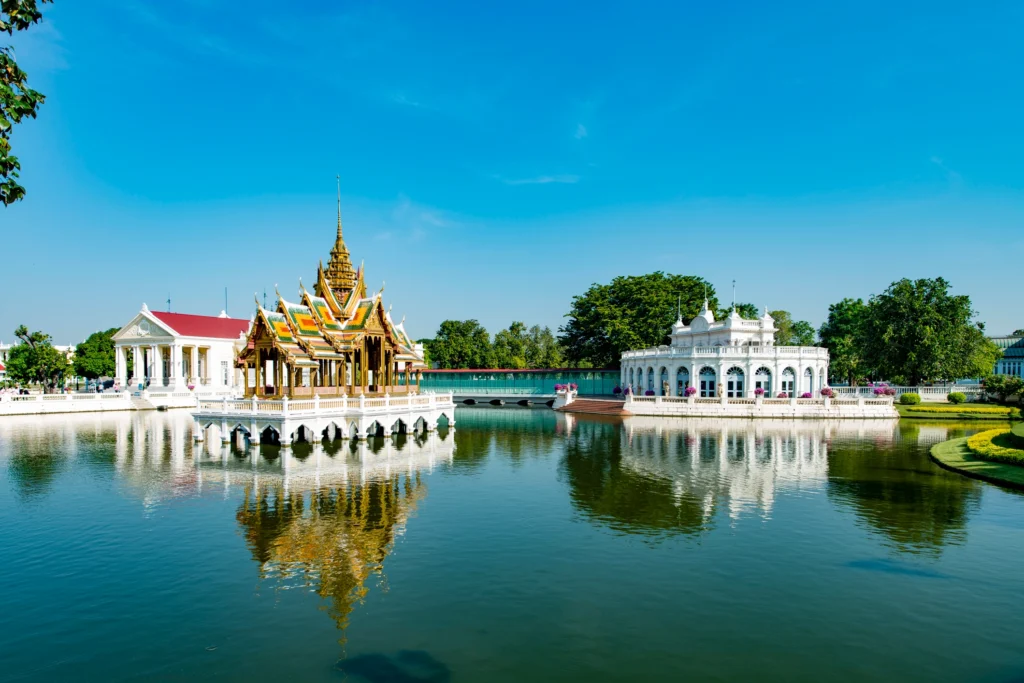
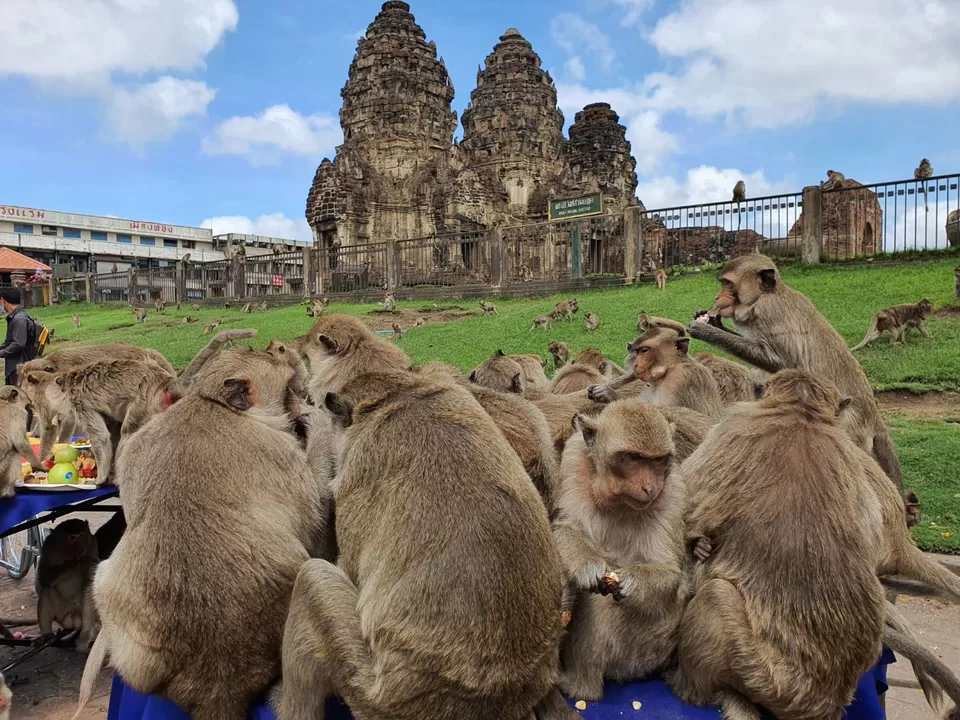
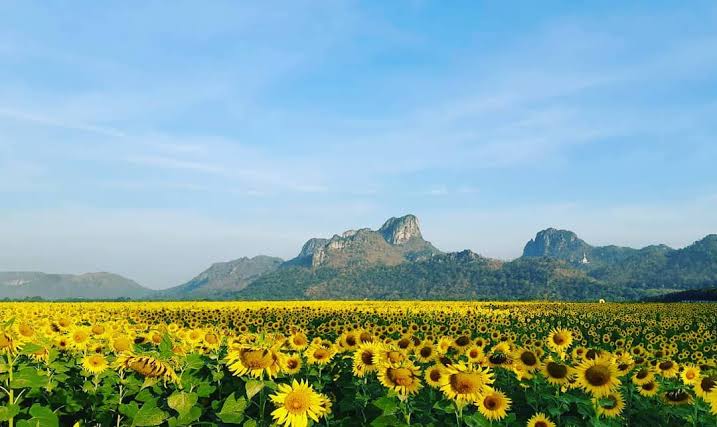
Lopburi, lesser known, an ancient city famous for the hundreds of monkeys that run its old town, with a handful of ancient structures still standing. Time it between November and January and head to Wat Khao Chin Lae, where entire fields turn into a sea of sunflowers- nobody talks about this, and it should be all over your feed.
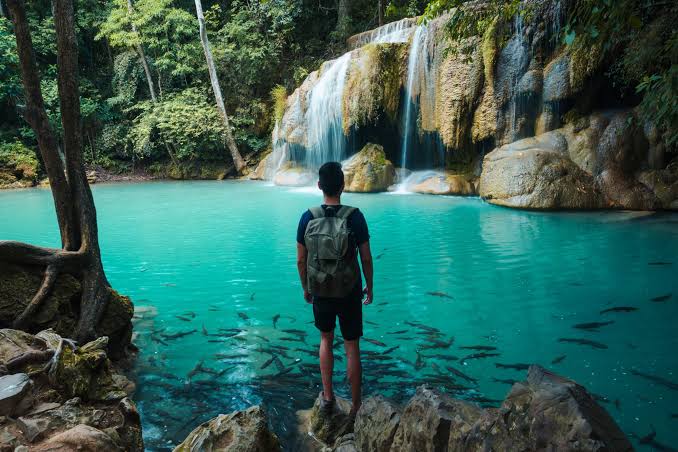
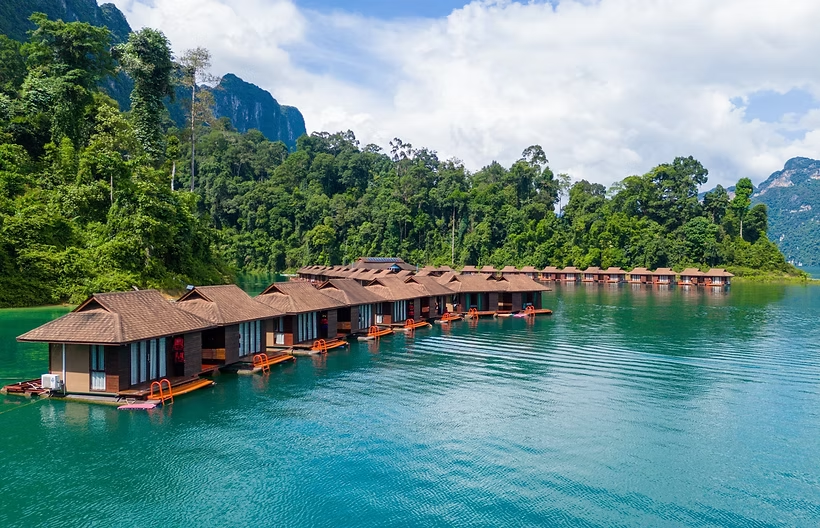
Then there’s Kanchanaburi, which most people know only for the WWII Death Railway and its night market — but the province goes much deeper. Erawan National Park has a seven-tier waterfall you can swim in at every level, each pool more turquoise than the last. For something stranger, stay the night at Nam Tok, where riverside rooms let the current run directly beneath your floor (rooms aren’t cheap, roughly ₹23,000+ a night, but it’s a genuinely different kind of sleep).
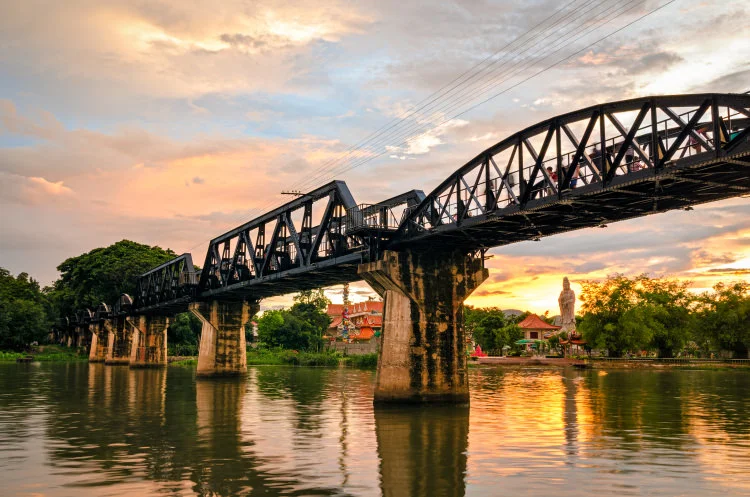
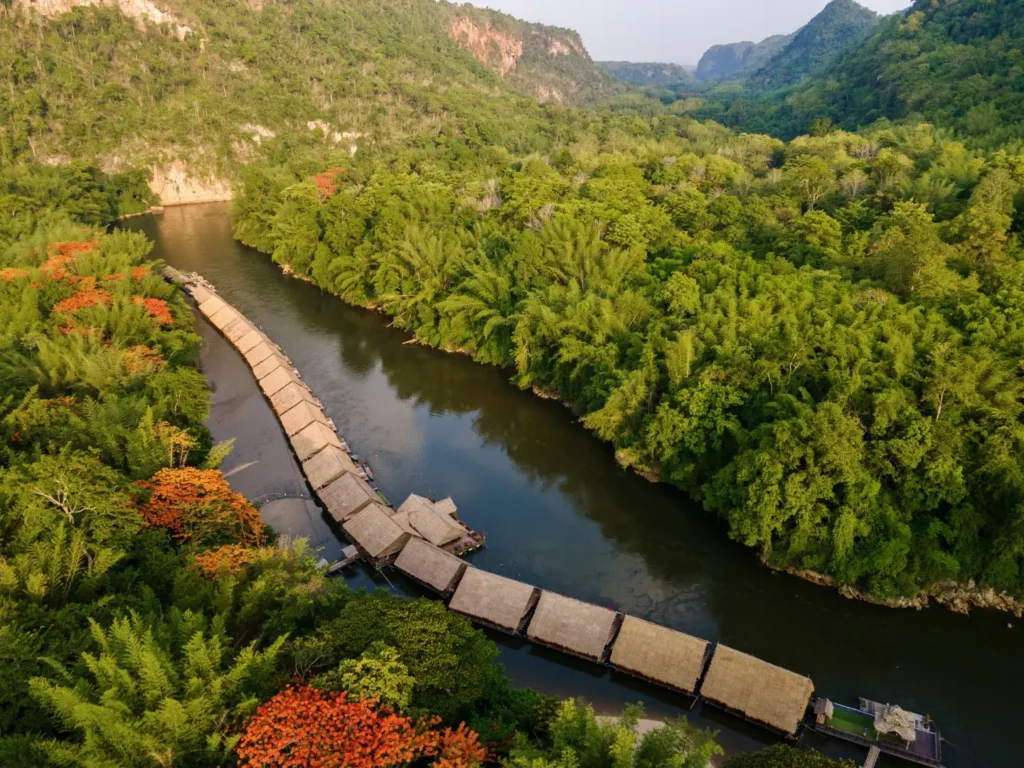
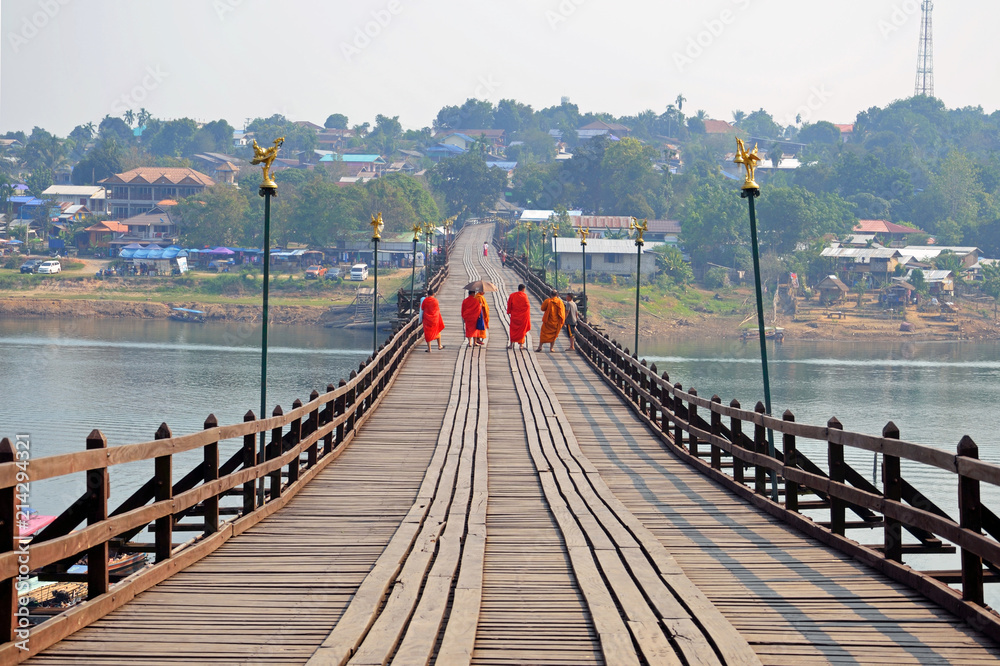
Push further to the Burmese border towns of E-Thong and Sangkhlaburi– secluded jungle settlements, and home to Thailand’s largest wooden bridge.
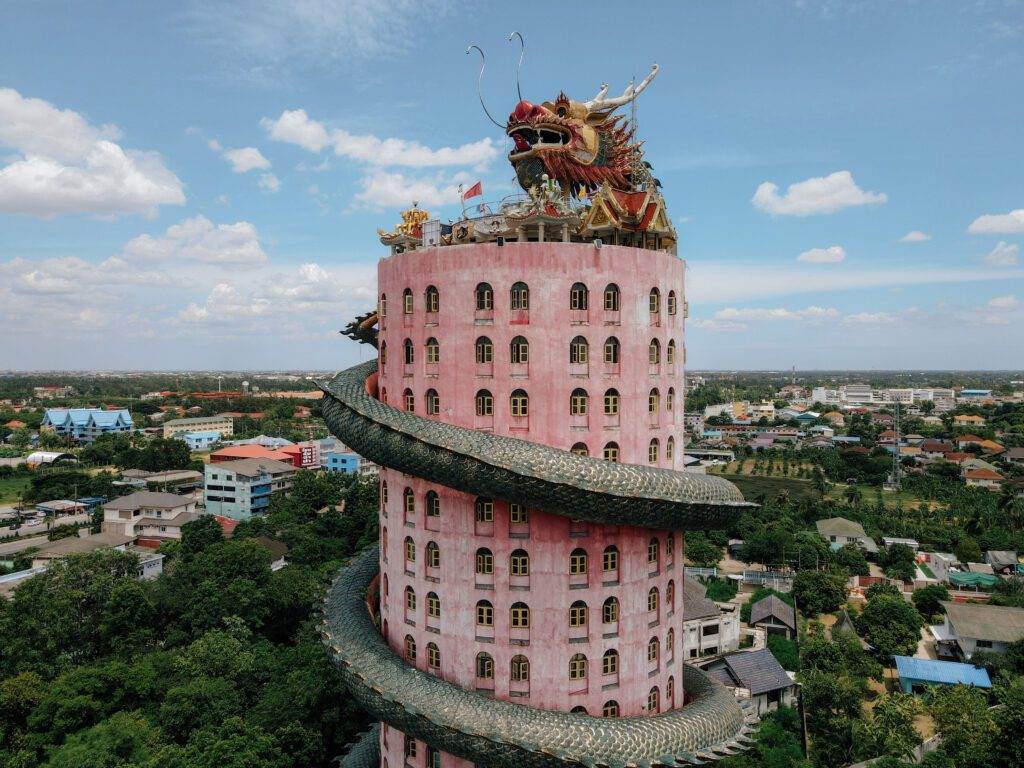
Also, a cheat listing of Wat Samphran Pink Dragon Temple under this head. The temple looks so unique that I had to add it somewhere. It is just 40 mins west of Bangkok and should have come under Bangkok and Around but I am skipping that section, hence added it here.
Hua Hin & the Upper Gulf: Beyond the Wedding Circuit
Hua Hin has seen more Indian weddings than the rest of Thailand recently, but almost nobody who goes there knows about-
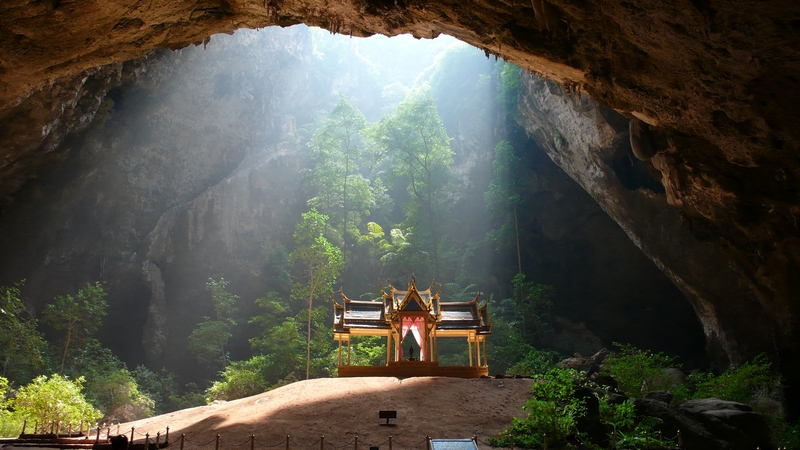
Tham Phraya Nakhon– A cave temple with a hole in its ceiling that lets a shaft of sunlight fall directly onto a golden pavilion inside. It’s one of the most photographed spots in Southeast Asia, and next to nobody from India has heard of it. It sits inside Khao Sam Roi Yot National Park, a short drive south of Hua Hin. The National Park itself is worth a visit.
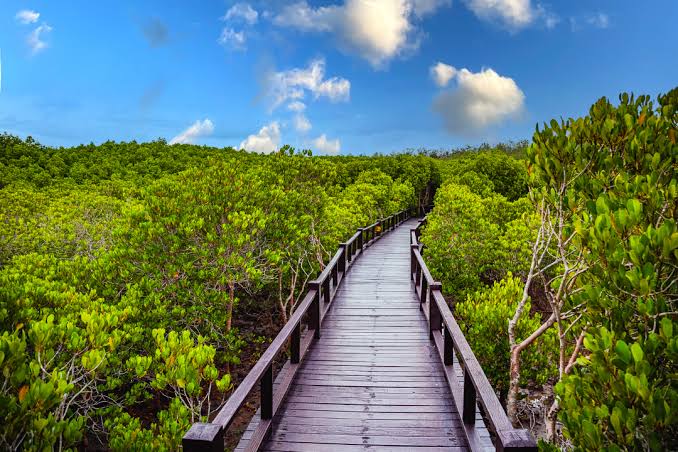
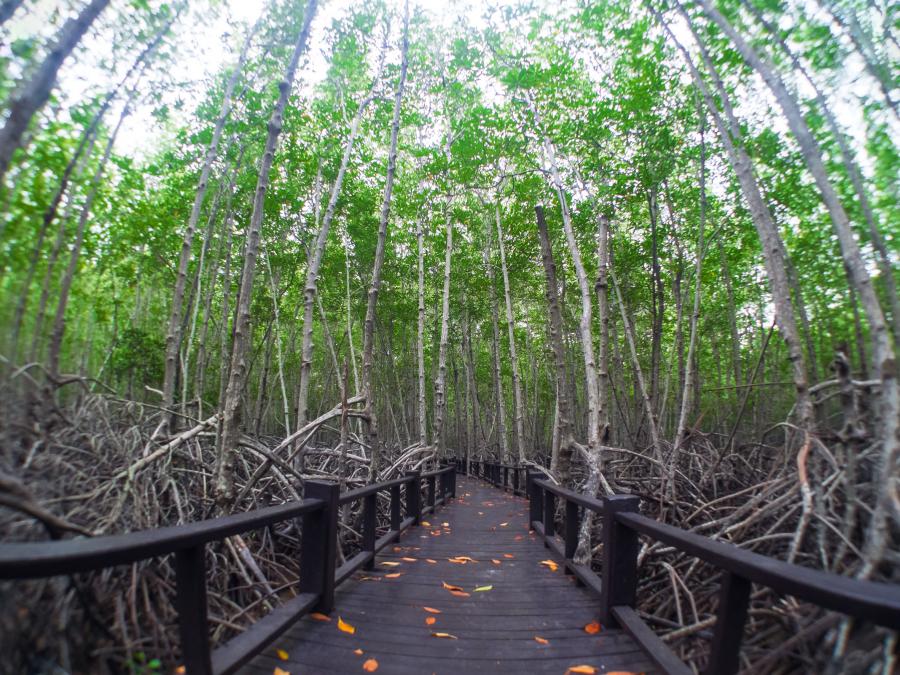
Stay in the area a day longer and add Kuiburi National Park, known for elephant and gaur spotting and the 1km boardwalk of the Pranburi Forest Walk.
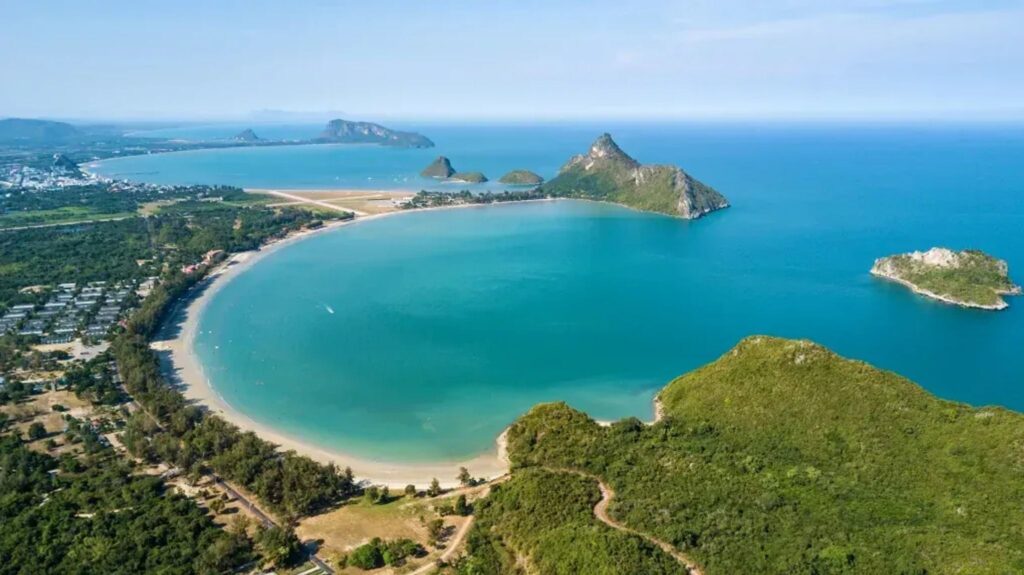
If you want beach without the Hua Hin crowds, keep heading south- Ao Manao and Ban Krut get progressively quieter.
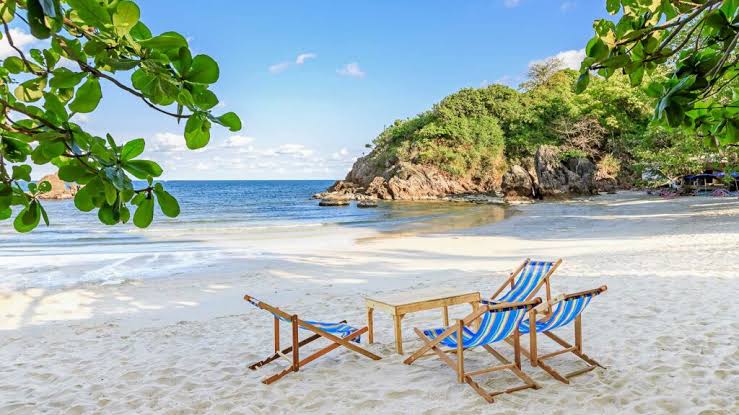
To the north, Phetchaburi has Kaeng Krachan National Park (butterflies, birds, the Pa La-U Waterfall) and a cluster of Buddhist sites- Phra Nakhon Khiri, Wat Mahathat Worawihan. TBH, let tourism develop a little more here.
Cha-am is the easy beach day-trip for anyone based in Bangkok, though the sea here is shallow and better for banana boats than swimming. Not much visited. Only go, if you want a beach without island hopping with no tourists.
The Andaman Coast (Minus Phuket and Krabi)
Everyone flies into Phuket or Krabi and stops there. The provinces around them are where the unseen adventure is.
Khao Sok National Park is built around an overnight hike ending in a bungalow that floats on a lake; spot rafflesia and wildlife in dense rainforest, with waterfalls along the trail.
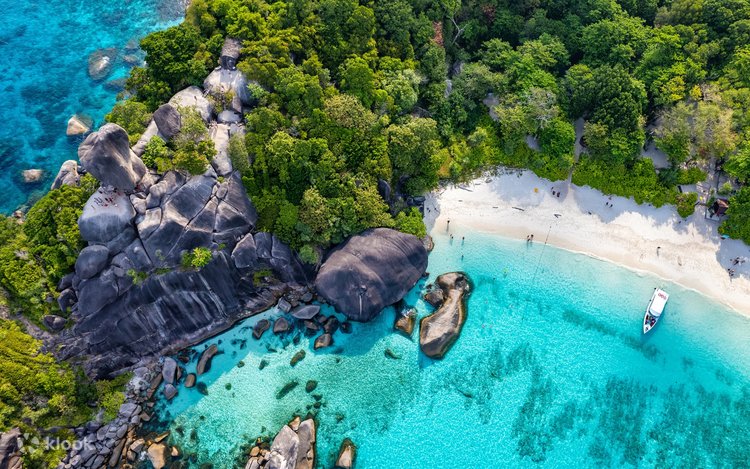
Khao Lak is the base for tours further out: to the Similan Islands, an archipelago rated among the best diving and snorkelling in the world (no public transport, you have to book a private tour), and the Surin Islands, best visited as part of an organised diving trip or a stay in the Moken sea-gypsy village.
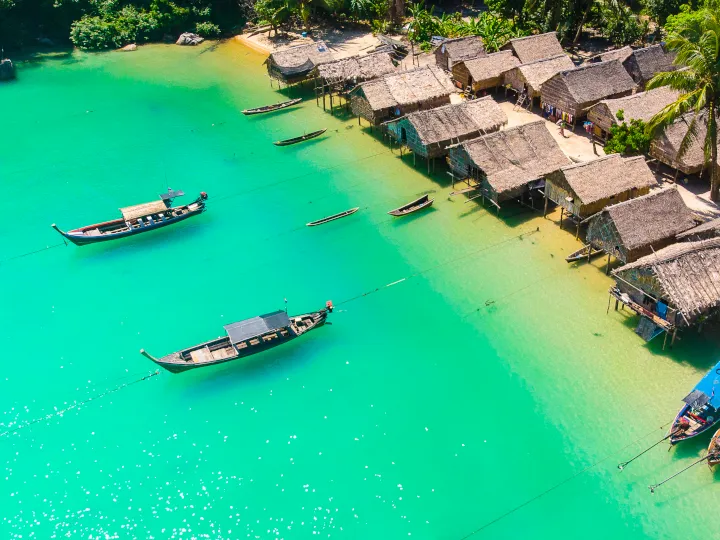
For something genuinely off the map, Ko Phra Thong and Ko Ra have a combined population of about 300 people, known for mangroves and untouched beaches. (Note: you’ll need a licensed tour operator to visit and book accommodation through them).
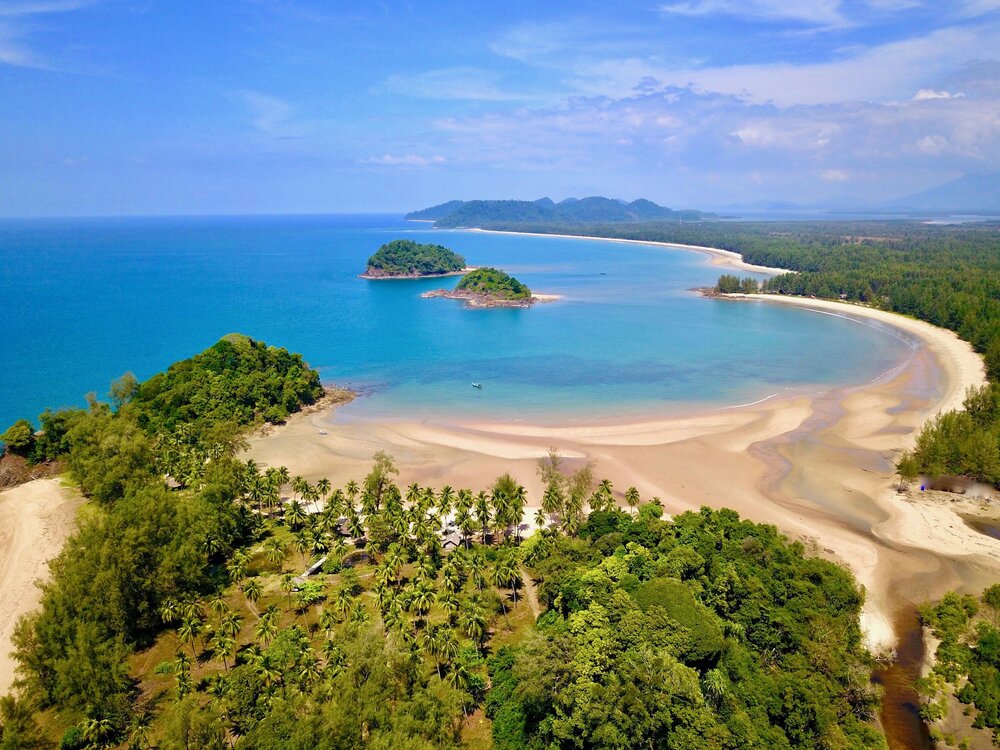
South of Phuket, Ko Yao Islands are limestone islands with lagoons, easily done as a day trip from anywhere on the coast.
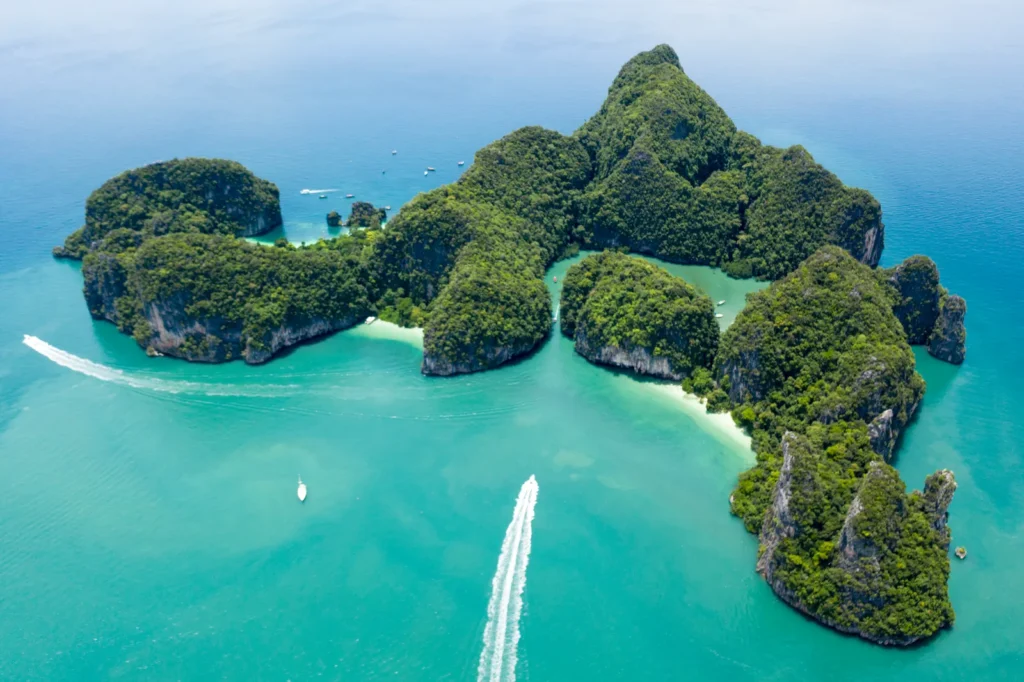
Trang runs along the Andaman with its own limestone cliffs and islands- Ko Kradan, Ko Muk, Ko Ngai, Ko Sukorn; reached via the port town of Hat Yao; tourism infrastructure here is still thin, which is exactly the appeal.
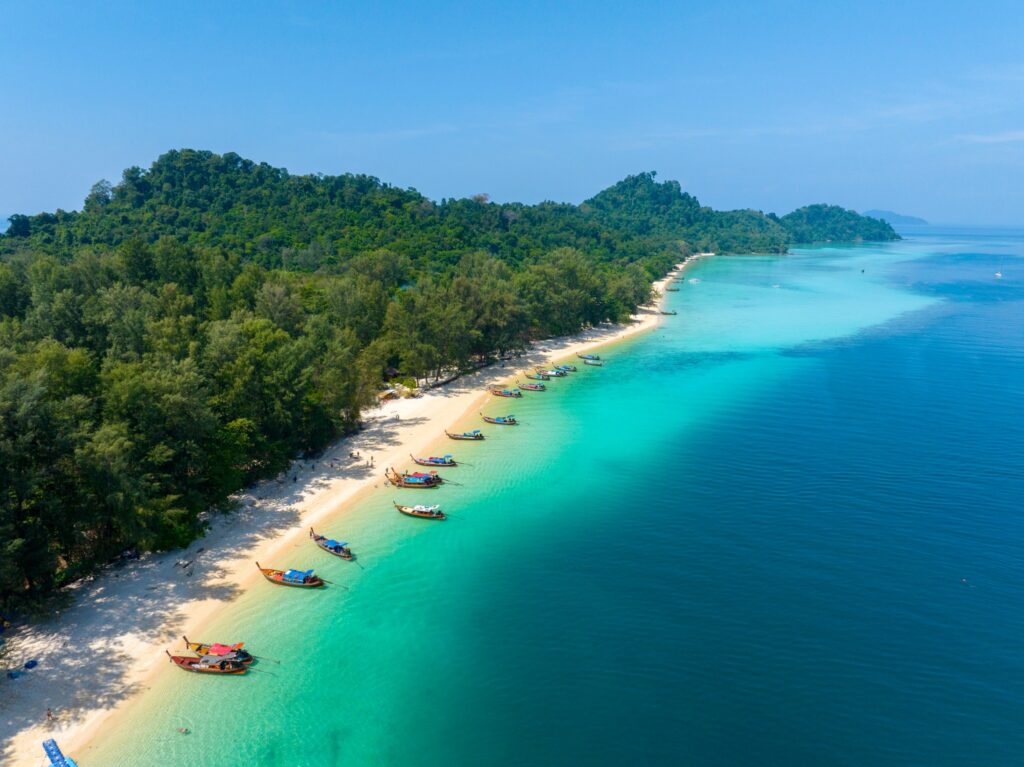
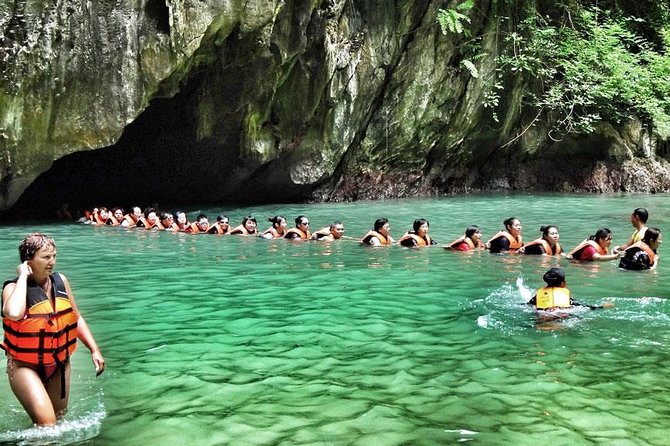
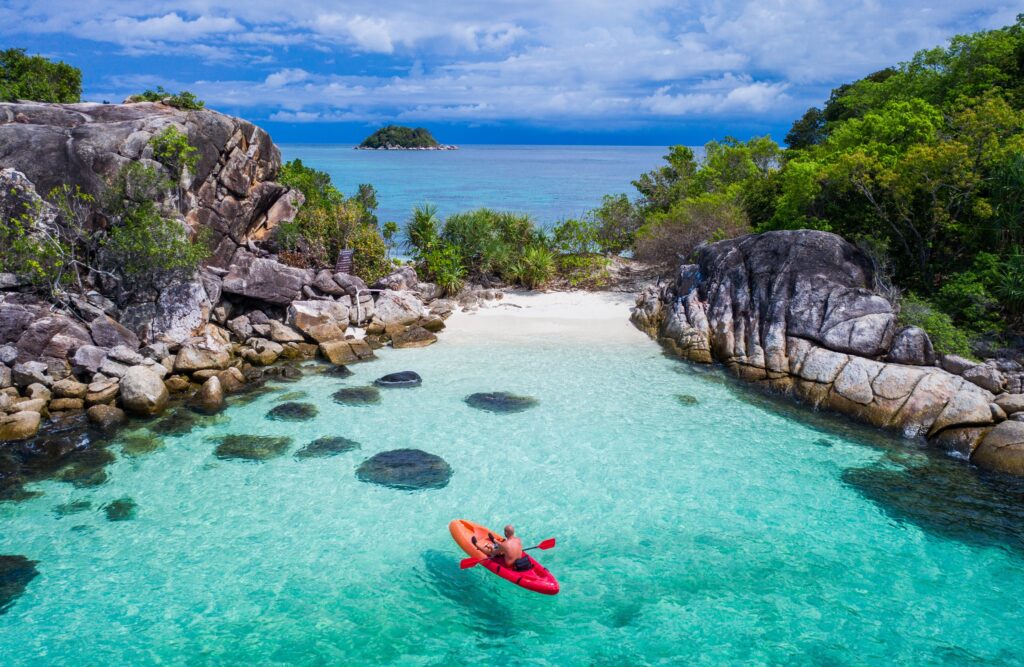
Satun, the southernmost Andaman province, has the Ko Tarutao Marine National Park and the resort island of Ko Lipe, and unlike its neighbours further south, has no insurgency issues despite being Muslim-majority.
Ranong, right on the Myanmar border, is mostly a crossing point but has the 300m-tiered Ngao Waterfall. Skipable.
The Lower Gulf (Minus Koh Samui)
Koh Samui is the famous one, but the islands around it are arguably better for different reasons.
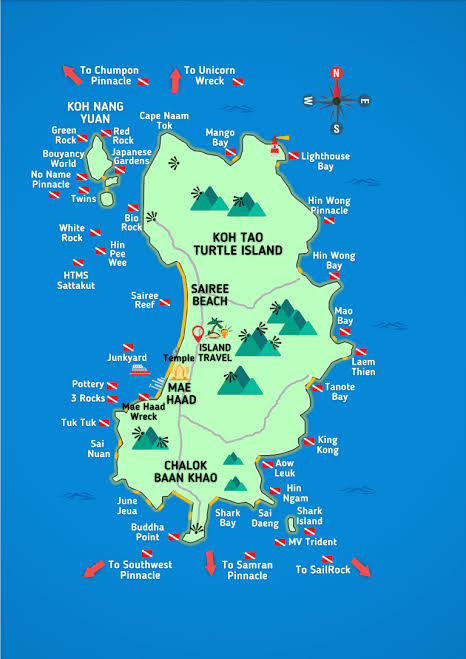
Koh Phangan isn’t just Full Moon & Half-Moon parties, there’s a popular 5km forest trek from Chalok Lam to Haad Khuat, and Sail Rock, 14km offshore, rated the best dive site in the country (in between Koh Tao and Koh Phangan)
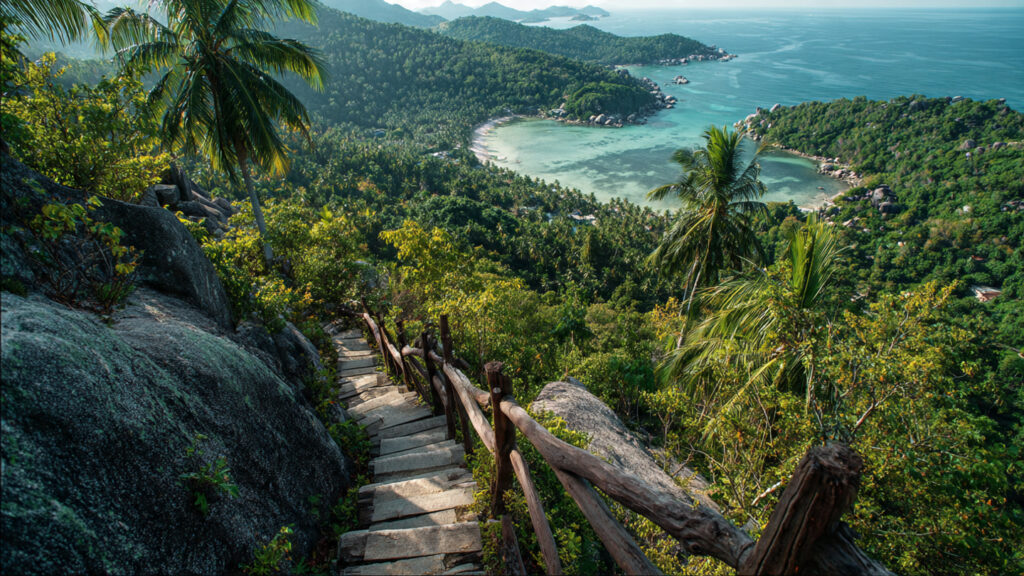
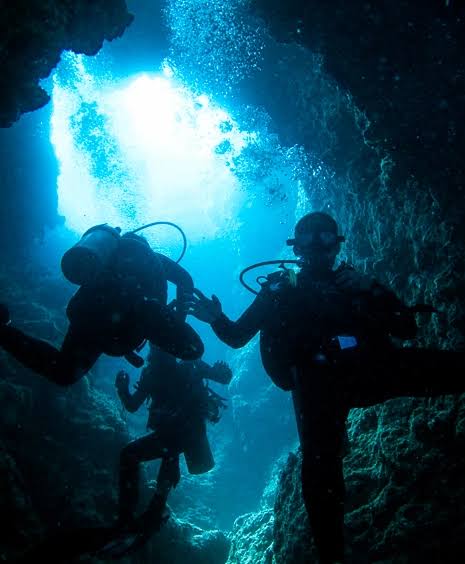
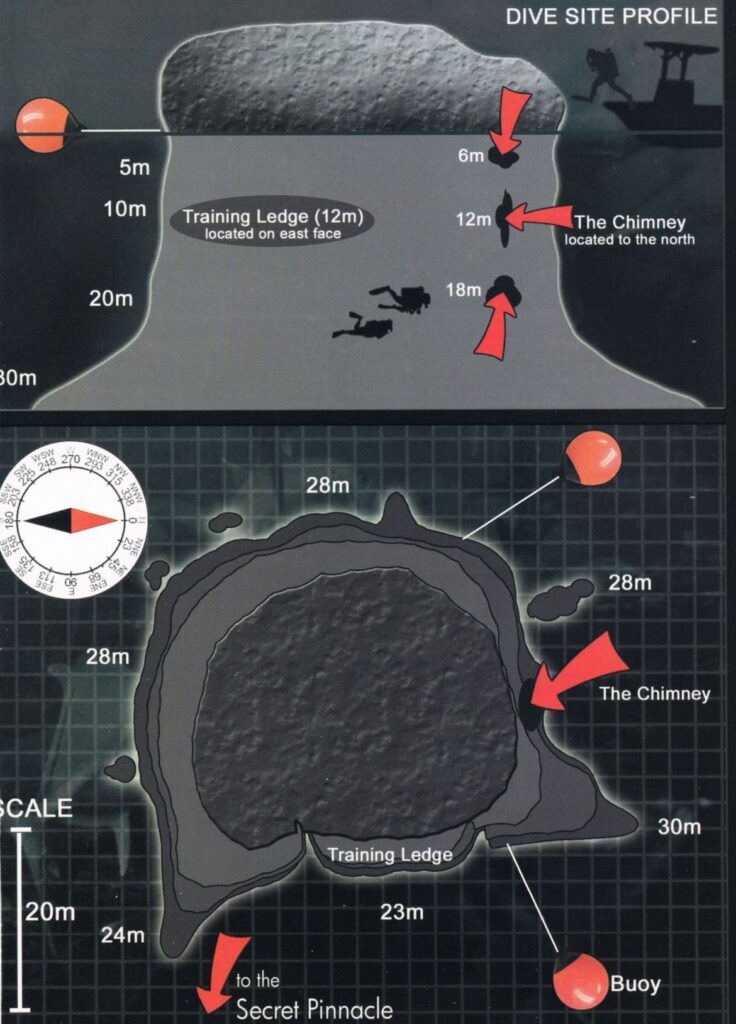
Koh Tao is the actual diving mecca of Thailand- world-class reefs, dive schools, free diving and snorkelling at a fraction of what you’d pay elsewhere, and a genuinely good place to get certified if you’ve never dived before.
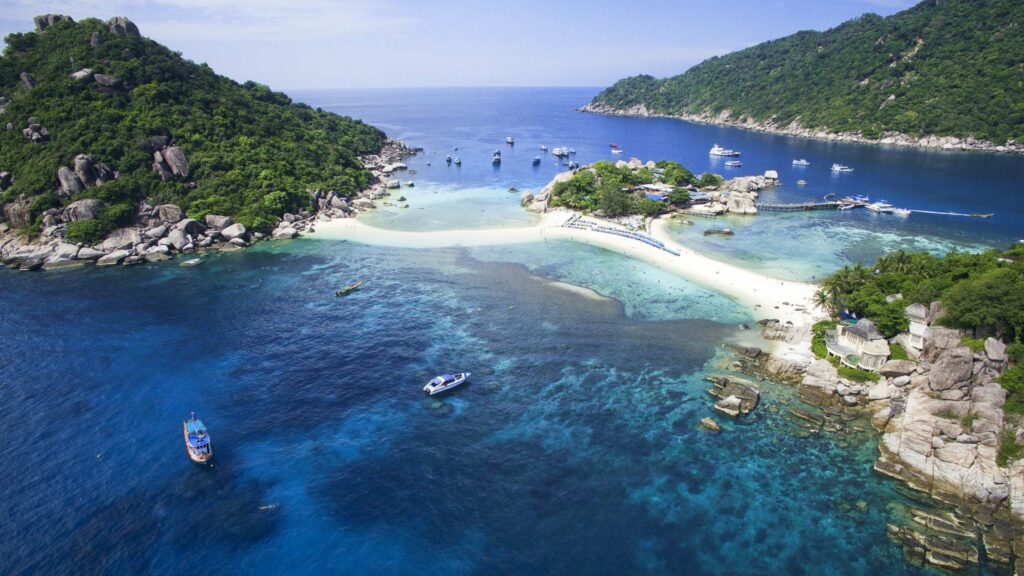
Ko Nang Yuan, just off Koh Tao, is three islets connected by a single sandbar.
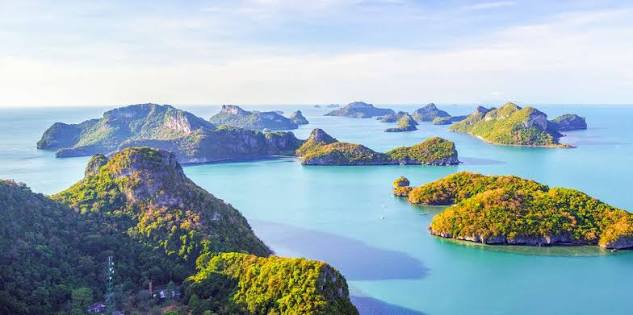
Ang Thong is a day-trip archipelago from Samui or Phangan- beautiful viewpoints and a pristine emerald lake inside one of the islands.
On the mainland, Ao Khanom has castaway-level empty beaches (Thong Yi, Nai Plao, Na Dan) & the Samet Chun Waterfalls (skippable)
Nakhon Si Thammarat holds Wat Phra Mahathat, the most important temple in South Thailand, and the Khao Luang National Park for camping among 327 recorded animal species. Let tourism develop a little more here.
Ko Chang & the Eastern Seaboard (Minus Pattaya)
Skip Pattaya, and the coast east of Bangkok turns into a string of islands most Indian travellers never touch.
Ko Samet is the backpacker escape closest to BKK- long beaches, forest trails, reached by ferry from the pier town of Ban Phe.
Ko Chang, Thailand’s second-biggest island, splits cleanly in two: a highly developed west coast and a quieter east coast with waterfalls and trails. Stay overnight in Trat town on the way in and take one of the frequent ferries across.
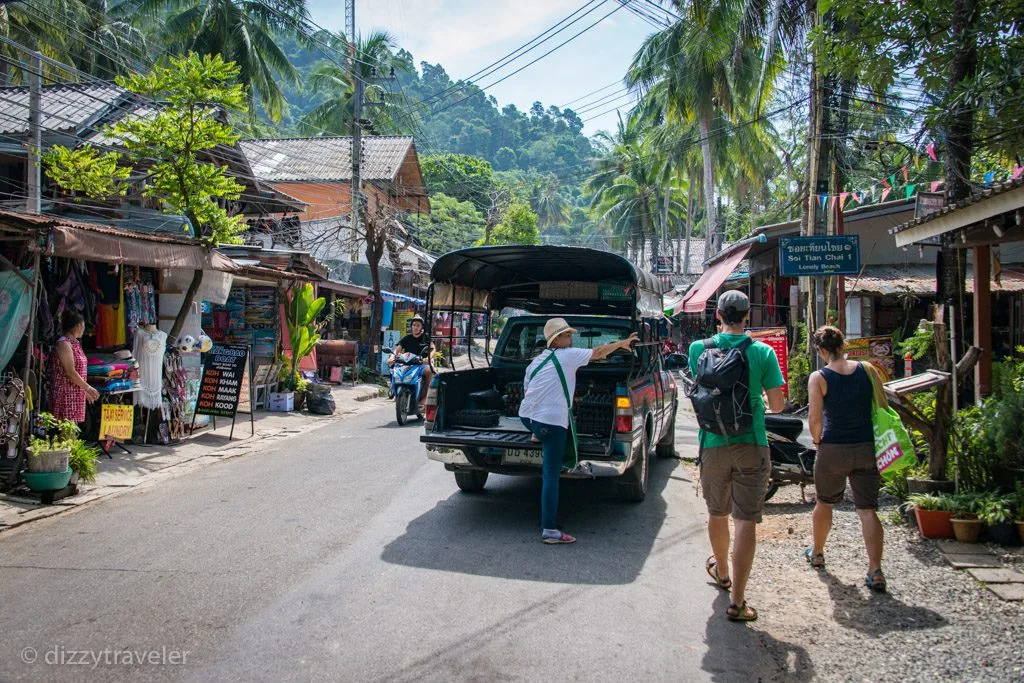
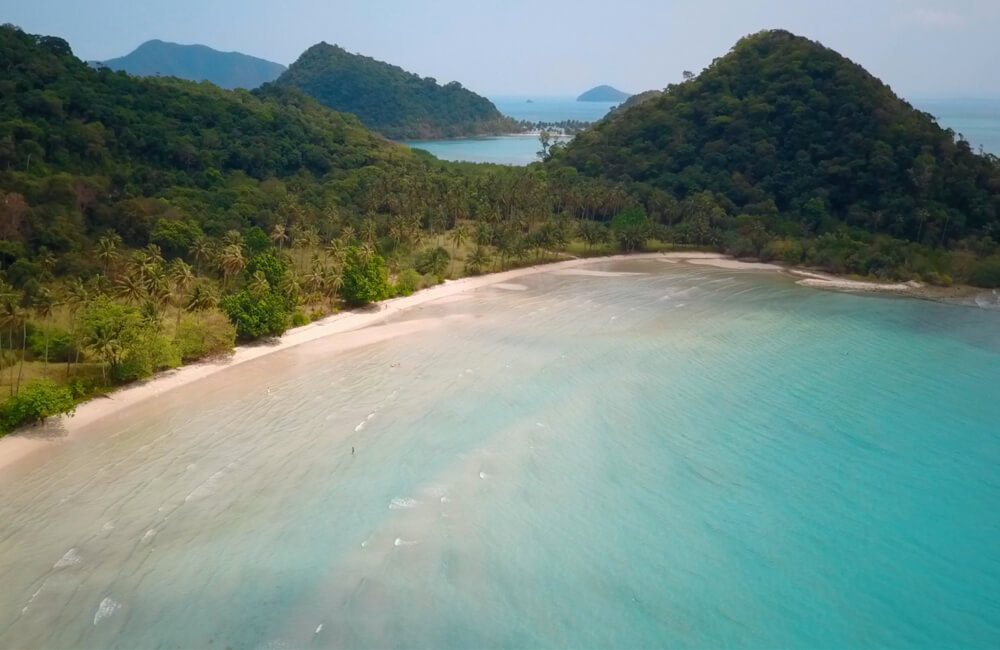
For real seclusion, Ko Wai, Ko Kut and Ko Mak see a fraction of Ko Chang’s traffic while still having proper resorts to stay at.
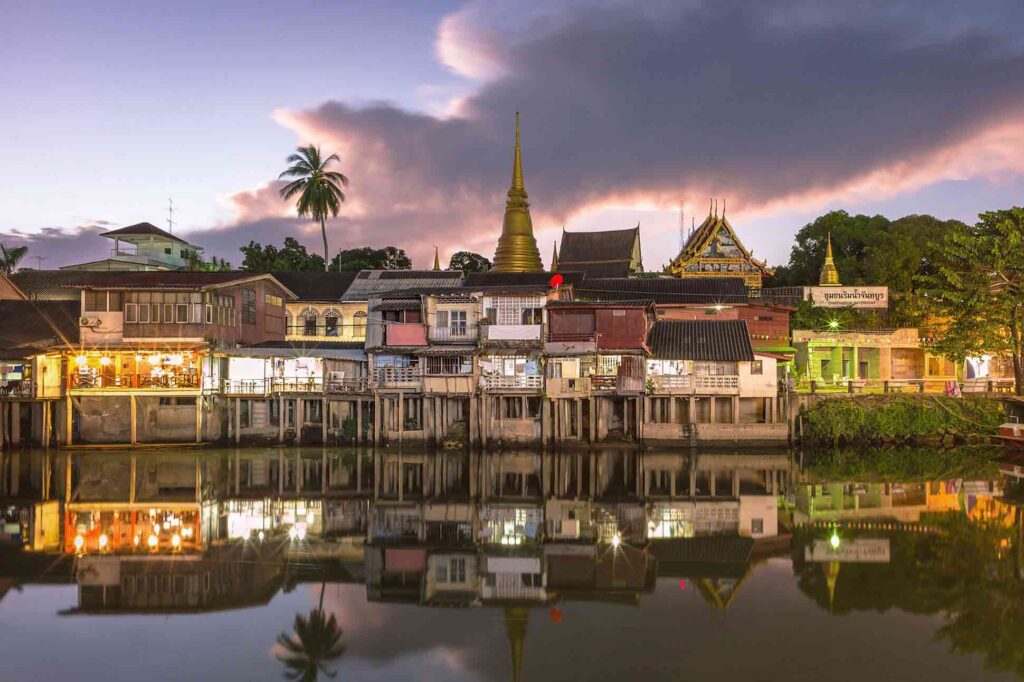
Chanthaburi is worth a stop for its gem market and a genuinely pretty riverside waterfront.
Northeastern Thailand (Isaan): The Region Nobody Covers
This is the region most Indian guides skip entirely, and it has some of the best historical sites in the country.
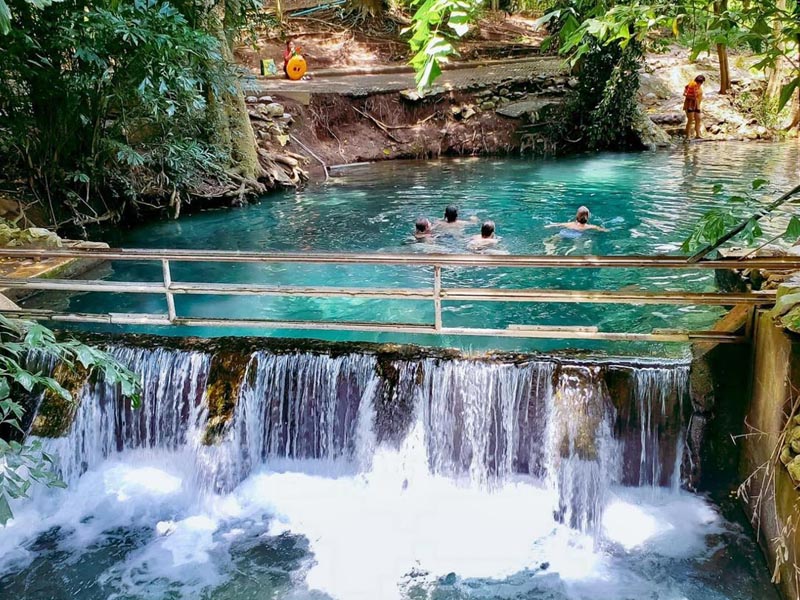
Nakhon Ratchasima (Khorat) is home to Khao Yai National Park- with multiple hiking trails to waterfalls and a swimmable spring at Ban Tha Chang.
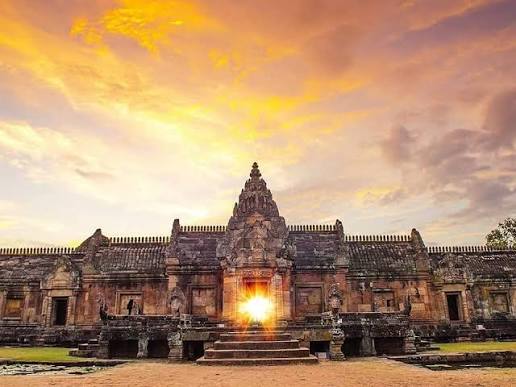
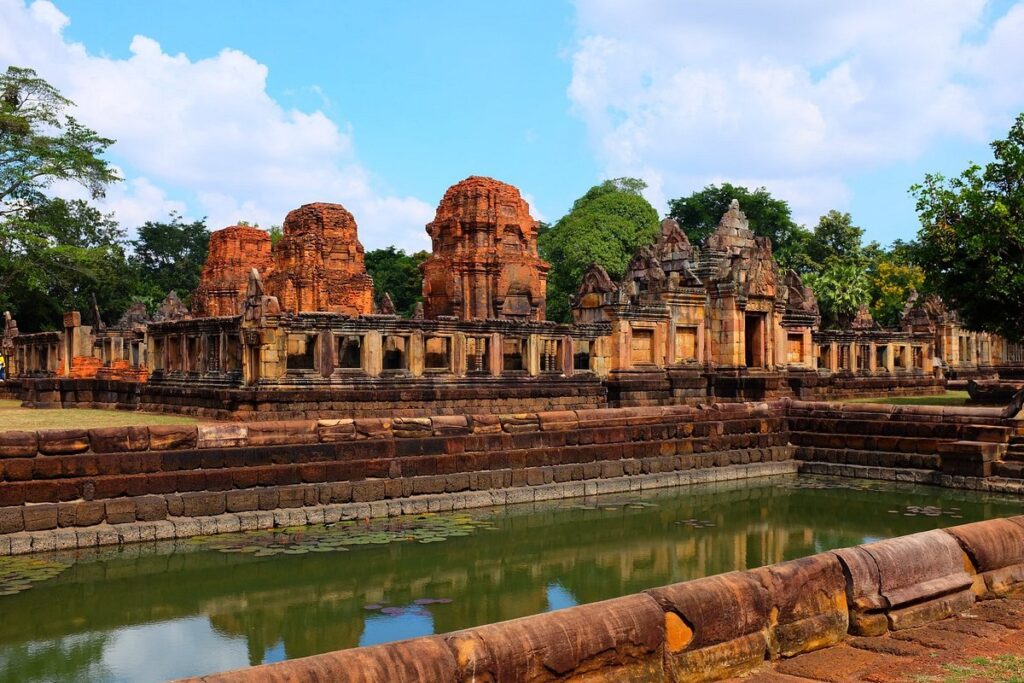
Buriram has the best Khmer ruins in Thailand: Prasat Phanom Rung and Prasat Muang Tam, both sitting on a 200m extinct volcano.
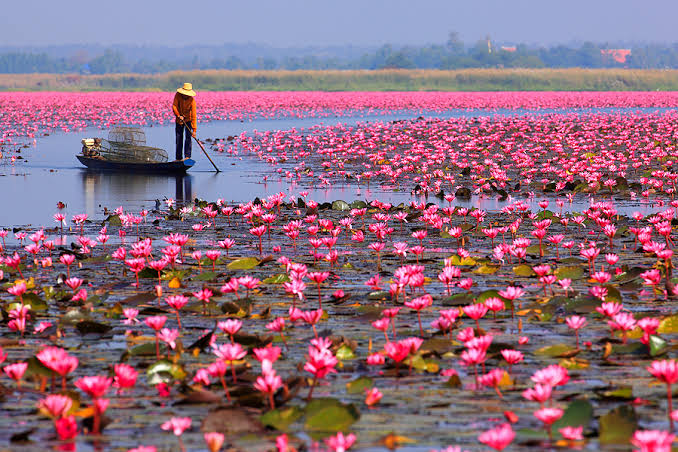
Udon Thani has an airport and the genuinely stunning Red Lotus Sea- go in the morning, since most flowers close by noon, and only between October and February.
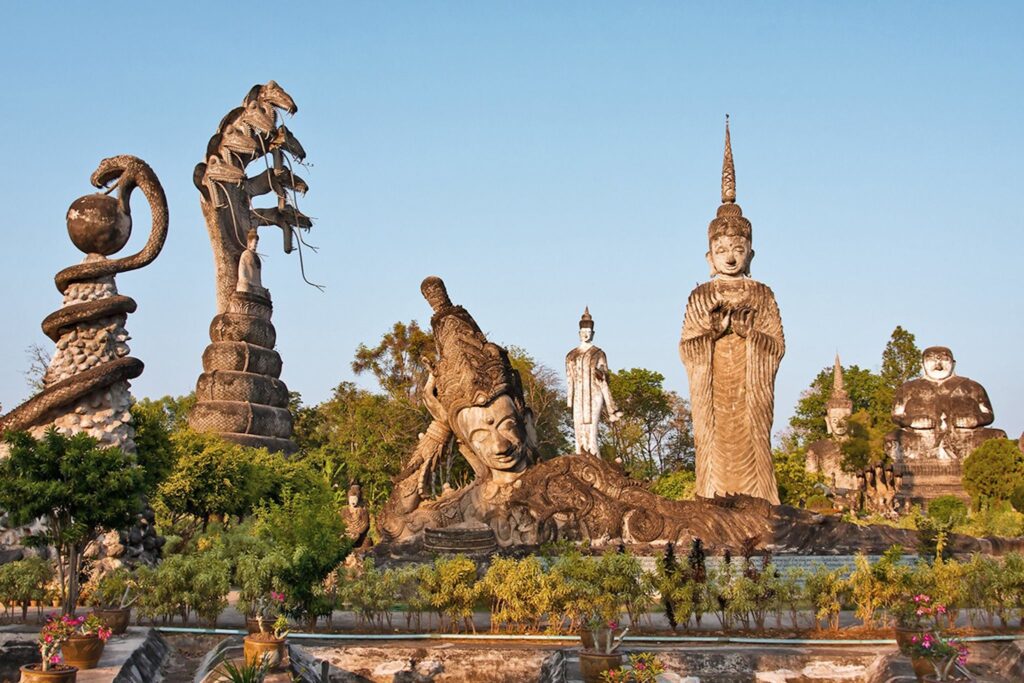
Nong Khai, 1.5 hours from Laos’s capital Vientiane, has the Sala Kaew Ku sculpture park.
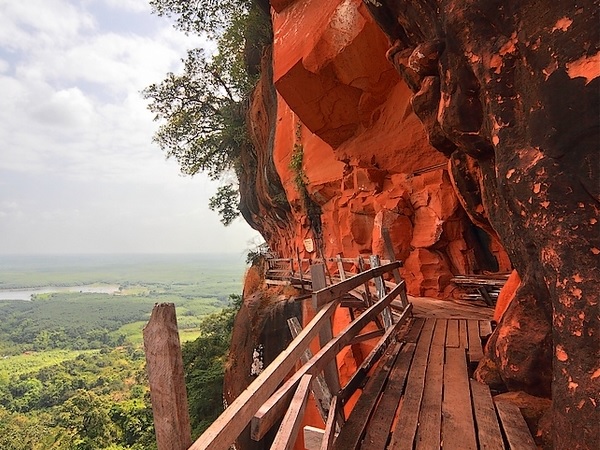
Bueng Kan‘s Wat Phu Thok is a hikeable rock mountain unlike anything else in the region.
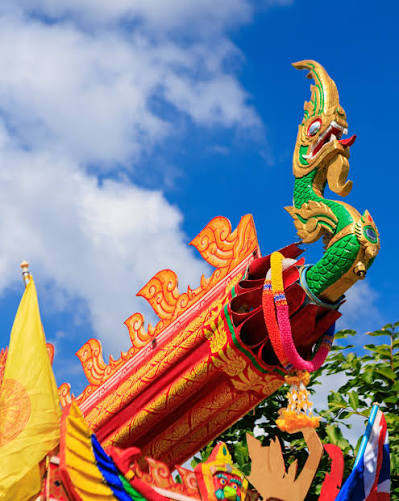
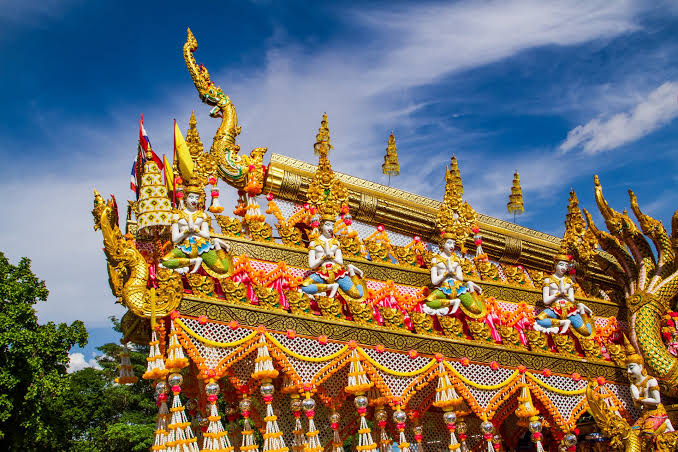
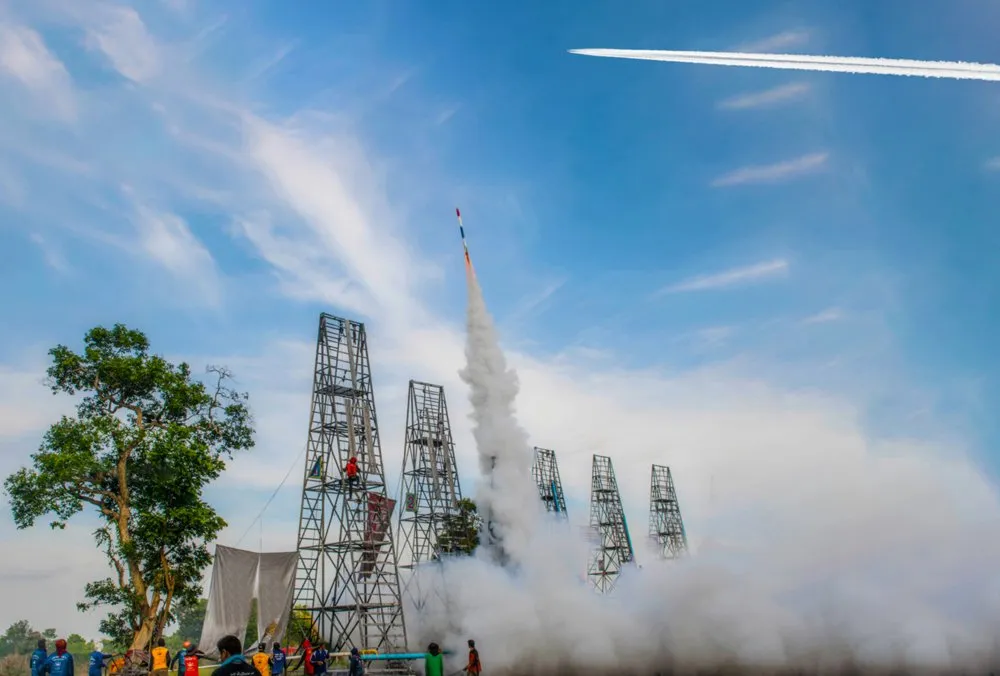
Yasothon hosts Thailand’s best rocket festival on the second weekend of May.
Khon Kaen is a university town with a lake and a popular walking street
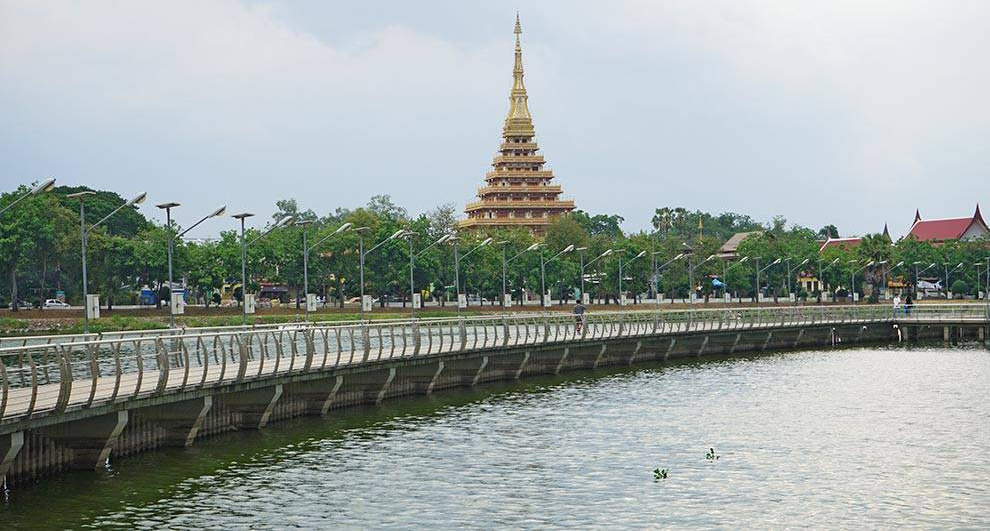
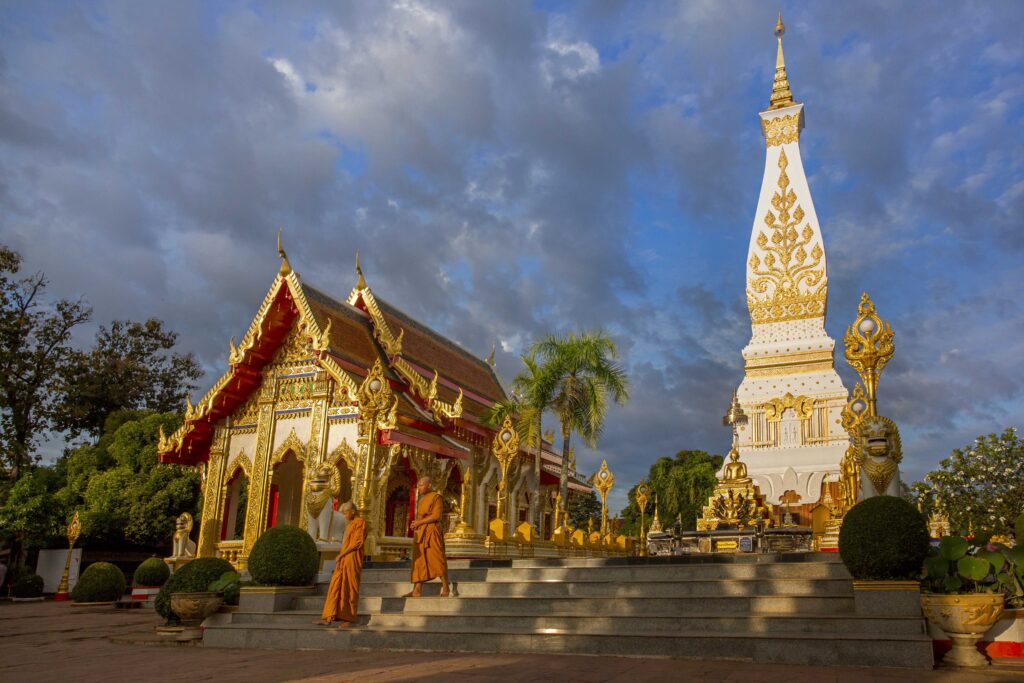
Nakhon Phanom has the revered Wat Phra That Phanom along the Laos border.
Northern Thailand: Chiang Mai as a Base, Not a Destination
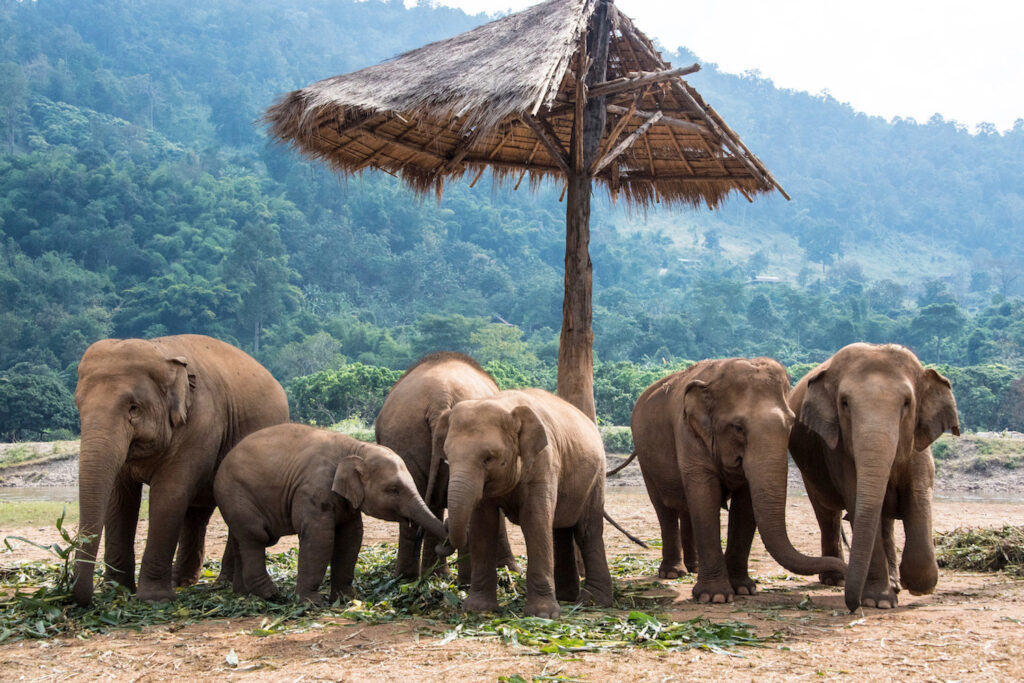
Chiang Mai itself is well covered- wats around the old city, night markets, cooking classes, elephant sanctuaries, hikes to Doi Suthep and Doi Inthanon. Where it gets interesting is what you do from there.
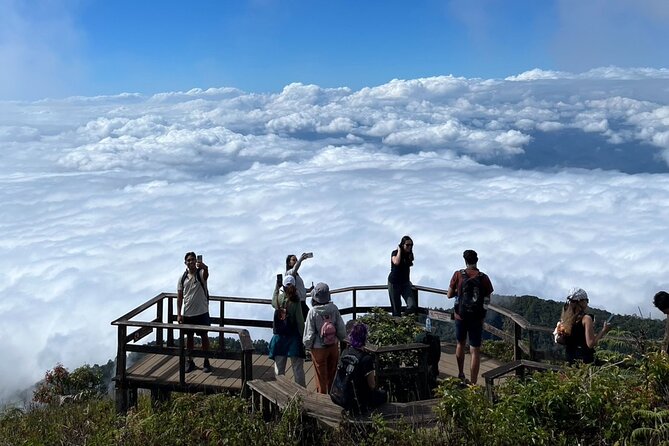
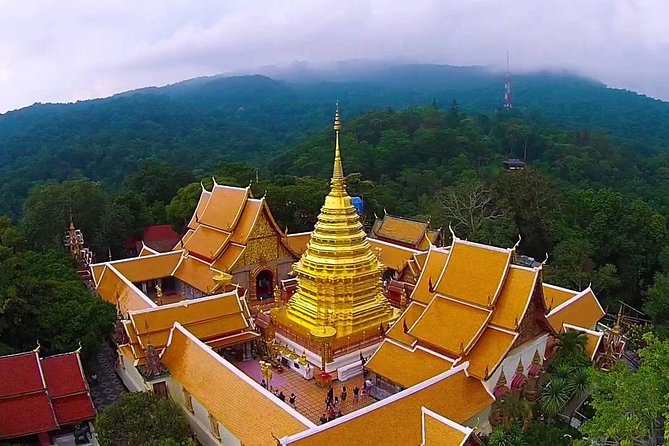
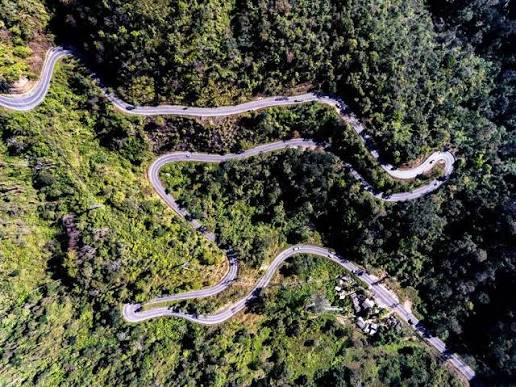
The Mae Hong Son Loop is a 600km, 4-day bike route out of Chiang Mai- mountain roads, hill tribes, mist.
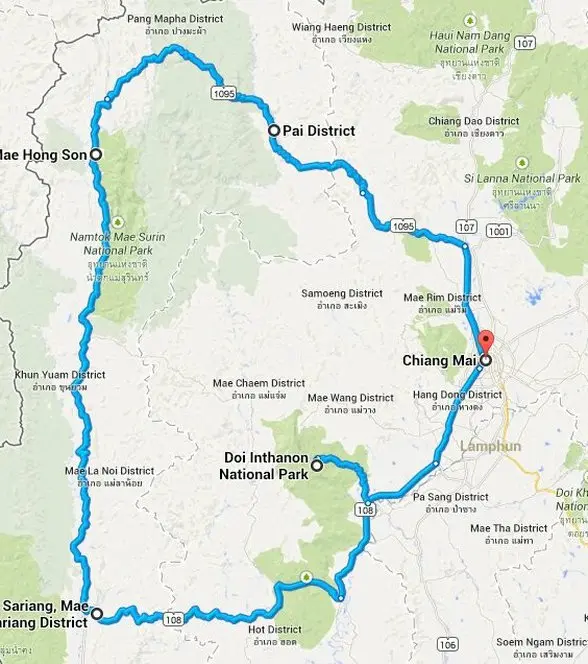
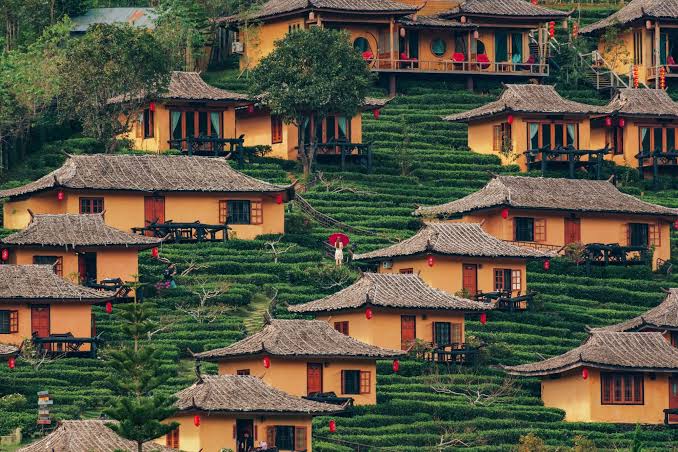
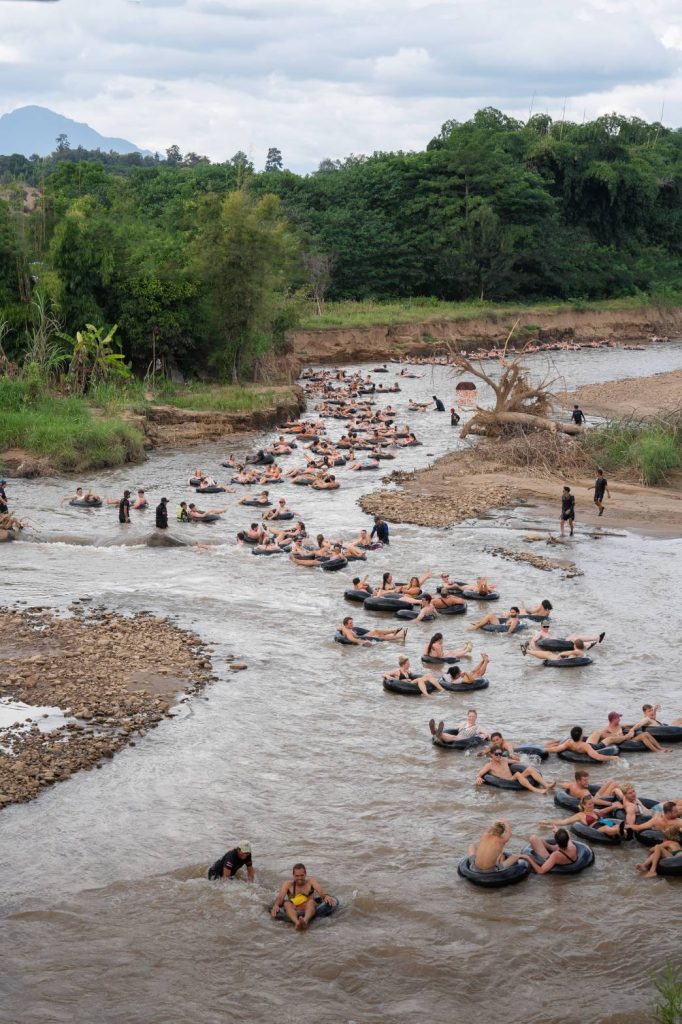
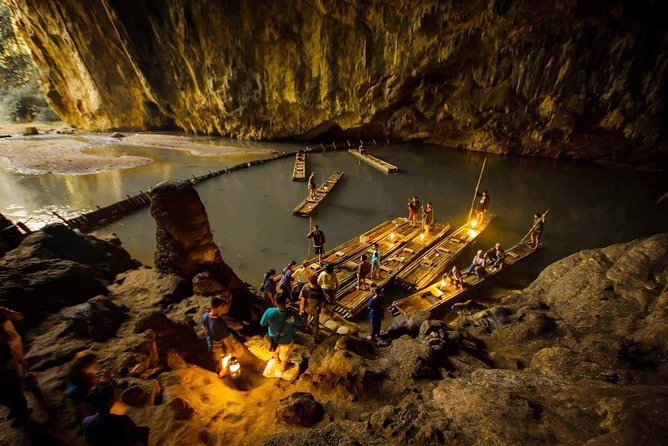
Pai is the loop’s biggest stop, with floating tube parties on the river and enough lodges and restaurants for a full day trip on its own. The caves around Soppong, Mae La-Na and Pangmapha have extensive networks with guided tours (and, in some, coffins). Tham Lot’s guided raft tours are a highlight.
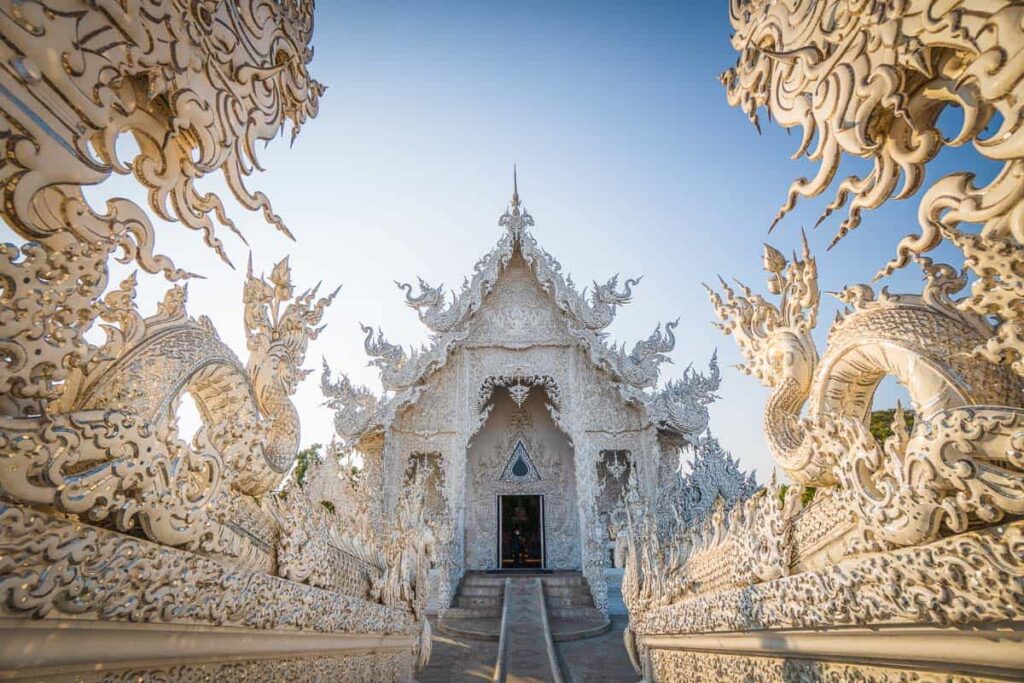
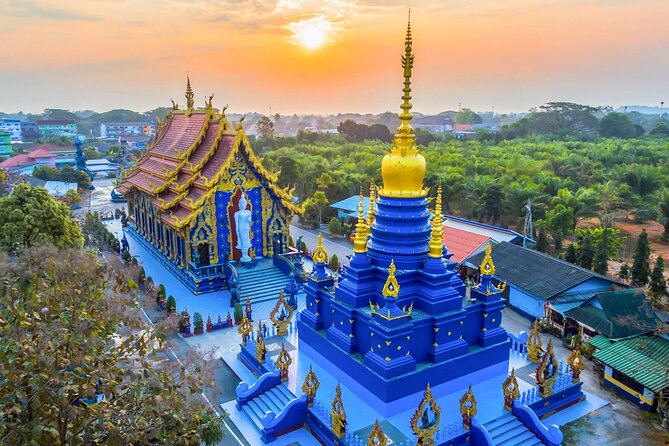
One hour from Chiang Mai, Chiang Rai has the modern Wat Rong Khun (White Temple), Wat Rong Suea Ten (Blue Temple) and Baandam (Black House)- nothing really prepares you for either.
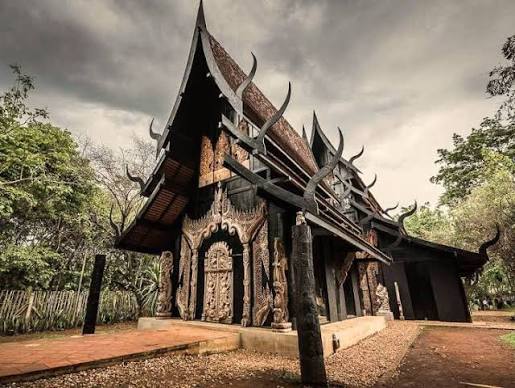
Push further out to Doi Mae Salong, Mae Sai and the Golden Triangle area around Sop Ruak.
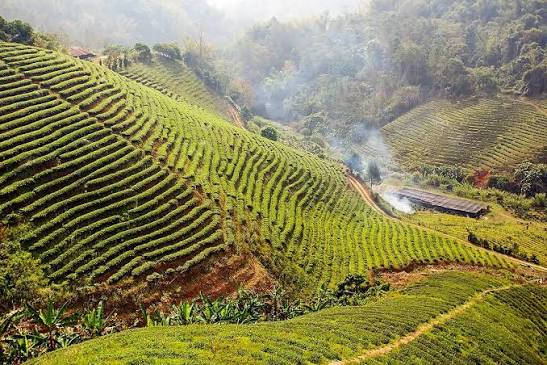
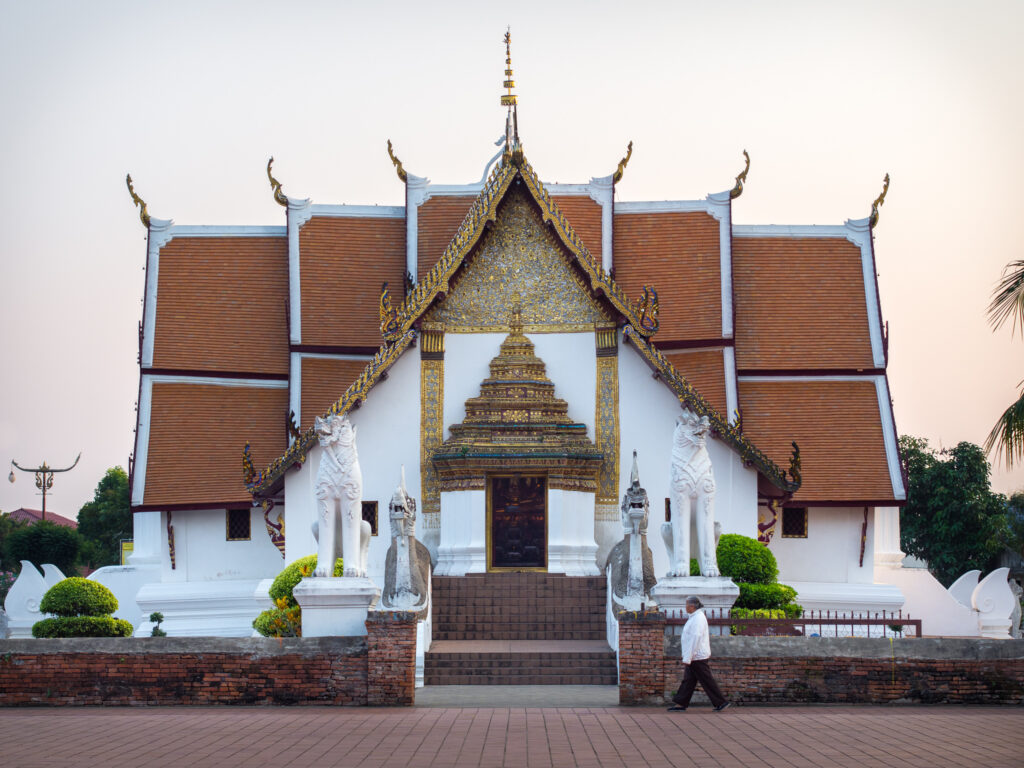
Nan is remote and full of hill-tribe villages and national parks, with the murals at Wat Phumin its best-known draw.
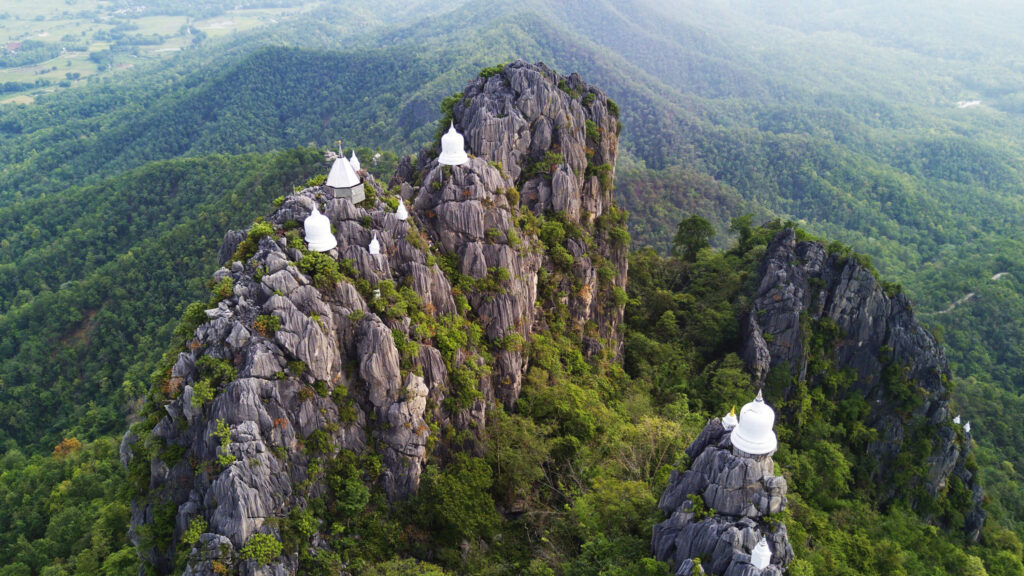
The Sky Pagodas or Floating Pagodas (Wat Chaloem Phrakiat) are a highlight from the neighbouring Lampang Province.
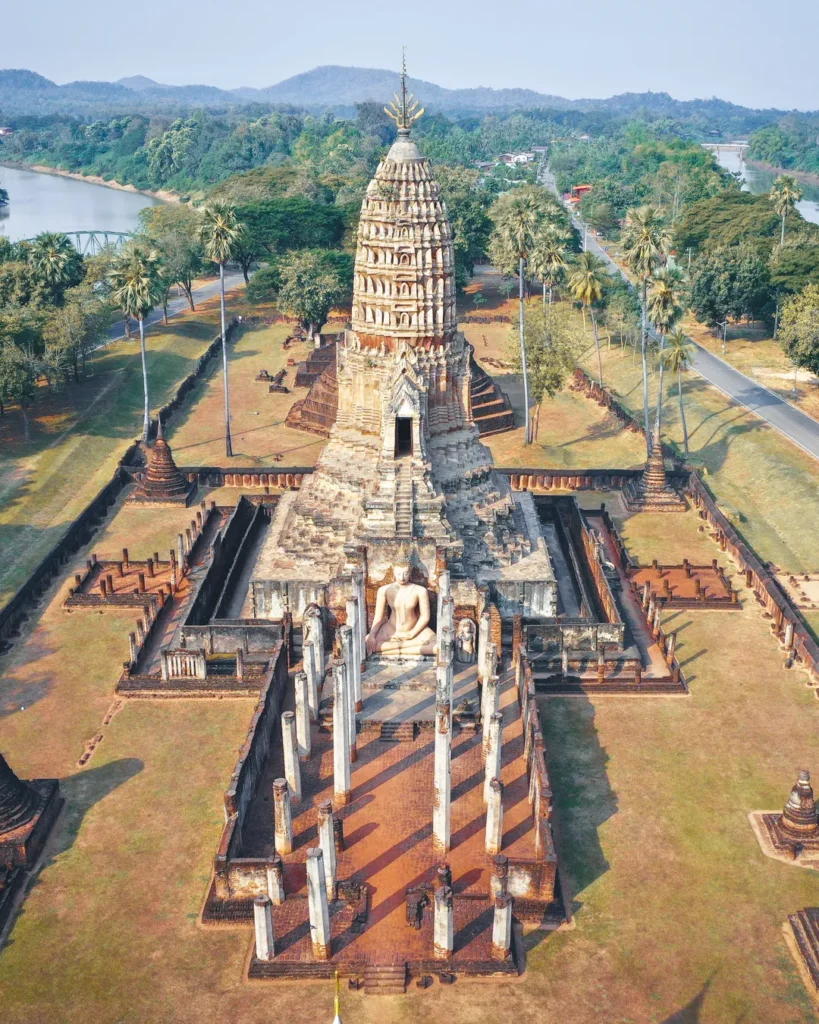
Sukhothai, the old seat of Thai power, is one enormous compound of ruined temples, with the Si Satchanalai-Chailang historical park an hour further out.
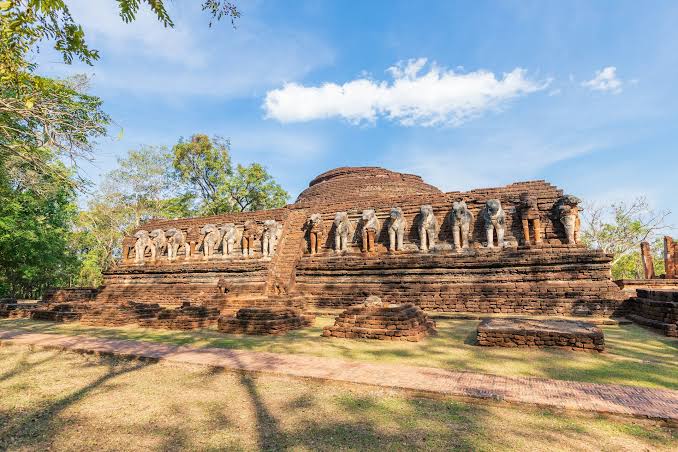
Kamphaeng Phet‘s historical park is a UNESCO site built as a walled city against invaders, but doesn’t seem visually appealing.
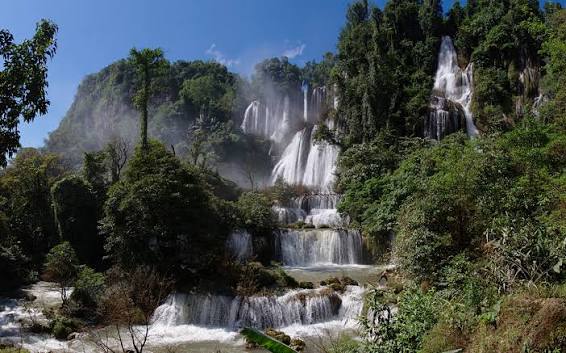
Tak province has one of the country’s best trek-worthy waterfalls at Thi Lo Su.
FAQ
Q: Is this guide useful if it’s my first time in Thailand? Yes, but pair it with a stop or two in Bangkok, Phuket, Koh Samui or Krabi first- this guide deliberately skips those since they’re already well documented, and focuses on everything around them.
Q: What’s the best time of year to do a region-by-region Thailand trip? November to February is the most comfortable window across most regions- cooler, drier, and the season for specifics like Ayutthaya’s sunflower fields and Udon Thani’s Red Lotus Sea. March to May gets hot everywhere; June to October is the rainy season, heaviest on the Andaman side.
Q: Can I cover more than one region in a single trip? Yes, but Thailand is bigger than it looks on a map. Central Thailand, Hua Hin and the Eastern Seaboard pair well with Bangkok since they’re all a few hours by road. The Andaman Coast, the Lower Gulf islands, the North and Isaan are each better treated as their own trip, or combined with the nearest of the “big five.”
Q: Do I need a car to see these regions, or is public transport enough? Depends on the region. Central Thailand and the Upper Gulf are easy by road or rail from Bangkok. The North is best explored with a rented bike or car, especially for the Mae Hong Son Loop. The island regions run on ferries and domestic flights rather than road transport. Isaan is the most spread out and least set up for casual public transport- a car or driver helps.
Q: Are any of these regions unsafe for tourists? The vast majority covered here are as safe as anywhere else in Thailand. The one exception flagged in this guide is the Deep South (Pattani, Yala, Narathiwat), which has an active separatist insurgency- tourism isn’t advised there, which is why it’s excluded from the Lower Gulf and Andaman sections.
Q: Which region is best for someone who wants nature and wildlife over beaches? Northeastern Thailand (Isaan) and Northern Thailand. Isaan has Khao Yai, one of the best national parks in the world, plus wetlands and hill forests. The North has cave systems, waterfalls, elephant sanctuaries and the Mae Hong Son Loop.
Q: I’ve done Koh Samui before- where do I go next in that region? Head to Koh Tao for diving or Koh Phangan for a mellower version of the party scene, and add Ang Thong for a day trip. Both islands are a short ferry from Samui itself.
Q: How connected are these regions to each other- can I do a longer trip that strings a few together? Reasonably well. Domestic flights connect most regional hubs (Chiang Mai, Udon Thani, Krabi, Surat Thani, Trat) back to Bangkok, so a common approach is looping through 2-3 regions and flying back into Bangkok rather than trying to do everything overland.
Final Word
Thailand rewards the version of the trip most people skip. The five places everyone already knows are famous for a reason- but they’re also the version of Thailand that’s been photographed, blogged and reviewed to death. Everything in this guide is the rest of the map: the sunflower field an hour from Bangkok, the cave temple nobody’s heard of, the diving mecca half the price of its famous neighbour, the region most travellers never even consider.
You don’t need to do all eight regions in one trip, and you probably shouldn’t try. Pick one that fits the version of Thailand you’re actually looking for- history, mountains, islands, or something nobody in your group has done before- and go deep on that instead of wide on everything. Let me know your pick in the comments.