 By Tarang Bansal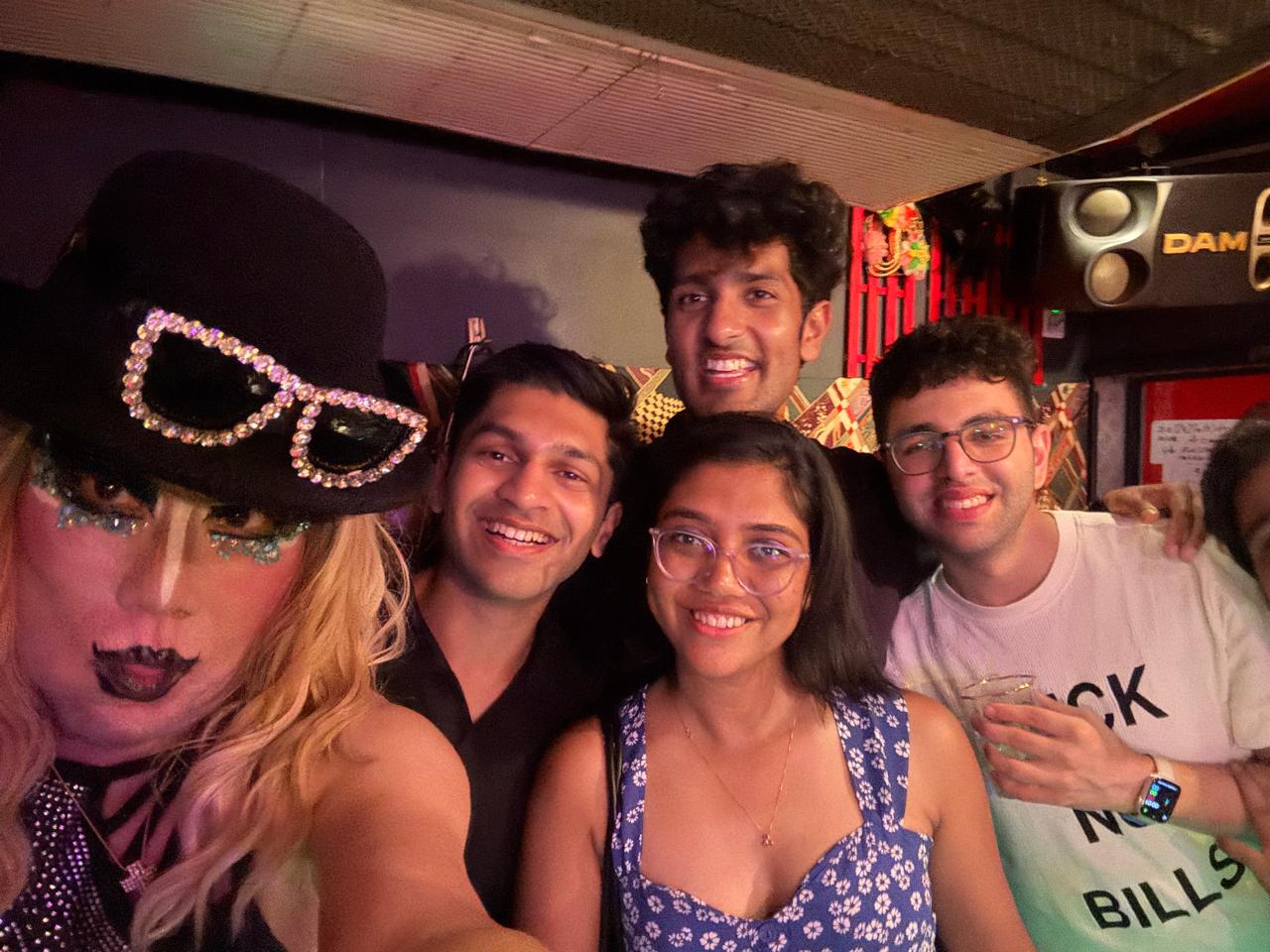
This LGBTQ Japan travel guide covers the legal landscape, Shinjuku Ni-chome, Osaka’s Doyamacho and everything in between.
A note before we begin: I have only visited the Ni-chome neighbourhood of Shinjuku in Tokyo. The rest of the information is research-led. It is a travel guide for LGBTQ+ Indian travellers visiting Japan, or for any traveller curious about how Japan handles sexual and gender diversity. I’ve cross-referenced this from multiple LGBTQ+-led travel sources, official Japanese tourism information, and recent news. Where the topic has nuance, I’ve kept it honest rather than promotional.
Japan’s relationship with LGBTQ+ identity is one of the most genuinely unusual in the world. It’s a country that never criminalised homosexuality in the modern era– the 1880 Meiji penal code (modelled on French law) contained no prohibition on same-sex acts. The tradition of male love has deep roots in samurai culture, Buddhist monasticism, and classical Japanese art. And yet, even in 2026, Japan has no national same-sex marriage law, no comprehensive anti-discrimination legislation, and a deeply private social culture that often values discretion over visible expression.
The result is a country that can feel either welcoming or invisible to LGBTQ+ travellers, depending on where you go and what you’re looking for.
Tokyo’s Shinjuku Ni-chome district has hundreds of gay bars packed into a few blocks– one of the densest gay nightlife concentrations on the country. Osaka’s Doyamacho is a more relaxed. Tokyo Rainbow Pride is now one of Asia’s biggest LGBTQ+ events. At the same time, public displays of affection by couples of any orientation are subtle in Japan, and many traditional venues are quietly inaccessible to foreign visitors.
This guide covers everything an LGBTQ+ traveller should know before visiting.
If you want the full Japan trip context, read my main 10-day Japan blog here.
The Legal Landscape: What’s Protected and What Isn’t
Honest summary of where Japan stands as of 2026:
What’s legal:
- Same-sex sexual activity– fully legal, age of consent equal to heterosexual acts
- Homosexuality has never been criminalised in modern Japan
- Legal gender change– possible, but requires medical diagnosis and surgical procedures (one of the more restrictive frameworks among developed countries)
- LGBT Understanding Promotion Act (June 2023)– Japan’s first national LGBT law, though widely criticised by activists as weak and ineffective
What’s not protected:
- No national same-sex marriage. Multiple court rulings in recent years have declared the current marriage law unconstitutional, but legislation has not changed.
- No comprehensive national anti-discrimination law for sexual orientation or gender identity
- No same-sex adoption rights at the national level
- Limited protection from spousal-violence laws for same-sex couples
What municipalities provide:
- 400+ Japanese municipalities now issue same-sex partnership certificates (Shibuya pioneered this in 2015)
- These provide some local benefits (visiting partner in hospital, joint housing applications, etc.)
- They carry no legal weight under national law– they’re symbolic and locally enforced
Practical implication for Indian LGBTQ+ travellers:
- Tokyo, Osaka, and Kyoto local authorities are generally welcoming
- You won’t be turned away from hotels for being a same-sex couple in major cities
- You also won’t have legal recourse if discrimination occurs
- The lived experience is far more welcoming than the legal framework suggests, especially in urban areas
Cultural Reality: PDA, Cross-Dressing, and Social Acceptance
A few honest observations:
1. Public displays of affection are subtle for everyone in Japan. This isn’t an anti-LGBTQ+ rule- it’s a general cultural norm. Even heterosexual Japanese couples don’t kiss or hold hands extensively in public. Same-sex couples following the same restraint typically attract no attention.
2. Holding hands is generally fine; explicit displays are not. In Shinjuku Ni-chome or Osaka’s Doyamacho, you’ll see same-sex couples acting affectionately without issue. Outside these districts, more discretion is the norm.
3. Cross-dressing has a deep cultural tradition. Japan has centuries of crossdressing in kabuki theatre (where male actors play female roles), and modern Japanese pop culture embraces gender fluidity through anime, J-pop, and visual kei. Cross-dressing as fashion or self-expression is more culturally accepted in Japan than in most countries. You’ll see it casually in Harajuku, in Tokyo nightclubs, and in the streets of major cities.
4. Transgender visibility is mixed. Famous trans Japanese celebrities (Haruna Ai, IKKO, Ataru Nakamura, Kaba-chan) are mainstream cultural figures. At the same time, the legal recognition process is restrictive, and there have been documented incidents of trans-related harassment, particularly in gendered facilities.
5. The Japanese cultural model is “quiet acceptance.” Unlike Western models of loud visibility, Japanese LGBTQ+ culture has historically operated through discretion, layered spaces, and personal networks. This is changing rapidly post-2015, especially among younger generations, but the older “don’t ask, don’t tell” attitude persists.
6. Open hostility is rare. Tokyo, Osaka, and other major cities are genuinely safe for LGBTQ+ travellers. Public hostility, hate crimes, or harassment of obviously LGBTQ+ tourists is uncommon. Rural areas may be less aware/welcoming, but rarely actively hostile.
Shinjuku Ni-chome: The Heart of Gay Tokyo
If you’re going to one LGBTQ+ destination in Japan, it’s Shinjuku Ni-chome (officially Shinjuku 2-chome, often abbreviated as “Ni-chome” or “Nicho”).
What it is: A small district within Shinjuku containing roughly 300 gay bars, clubs, cafés, and venues packed into a few city blocks.
Origin: Began as a postwar entertainment district. Became Tokyo’s gay heart by the 1970s and has remained so since.
Layout: The main artery is Naka-dori Avenue, roughly 200 metres long. Surrounding streets contain the densely-packed bars, often on the 2nd, 3rd, or 4th floor of small buildings, accessed via narrow staircases. Most venues seat fewer than 10 people.
Atmosphere: A unique mix of intense intimacy and warmth. Many bars have themes, demographic specialisations, or membership cultures. Some welcome foreigners openly; others are Japanese-only. The trick is knowing which is which.
Foreigner-Friendly Bars in Ni-chome (Recommended for First-Time Visitors)
- EAGLE Tokyo Blue– Tokyo’s most popular international gay bar. Brooklyn-style relaxed atmosphere, chill music, conversation-friendly. Famously bearish staff.
- Kinsmen– Upstairs gay bar, cosy and relaxed, no cover charge. Welcomes foreigners.
- Aiiro Café– Outdoor corner café with a mixed international crowd. The default “where to meet” spot.
- Arty Farty– Long-running dance club, hosts theme nights, friendly to foreign visitors.
- Campy! Bar– Run by celebrity drag queen Bourbonne. Flamboyant, fun, theatrical.
- Dragon Men– Larger venue, foreigner-friendly, lounge atmosphere.
- 24 Kaikan Shinjuku– Long-running multi-floor gay sauna, foreign-friendly.
- Tac’s Knot– Small cocktail bar displaying works by LGBTQ+ artists each month. Owner is a queer artist.
How to Navigate Ni-chome
A few practical pointers:
1. Don’t be intimidated by tiny bars. A 6-seat bar is normal here. You’ll often sit next to strangers and end up in conversation.
2. Check the door signs. Some bars are “Japanese only” or “members only”- respect this. Move to a foreigner-friendly venue instead.
3. Cover charges are common. Expect ¥500-2,000 cover charges, often including one drink. Cash-only is the norm.
4. Photography is generally discouraged. Many bars explicitly forbid it. Phones stay in pockets.
5. Bar-hop, don’t camp. The point is to visit multiple venues in an evening. Most travellers do 3-6 bars in one night.
6. Start later. Most bars come alive after 10 PM. Showing up at 7 PM is too early for the real Ni-chome experience.
7. Have your hotel address in Japanese on your phone. The last train is around midnight; if you stay past then, you’ll need a taxi.
👉 [INSERT AFFILIATE LINK: Shinjuku LGBTQ+ guided tours via Magical Trip / Klook]
Lesbian and Women’s Spaces in Ni-chome
The men’s scene dominates Ni-chome quantitatively, but there are dedicated lesbian and women’s bars:
- GoldFinger– Tokyo’s most famous women-only bar. Mixed nights and women-only nights on rotation. Lively, welcoming to international visitors.
- Garden Bar / Gold– Mixed crowd nights, foreigner-friendly
- Bar Mary’s– Mixed, casual, welcomes women and friends
Women’s bars tend to be slightly outside the central Ni-chome cluster but within walking distance. Check current schedules before visiting- many do “women-only” nights vs “mixed” nights on rotation.
Transgender-Friendly Spaces
- Most Ni-chome bars actively welcome trans visitors– though some bars may identify as primarily male/female-only spaces, the broader district is genuinely inclusive
- Drag and gender-fluid performance is a celebrated part of the scene (especially at Campy!, Dragon Men, and various weekend events)
- Trans-specific bars are smaller but exist; ask at Aiiro Café for current recommendations
Beyond Ni-chome: Tokyo’s Wider LGBTQ+ Scene
Tokyo’s gay life isn’t confined to Ni-chome. Notable spots elsewhere:
- Shibuya– Some LGBTQ+-friendly cafés and bars (Tac’s Knot is nearby), plus the famous Sankakubashi crossing as a meeting point. The Shibuya partnership-certificate office is also here.
- Kabukicho (Shinjuku)– Adjacent to Ni-chome, has some LGBTQ+ venues and entertainment
- Ueno– Older, traditional gay scene with bathhouses (24 Kaikan Ueno is the largest)
- Asakusa– Historic, mostly older clientele, more discreet
- Roppongi– Some LGBTQ+-friendly mixed venues; tourist-heavy
Tokyo Rainbow Pride- LGBTQ Japan Travel Guide
Tokyo Rainbow Pride is Asia’s largest LGBTQ+ event. Annual, late April-May.
For 2026:
- Festival dates: June 6-7, 2026 (confirmed by official organisers)
- Parade: June 7, 2026
- Centred on Yoyogi Park in central Tokyo
- Tens of thousands of attendees
- Major corporate and media participation
- Free attendance for spectators and parade walkers
The event has grown rapidly in the past decade. Indian travellers planning a Pride trip should book hotels 3-6 months ahead- central Tokyo fills up for that weekend.
Osaka’s Doyamacho: Japan’s Second Gay District
If you’re in Osaka, Doyamacho (often written as Doyama) is your destination.
What it is: A compact 7-block area east of Umeda Station, containing 30+ gay bars, clubs, and cafés. Distinctly more relaxed and casual than Tokyo’s Ni-chome.
Atmosphere: Doyama has Osaka’s signature warmth- direct, friendly, less precious than Tokyo. Many regulars from the Osaka office crowd come here to drink after work. Less intimidating for first-time visitors than Ni-chome.
Best for: Travellers who want a smaller, more conversational, less overwhelming LGBTQ+ scene.
Foreigner-Friendly Bars in Doyamacho
- Frenz Frenzy– One of Osaka’s most beloved gay bars. Lady Gaga and Perez Hilton have done karaoke here. Easy-going, inclusive, foreigner-welcoming.
- EXPLOSION– Osaka’s premier gay nightclub. Saturday-night LGBT events with guest DJs, drag queens, go-go dancers. No cover charge usually.
- Grand Slam– Foreigner-friendly bar with regular dance parties and karaoke. Small enough to spark conversations.
- Village– 18-year-old institution with karaoke, drag shows, cabaret, and live performances.
- J’s Osaka– Welcoming atmosphere, friendly staff, ¥800 drinks, no cover charge.
- K’s Hills– Friendly Japanese and Taiwanese staff. 20s-40s crowd. Non-smoking.
Women’s Spaces in Doyamacho
- LuPu– Lesbian-owned bar welcoming everyone. Friendly, reasonably priced, karaoke. Closed Wednesdays.
- WaaGwaan– Lesbian bar with Caribbean vibe, organic cocktails, English-speaking staff.
- Shippo (East Osaka City, Fuse district)– Inclusive lesbian/LGBT+ mixed bar. Hosts monthly “Off Party” for women and trans-masculine individuals. Quietly known as one of Japan’s safest spaces for women.
- Lemon (Namba)– Women-only bar away from Doyama.
- Niji – Women-only bar (Doyama).
Osaka Rainbow Festa
Osaka hosts its own Pride event annually in October- smaller than Tokyo’s but with strong local energy. Worth aligning travel dates if you’re already going.
Kyoto’s LGBTQ+ Scene
Kyoto’s gay scene is smaller and more discreet than Tokyo’s or Osaka’s, reflecting the city’s older, more traditional character. There are a handful of gay bars and izakayas, but no concentrated district like Ni-chome or Doyamacho.
Practical reality:
- LGBTQ+ travellers visiting Kyoto for temples and culture are entirely safe and welcome
- For nightlife, plan to go to Osaka’s Doyamacho (45 min by train) for your gay evening, then return to Kyoto
- Some Kyoto cafés and small bars are quietly LGBTQ+-friendly; the cultural code is “don’t ask, you’re welcome”
Beyond the Big Three Cities
Other Japanese cities with notable LGBTQ+ scenes:
- Fukuoka (Kyushu)– Growing gay scene around Naka River; tropical, friendly Kyushu energy
- Sapporo (Hokkaido)– Active LGBTQ+ community; Susukino entertainment district has gay bars
- Yokohama– Smaller scene adjacent to Tokyo; some unique venues
- Nagoya– Modest scene around Sakae district; growing
LGBTQ+-Friendly Hotels and Accommodation
Japan’s hospitality is generally professional and non-judgmental. Major international hotel chains are explicitly LGBTQ+-welcoming. Some notable choices:
In Tokyo:
- Hilton Tokyo Shinjuku– Walking distance to Ni-chome, professional, welcomes same-sex couples
- Park Hyatt Tokyo– Iconic, luxurious, LGBTQ+-aware
- APA Hotels– Budget chain, no issues with same-sex couples
- W Tokyo Osaki– Brand identity is explicitly LGBTQ+-welcoming
In Osaka:
- W Osaka (Shinsaibashi)– Genuinely LGBTQ+-welcoming, walking distance to Doyamacho
- Osaka Tokyu REI Hotel– Affordable, near Doyamacho and Umeda
- Cross Hotel Osaka– Good value, walking distance to Dotonbori
Booking tip: Use misterb&b for verified LGBTQ+-friendly stays, or book through international chains rather than small ryokan in rural areas to avoid potential awkwardness.
👉 [INSERT AFFILIATE LINK: Tokyo and Osaka hotels via misterb&b / Booking.com]
Dating and Hookup Apps in Japan
The dating app landscape:
Most popular:
- Grindr– Standard, works well in Tokyo and Osaka
- 9monsters– Japanese-developed gay app, dominant locally
- Jack’d– Functional, smaller user base than Grindr
- Scruff– Bear-focused, smaller but active in Tokyo
For women and non-binary users:
- Lex– Personal-ads-based, growing in Japan
- HER– Standard global app, works in major cities
- OkCupid– General app, LGBTQ+-friendly
For trans users:
- 9monsters has trans-inclusive settings
- Tinder with transparent profile setup is widely used
Cultural note: Many Japanese gay men prefer in-person meetings at bars over apps. Apps work better with foreign travellers and younger Japanese users.
Gay Saunas and Cruising Culture (Hattenba)
Japan has a tradition of LGBTQ+ saunas and cruising clubs (hattenba) dating back decades. Notable spots:
In Tokyo:
- 24 Kaikan Shinjuku– Multi-floor sauna, foreign-friendly, near Ni-chome
- 24 Kaikan Ueno– Larger location in Ueno
- Spartacus– Specific clientele, members-style
In Osaka:
- 24 Kaikan Osaka (Doyamacho)– 30+ years old, foreign-friendly, multi-floor
Important notes:
- Many saunas have age restrictions– some venues are youth-focused (under 30 or under 40)
- Cover charges typically ¥2,000-4,000 including locker, towel, and sauna access
- Cash only at most venues
- Tattoo policies vary– some saunas welcome tattoos, others restrict
- Discretion is the rule– phones in lockers, no photography ever
Cross-Dressing and Drag Culture
Japan has one of the world’s most vibrant cross-dressing and drag cultures:
- Harajuku is the centre of Tokyo’s youth cross-dressing fashion scene
- Drag bars and shows are concentrated in Ni-chome (Campy! is the most famous)
- Cosplay events at Comiket, Anime Japan, and Tokyo Game Show feature significant cross-dressing
- Cross-dressing services exist throughout Tokyo where you can be styled and photographed in elaborate outfits
- Kabuki theatre historically features only male actors playing all roles, including female ones (onnagata)
This is one area where Japan is genuinely more accepting and creative than most countries.
Important Honest Warnings for Indian LGBTQ+ Travellers
A few realities worth knowing:
1. Some bars genuinely turn away foreigners. Many traditional Japanese gay bars are members-only or Japanese-only. Don’t take it personally– it’s a community-protection mechanism, not racism. Stick to foreigner-friendly venues from this guide.
2. The language barrier is real. Many smaller venues have minimal English. Use translation apps; smile; be polite.
3. Don’t assume safety means visibility. Japan is safe but not loud. PDAs that work in San Francisco or Berlin will attract stares in Kyoto.
4. Some sex work and questionable services advertise around LGBTQ+ districts. “Free information” booths and certain massage parlours operate in grey legal zones. Stick to clearly legitimate venues.
5. Photography rules are strict. Most LGBTQ+ venues prohibit photography. Even of the streets- discretion protects the people inside.
6. Tattoo restrictions still apply. Onsens, saunas, and some gyms may restrict tattoos. See my [onsen guide] for details.
7. Indian customs of greater openness may feel mismatched. If you’re used to Indian metropolitan queer scenes (like Bangalore’s evolving scene, or Delhi’s events), Japan’s quieter approach can feel reserved. This isn’t rejection; it’s cultural style.
A Quick Itinerary Suggestion
For LGBTQ+ travellers wanting to combine general Japan tourism with LGBTQ+ exploration:
4-Day Tokyo:
- Day 1: General sightseeing, dinner in Shinjuku, Ni-chome bar-hopping (10 PM – 1 AM)
- Day 2: Temples + parks, return to Ni-chome to try new venues
- Day 3: Akihabara, Shibuya, drag show at Campy! or Dragon Men dance party
- Day 4: Day trip to Hakone or Nara, evening in Shinjuku
3-Day Osaka:
- Day 5: Dotonbori, evening at Doyamacho bars
- Day 6: Kyoto day trip (no LGBTQ+ scene-hopping needed), return for Doyamacho nightlife
- Day 7: Departure or extension
Frequently Asked Questions
Q: Is Japan LGBTQ+-friendly for tourists? Yes, in major cities. Tokyo, Osaka, and other large cities are safe and welcoming for LGBTQ+ travellers. The legal framework lags behind the social reality. PDAs are generally subtle for all couples regardless of orientation.
Q: Is same-sex marriage legal in Japan? No. Japan is the only G7 country without national same-sex marriage. However, 400+ municipalities (including Tokyo, Osaka, Yokohama, Sapporo) issue symbolic partnership certificates with some local benefits.
Q: Where is Shinjuku Ni-chome? A short walk east of Shinjuku-Sanchome Station (Marunouchi, Fukutoshin, Shinjuku Lines) in central Tokyo. The main strip is Naka-dori Avenue.
Q: When is Tokyo Rainbow Pride 2026? June 6-7, 2026. Centred on Yoyogi Park. Free attendance. Asia’s largest LGBTQ+ event.
Q: Are there foreigner-friendly gay bars in Tokyo? Yes, Aiiro Café, EAGLE Tokyo Blue, Kinsmen, Arty Farty, Campy!, Dragon Men, Tac’s Knot. Many more, but these are the recognised welcoming venues.
Q: What about Osaka and Kyoto? Osaka’s Doyamacho has 30+ LGBTQ+ bars with a relaxed Kansai vibe. Kyoto’s scene is small and discreet– most LGBTQ+ travellers in Kyoto go to Osaka for nightlife.
Q: Are there lesbian/women-only bars? Yes. In Tokyo: GoldFinger is the most famous. In Osaka: LuPu, WaaGwaan, Shippo, Lemon, Niji. Check current schedules- many have “women-only” nights and “mixed” nights on rotation.
Q: Is transgender travel safe in Japan? Generally yes, open hostility is rare. However, Japan’s legal gender change process is restrictive, requiring medical diagnosis and surgical procedures. Carry clear documentation; expect occasional confusion at official checkpoints but rarely hostility.
Q: Can same-sex couples book hotels together? Yes, easily. Major international chains and most Japanese business hotels accept same-sex couples without issue. Booking through misterb&b guarantees explicitly LGBTQ+-friendly stays.
Q: Are public displays of affection okay? Subtle yes, explicit no, for everyone in Japan, regardless of orientation. Holding hands is fine; kissing in public is unusual for any couple. Inside LGBTQ+ districts, affection is completely unremarkable.
Q: Are there gay cruises or tours in Japan? LGBTQ+-specific guided tours exist (search “gay Tokyo tour” on Magical Trip or Out Asia Travel Tours). Specifically gay cruises operating in Japan are rare; most LGBTQ+ travellers attend specialty events at Ni-chome or join broader Japan tours.
Final Word
Japan is one of the most genuinely interesting LGBTQ+ destinations in the world, not because of legal protections (which lag), but because of the depth and diversity of its scene, the quiet warmth of its communities, and the cultural fluidity around gender and self-expression.
For Indian LGBTQ+ travellers: Japan offers an experience that Indian metropolitan queer scenes can’t match in scale or density. Shinjuku Ni-chome alone is worth a dedicated trip. The cultural model is different from Western Pride visibility- quieter, more discretionary, more intimate- but no less alive.
For all LGBTQ+ travellers: Plan your trip with the legal realities in mind (no marriage equality, limited anti-discrimination law), the social realities respected (general PDA discretion is the norm), and the actual community celebrated (Ni-chome, Doyamacho, Pride). Japan is welcoming in practice if you understand the rhythm.
For the full Japan trip experience, read my main blog here.
Drop a comment if you’ve explored Japan’s LGBTQ+ scene- and which neighbourhood or venue you’d recommend most for first-time visitors.