 By Tarang Bansal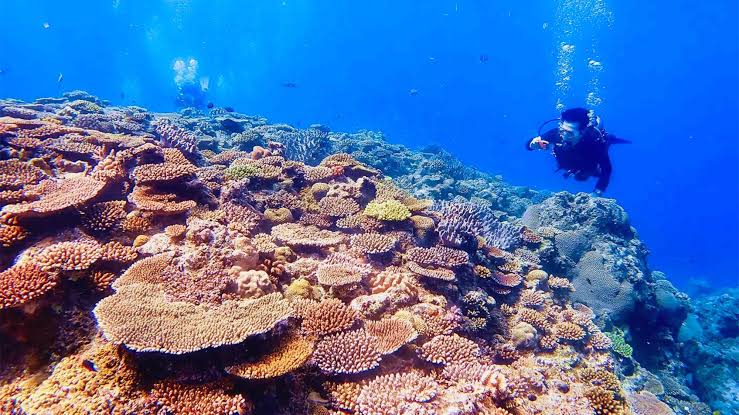

This Okinawa guide for Indians covers visa rules, island choices, beaches and costs for Japan’s subtropical south. A note before we begin: I haven’t been to Okinawa myself- it’s on the “next Japan trip” list. So this isn’t an experiential post. It’s a research-led planning guide for Indian travellers curious about Japan’s most distinctive and least-visited tourist region.
When Indians think of Japan, they think of Tokyo’s neon, Kyoto’s temples, Mt. Fuji, and Shinkansen trains. Almost nobody thinks of white-sand beaches, coral reefs, turquoise water, palm trees, and tropical island-hopping. And yet, at the southern tip of Japan, there’s a completely different country– geographically, culturally, climatically- called Okinawa.
Okinawa Prefecture is a chain of 160 subtropical islands stretching south from Japan towards Taiwan. It was an independent kingdom (the Ryukyu Kingdom) for over 450 years, with its own language, music, religion, and cuisine, before Japan annexed it in 1879. Today it’s a Japanese prefecture, but the cultural distinctiveness remains- the food is different, the music is different, the architecture is different, and the beaches are some of the best in Asia.
This guide is for Indian travellers wondering whether to add Okinawa to their Japan itinerary, planning a beach holiday in Asia, or curious about a part of Japan most tourists skip.
If you want the full Japan trip context, read my main 10-day Japan blog here.
Visa for Indians: Do You Need Anything Separate?
Good news: No. Okinawa is a Japanese prefecture, not a separate country. Your standard Japan tourist visa is valid for Okinawa. There are no separate visa requirements, no additional permits, no border checks. Once you’re approved for Japan, you can fly directly to Okinawa or travel there from any mainland Japanese city.
Key visa points for Indians:
- Indian passport holders need a visa to enter Japan.
- Japan eVisa available for Indian residents– fastest and easiest option, applied online
- Processing time: 12-15 working days for VFS-routed applications
- Tourist visa allows up to 90 days stay
- Visa fee: ~₹500 + VFS service charges
- Cost of visa is the same whether you’re going to Tokyo, Kyoto, or Okinawa
For full details, see my [Japan visa guide for Indians].
Why Okinawa Is Different From the Rest of Japan
A few important points to understand before planning your trip:
1. Geographically different. Okinawa sits at roughly the same latitude as Bahamas and Hawaii- subtropical, not temperate. While Tokyo gets snow in winter, Okinawa stays at 15-20°C in January. Beaches and coral reefs replace temples and snow.
2. Culturally different. Okinawa was the Ryukyu Kingdom until 1879, with its own language (Okinawan, still spoken by some elders), music (sanshin-based), dance (eisa drumming), architecture (red-tiled roofs and shisa lion guardians), and cuisine. It’s the only part of Japan that doesn’t feel “Japanese” in the conventional sense.
3. Linguistically a little different. While standard Japanese is now universal, you’ll see signs and place names in Okinawan/Uchinaaguchi. Some elderly islanders prefer the local language.
4. Cuisine is different. Goya champuru (bitter melon stir-fry), Okinawan soba, beni-imo (purple sweet potato), and tropical fruits are the staples- not sushi and ramen.
5. The pace is slower. Okinawa is famous for Ikigai and longevity– it has one of the highest concentrations of centenarians in the world, and the culture genuinely operates at a more relaxed pace than mainland Japan.
6. Cheaper than mainland Japan. Accommodation, food, and local transport are noticeably cheaper. Hotel prices in Naha can be 30-50% lower than equivalent Tokyo properties.
How to Reach Okinawa from India
Okinawa is geographically separated from mainland Japan. There are no trains, no Shinkansen- only flights and ferries.
Option 1: Fly Direct from India (Not Currently Available)
There are no direct flights from any Indian city to Naha (Okinawa’s main airport) as of 2026. All routes require a connection.
Option 2: Fly Via Mainland Japan (Most Common)
- Fly from India to Tokyo (Narita/Haneda) or Osaka (Kansai)– direct flights from Delhi, Mumbai, Bengaluru to Tokyo
- Domestic flight to Naha (OKA)– 2.5 hours from Tokyo, 2 hours from Osaka
- Cost: Domestic legs often ¥10,000-25,000 (~₹6,000-15,000)
- Airlines: ANA, JAL, Peach (budget), Jetstar Japan (budget), Skymark
Option 3: Fly Via Other Asian Hubs
- Via Taipei, Hong Kong, Seoul, Manila– sometimes cheaper than flying via Tokyo
- Cathay Pacific, China Airlines, Korean Air, Eva Air offer one-stop options
- Total travel time: 12-16 hours from Indian metros
Option 4: Ferry (Adventure Route, Not Practical)
- Ferry from Kagoshima to Naha runs 3 times weekly, takes 25 hours, costs ~₹17,000
- Not relevant, just mentioned for people like me with unnecessary curiosity
Practical recommendation: For most Indian travellers, fly to Tokyo, spend 3-4 days in mainland Japan, then take a 2.5-hour domestic flight to Naha. Combines two distinct Japanese experiences in one trip.
👉 [INSERT AFFILIATE LINK: Japan domestic flights to Okinawa via Klook / Skyscanner]
The Islands of Okinawa: Okinawa Guide for Indians
Okinawa is not one island- it’s 160 islands across three main groups. Most Indian travellers will only visit a handful.
Group 1: Okinawa Main Island (Honto / Okinawa-honto)
- Largest island, location of Naha (the capital), most flights, all major historic sites
- Length: ~108 km from north to south
- What to see: Shuri Castle, Churaumi Aquarium, WWII memorial sites, Kokusai-dori shopping street, beaches in the north
- Time needed: 2-4 days
- Best for: First-time visitors; mainstream tourism
Group 2: Kerama Islands (40 km west of Naha)
- Best beaches, easy day trips from Naha
- Key islands: Tokashiki, Zamami, Aka, Geruma
- Famous for: “Kerama Blue” water, snorkelling, swimming with sea turtles, whale watching (winter)
- Time needed: 1-3 days, can be done as day trips from Naha
- Best for: Travellers wanting iconic beach photos with limited time
Group 3: Miyako Islands (300 km southwest of Naha)
- Some of Japan’s whitest beaches and clearest water
- Key islands: Miyako, Irabu, Ikema, Kurima, Shimoji (connected by bridges)
- Famous for: Yonaha Maehama Beach (often ranked Japan’s best beach), Ikema Bridge, diving
- Time needed: 3-5 days
- Best for: Beach purists, divers
Group 4: Yaeyama Islands (430 km southwest of Naha, near Taiwan)
- Wildest, most remote, most beautiful
- Key islands: Ishigaki, Iriomote, Taketomi, Hateruma, Yonaguni
- Famous for: Iriomote’s UNESCO jungle, Taketomi’s preserved Ryukyu village, Ishigaki’s beaches and food
- Time needed: 4-7 days
- Best for: Travellers with time who want Japan’s most exotic experience
Where Should an Indian First-Timer Go?
For a first Okinawa trip with limited time:
Short trip (3-4 days): Okinawa Main Island + Kerama Islands day trip. Stay in Naha, see Shuri Castle, do day trips to Tokashiki or Zamami beaches.
Medium trip (5-7 days): Okinawa Main Island (2 days) + Miyako Islands (3-4 days). Includes Japan’s most famous beach (Yonaha Maehama).
Long trip (8-10 days): Okinawa Main Island (2 days) + Ishigaki/Yaeyama Islands (5-6 days). Add Iriomote and Taketomi for the most diverse Okinawa experience.
For absolute beach focus: Skip Okinawa Main Island, fly directly to Ishigaki or Miyako, spend 5-7 days island-hopping.
Inter-Island Movement: Ferries, Flights, and Bridges
From Naha to the Kerama Islands (Day-Trip Distance)
- Naha (Tomari Port) → Tokashiki: 35 min high-speed ferry / 70 min ferry
- Naha → Zamami: 50-70 min high-speed / 90-120 min ferry
- Naha → Aka/Geruma: 50 min high-speed / 90 min ferry
- Costs: ¥2,150-3,200 one-way + ¥100 Kerama environmental tax (~₹1,300-2,000)
- Booking: Online up to 2 months in advance, essential during peak season (July-August, weekends)
From Naha to Other Islands Around the Main Island
- Naha → Kume Island: 70-min jetfoil (launched May 2026) or 3.5-hr ferry, ¥3,450
- Motobu Port → Ie Island: 30 min ferry, ¥730- quick day trip from northern Okinawa
From Naha to Miyako Islands
- Flight only– Naha → Miyako Airport (~50 min)
- No regular passenger ferry between Naha and Miyako
From Naha to Yaeyama Islands
- Flight to Ishigaki (~1 hour)- there is no ferry between Naha and Ishigaki
- From Ishigaki to nearby Yaeyama islands: Ferries every 30 minutes
- Ishigaki → Taketomi: 15 minutes
- Ishigaki → Iriomote: 35-45 minutes
- Ishigaki → Hateruma: 60-90 minutes
Critical Booking Note
Ferries are frequently cancelled due to weather– typhoons (June-October) and strong winter winds (December-February). Build flexibility into your itinerary. Don’t plan back-to-back ferry transfers with tight connections.
Naha (Capital City): What to Do
Most Indian travellers will spend at least 1-2 days in Naha. The essentials:
1. Shuri Castle– UNESCO World Heritage Ryukyu Kingdom castle. Tragically burned down in 2019, currently undergoing reconstruction; outer grounds and visitor centre still worth visiting.
2. Kokusai-dori (International Street)– Naha’s main shopping/dining boulevard. 1.6 km of restaurants, souvenir shops, and traditional Okinawan goods.
3. Makishi Public Market– Local market for Okinawan ingredients, fish, and pickle/fermented foods. Adventurous eating zone.
4. Tsuboya Pottery District– Traditional Okinawan pottery quarter, charming walking area.
5. Beach Day Trips– Take day trips from Naha to Kerama Islands or northern Okinawa Main Island beaches.
Beaches Worth the Travel
The defining Okinawa experience. The top beaches:
On Okinawa Main Island
- Manza Beach– Famous resort beach, good for families, picturesque cliffs
- Sunset Beach (Chatan)– Closest beach to Naha, great for sunset
- Emerald Beach (Motobu)– Adjacent to Churaumi Aquarium, family-friendly
- Sesoko Beach– Northern beach, fewer crowds, beautiful clear water
Kerama Islands
- Furuzamami Beach (Zamami)– Award-winning beach, good snorkelling
- Aharen Beach (Tokashiki)– Major Tokashiki beach with facilities
- Toshiku Beach (Tokashiki)– Famous for high probability of swimming with sea turtles
Miyako Islands
- Yonaha Maehama Beach– Often ranked as Japan’s best beach. 7 km of pure white sand, turquoise water
- Sunayama Beach– Iconic rock arch, photographic
- Yoshino Beach (East Miyako)– Tropical fish snorkelling without diving
Yaeyama Islands
- Kabira Bay (Ishigaki)– Famous for star sand, glass-bottom boats (no swimming allowed)
- Sukuji Beach (Ishigaki)– Family-friendly, shallow water
- Iriomote’s mangrove beaches– Wild, jungle-edged, snorkelling
Water Sports and Activities
Okinawa’s marine sports infrastructure is excellent. Most popular:
1. Snorkelling
- Almost universal across the islands
- ¥4,000-8,000 for half-day guided tours including gear
- Best spots: Kerama Islands (with sea turtles), Miyako (coral diversity), Yaeyama (biodiversity)
2. Scuba Diving
- Japan’s best diving outside Hokkaido
- Beginner discover dives: ¥12,000-18,000 (~₹7,200-10,800)
- PADI Open Water certification: ¥45,000-65,000 (~₹27,000-39,000)
- Specialist dives: cave diving (Miyako), shark spotting, manta rays (Ishigaki)
3. Kayaking and SUP
- Iriomote’s mangrove kayaking: ¥6,000-12,000
- Sunset SUP: ¥4,500-8,000
4. Whale Watching
- January-March, Kerama and Zamami waters
- ¥5,500-7,500 (~₹3,300-4,500) for half-day tours
- Humpback whales migrate to Okinawan waters annually
5. Glass-Bottom Boats
- Family-friendly alternative to snorkelling
- ¥1,500-3,500 (~₹900-2,100) for 30-60 minute tours
6. Banana Boat, Jet Ski, Parasailing
- Available at all major resort beaches
- ¥2,500-6,000 (~₹1,500-3,600) per activity
7. Star Gazing
- Iriomote and Hateruma are designated dark-sky reserves
- Among the best stargazing locations in Japan
8. Hiking
- Iriomote’s Pinaisara Falls (Japan’s tallest waterfall in Okinawa)
- Urauchi River jungle hikes
👉 [INSERT AFFILIATE LINK: Okinawa water activities and snorkelling tours via Klook / Activity Japan]
Vegetarian Food in Okinawa
Okinawan cuisine is more meat-heavy than mainland Japan (a legacy of trade with China and Southeast Asia). Strict vegetarians need to plan carefully.
Okinawan vegetarian options:
- Goya Champuru (vegetarian version)- bitter melon stir-fried with tofu, eggs (skip the meat versions)
- Okinawan Soba (vegetarian version)– wheat noodles in vegetable broth; request “no meat”
- Beni-imo (purple sweet potato)– used in everything from desserts to ice cream
- Mozuku seaweed– pickled or in soups (vegan)
- Fu (wheat gluten)– common in Okinawan vegetable dishes
- Tofu Yo– fermented tofu, Okinawan delicacy
- Local fruit and tropical sweets– pineapple, mango, dragonfruit available year-round
Practical strategy:
- Indian restaurants in Naha– yes, they exist (Nepalese-run)
- Italian and international restaurants in tourist zones
- Convenience stores with the same vegetarian options as mainland Japan
- Pre-book accommodation with kitchen access for strict vegetarians
- Niku iranai (no meat) phrase works throughout
For full vegetarian Japan strategy, see my [vegetarian Japan guide blog].
Weather and Seasonality
Okinawa is subtropical– quite different from mainland Japan:
Best Months (Travel Sweet Spot)
- Late April to mid-June– Pre-typhoon, warm, sunny, less crowded
- October to early December– Post-typhoon, cool, sunny, comfortable
Acceptable Months
- March-April– Spring, warm enough for beaches
- January-February– Cool (15-20°C), good for whale watching, fewer beach activities
Peak Months (Highest Prices)
- July-August– School holidays, hottest weather (28-32°C), peak typhoon risk
Worst Months
- Mid-June to early October– Typhoon season; ferries cancelled frequently, flights delayed
- December-February– Cold for beach activities (15-20°C); good for cultural tourism only
Typhoon Reality
Okinawa gets 5-7 typhoons annually, peaking August-September. Build 1-2 buffer days into your itinerary for weather disruption.
Realistic Day-by-Day Cost (Indian Traveller, 7 Days Okinawa)
For one adult, mid-range, off-peak season (May or October):
| Item | Daily | Total (7 days) |
|---|---|---|
| Hotel (mid-range, Naha-Miyako-Ishigaki) | ¥10,000 | ¥70,000 |
| Domestic flights (Naha-Miyako-Ishigaki round trips) | — | ¥35,000 |
| Inter-island ferries (Kerama day trip) | — | ¥5,000 |
| Food (3 meals + snacks) | ¥4,000 | ¥28,000 |
| Activities (snorkelling, diving, sightseeing) | ¥5,500 | ¥38,000 |
| Local transport, car rental | — | ¥15,000 |
| Total per person | ¥191,000 |
In INR: roughly ₹1,15,000 per person for 7 days in Okinawa.
Plus international flights: ₹50,000-80,000 from major Indian cities. Plus 2-3 days in mainland Japan if combining: ₹15,000-25,000.
Total realistic budget for a 10-day Okinawa-only or Tokyo+Okinawa trip: ₹1.8-2.5 lakh per person.
Okinawa is 20-30% cheaper than equivalent mainland Japan time due to lower hotel and food prices.
👉 [INSERT AFFILIATE LINK: Okinawa hotel bookings via Booking.com / Agoda]
A Sample 7-Day Okinawa Itinerary
For first-time Indian travellers wanting to maximise variety:
Day 1: Arrive Naha, evening at Kokusai-dori, dinner at Makishi Market Day 2: Shuri Castle (morning), Tsuboya Pottery District (afternoon), beach evening Day 3: Day trip to Tokashiki (Kerama Islands)- snorkel with sea turtles, return evening Day 4: Fly Naha → Ishigaki (Yaeyama Islands), check into resort Day 5: Ishigaki- Kabira Bay, Sukuji Beach, glass-bottom boat Day 6: Day trip Ishigaki → Taketomi (traditional Ryukyu village + water-buffalo cart ride) Day 7: Day trip Ishigaki → Iriomote (mangrove kayaking, Pinaisara Falls hike) Day 8: Fly Ishigaki → Naha → onward
Alternative for divers: Replace Days 4-7 with Miyako-jima for premium diving.
Practical Tips for Indian Travellers
1. Rent a car. Public transport on the islands is limited. Driving is on the left (same as India). International driving permit (IDP) required– apply from RTO before flying.
2. Cash is more important than mainland Japan. Many small island businesses are cash-only. Carry ¥30,000+ in cash per person.
3. Sunscreen rules. Reef-safe sunscreen required at many beaches and protected areas. Buy locally or bring from India.
4. Marine activity tour bookings. Pre-book 1-2 weeks ahead for peak season activities. Online platforms (Klook, GetYourGuide) offer English bookings.
5. Mosquitoes are real. Carry repellent, especially for Iriomote and forested islands.
6. Pack swimwear and rash guards. Most beach activities require coverage; rash guards prevent reef stings and sunburn.
7. Cellular data. Get a Japan eSIM (Airalo, Saily) for connectivity. Major resorts have WiFi.
8. The Habu snake. Yes, Okinawa has a venomous snake species. Stick to marked trails, wear closed shoes when hiking; you’ll likely never encounter one.
Frequently Asked Questions
Q: Do I need a separate visa for Okinawa? No. Okinawa is part of Japan; your standard Japan tourist visa covers it. There are no border checks or separate permits.
Q: How do I reach Okinawa from India? Fly via Tokyo or Osaka (no direct flights from India), then 2-2.5 hour domestic flight to Naha. Total travel time 14-18 hours including transit.
Q: What’s the best time to visit Okinawa? Late April to mid-June and October to early December offer the best weather (warm, sunny, fewer typhoons). Avoid mid-June to mid-October (peak typhoon season).
Q: How many days should I spend in Okinawa? Minimum 4 days for Okinawa Main Island + a Kerama Islands day trip. 7-10 days ideal to include Miyako or Yaeyama Islands.
Q: Is Okinawa expensive compared to mainland Japan? Okinawa is actually cheaper than mainland Japan by roughly 20-30%. Hotels in Naha are 30-50% cheaper than equivalent Tokyo properties.
Q: How are Okinawa’s beaches compared to Bali or Phuket? Cleaner water, less crowded, more expensive. Japan’s marine standards are stricter. Less party scene, more cultural depth.
Q: Can I see snow monkeys or skiing in Okinawa? No. Okinawa is subtropical- no snow, no skiing. For winter Japan, you’d go to Hokkaido or the Nagano Alps instead.
Q: Is Okinawan food vegetarian-friendly? Limited but workable. Goya champuru (vegetarian version), Okinawan soba, tofu dishes, tropical fruits, plus Indian/Italian restaurants in Naha. Pre-book accommodation with kitchen access for strict vegetarians.
Q: What’s the best Okinawa island for beaches? Miyako Island for the whitest sand and best beach pool quality (Yonaha Maehama is Japan’s #1 beach). Kerama Islands for accessible day trips from Naha. Yaeyama for variety and wildness.
Q: How safe is Okinawa? Extremely safe- same standards as mainland Japan, which is among the safest countries on earth. Watch only for typhoons and habu snakes (rare).
Q: Can I combine Okinawa with Tokyo and Kyoto? Yes, easily. 3-4 days mainland + 5-7 days Okinawa = 10-day Japan trip. Domestic flights cost ¥10,000-25,000.
Final Word
Okinawa is Japan’s secret. It’s the country’s tropical south- warm, beach-blessed, culturally distinct, and cheaper than the mainland. For Indian travellers, it’s the most accessible way to combine a “Japan trip” with a “beach holiday” without leaving the country.
My honest recommendation for first-time Okinawa visitors: Plan 7 days including 2 days in Naha + Kerama day trip + 4 days in Ishigaki/Yaeyama. Travel May or October for best weather. Budget ₹1.8-2.5 lakh per person including international flights.
When I do this trip myself, I’ll come back with the experiential follow-up. Until then, this is your planning blueprint.
For the full Japan trip experience, read my main blog here.
Drop a comment if you’ve been to Okinawa- I’d love to hear which island was your favourite, which beach blew your mind, and what you’d do differently next time.