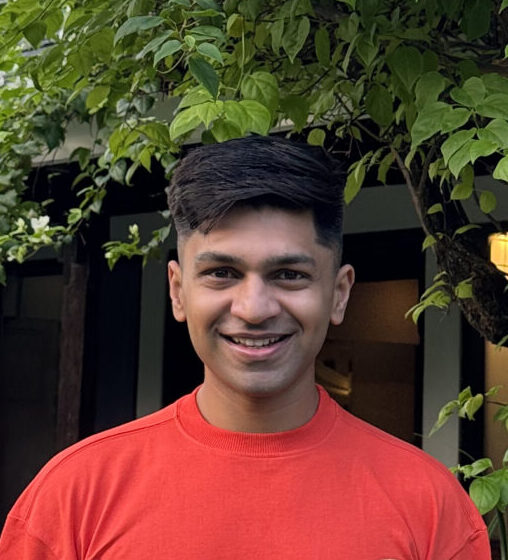
 By Tarang Bansal
I have been to about 32 countries while writing this Slovenia itinerary for Indians, and undoubtedly, Ljubljana has been the most beautiful capital city I have seen in any country, European or otherwise. I spent 4 lovely days there, and this is a short account of it.
Little about Slovenia:
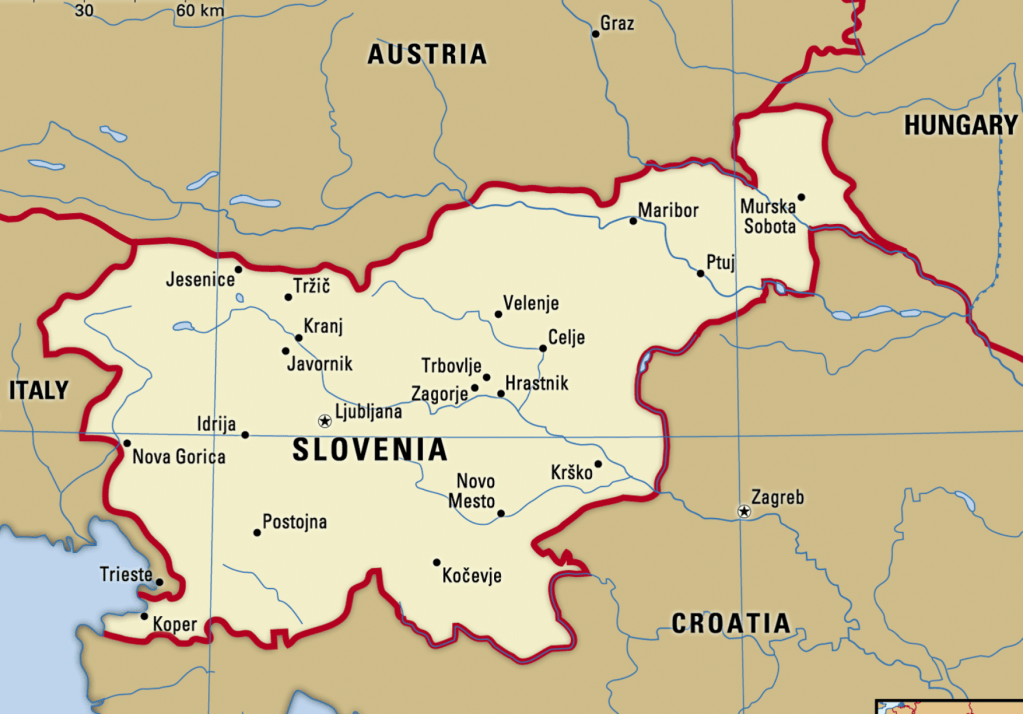
Slovenia is a small country east of Italy, south of Austria, west of Hungary, and north of Croatia, with only about 2 million people living across the country’s 20,271 sq km landmass. To put that in perspective, Bangalore alone is 741 sq km and home to 13 million people.
Key Points for Your Slovenia Itinerary
- Language: The official language is Slovenian, which uses Latin-looking characters, but no English or Romance-language speaker can actually read or understand it. That said, English is widely spoken, and I didn’t meet anyone who couldn’t communicate in it.
- Currency: The Euro is the currency, and a wireless Mastercard or Visa works almost everywhere (Diners has low acceptability). There’s no real need to carry cash.
- Flights: Slovenia’s national carrier shut operations during Covid, and the country hasn’t had an airline of its own since. Travel to and from Slovenia typically routes through a bigger country’s carrier, like Germany’s Lufthansa or Switzerland’s Swiss Air. Since not many Indians visit, there are no direct flights from India either.
- My Itinerary: 17th April – Ljubljana city | 18th April – Postojna Caves, Predjama Castle & Lake Bled | 19th April – Skocjan Caves & Piran | 20th April – Ljubljana city
- Mobile Network: I used Hotmobil, which worked across all EU countries (not Monaco or Switzerland) for 12 Euros. Their helpline is active and English-friendly, and the network held up strong across the EU. Some SIMs only work within Slovenia itself, so it’s worth confirming coverage before buying.
- City Transport: Buses are synced with Google Maps, so delays show up in real time. You can tap an NFC-enabled Mastercard or Visa, including Indian debit/credit cards, directly on the bus (1.3 Euros per trip).
- Food: Vegetarian and vegan food is easy to find with a quick Google Maps search. There are also 2-3 Indian restaurants in Ljubljana, though I didn’t try them.
- Safety: Ljubljana felt largely safe, even at night, for a solo stroll.
- Weather: April 2024 was unusually cold, it even snowed around the 14th, which is rare for the season. The sun rose around 6 am and set around 8 pm, so the days felt long.
- Intercity Travel: Taking buses to other cities within Slovenia or to neighbouring countries is easy. I’d recommend Flixbus.
- Self-Driving: Also a solid option, the roads were excellent everywhere I went. Worth reading up on the specifics before booking, though.
My Itinerary-
I travelled solo for 3 days, from 17th April 2024 to 20th April 2024. I’m a lacto-vegetarian, non-smoker, and occasional drinker, worth knowing since it shapes a few of the food and activity notes ahead.
17th April – Ljubljana City
Landed in Ljubljana from Frankfurt around noon. Took an airport bus (3.7 Euros) to the main bus station, about 40 minutes, then walked to my hostel, Sax Pub Hostel. Checked in, showered, and headed out for a stroll around the city followed by a nice meal.
Ljubljana (Pronounced: ~Lubliana)
The city’s name comes from the river running through it, narrow, almost stream-like as it enters the city centre. The Ljubljana dragon, the city’s coat of arms, watches over the famous Dragon Bridge. Thick, artistic greenery covers walls, towers, and posts throughout the city, and cafes, bars, restaurants, hotels, hostels, and footpaths line both sides of the river, making it an easy place to just wander.
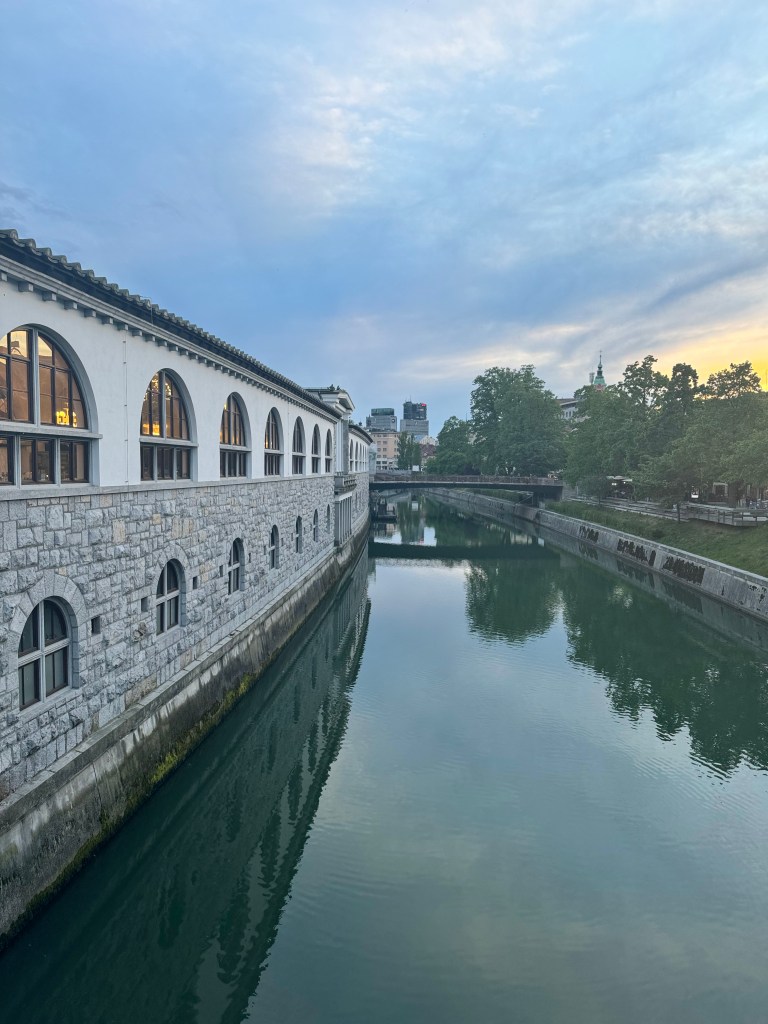
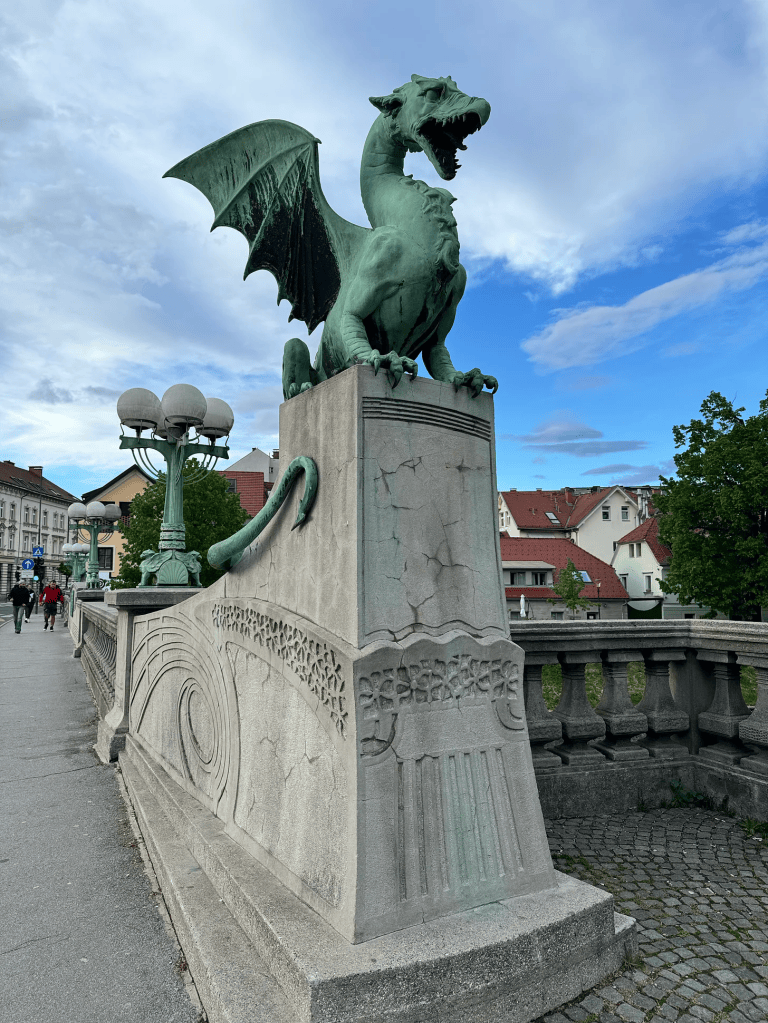
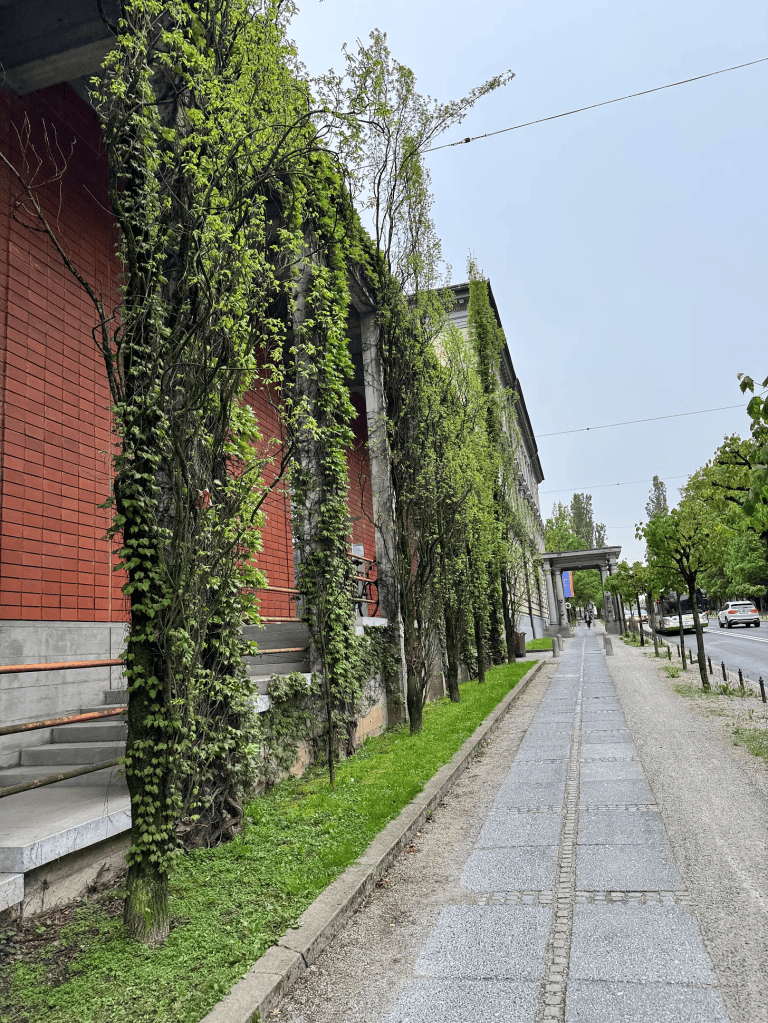
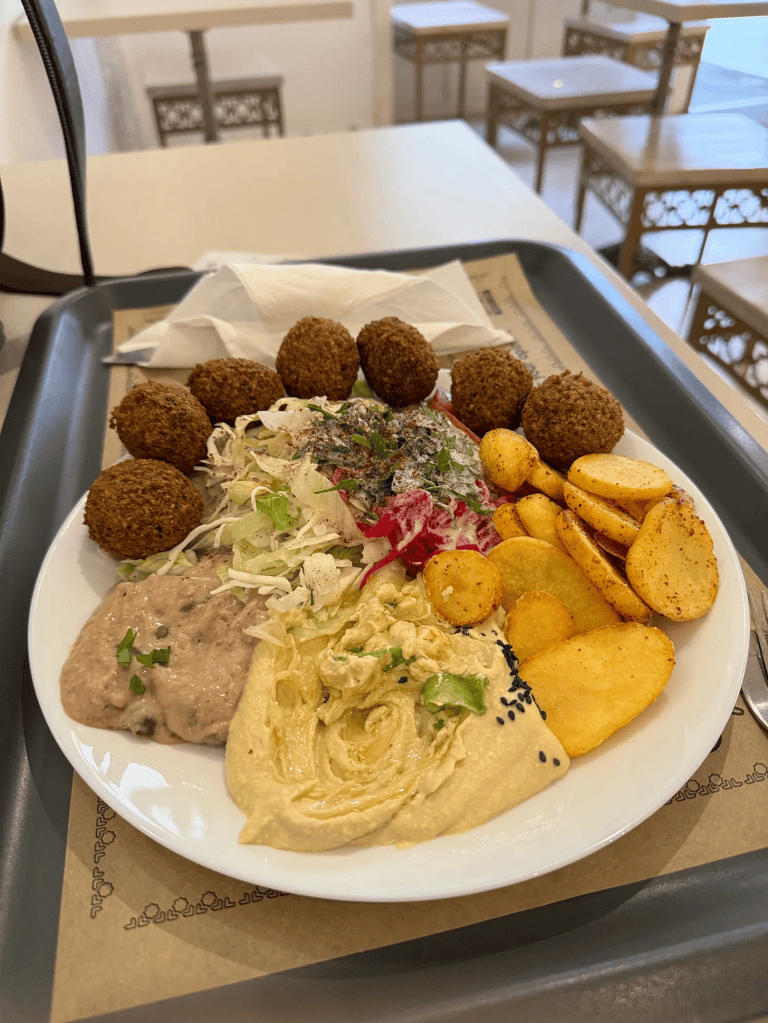
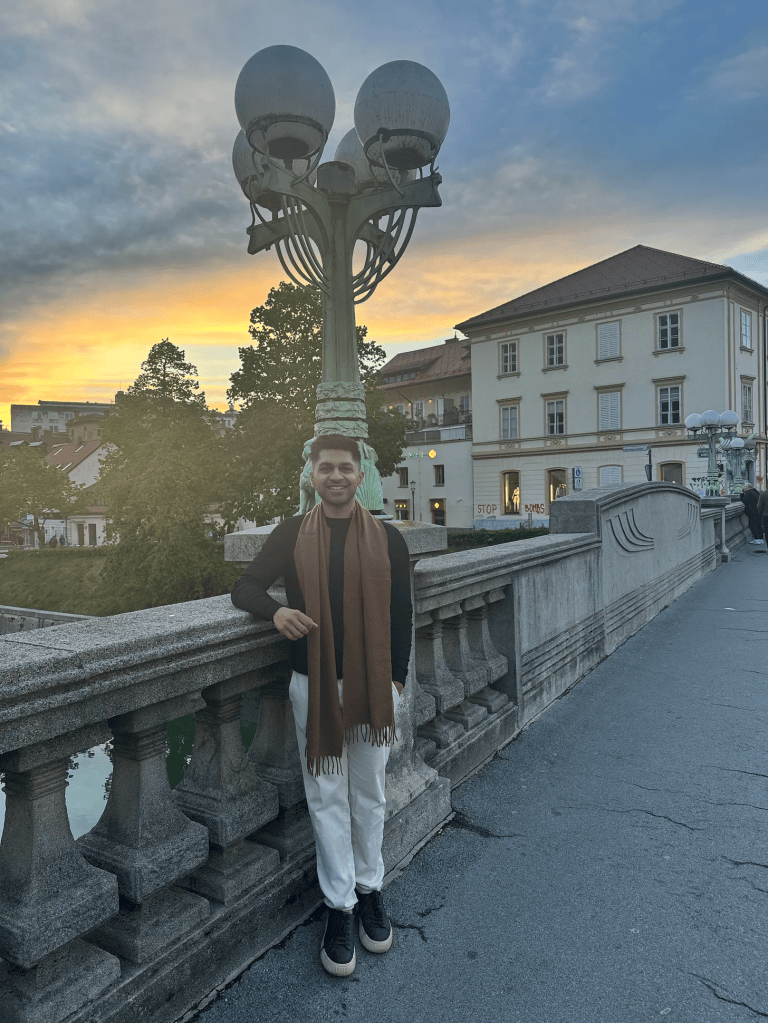
The sun set around 8 pm. Tired after a long journey from Bangalore to Frankfurt to Ljubljana, I strolled until sunset and then crashed early in my 5-sharing hostel bed, since another early start was waiting the next morning.
Day 1 rating (out of -5 to +5): +3 — A beautifully designed city, affordable by Western European standards, good public transport, lovely cafes, and English-friendly throughout. The only downside: not very internationally accessible, and no single globally iconic landmark to anchor a first visit.
18th April- Postojna Caves, Predjama Castle & Lake Bled Tour
Got up early to bathe, have a protein shake (I carried my own whey, since most protein-heavy food in Europe is meat-based), eat a light breakfast, and walk to the meeting point by 8 am. I left the hostel around 7:15 am and stopped at a cute cafe opposite the meeting point for a small vegetarian panini.
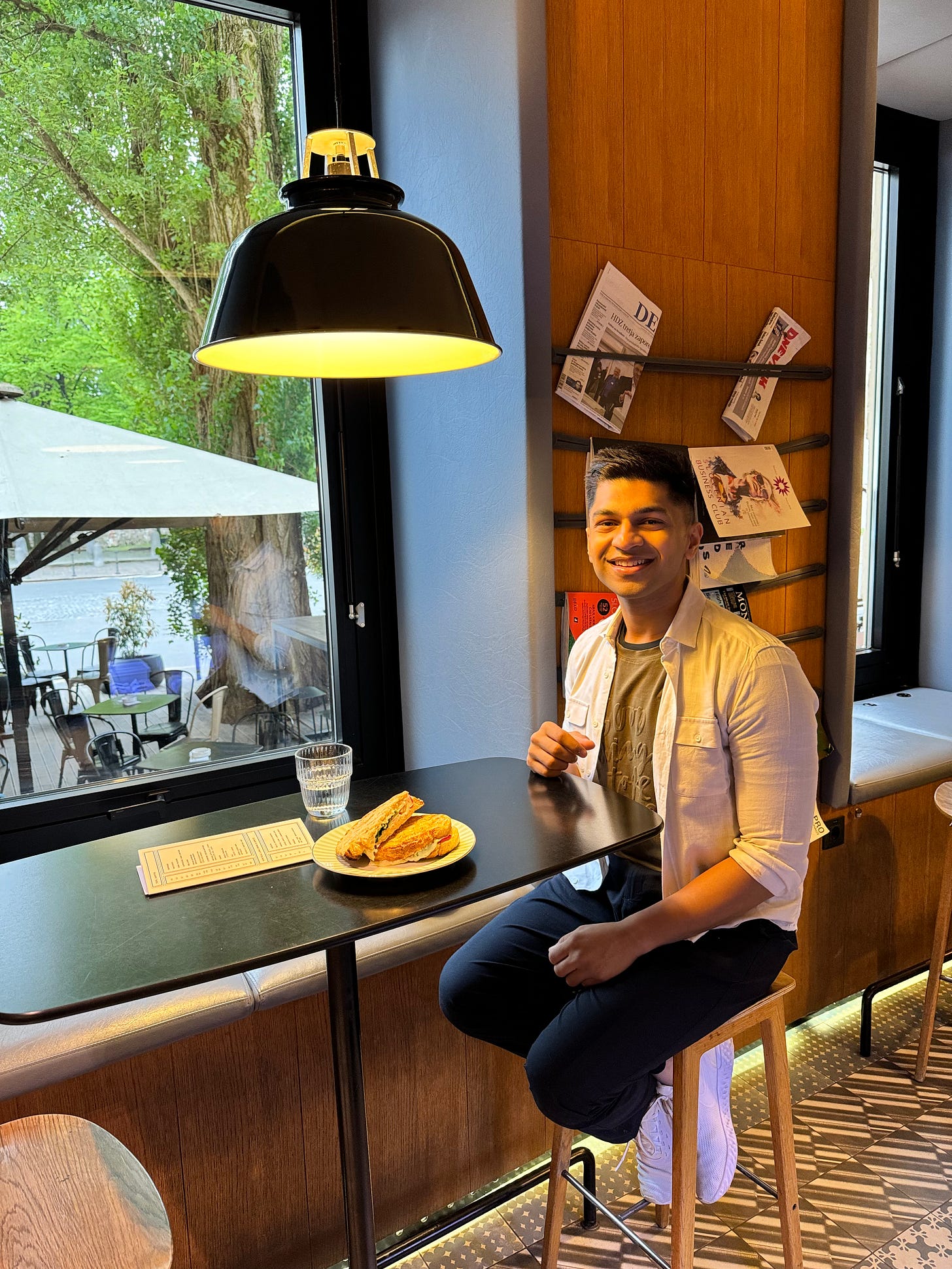
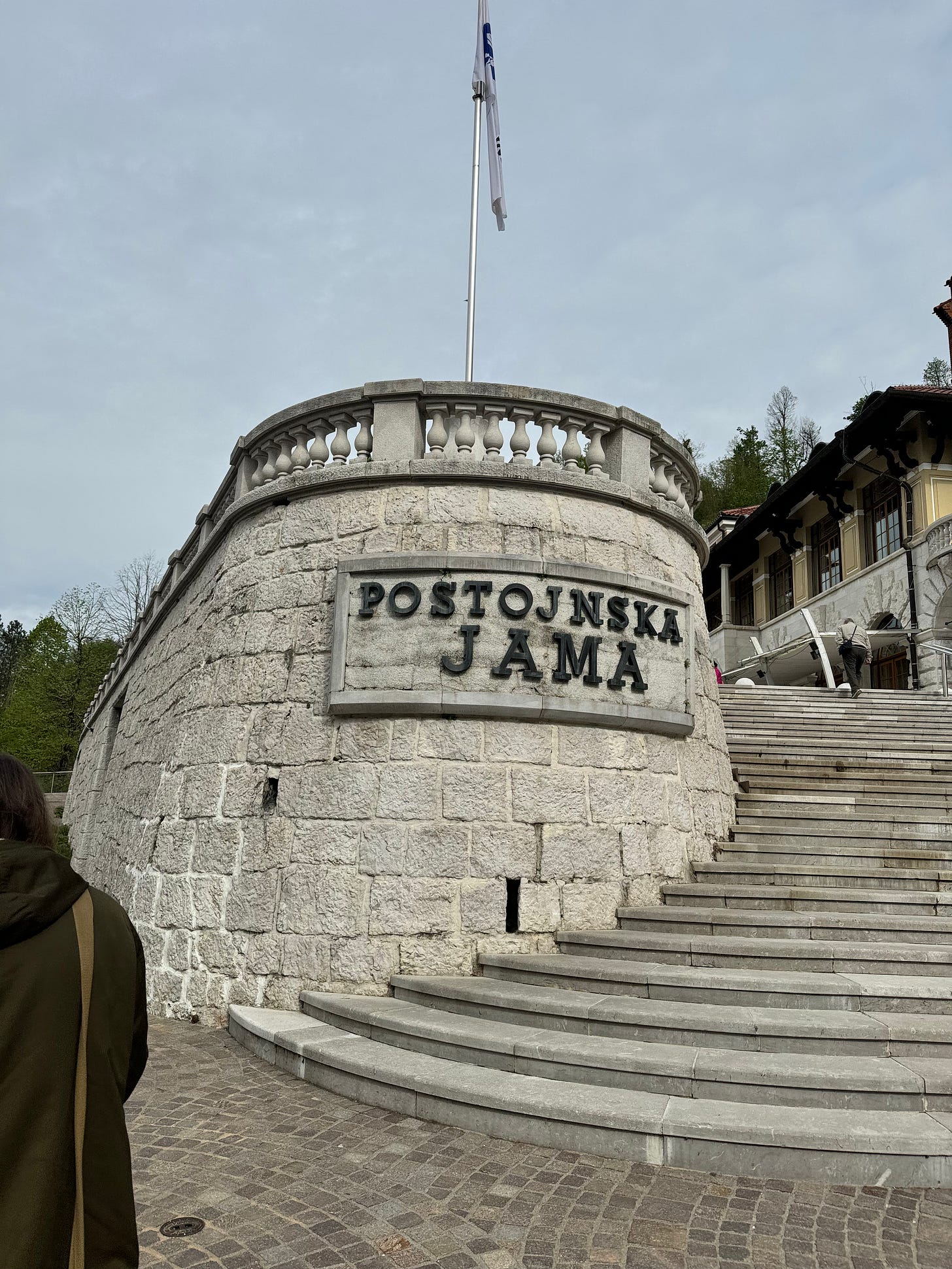
I’d booked the tour through GetYourGuide for 154 Euros, covering pickup and drop-off from Ljubljana in a 12-pax van, plus entry to Postojna Caves, Predjama Castle, and Bled Castle.
Postojna Caves-
Slovenia is small enough that Ljubljana, roughly at the country’s centre, puts nearly anywhere within a 2-hour drive on excellent highways. The Postojna Caves were about 45 minutes away.
All tours here are guided, with multiple language options (none in Indian languages, as far as I could tell), and only Postojna’s own guides are permitted, no outside tour guides allowed. The tour runs about 2 hours.
Worth knowing: Predjama Castle is close to Postojna and run by the same operator, so it’s worth visiting both together. A combined ticket at the counter works out cheaper than buying separately.
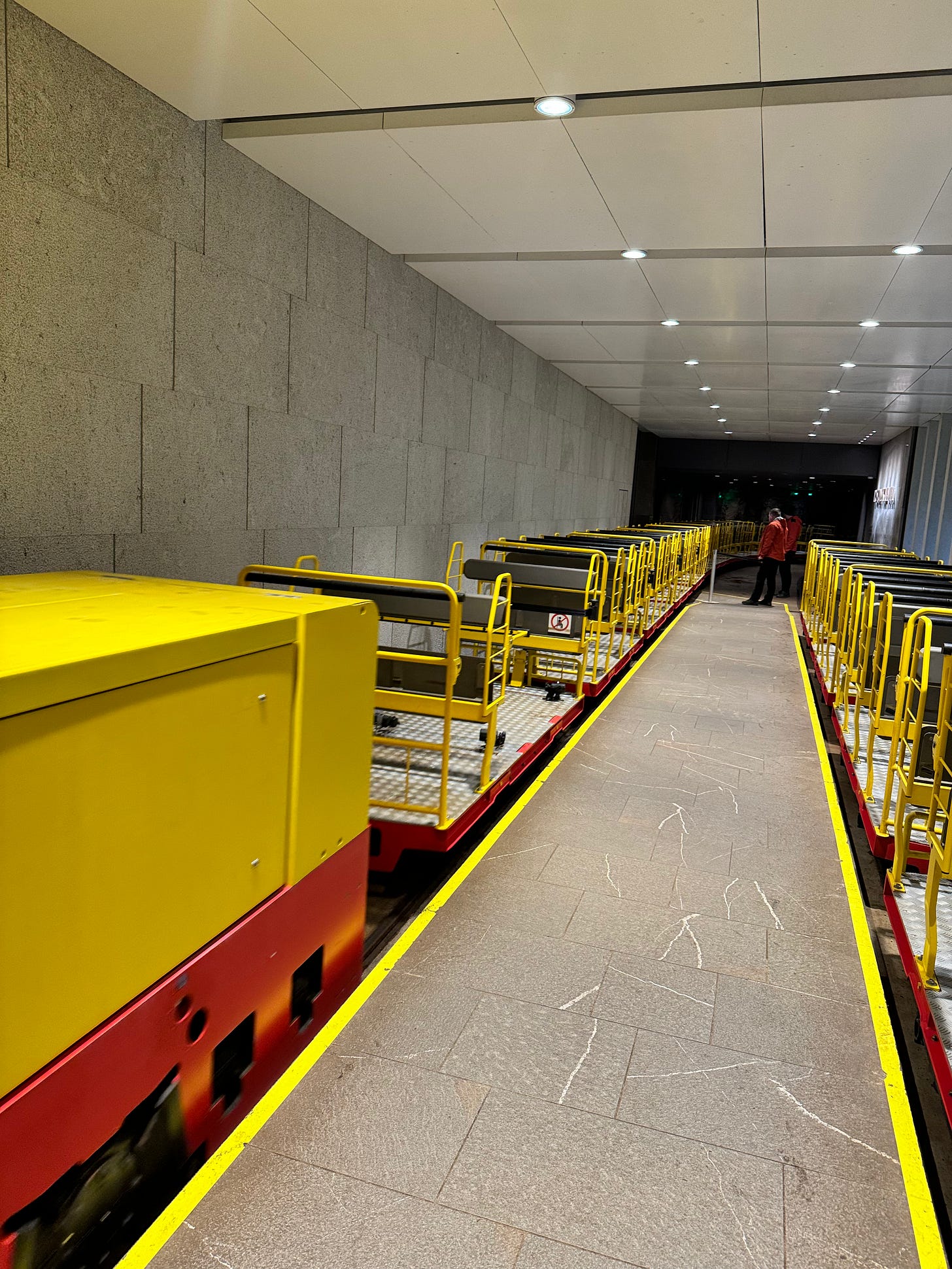
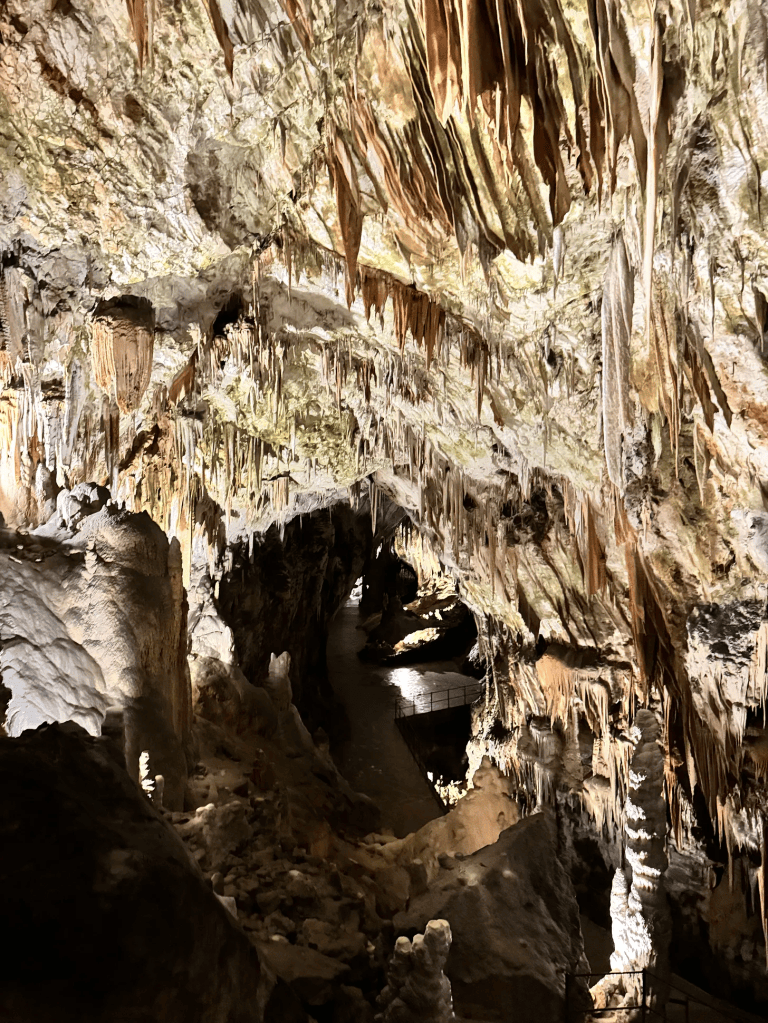
Slovenia has an extensive cave network, much of it still unexplored. Postojna itself is enormous, with a train line running several kilometres deep into its inner chambers. Once the train stops, a guide leads a group of 50-60 tourists through the cave’s architecture on foot for another 60-75 minutes.
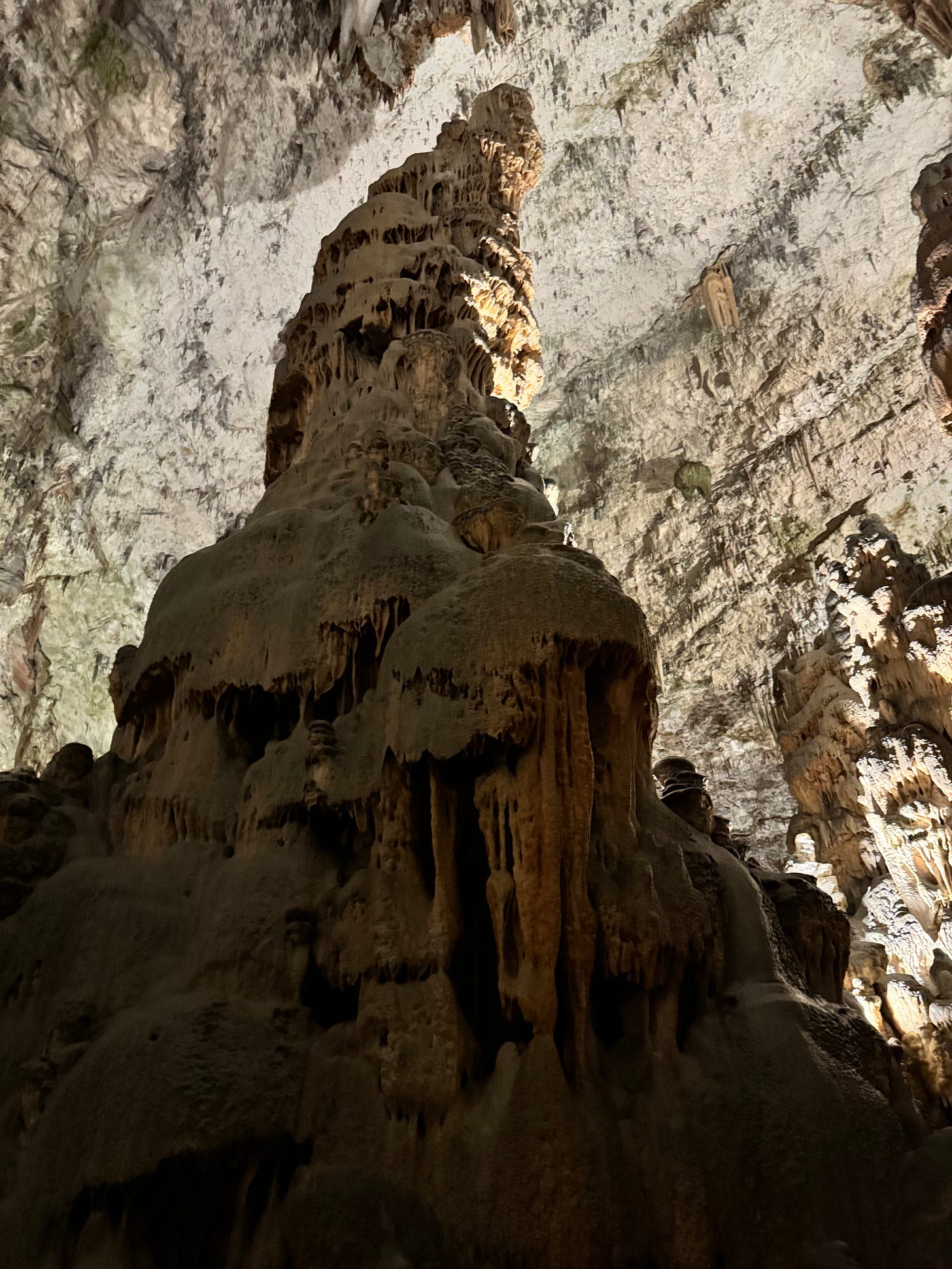
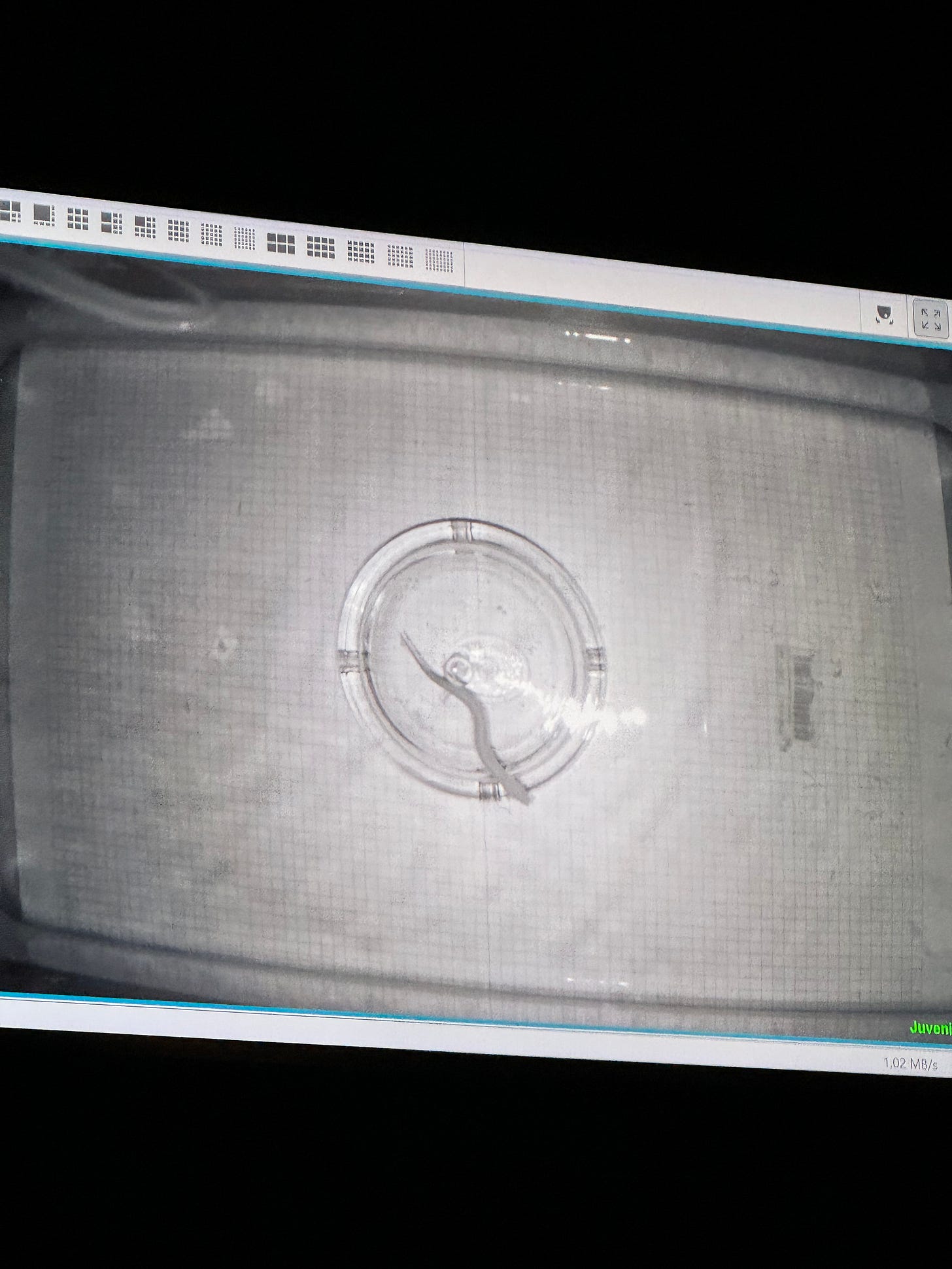
Caves have their own self-contained ecosystem. The flora and fauna that survive here, in total darkness, tend to be tiny, pale, and dependent on the cave’s internal water systems. One standout: the “Baby Dragon,” or Olm, one of the largest cave-dwelling species ever discovered and endemic to Slovenia. They’re believed to be at risk of extinction within the next 30-40 years, and a few remaining ones live in an aquarium-style enclosure near the end of the tour. Photography isn’t allowed here.
Day 2 rating, Postojna Caves: +2.5 — Excellent infrastructure (train, lighting, pathways), well-spoken guides, a well-paced visit, and genuine excitement at seeing a soon-to-be-extinct species up close. That said, despite the scale, it still felt broadly similar to other major caves I’d visited elsewhere, like Werfen in Austria or several in Vietnam.
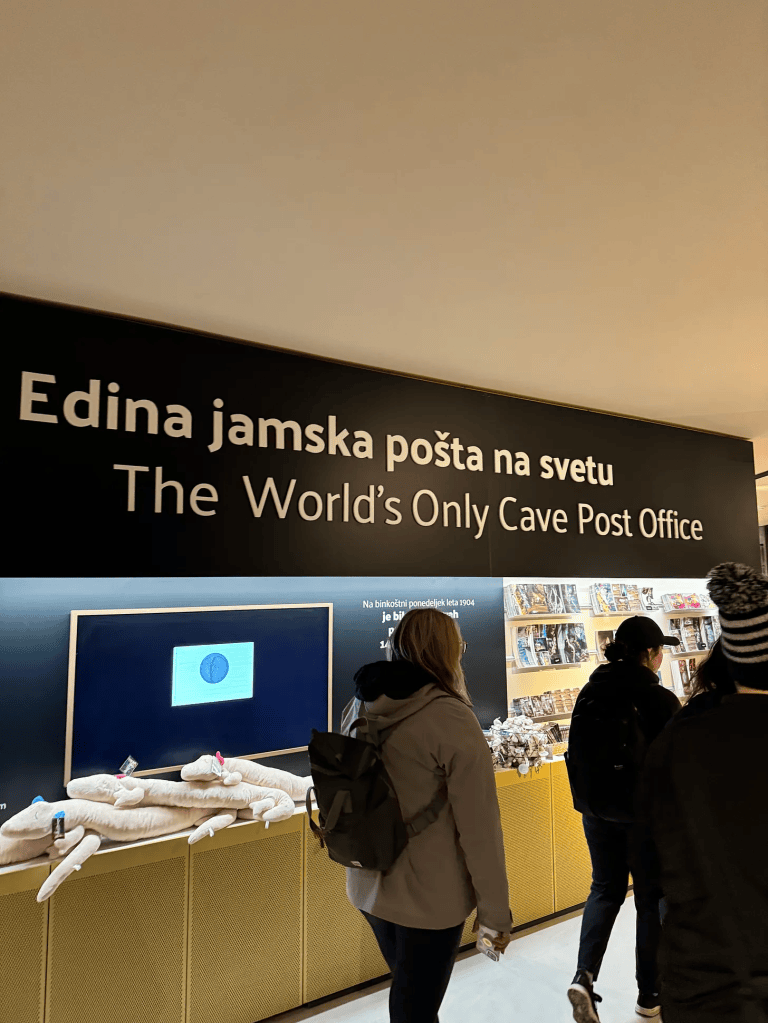
Predjama Castle
Unlike most castles built atop a hill, Predjama is built directly into one, with the hill itself forming one wall of the structure. A hidden route inside the hill leads out to a remote opening beyond the castle, historically used by inhabitants to smuggle in food and supplies during sieges.
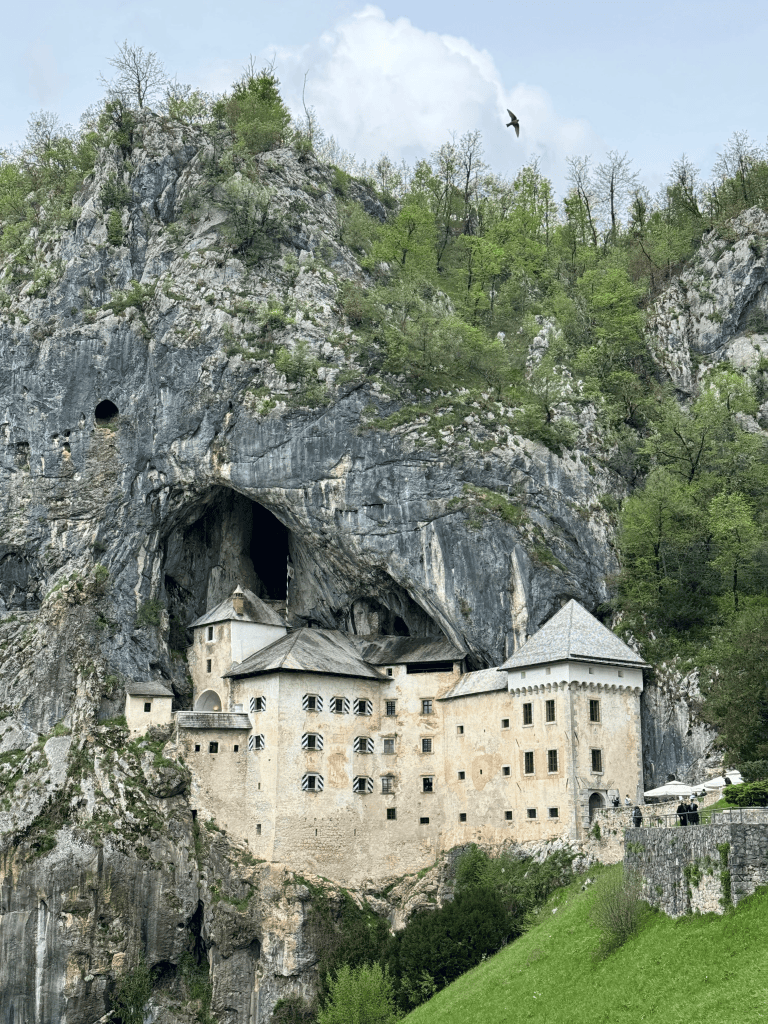
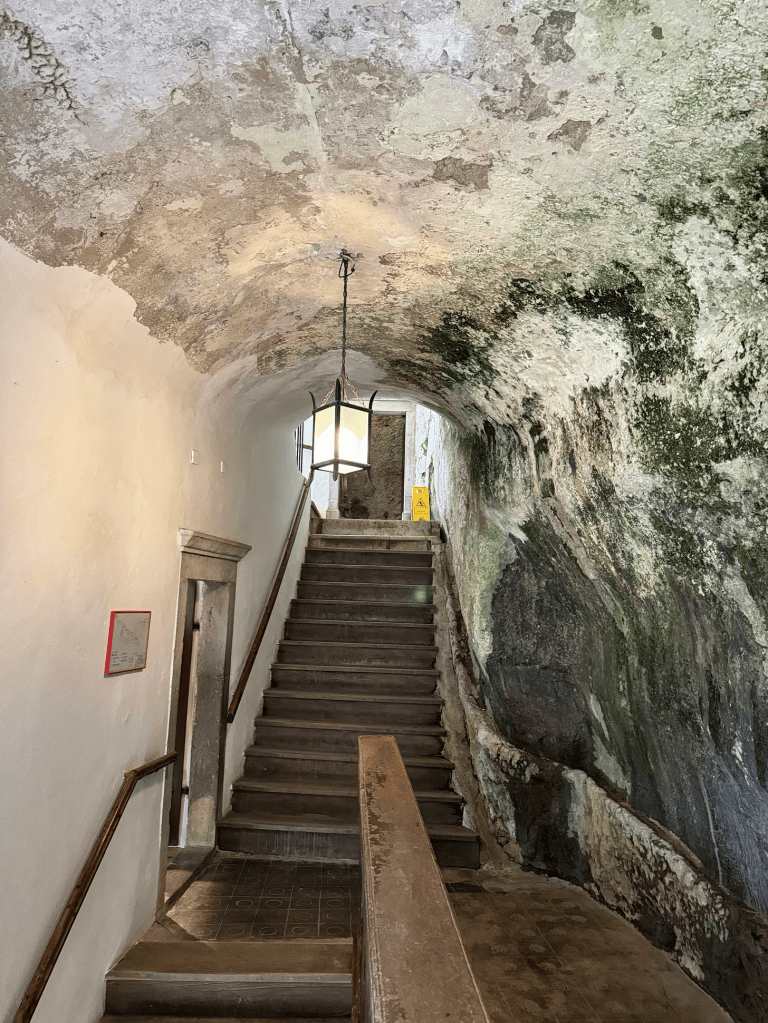
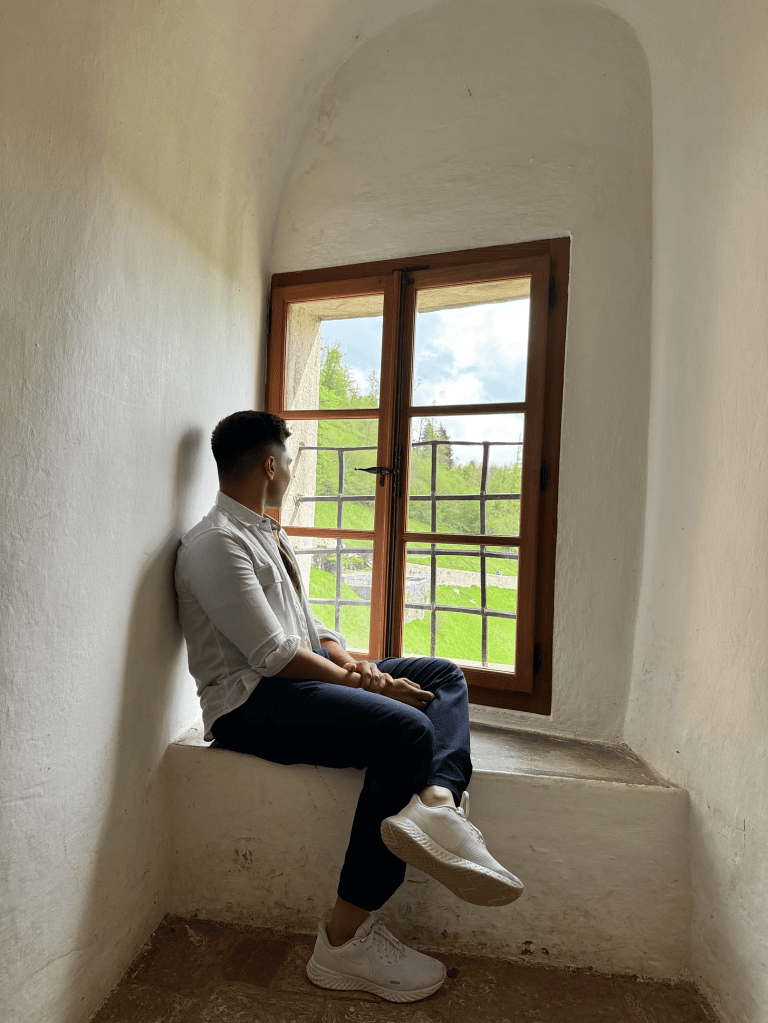
The castle isn’t large, which works in its favour, keeping the visit tight rather than tedious. Its audio guide system is excellent: dozens of tap points throughout the castle trigger the history of that specific room as you stand in it. The self-guided tour takes about 45 minutes.
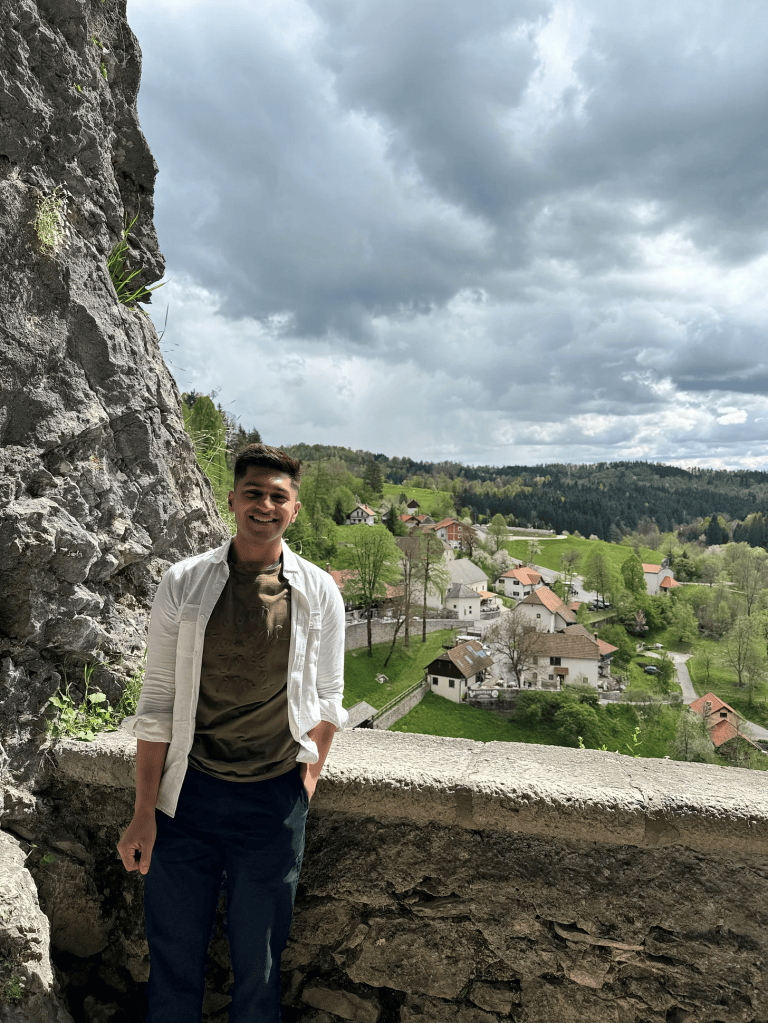
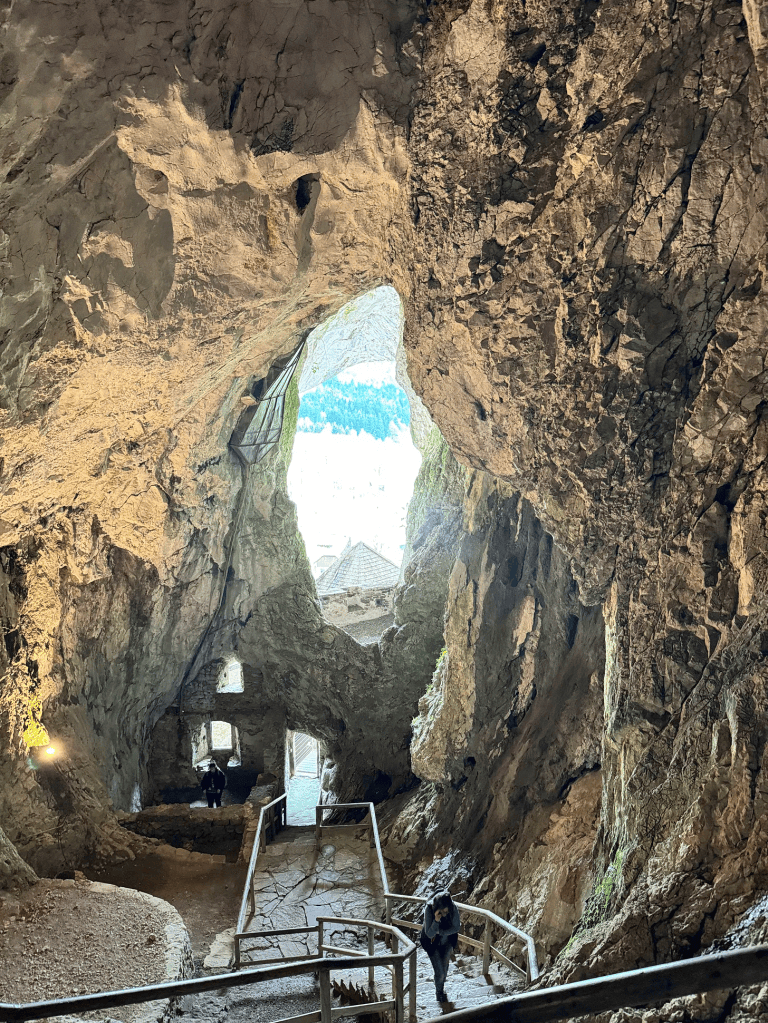
Lunch afterward was creamy, cheesy spaghetti at a restaurant just outside the castle grounds.
Day 2 rating, Predjama Castle: +2 — Simple inside, even the small master bedroom doesn’t feel particularly royal, but the exceptional audio guide and the views from various points within this uniquely built castle elevate the experience well beyond what the interior alone offers.
Lake Bled & Bled Castle-
Lake Bled is the single most-searched tourist spot in the country, and it’s easy to see why: striking blue water, ducks, a few swans, and people rowing, kayaking, SUPing, and paddle-boating throughout the day. It took just over an hour to reach from Predjama.
Bled Castle sits right beside the lake, and a tiny island in the middle holds a small church. Lake access itself is free, but the castle, the boat ride to the island, and the church entry are each priced around 15-20 Euros. My package included castle entry, but I skipped the island and instead walked the full loop around the lake, about 90 minutes covering 6 km.
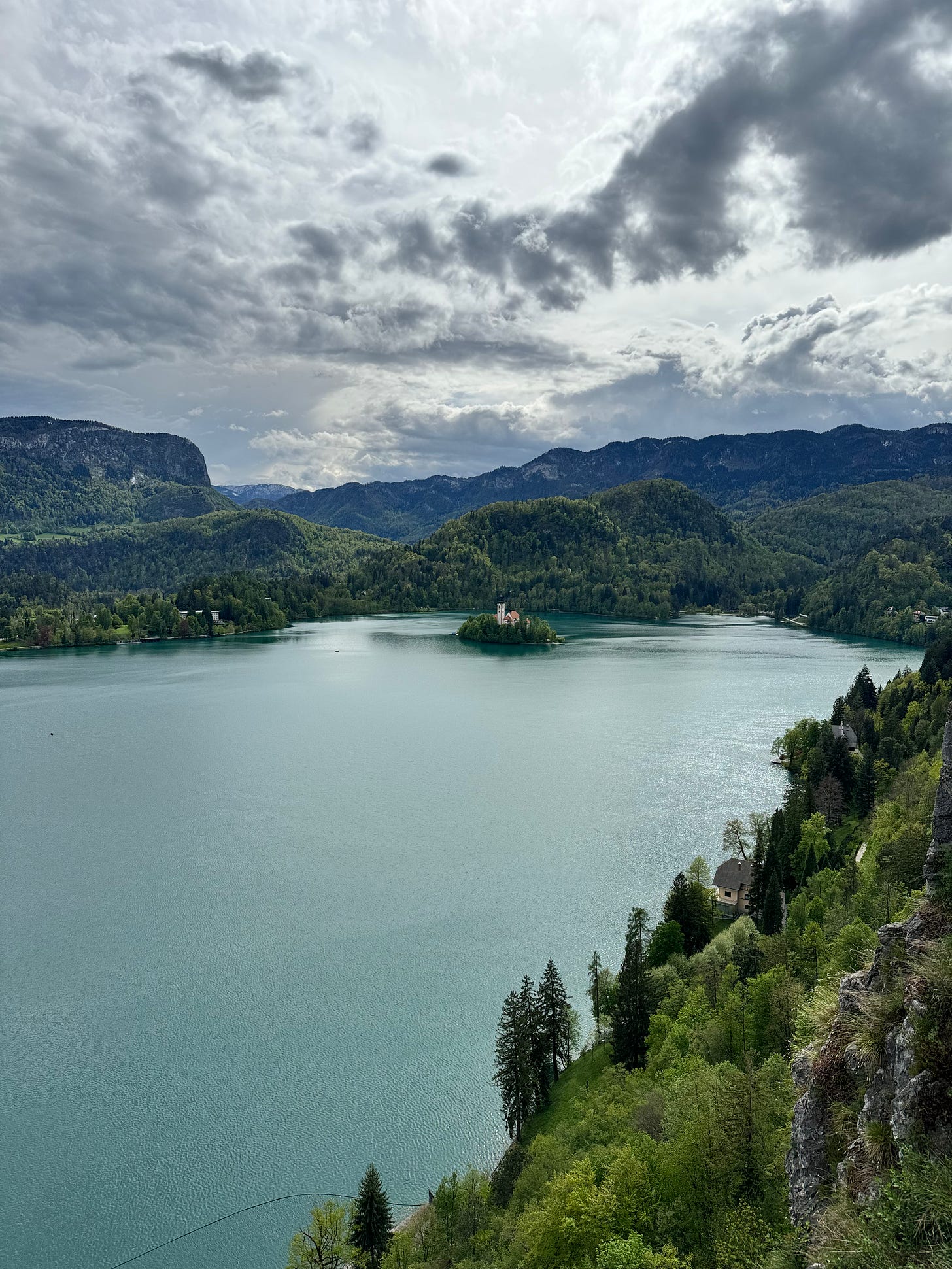
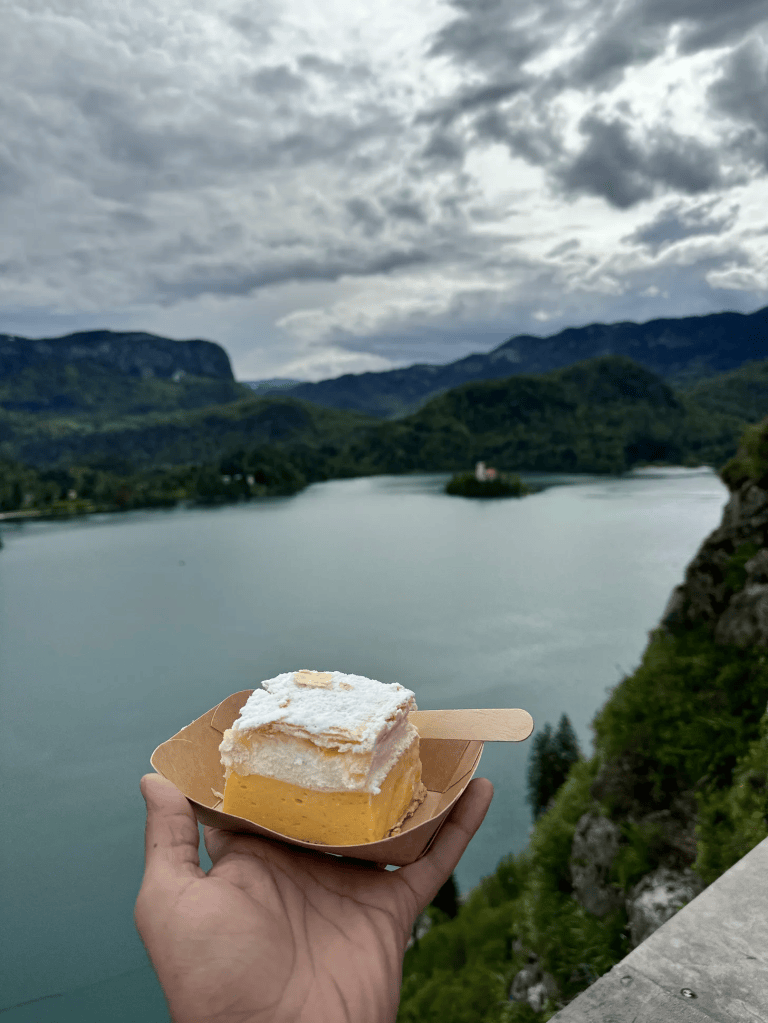
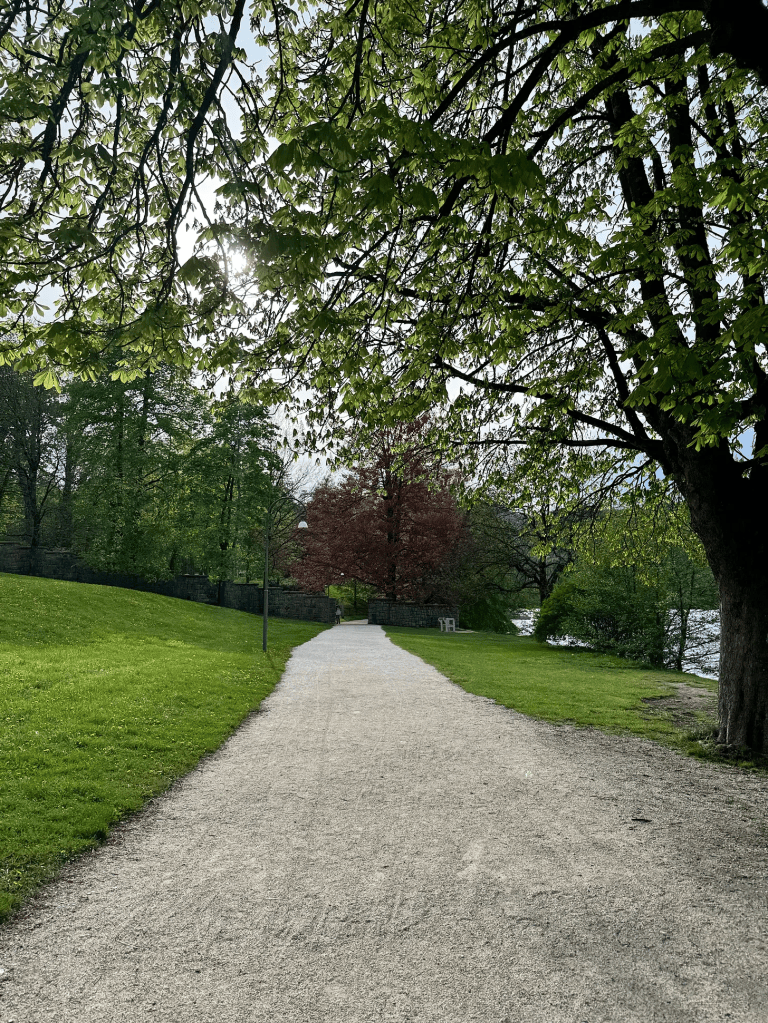
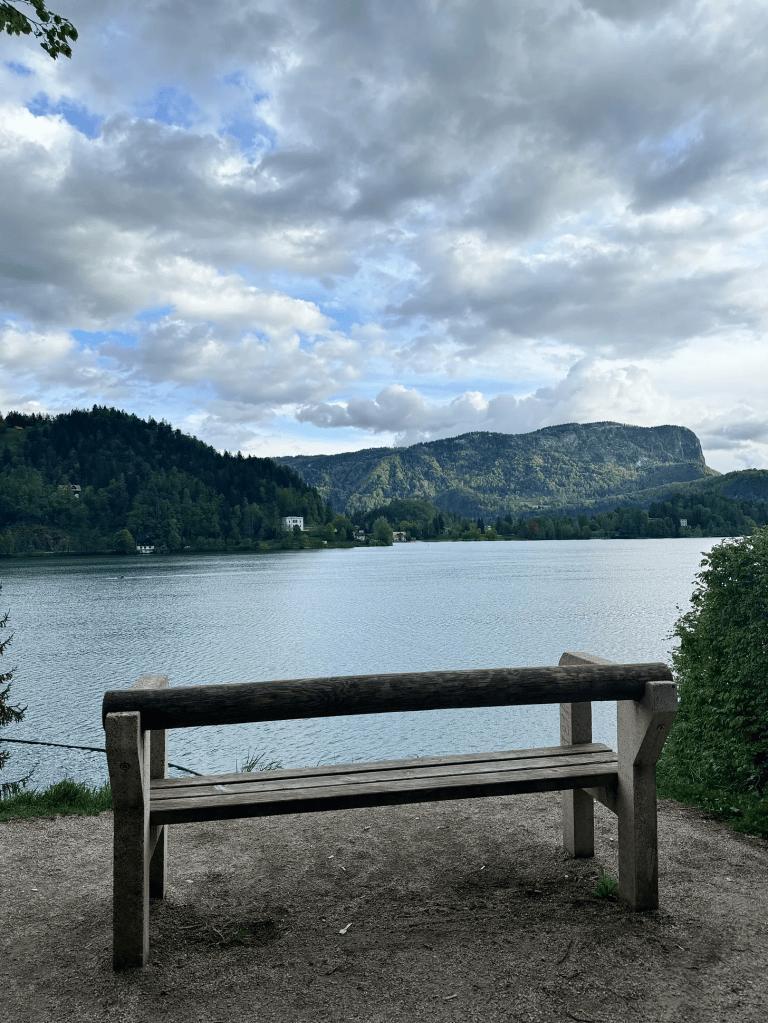
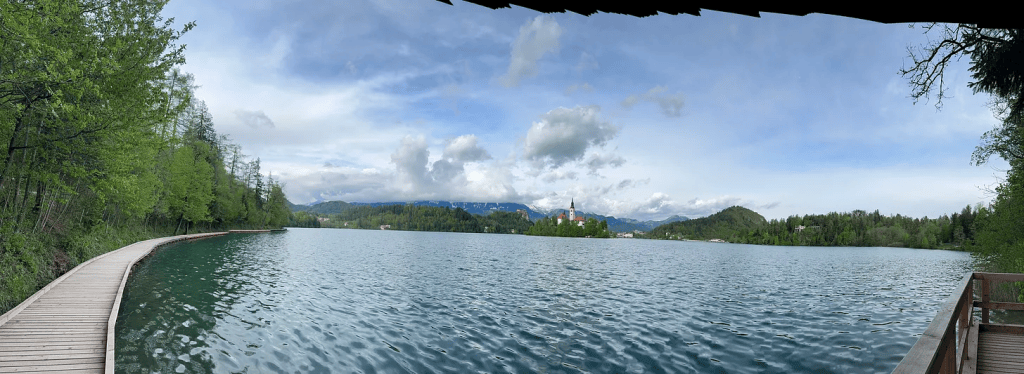
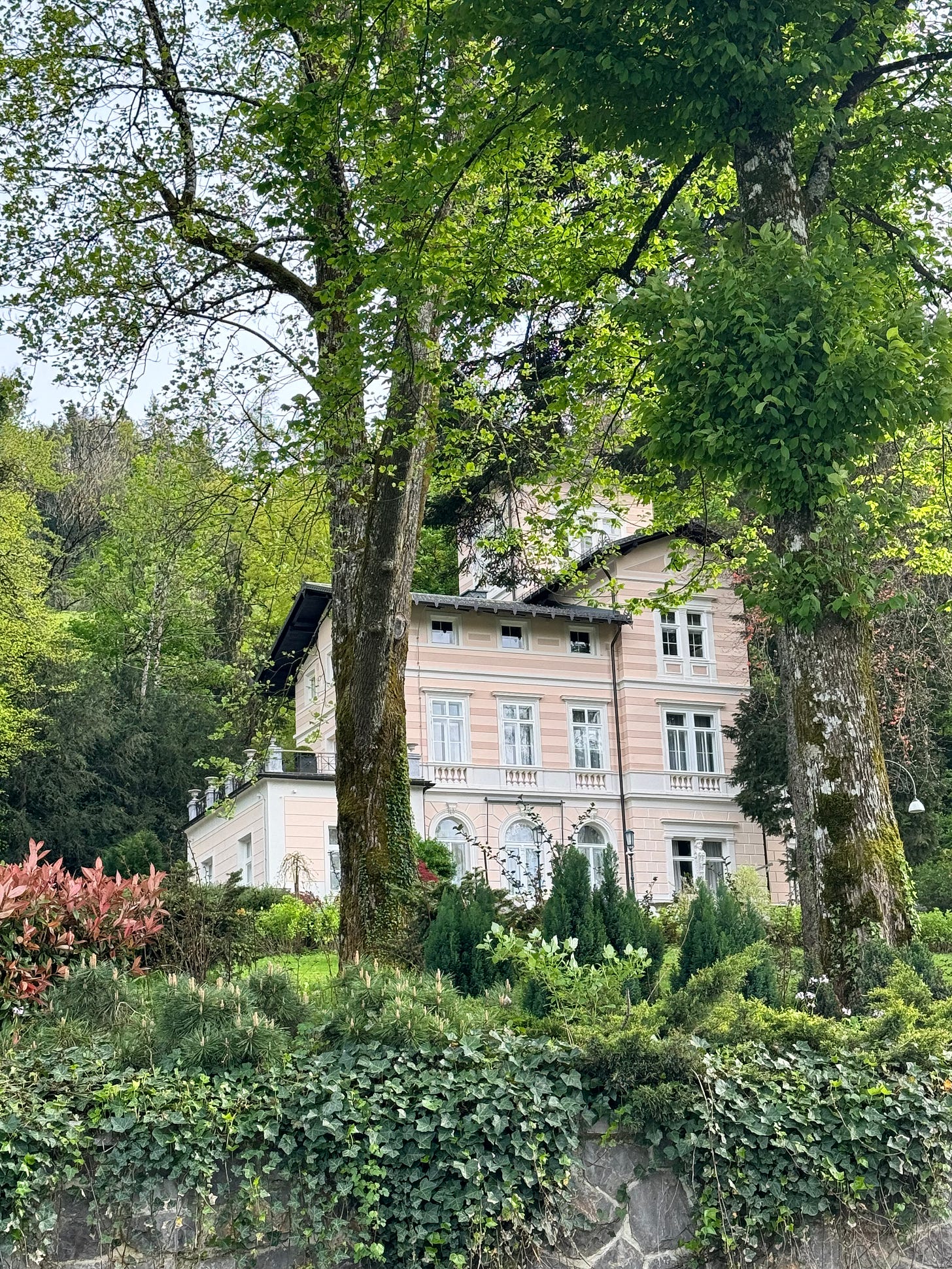
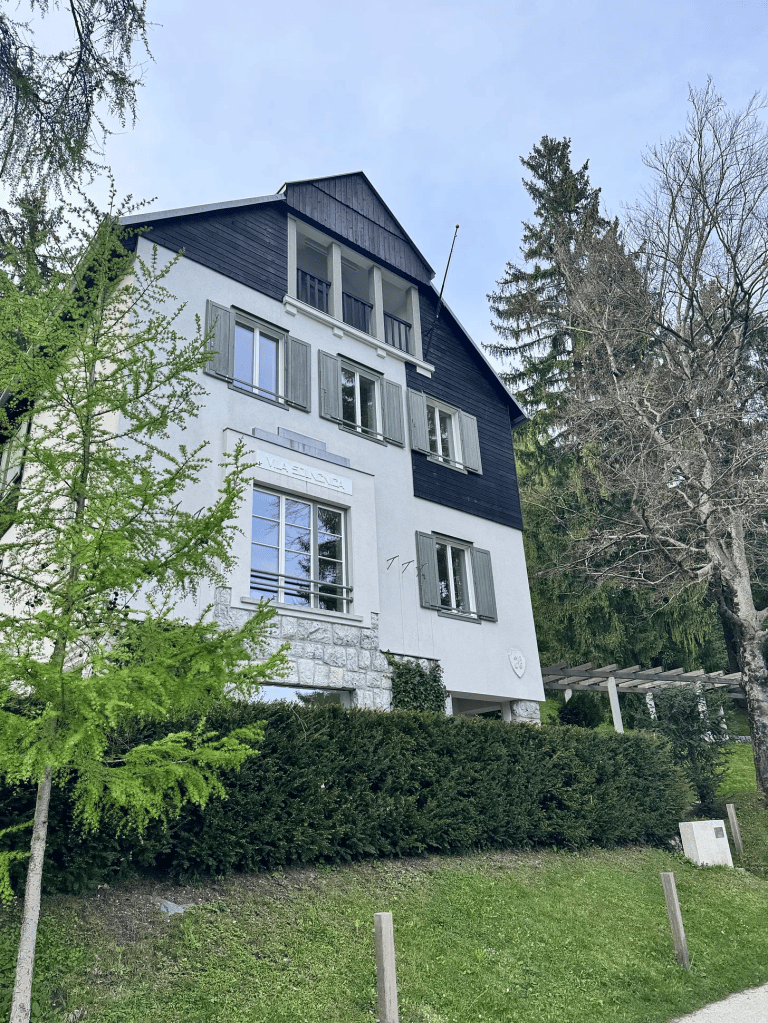
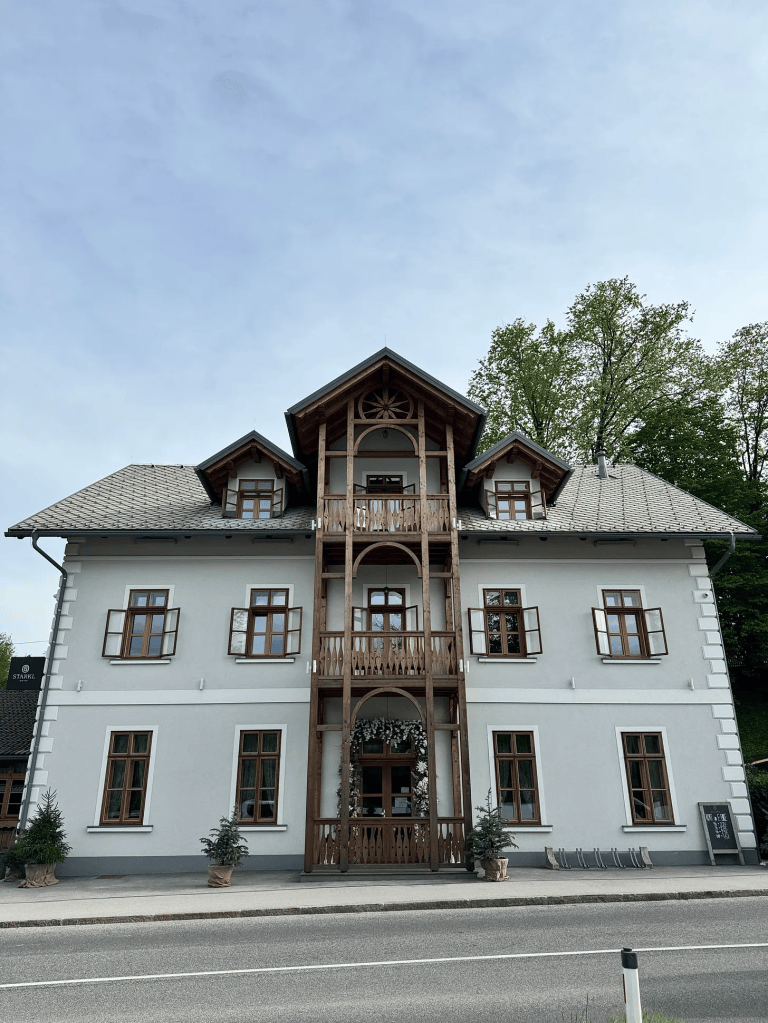
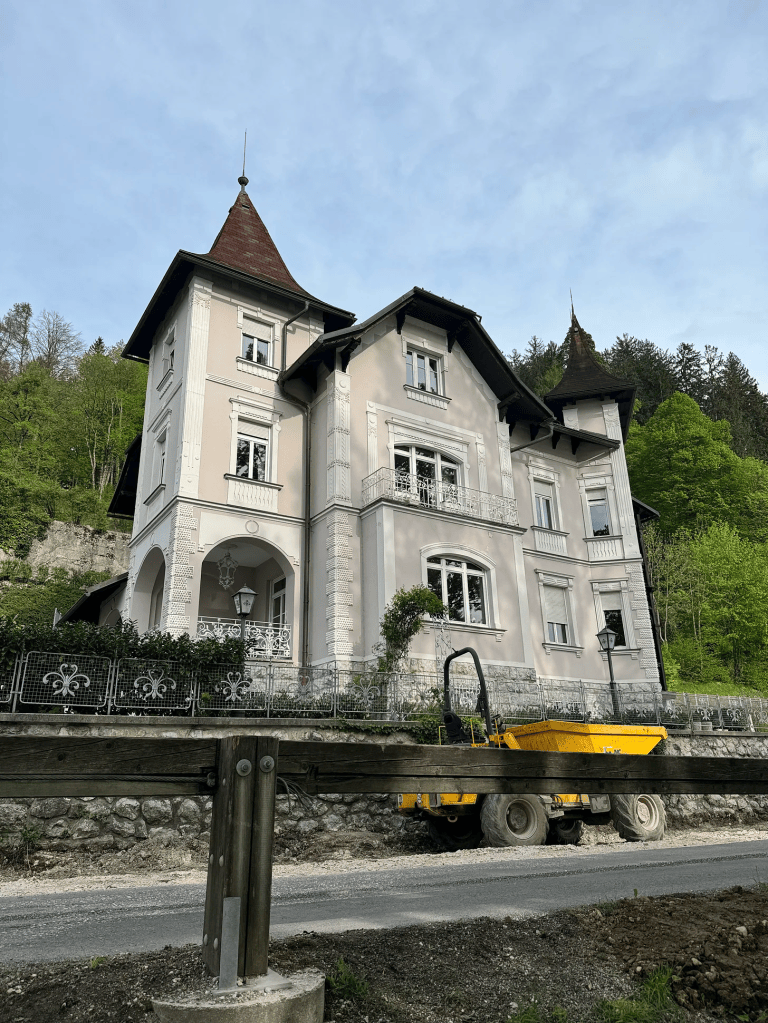
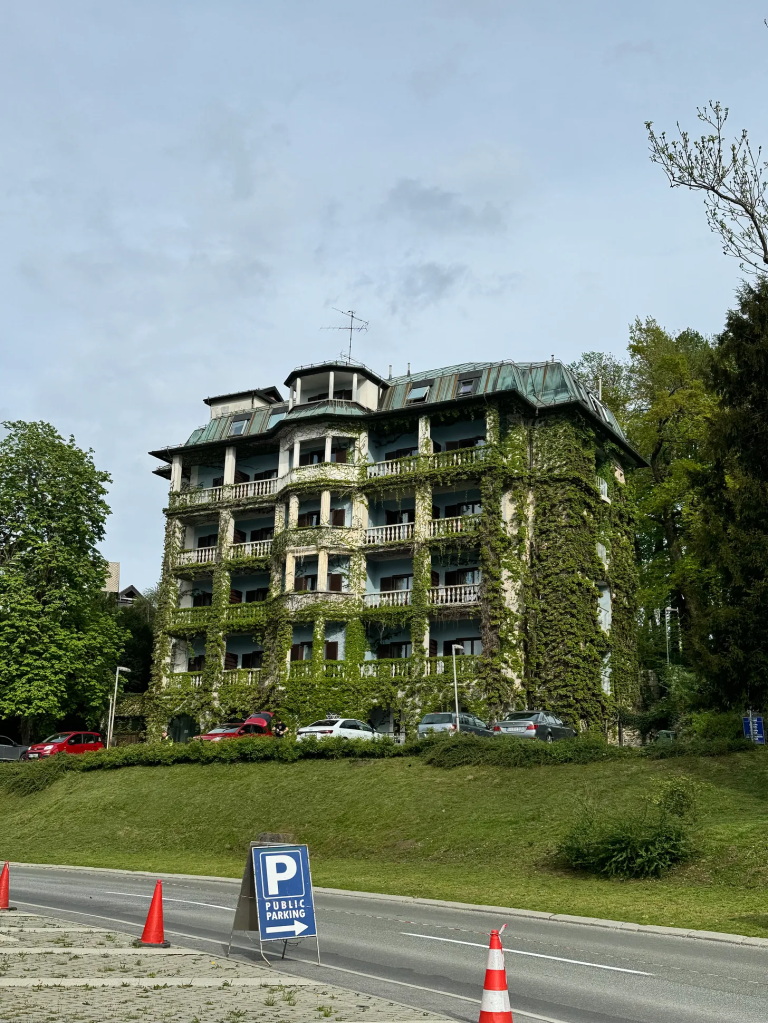
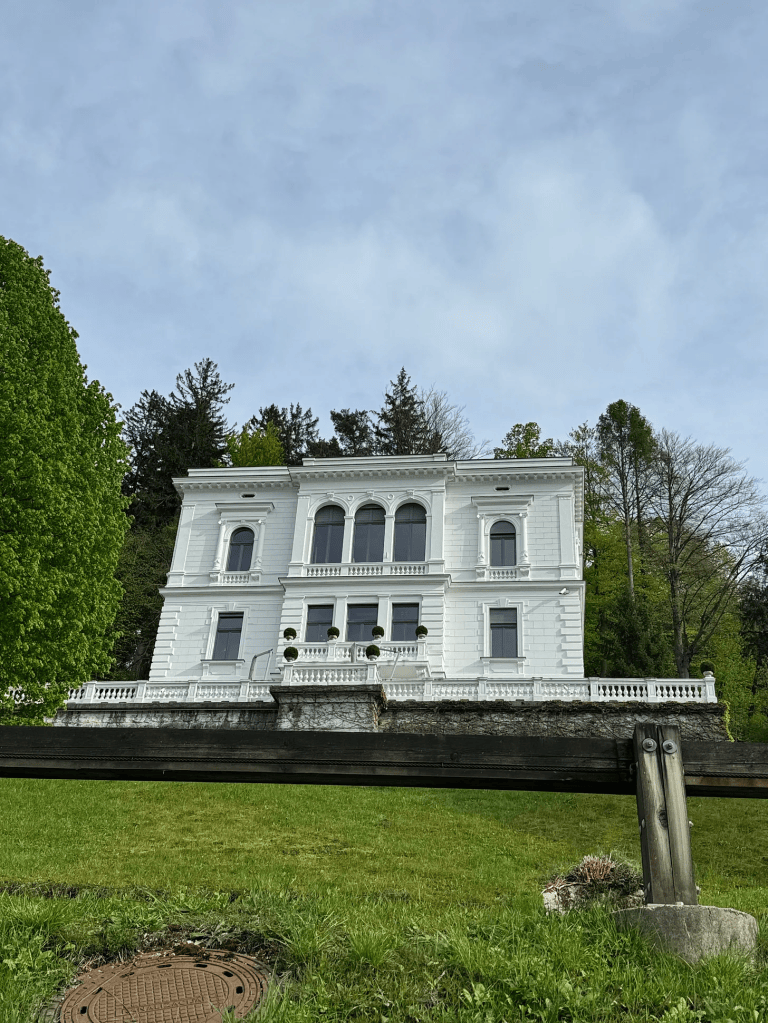
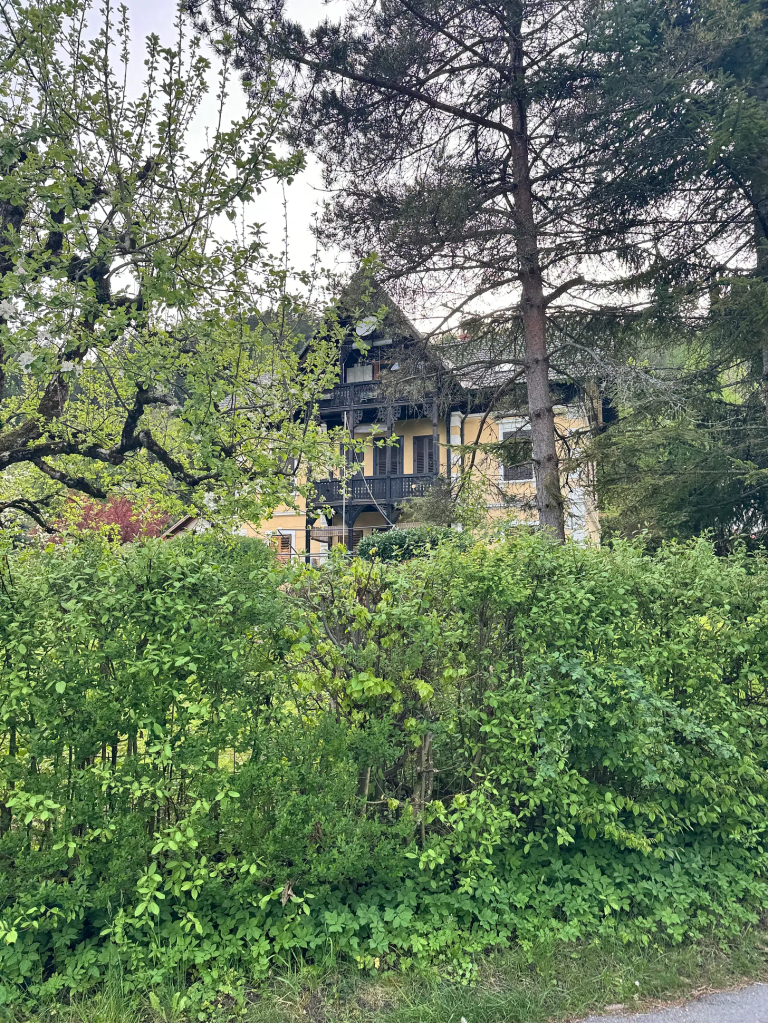
Along the way, I passed several beautiful lakeside houses, some likely converted into hotels or BnBs now. Had I not based myself in Ljubljana, staying right on the lake would have been tempting.
Day 2 rating, Lake Bled: +3.5 — Genuinely beautiful, both the water and the trail around it. Uncrowded, clean, and green throughout. The views from Bled Castle were calming, though the castle itself didn’t offer much beyond that. One frustration: the island church charges its own entry fee on top of an already-paid ferry ride out to it.
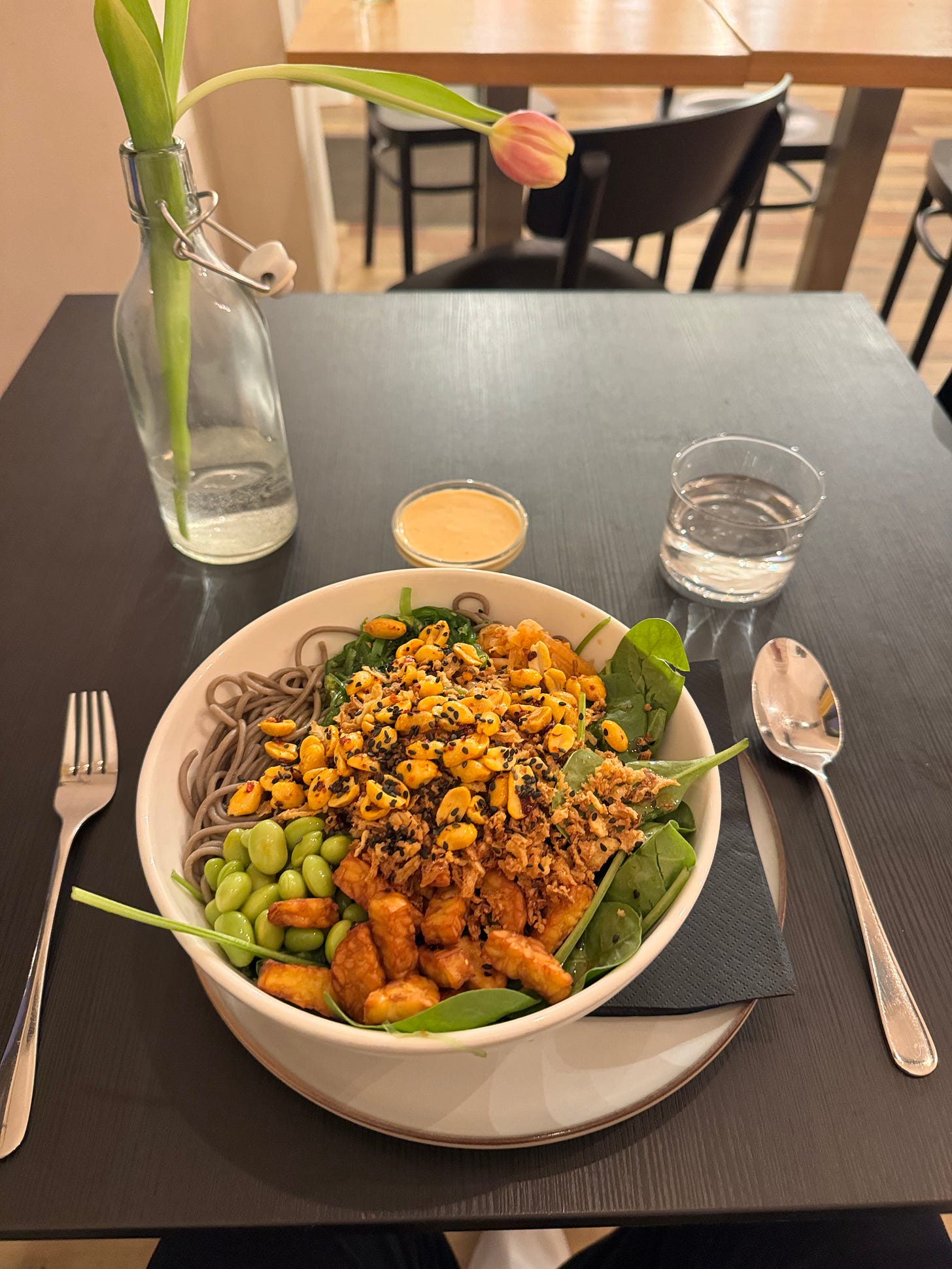
We returned to Ljubljana in under an hour. Dinner was a lovely vegan bowl near the hostel, followed by an early night at 8:30 pm ahead of another long day. Our guide throughout the day was excellent; tipping is accepted, though my instinct (build the tip into the upfront cost, don’t ask for it after) meant I didn’t tip in the moment, you’re welcome to make a different call.
19th April- Skocjan Caves & Piran
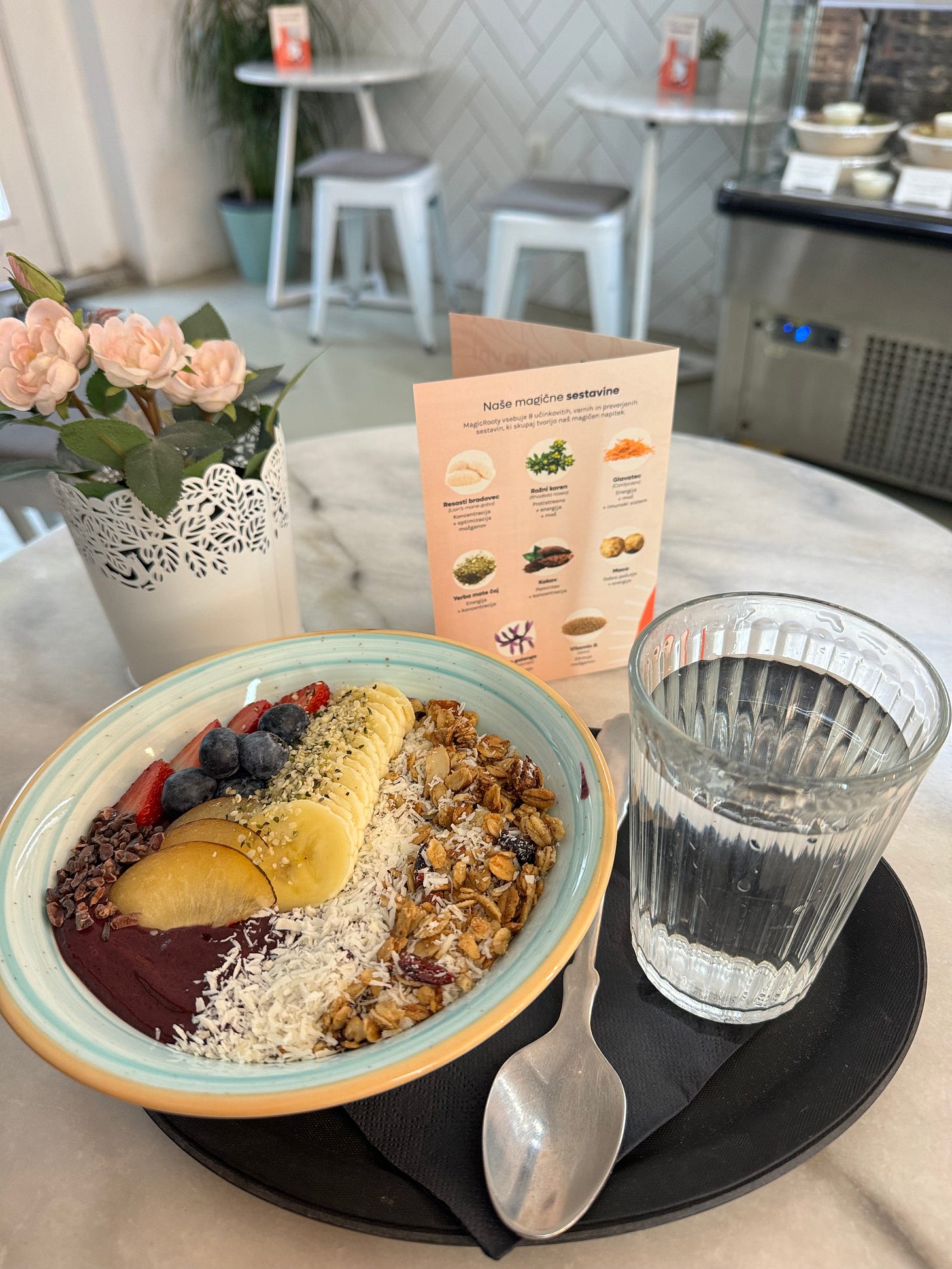
Booked this full tour through Viator for about 105 Euros, plus 18 Euros for Skocjan entry. Same early routine, bathe, protein shake, breakfast on the go, then a walk to the meeting point. Breakfast this time was a genuinely tasty blueberry smoothie bowl.
Another 12-pax van, this time with a female guide-cum-driver, not something you’d typically see back home. She was sharp, knowledgeable, and an excellent driver, and again I wanted to tip but didn’t. The drive to Skocjan took about an hour.
Skocjan Caves-
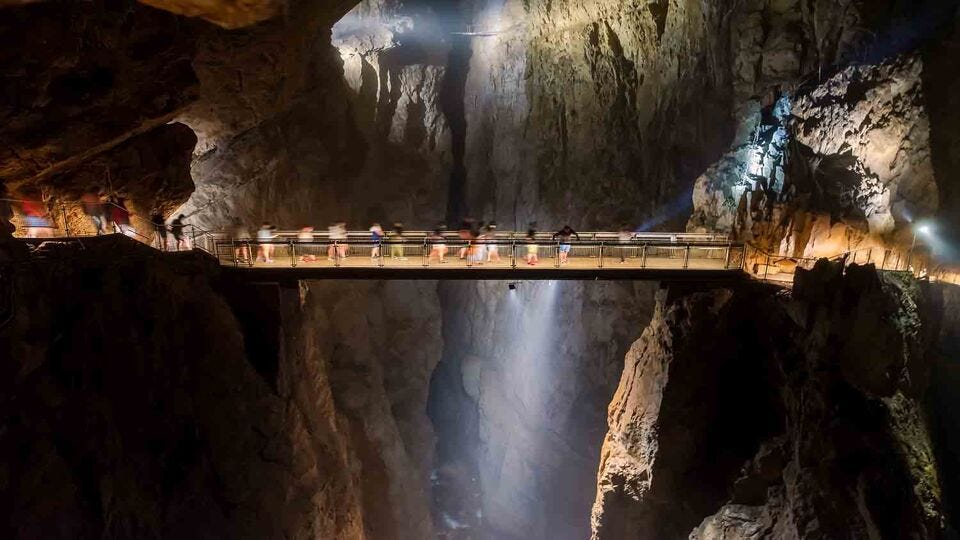
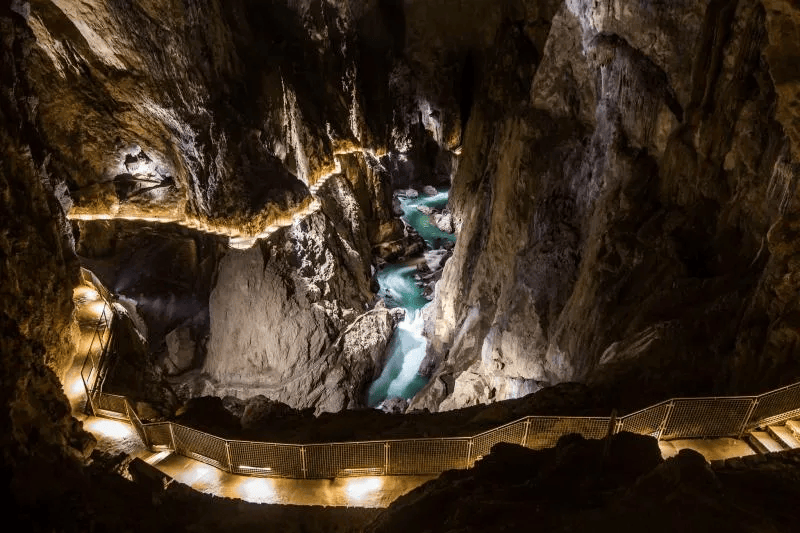
Where Postojna is known for its stalactites, stalagmites, the underground train, and the Baby Dragon, Skocjan is a different kind of impressive: pure scale. Photography isn’t permitted here either, but the experience itself was thrilling, walking along secured edge-paths with a river visible hundreds of metres below, crossing a bridge to the chamber’s far side. The scale of the cave makes everything in the outside world feel small by comparison. The tour runs about 90 minutes.
Day 3 rating, Skocjan Caves: +2.5 — A well-paced tour through genuinely awe-inspiring chambers, with stunning lighting in the main cavern. My only wish: that photography were allowed, and that the site offered different trail options for visitors with different interests, since it felt like there was more of the cave left unexplored by the standard route.
Piran
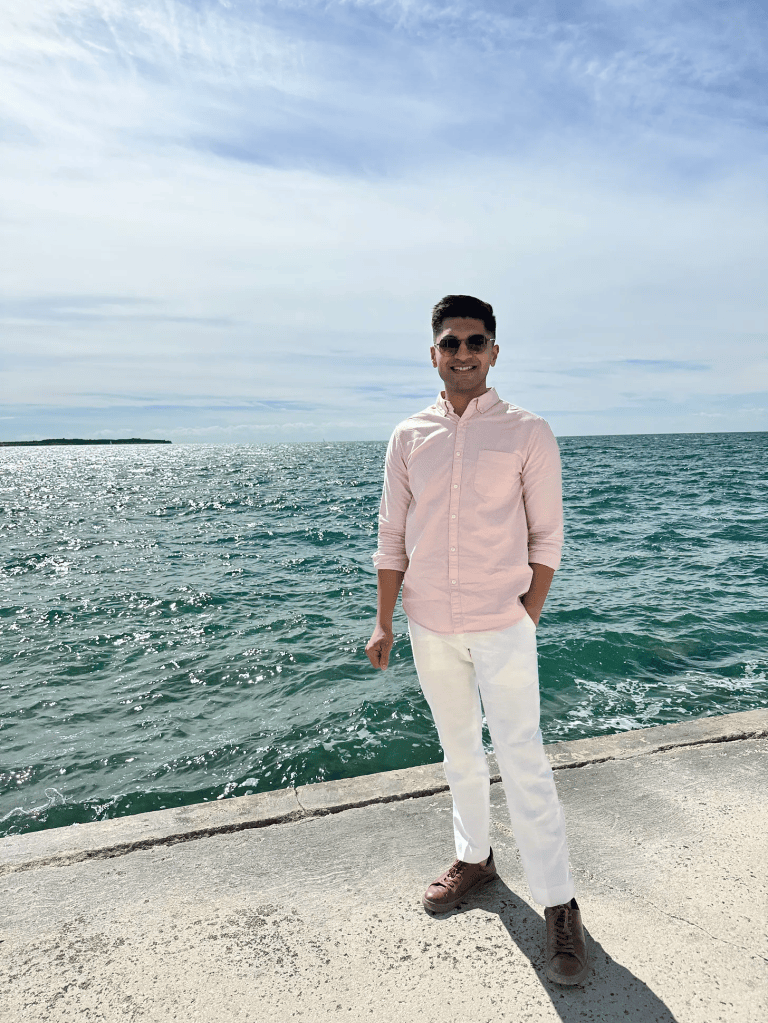
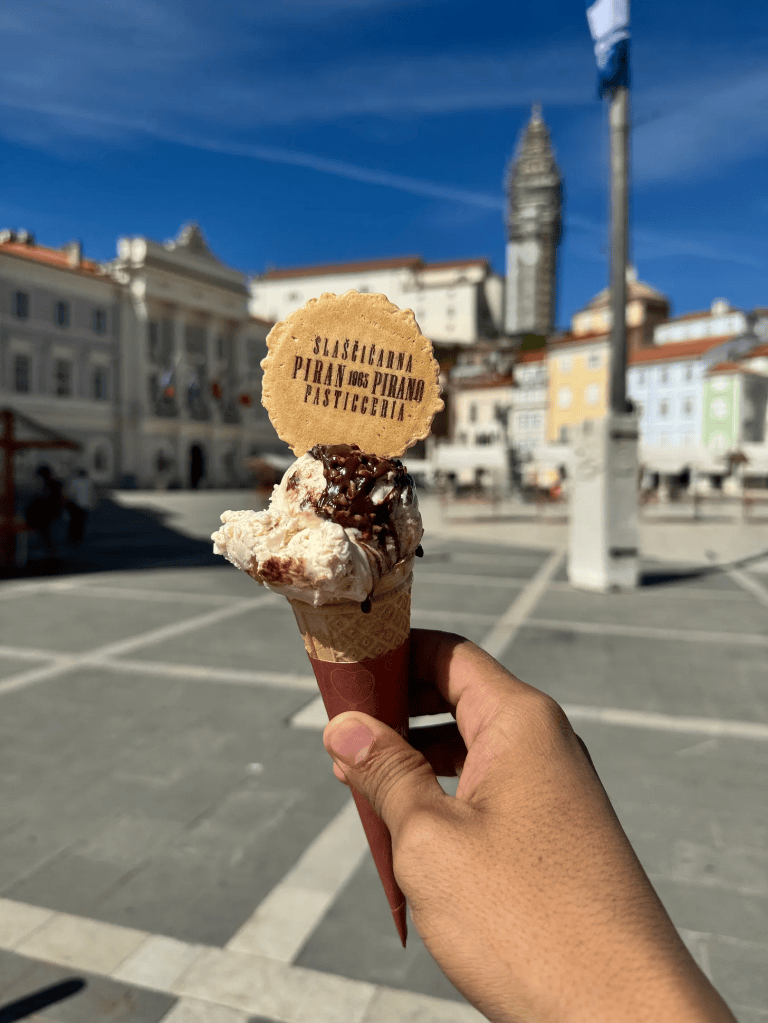
Piran is a coastal town practically within sight of Italy, with red-roofed buildings that bring to mind King’s Landing or Dubrovnik. It’s about 45 minutes from Skocjan, and small enough to explore fully on foot in under an hour. There’s no single must-see attraction here, the appeal is simply the red roofs against the blue Adriatic.
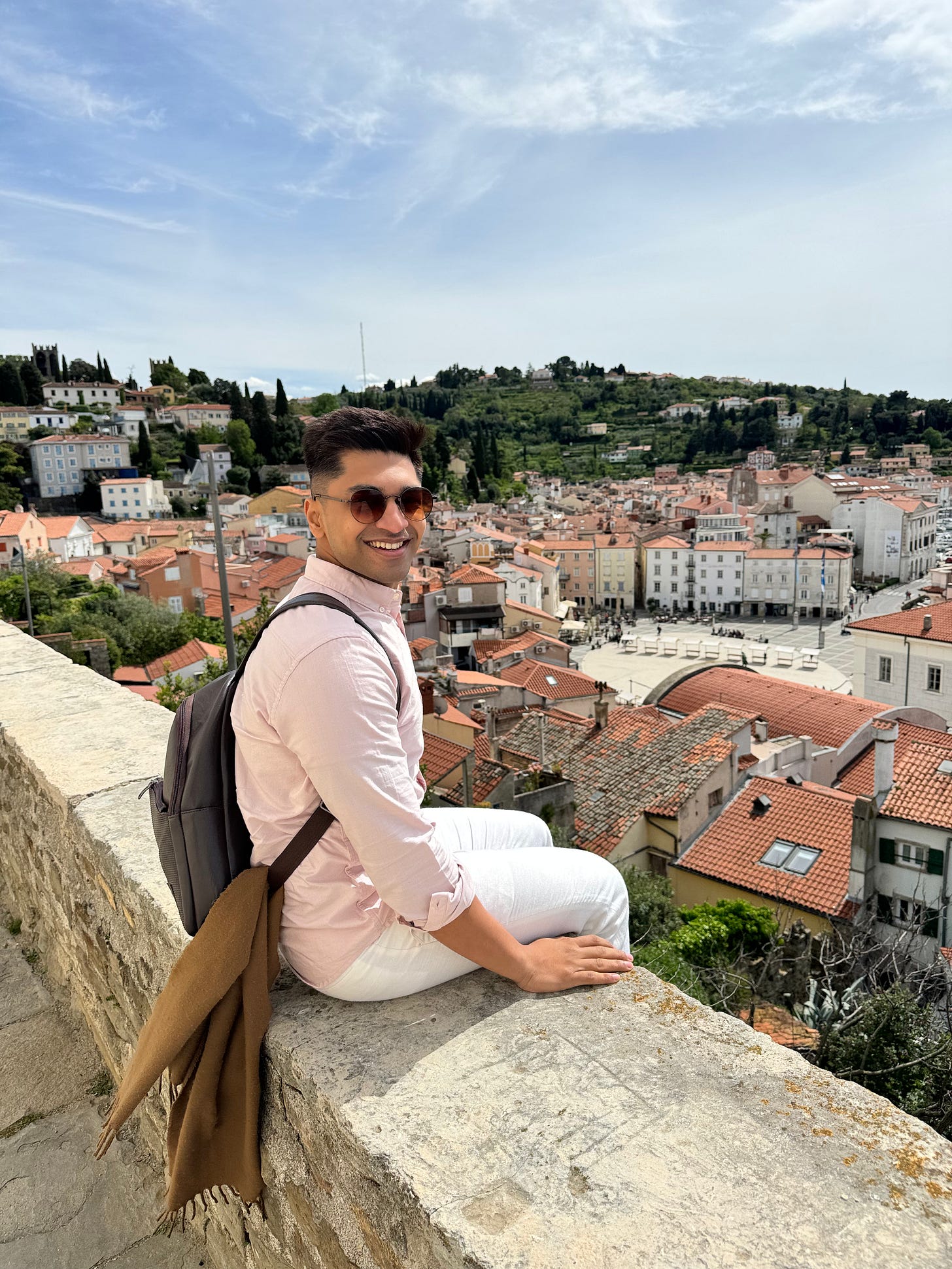
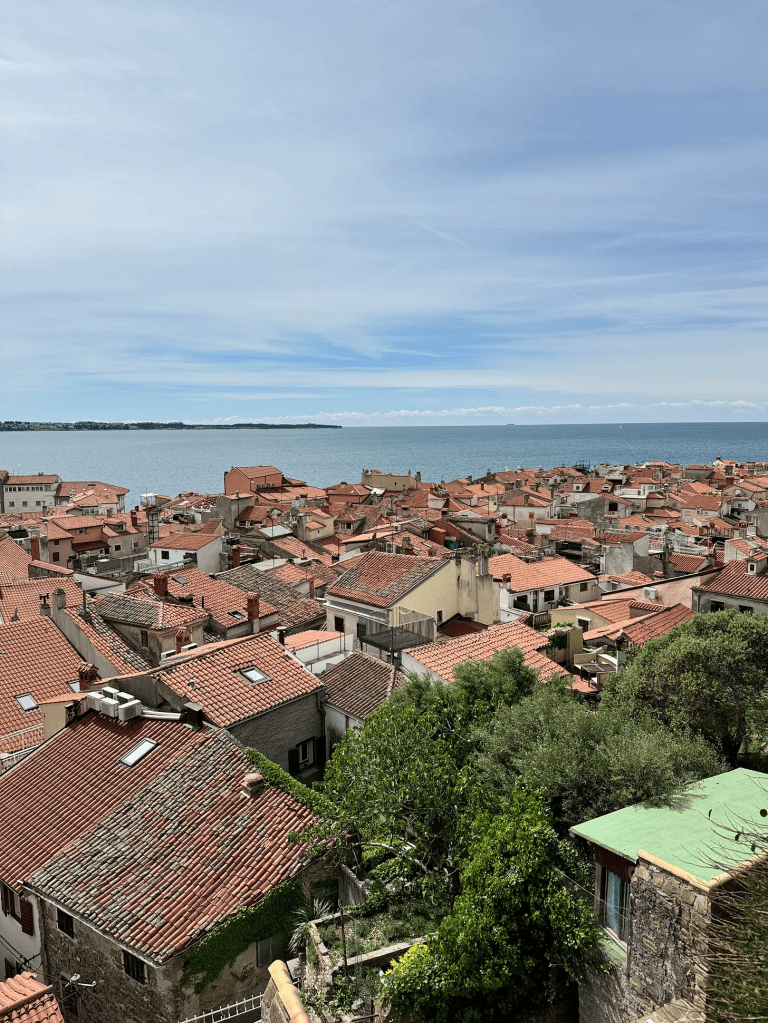
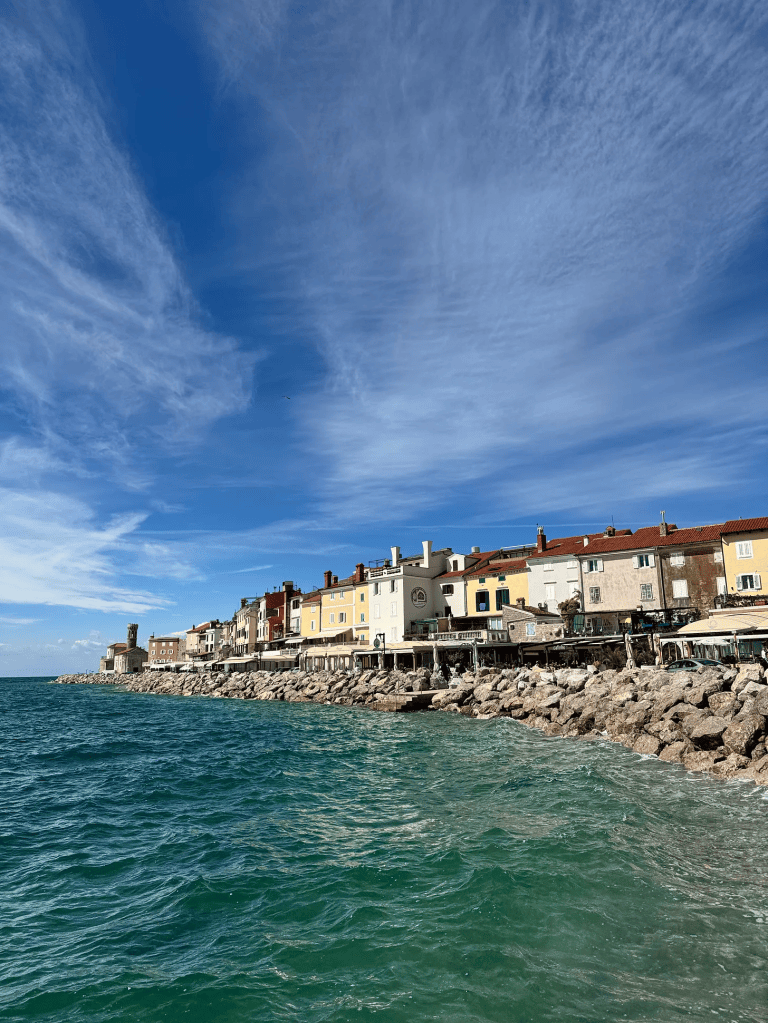
After wandering the streets and taking photos, I found an excellent family-run vegan restaurant for a meal, followed by gelato.
Day 3 rating, Piran: +1.5 — Beautiful, but having already visited Dubrovnik took some of the novelty away, and as someone who leans toward activity-driven travel, I found Piran a little thin on things to actually do. That said, it’s easy to explore on foot, with the sea bordering it on two sides and plenty of photogenic corners.
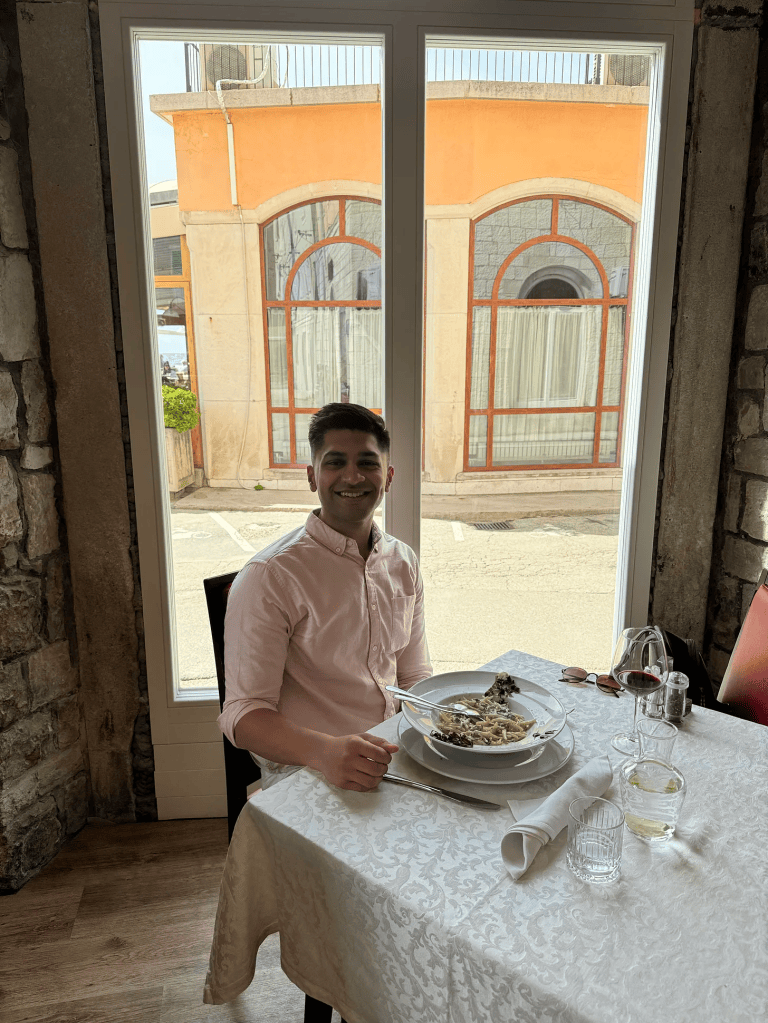
The return to Ljubljana took about 100 minutes. Dinner was a Subway veg footlong (9.9 Euros), the soya-kebab option wasn’t a favourite, before an early night after another long, full day.
20th April- Ljubljana City and Airport
With two straight days of full-day tours behind me and an afternoon flight ahead, I kept this last day for exploring Ljubljana itself.
It happened to be a Saturday, so the city’s bazaars were in full swing, with a large square hosting a flea market selling everything from clothes and accessories to farm produce, fragrances, and tourist goods.
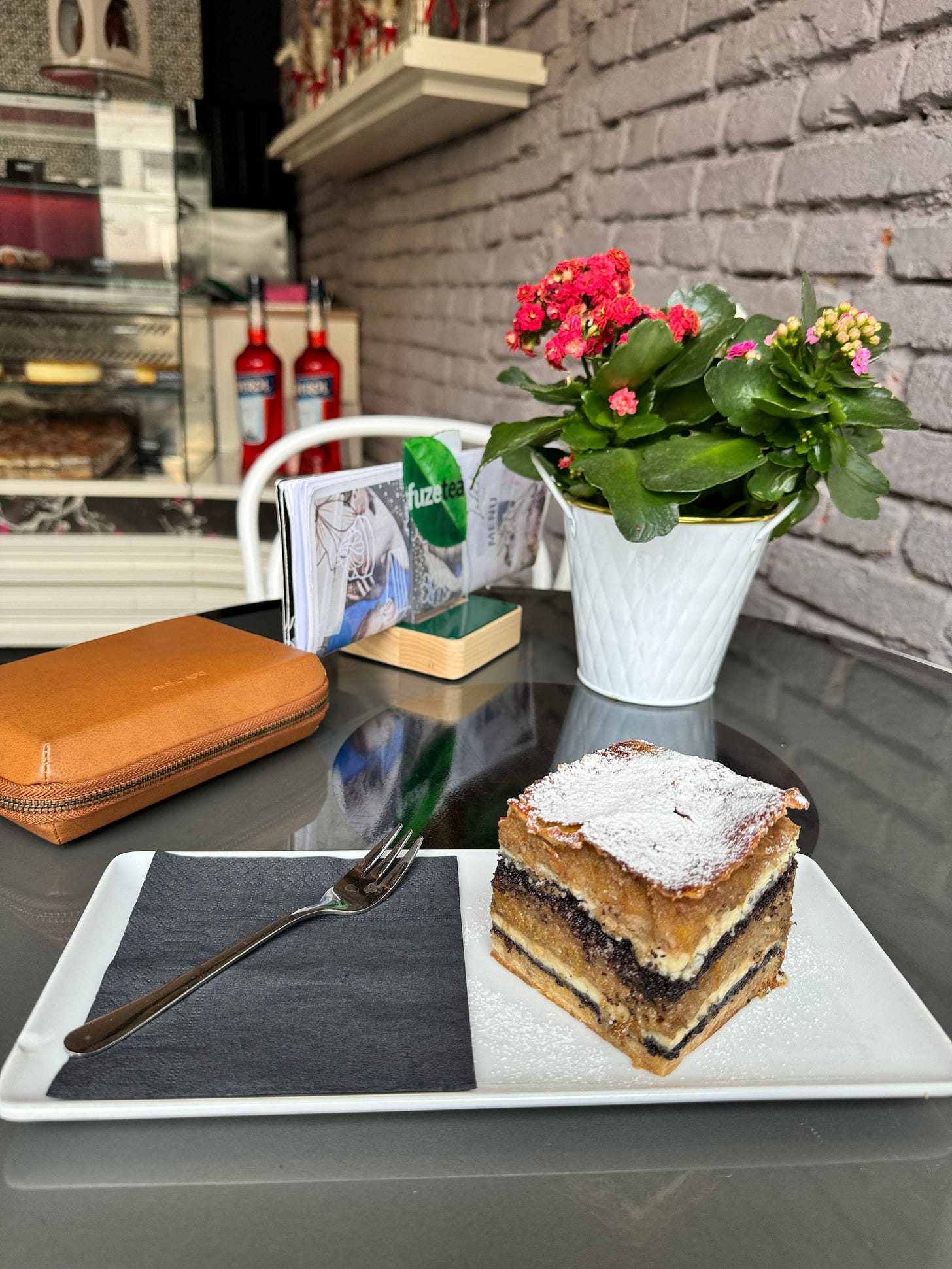
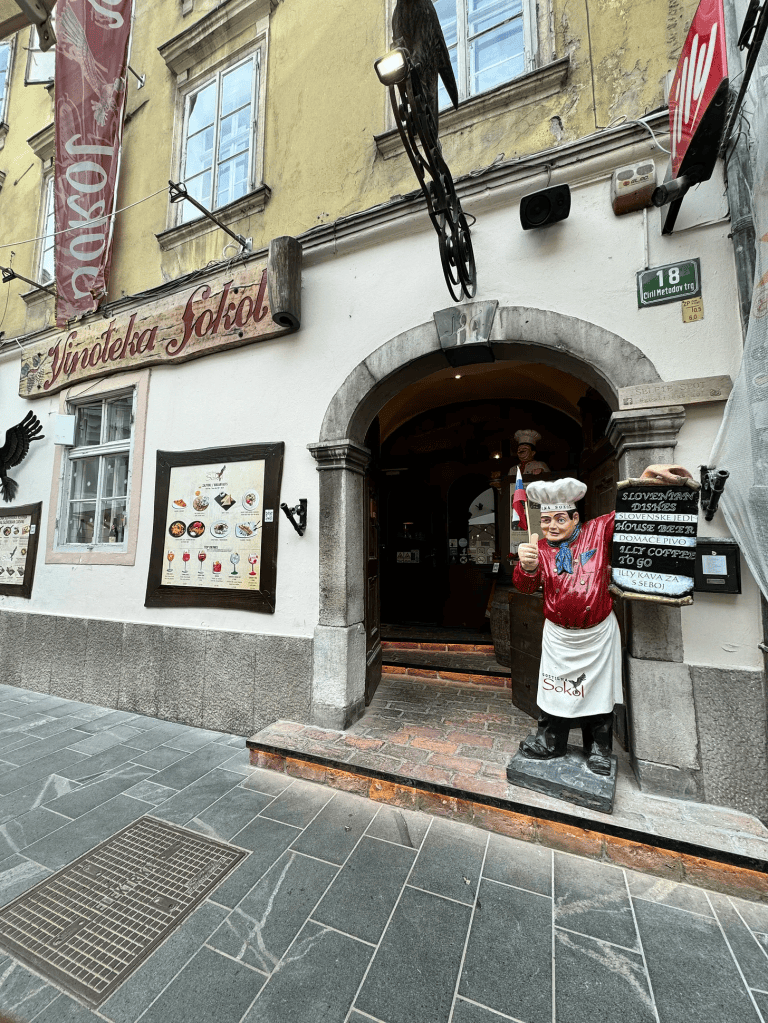
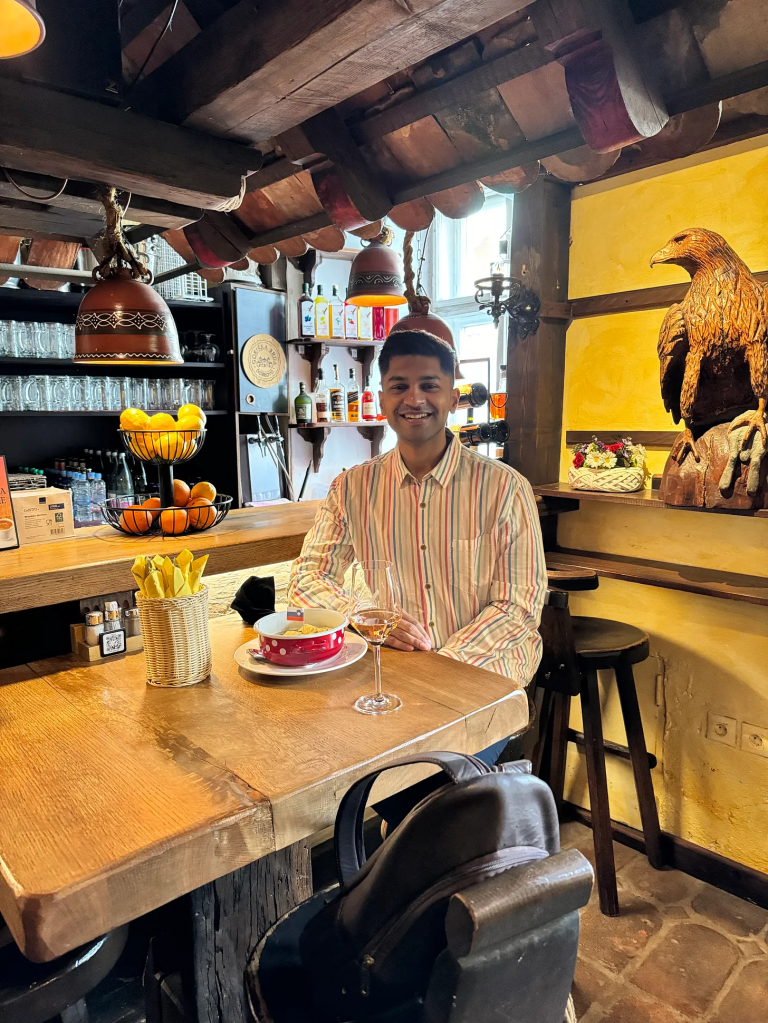
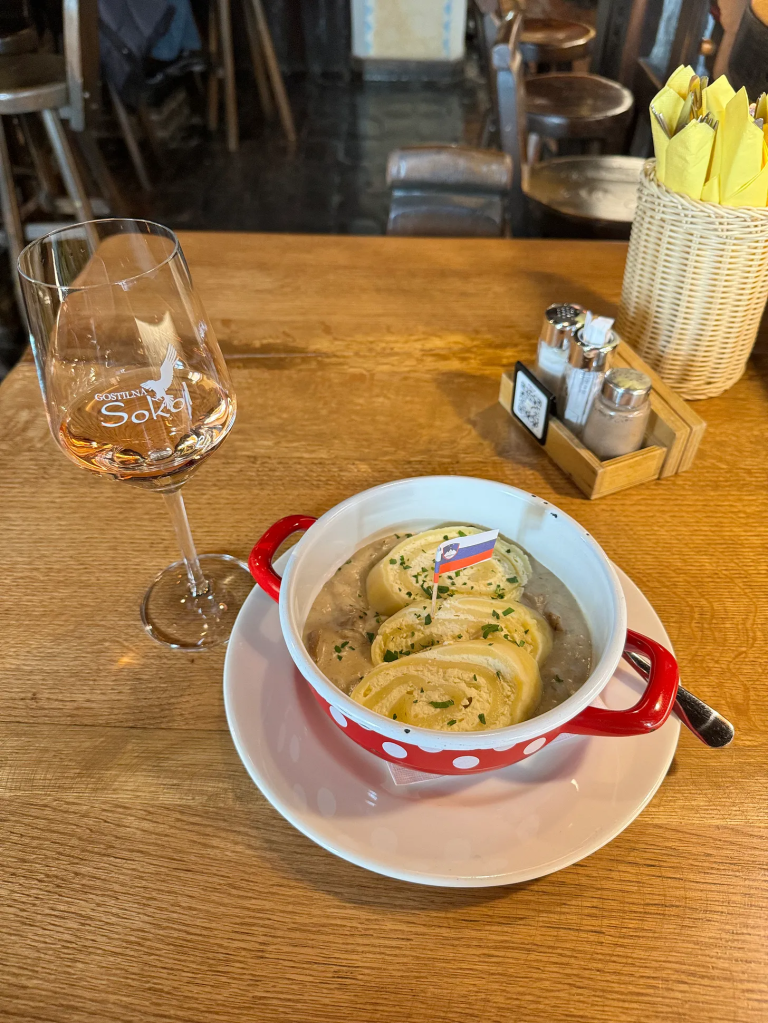
I started the day with Gabanica, a well-known Slovenian pastry, then brunched at Gostilna Sokol, reportedly the most famous restaurant in the country. From there, a bus took me from the city centre to the airport in about 40 minutes. The airport has two terminals, but they sit right next to each other, so navigating between them isn’t an issue.
Things I could have done better
- SIM card timing: I should have picked one up near the main bus station itself. As my first stop in Europe, I landed with no mobile network and no SIM shops nearby, and ended up walking 25 minutes to my hostel, lost, with three pieces of luggage in tow.
- Maribor region: Worth an extra day to visit the area east of Ljubljana, also Slovenia’s wine-producing region, which I didn’t get to on this trip.
- Vintgar Gorge: This reopens for the season right around when my visit ended, and I missed it by a single day, since my outbound flight was at noon on the 20th.
FAQ Section
Q: How many days do you need for a Slovenia itinerary?
4 days is enough for a solid Slovenia itinerary covering Ljubljana, the Postojna and Skocjan Caves, Lake Bled, and the coastal town of Piran, without feeling rushed, since the entire country is compact enough to day-trip from one base.
Q: Is Slovenia safe for solo travellers, including women?
Yes. Ljubljana felt safe even at night for solo strolls, and the same held true across the smaller towns and tourist sites covered in this itinerary.
Q: Do I need cash in Slovenia, or do cards work everywhere?
Cards work almost everywhere. A wireless Mastercard or Visa (including Indian debit/credit cards) is accepted virtually everywhere, including on city buses, so carrying cash isn’t necessary.
Q: Are there direct flights from India to Slovenia?
No. Slovenia has no national airline of its own, so travel typically routes through a connecting country like Germany (Lufthansa) or Switzerland (Swiss Air), rather than flying direct from India.
Q: Is vegetarian and vegan food easily available in Slovenia?
Yes. A quick Google Maps search turns up plenty of vegetarian and vegan options in Ljubljana and smaller towns, including a few Indian restaurants in the capital.
Q: Postojna Caves or Skocjan Caves, which is better?
They’re different experiences. Postojna has a train ride deep into the cave and the famous “baby dragon” (Olm) species, while Skocjan is known for its sheer scale and dramatic underground canyon, better suited to travellers who want a more thrilling walk.
End Note
Slovenia doesn’t announce itself the way Italy or France do, but that’s exactly its appeal. Ljubljana might be the most beautiful capital city in Europe, and most Indian travellers have never heard of it. Four days was enough to fall for the dragon bridges, the underground cave systems, and Lake Bled’s impossible blue, but there’s still the Maribor wine region and the Vintgar Gorge left for a return trip.
If you’re building your own Slovenia itinerary, keep it simple: base yourself in Ljubljana, day-trip out to the caves and Bled, and leave Piran for a slower, quieter final stretch.