 By Tarang Bansal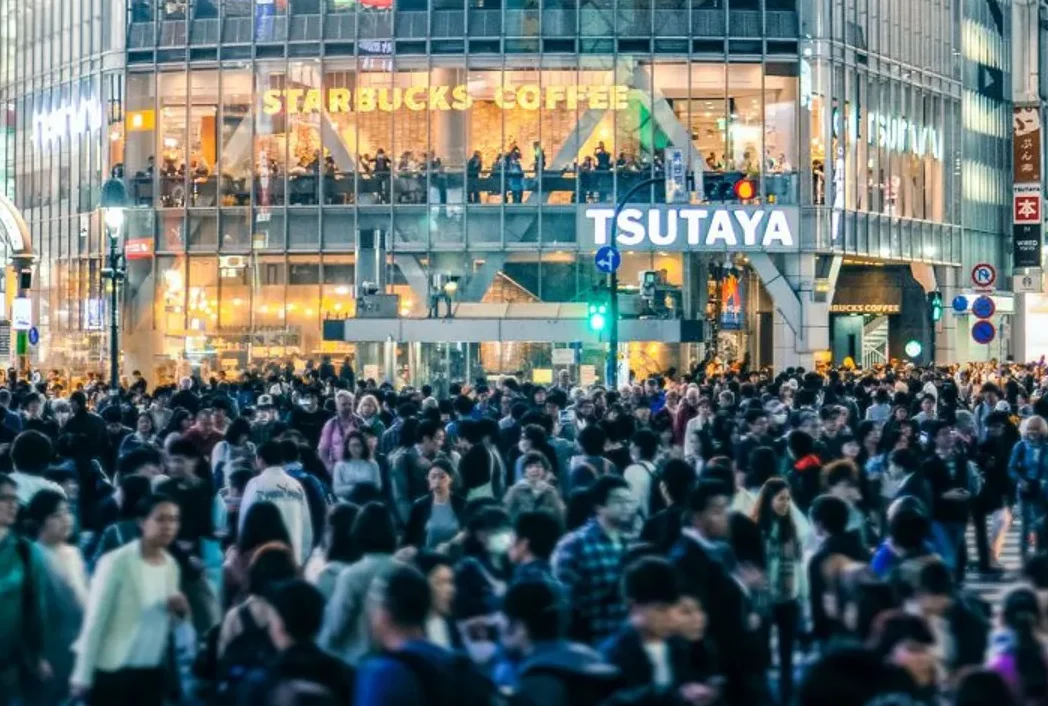

Is Shibuya Crossing worth visiting? Here is my honest 0 out of 5 verdict, and the neighbourhood guide that matters far more.
Shibuya Scramble Crossing is the world’s busiest intersection and one of the most overhyped 3 minutes of any Japan trip. Here’s my honest 0/5 rating, the smart way to actually experience it, and a complete guide to Shibuya as a neighbourhood: shopping, nightlife, vegetarian food, observation decks, and the alleys most tourists miss.
I’m going to start with the contrarian take and then steel-man it: Shibuya Scramble Crossing, as an experience, is a flat 0 out of 5 on my -5 to +5 scale.
Not negative. Not positive. A clean zero.
Up to 3,000 people cross at once when the walking lights turn green. Around 2.4 million crossings happen here every single day. It’s been featured in Lost in Translation, Resident Evil: Afterlife, and The Fast and the Furious: Tokyo Drift. It’s the planet’s most photographed pedestrian intersection. By every metric of fame and scale, it deserves the iconic status it has.
And yet, when I actually stood inside the Crossing, dodging tourists with selfie sticks and umbrellas, getting jostled by office workers in a hurry, watching the lights cycle for the third time; it took me about 3 minutes to think: this is it?
This is one of those experiences where the idea is more powerful than the actual thing. Walking the Crossing is something you do once, take a photo of, and then forget within an hour.
But, and this is the contrarian-with-a-twist part, Shibuya as a neighbourhood is one of Tokyo’s best. The Crossing is just a small moment in a much bigger, much more interesting story.
This post explains both: why the Crossing itself is overhyped, the smart way to experience it (hint: from above, not in it), and a full guide to spending day and night in the actual Shibuya neighbourhood.
If you want the full Japan trip context, read my main 10-day Japan blog here.
Why the Crossing Itself Earns a 0/5 (on a scale of -5 to +5)
Three honest reasons:
1. The “experience” lasts about 90 seconds. The lights turn red, traffic stops, you walk, you reach the other side. That’s it. There’s no meaningful sensation of being “in” something. You’ve crossed roads in Mumbai during peak hour with more drama than this.
2. It’s photo-driven, not experience-driven. The Crossing only looks impressive from above. From inside, you’re surrounded by people walking the same direction as you, with no perspective on the scale. Your photos will be of strangers’ shoulders.
3. The crowds make it worse, not better. Half the people in the Crossing aren’t commuters- they’re tourists with phones out, taking the same photos you’re taking. The very fame of the spot has flattened the local energy. You’re in a tourist trap dressed up as a daily routine.
So: 0 out of 5 as an experience. But still culturally significant, it is a once-only-do, ideally observed from a height rather than walked through.
The Smart Way to See Shibuya Crossing
Five viewing options, ranked from most-recommended to least:
1. Shibuya Sky (Best Overall)- ¥2,200-2,500
The 46th-floor open-air observation deck on top of Shibuya Scramble Square, sitting 229 meters above the Crossing. Opened in 2019. Provides bird’s-eye views of the Crossing plus 360-degree panorama over Tokyo, including Mt. Fuji on clear days.
- Hours: 10:00 AM – 10:30 PM (last entry 9:20 PM)
- Tickets: Date-and-time slotted, in 20-minute increments. Sunset slots sell out days in advance– book online via the official site or Klook
- Time needed: 60-90 minutes
- Pro tip: The “Sky Edge” corner gives the unobstructed straight-down shot of the Crossing
If you do only one observation deck in Tokyo, make it this one.
2. The Tsutaya Starbucks (Best Free-ish Option)- Cost of one coffee
The Starbucks on the 2nd floor of Shibuya Tsutaya, directly facing the Crossing. Floor-to-ceiling glass walls. About 100 seats. Open since 1999, this is the iconic Starbucks every travel video has filmed from.
- The catch: Prime window seats are crazy hard to get. People wait 30+ minutes for the right spot.
- Pro tip: Take the escalator up to peek at the view briefly without buying a drink, OR go on a weekday morning when seats are available. Though ideally you should buy something, they are paying the rent after all.
👉 [INSERT AFFILIATE LINK: Shibuya Sky tickets via Klook]
3. Mag’s Park (Magnet by Shibuya 109 Rooftop)- ¥1,800
8th floor outdoor rooftop, directly facing the Crossing from a much closer height than Shibuya Sky. Often less crowded.
- Includes one drink with admission
- Hours: 10:00 AM – 10:00 PM (last entry 9:30 PM)
- Cash not accepted- bring your card
- Better for close-up Crossing photos than Shibuya Sky’s bird’s-eye perspective
4. Shibuya Hikarie 11th Floor Sky Lobby (Best Free Option)
A glass-walled indoor observation space on the 11th floor of the Hikarie building, connected directly to Shibuya Station. Most tourists miss this entirely.
- Cost: Completely free
- No reservation needed
- Better aerial view than the Mark City Walkway
- Less elevated than Shibuya Sky but still gives you the Crossing in context
5. Shibuya Mark City Walkway (Backup Free Option)
A glass pedestrian bridge connecting Shibuya Station to the Mark City complex. Free, 24/7, often crowded with commuters.
- Closer to ground level- less of a true aerial view
- Worth it only if everything else is sold out or closed
My honest recommendation: Book Shibuya Sky for sunset. Pop into the Tsutaya Starbucks for a coffee before or after. Walk the Crossing once. Total time invested: 90 minutes. You’re done with Shibuya’s most famous landmark and ready to actually enjoy the neighbourhood.
Shibuya as a Neighborhood: What to Actually Do
This is where Shibuya gets interesting.
Shibuya isn’t really one neighbourhood; it’s a sprawling district that’s the youth-culture, fashion, and nightlife capital of Tokyo. The area around Shibuya Station alone covers shopping, dining, drinking, music, and observation experiences worth a full day plus a full night.
Here’s how to plan it.
Daytime in Shibuya
Hachiko Statue (5 minutes)
Right outside Shibuya Station’s Hachiko Exit. The bronze statue commemorating the loyal Akita dog who waited 9 years for his deceased owner at the station. It’s small, often crowded, and worth a photo only because of the story behind it. Tokyo’s de facto meet-up spot.
Shopping Hubs
Shibuya is one of Tokyo’s three main shopping districts (along with Ginza and Harajuku). Key spots:
- Shibuya 109: The 8-story icon of Japanese youth fashion since 1979. Almost entirely women’s brands targeting teens and 20-somethings. Even if you don’t shop, walk through to see Japanese fashion subcultures evolving in real time.
- Shibuya Parco: Modernized 10-floor mall with Japanese designer brands, anime/Pokemon flagship stores, and a popular food court.
- Shibuya Hikarie: Connected to the station. More upmarket, with restaurants and the famous 6F-7F women’s fashion floors.
- Shibuya Scramble Square: The newest tower (2019), housing both the Shibuya Sky observation deck and a vast shopping/dining complex.
- MAGNET by Shibuya 109: Trendy pop-up brand floors plus the Mag’s Park rooftop.
- Loft Shibuya: Six floors of stationery, design goods, beauty, and quirky Japanese gift items. Don’t skip- this is one of Tokyo’s best shopping experiences for souvenirs.
- Don Quijote (Donki) Shibuya: Open 24/7, chaotic, packed with everything from kawaii merch to Japanese skincare to bizarre snacks. Indians find this the most overwhelming and most rewarding store in Shibuya.
- Tower Records Shibuya: 8 floors of physical music, books, and merchandise. Where to find Japanese pop, anime soundtracks, and limited-edition vinyl.
- Mega Don Quijote MEGA Shibuya: Even bigger Donki branch a few blocks away.
Plan 2-4 hours for shopping if you’re a casual browser, much more if you actually buy things.
Yoyogi Park & Meiji Shrine (Half-day Detour)
Just one stop north of Shibuya on the Yamanote Line is Harajuku Station, gateway to the Meiji Shrine complex and Yoyogi Park. The shrine is one of Tokyo’s most spiritually significant sites, set in a 170-acre forest. Yoyogi Park is one of Tokyo’s largest green spaces. Combine these into a 2-3 hour break from Shibuya’s commercial chaos.
Daikanyama and Naka-Meguro (For a Quieter Side)
Walk south from Shibuya Station for 10-15 minutes (or take the Tokyu Toyoko Line one stop) to Daikanyama is a quiet, upscale neighbourhood with the famous Tsutaya Books complex, indie cafes, and designer boutiques. Continue to Naka-Meguro along the canal for cherry blossom season’s best walks. This is where Shibuya locals escape the tourist crowds.
Vegetarian Food in Shibuya
Shibuya isn’t easy for strict vegetarians, but it’s better than most Tokyo neighbourhoods. Some safer options:
- T’s Restaurant Tantan (in Shibuya Stream): Vegan ramen- same group as the famous Tokyo Station T’s Tantan. One of Shibuya’s best vegan meals.
- Mister Donut: Most donuts are vegetarian. Easy snack stop.
- Italian restaurants: Many in Shibuya. Margherita pizza and pasta primavera are universal safe bets.
- Indian restaurants near Shibuya: Several Nepali-run Indian places within 10 minutes of the Crossing, search for “Indian restaurant Shibuya” on Google Maps. Reliable backup for any night.
- Falafel Brothers (Roppongi-Shibuya area): Middle Eastern vegan, easily accessible.
- Ain Soph chain branches: Vegan-only restaurants with multiple Tokyo locations including Shibuya area.
- 7-Eleven, Lawson, FamilyMart: Convenience stores nearby for emergency egg-sandwich + smoothie meals.
For the Niku Iranai survival guide and detailed vegetarian Japan strategy, see my [vegetarian Japan blog].
Nightlife in Shibuya: From Sundown to Sunrise
This is where Shibuya truly comes alive. The neighborhood is one of Tokyo’s three big nightlife centers (with Shinjuku and Roppongi), and arguably the most accessible for foreigners.
Nonbei Yokocho (“Drunkard’s Alley”)
A retro alley with about 38-40 tiny bars and izakayas dating back to 1952, just 3 minutes’ walk from Shibuya Station’s Hachiko Exit. Each bar fits 4-8 people. Red lanterns, neon signs, intimate Showa-era atmosphere.
- Cost: ¥3,000-5,000 per person for 2-3 drinks and small plates
- Important: Most bars are cash-only. Bring yen.
- Etiquette: Some bars historically refused foreign tourists; this is improving but check for English menus. Visit in groups of 2, not 5+.
- Best time: Weekday evenings, 7-10 PM, for the most authentic local atmosphere
Shibuya’s Live Music Scene
One of Tokyo’s best for live music. Venues range from intimate jazz bars to legendary punk clubs to massive concert halls.
- WWW & WWW X: Indie and electronic music
- O-East / O-West: Larger venues for J-pop and rock
- Club Quattro: Mid-sized venue with strong Japanese and international booking
- Shibuya O-Crest: Underground music scene
Karaoke
Available on almost every street. The biggest chains are Karaoke-Kan, Big Echo, and Pasela Resorts. Solo or group, hourly room rates from ¥500-1,500/hour, drinks-included packages available.
Clubs (For Late Nights)
Shibuya has dozens of dance clubs, they fill up around midnight and run until first trains at 5 AM.
- Camelot: Mainstream EDM, popular with international visitors
- Atom Tokyo: Tech-house and electronic
- Womb: Legendary techno club, in Shibuya for over 25 years
- Sound Museum Vision: Multi-room electronic music venue
Cover charges typically ¥3,000-5,000 (often with one or two drinks included).
Late-Night Eats
After a club or bar crawl, Shibuya has plenty of late-night ramen, izakaya, and 24-hour diners (Saizeriya, Gusto, Jonathan’s). Plus the omnipresent konbinis for cheap snacks.
👉 [INSERT AFFILIATE LINK: Shibuya bar-hopping and night-walking tours via Magical Trip / Klook]
The “Iconic Experiences” Most Lists Miss
Beyond the obvious, a few things in Shibuya I’d highlight:
1. Anime/Pokemon shopping at Shibuya Parco: Floors dedicated to Nintendo, Pokemon, Capcom, and various anime franchises. Worth a stop even if you’re not a fan.
2. Center Gai (Shibuya Centergai): The pedestrian street running north from the Crossing. Cheap eats, fast fashion, arcades, karaoke. The youth-culture artery of Shibuya.
3. Spain-zaka: A cobbled European-style alleyway connecting Shibuya to Harajuku. Designer cafés, vintage boutiques, photogenic.
4. Takeshita Street (in Harajuku, 5 min north): The kawaii capital. Crepe shops, character merchandise, cosplay culture, themed cafes.
5. Cat Street: Walk between Shibuya and Harajuku via this trendy designer shopping street. Excellent café-hopping.
6. The basement food halls (depachika): Shibuya Hikarie’s basement, Shibuya Tokyu Foodshow, and Tokyu Department Store’s basement food halls are some of the best places to graze on Japanese sweets, bento boxes, and seasonal specialties
👉 [INSERT AFFILIATE LINK: Shibuya hotels via Booking.com / Agoda]
Frequently Asked Questions
Q: Is Shibuya Crossing worth visiting? Yes, but only as a 5-minute photo-and-cross stop. The actual experience is unspectacular; the cultural significance is real. Best appreciated from above.
Q: What’s the best place to view Shibuya Crossing? Shibuya Sky observation deck (¥2,200-2,500) for the dramatic aerial view, or Tsutaya Starbucks for the close-up classic angle.
Q: How long should I spend in Shibuya? Half a day for shopping + Crossing + Hachiko statue. A full day with evening if you want to add Shibuya Sky, dinner, and bar-hopping. A weekend if you want to truly explore the neighborhood including Daikanyama and Harajuku.
Q: Is Shibuya Sky worth the money? Yes, it’s currently Tokyo’s best observation deck for the price. Better views, more atmosphere, and the open-air rooftop experience that other observatories don’t offer. Book sunset slots online weeks in advance.
Q: When is the best time to see Shibuya Crossing? Sunset to early evening (5-7 PM) for the perfect mix of natural light and neon. Friday/Saturday nights for maximum crowds. Early weekday mornings for the calmest, easiest photos.
Q: Where do I find vegetarian food in Shibuya? T’s Restaurant Tantan in Shibuya Stream (vegan ramen), various Italian restaurants throughout the area, multiple Indian/Nepali restaurants within 10 minutes of the Crossing, and convenience stores for breakfast/snacks.
Q: Is Shibuya safe at night? Yes, Shibuya is generally one of Tokyo’s safer nightlife districts. Watch for pickpockets in crowded areas and avoid touts in the Center Gai/Dogenzaka area. As anywhere, be aware of your surroundings late at night.
Q: What’s better- Shibuya or Shinjuku at night? Shibuya is more accessible for first-timers, more international, and more youth-energy. Shinjuku is bigger, edgier, and has more variety (Kabukicho, Golden Gai, Omoide Yokocho). Do both if you can; if only one, Shibuya for entry-level Tokyo nightlife.
Q: Do I need to book Shibuya Sky in advance? Yes, especially for sunset slots. Book online via the official site or Klook several days to weeks ahead. Walk-up tickets are sometimes available but unreliable.
Final Word
Shibuya Crossing is the perfect Tokyo paradox: a genuine cultural icon that, at the moment of actually experiencing it, delivers far less than the photos promise. 0 out of 5 as an experience. 5 out of 5 as a backdrop.
But the real story of Shibuya isn’t the Crossing. It’s the layers around it- the Sky observation deck, the alleyways of Nonbei Yokocho, the chaos of Donki at midnight, the indie music venues at WWW, the vintage shopping in Daikanyama, the karaoke booths until first trains. Spend a full day and night here and you’ll understand why it’s one of the most imitated neighborhoods in the world.
Cross the Crossing once. Take the photo. Then go upstairs, find a bar, and actually meet Tokyo.
For the full Japan trip experience, read my main blog here.
Drop a comment with your honest Shibuya Crossing rating and tag the friend who insists it’s life-changing.